What the species is and where it came from
An apex predator is not a species. It is an ecological role—defined by trophic dynamics—that emerged at least in the Cambrian, with examples like Anomalocaris and Timorebestia.
How it works, in terms someone would actually use
An apex predator occupies the highest trophic level in a food chain, with few or no natural predators of its own.
What it gets right
It correctly identifies a functional role defined by trophic position—not taxonomy—and links that role to measurable outcomes: trophic cascades, mesopredator release, keystone effects.
What it does not
It does not name a species. It does not specify habitat, diet, range, anatomy, lifespan, population, or conservation status. It does not apply to any one animal or plant.
What it changed
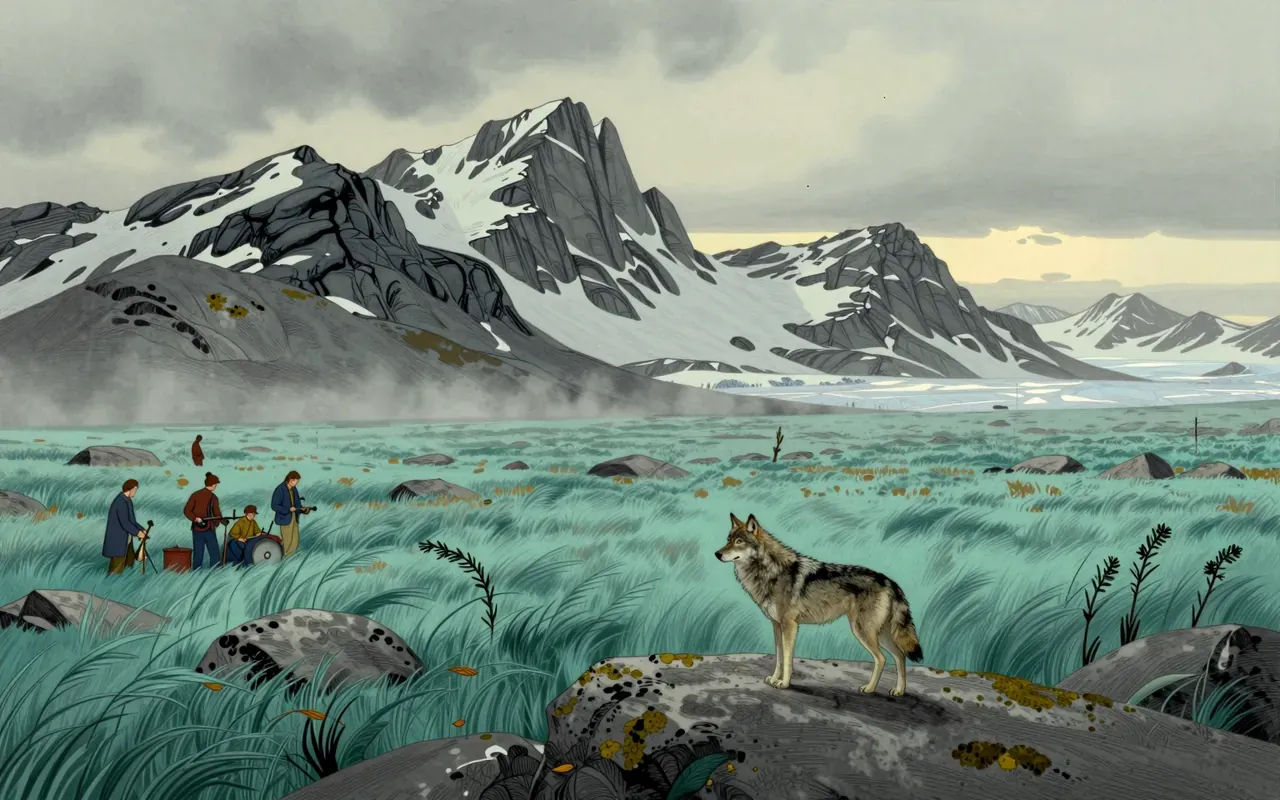
Removal or reintroduction of apex predators has changed ecosystems: badger removal doubled hedgehog densities; wolf reintroduction in Yellowstone in 1995 triggered dramatic ecosystem changes; smallmouth bass removal allowed lake trout to diversify prey and increase trophic level.
Who it is for, and who it is not
It is for ecologists, conservation practitioners, and policy makers who need to predict how removing or restoring top predators affects whole systems. It is not for field guides, taxonomists, or wildlife watchers seeking identification.
Is it worth your time
Yes—if you are deciding whether to observe, manage, or reintroduce a top predator, this role tells you what ecological leverage it exerts.