naturebriefsBrowse 445 nature briefs

Every species worth meeting, in a walk around the block.

445
briefs
9:26
average
10:37
Featured · Mammals

Eurasian lynx

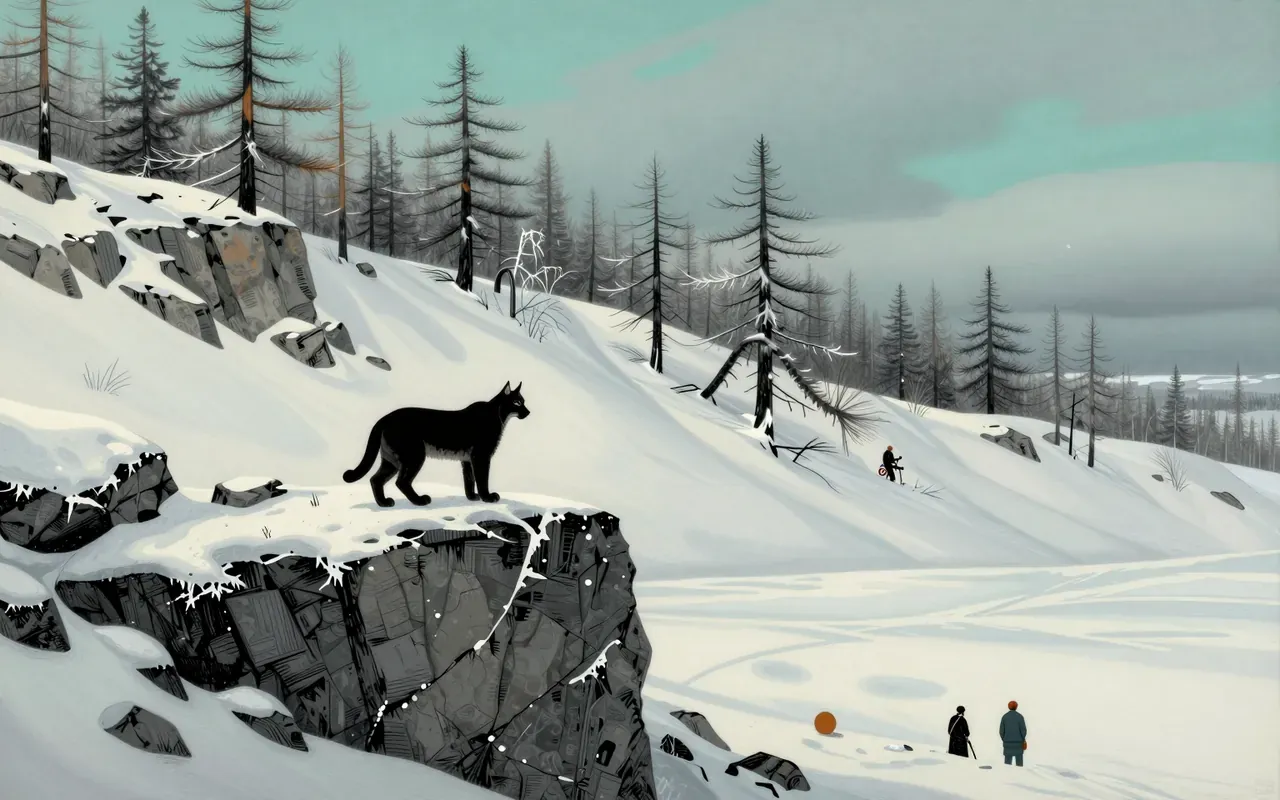
The Eurasian lynx is a high-elevation forest predator whose physical adaptations match its extreme habitats—but whose survival depends on intact forest corridors and prey abundance, not just range size.

9:00

Geodes

A geode is a hollow, roughly spherical rock in sedimentary or volcanic rock holding mineral matter, which may include crystals, deposited from groundwater or hydrothermal fluids.
9:26

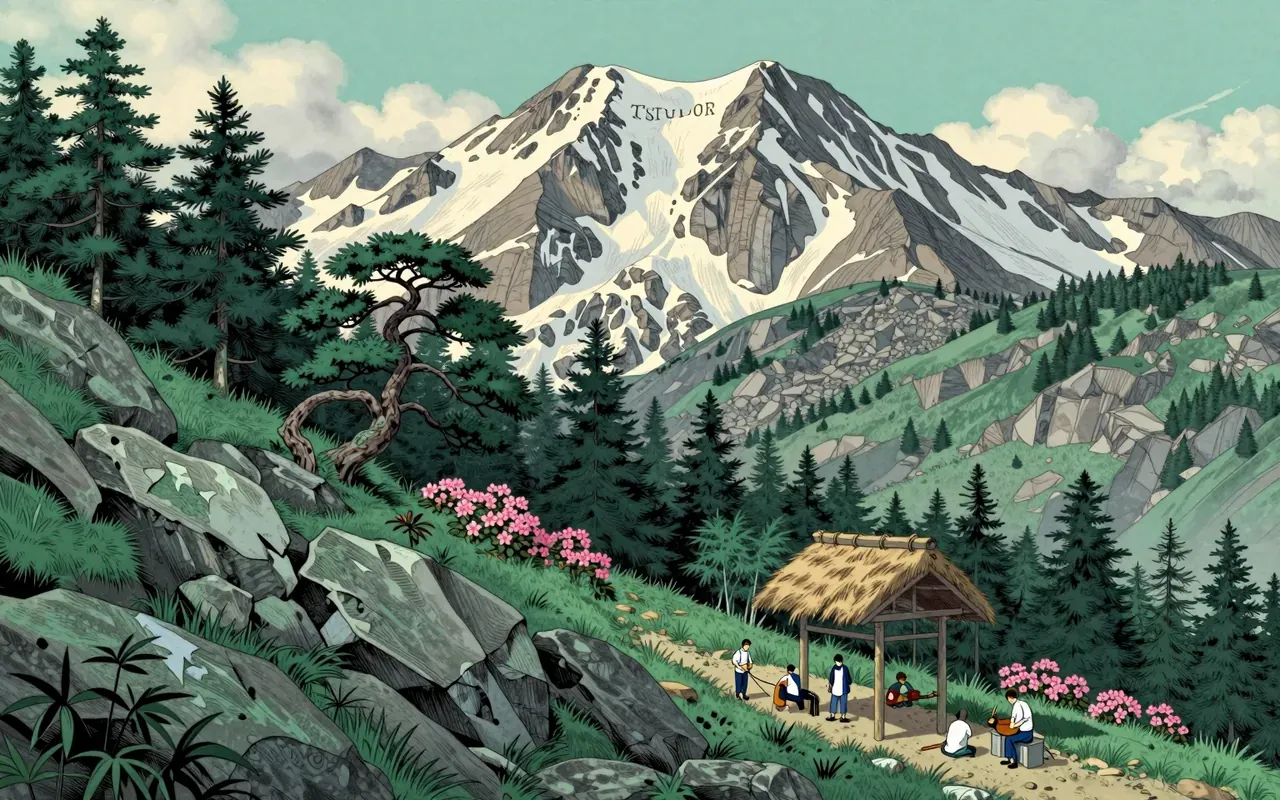
Japanese Alps

The Japanese Alps are three mountain ranges that bisect Honshu, Japan's main island, and hold the country's only active glaciers.
9:28

Halo

A halo is an optical phenomenon in which sunlight or moonlight, bent and reflected by ice crystals in the air, makes rings, arcs and spots in the sky.
8:35

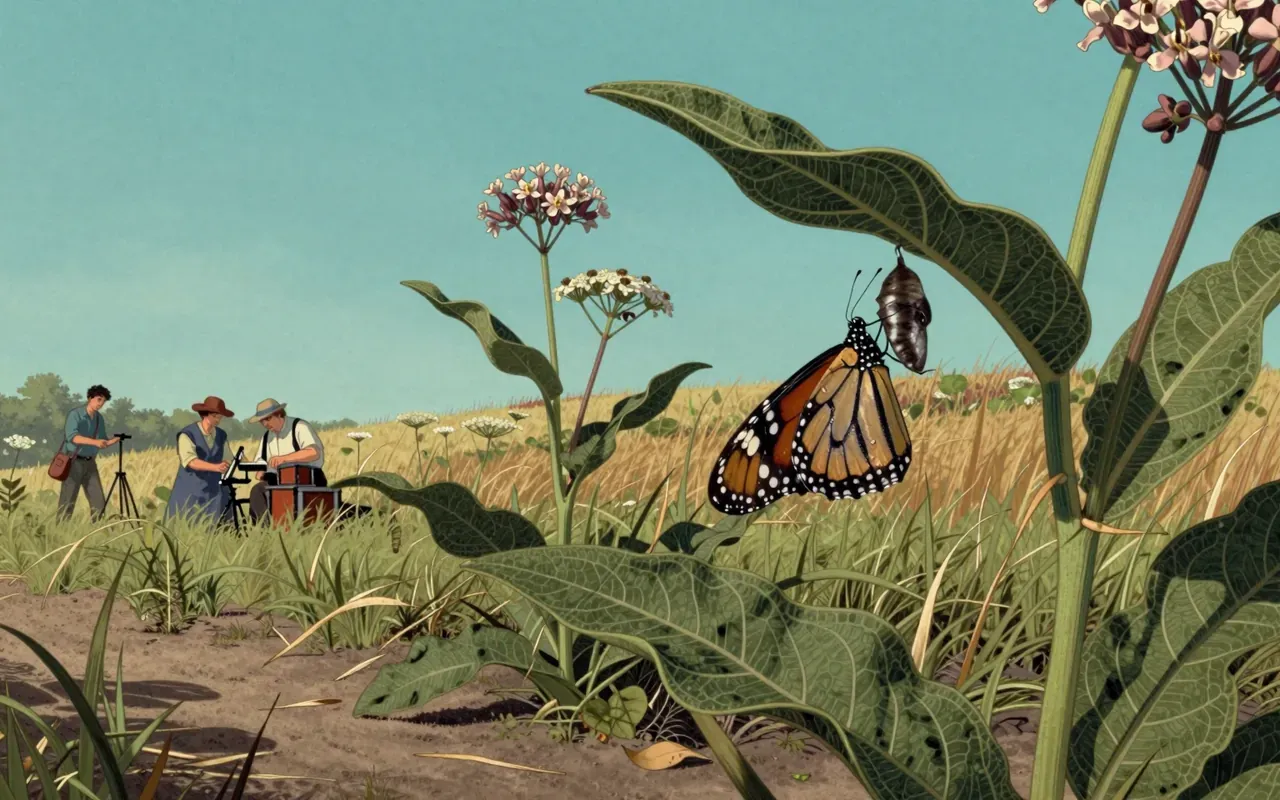
Metamorphosis

Metamorphosis is the biological process in which an animal's body changes abruptly in structure as part of its development, as when a larva becomes an adult.
8:08

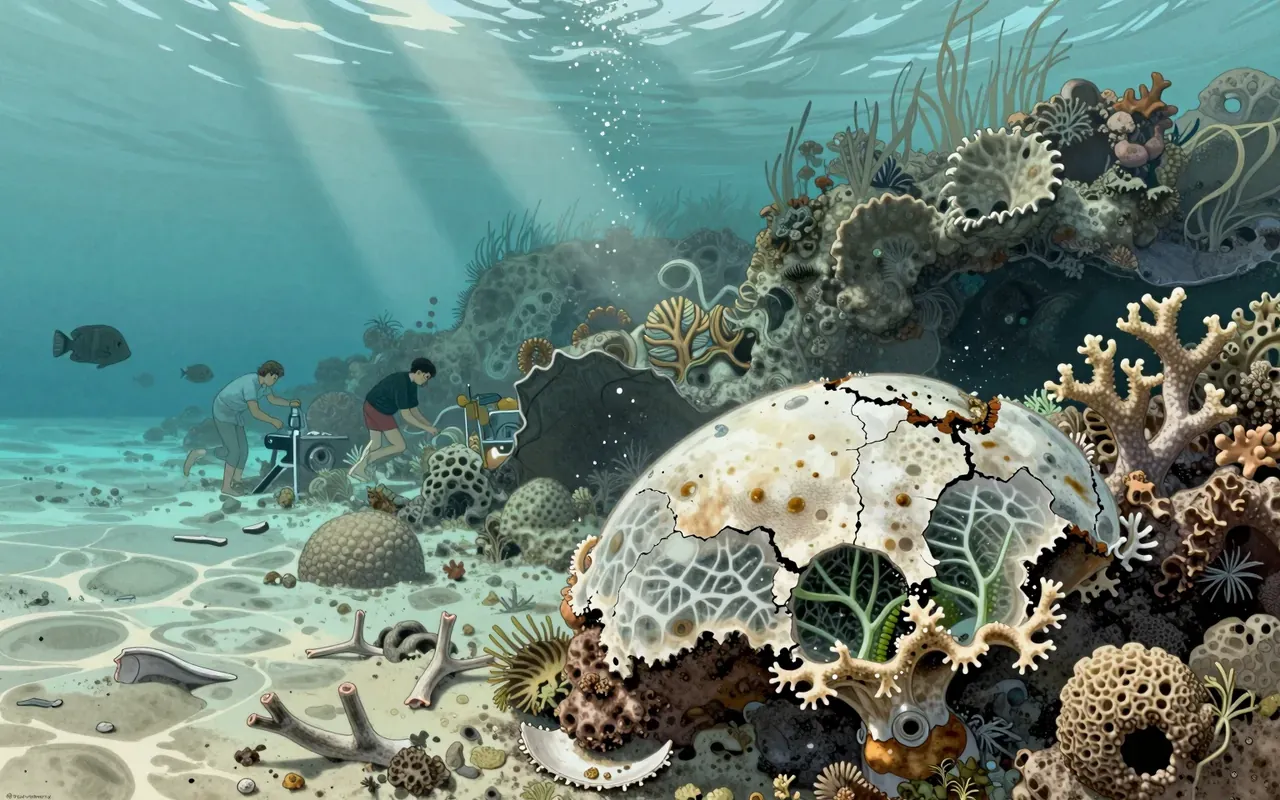
Symbiosis

Symbiosis is any close, long-term biological interaction between two organisms of different species, from lichens and corals to head lice.
8:52

Barrel cactus

A desert plant that waits years to bloom—then does it twice, once for spring sun and once for monsoon rain.
8:41

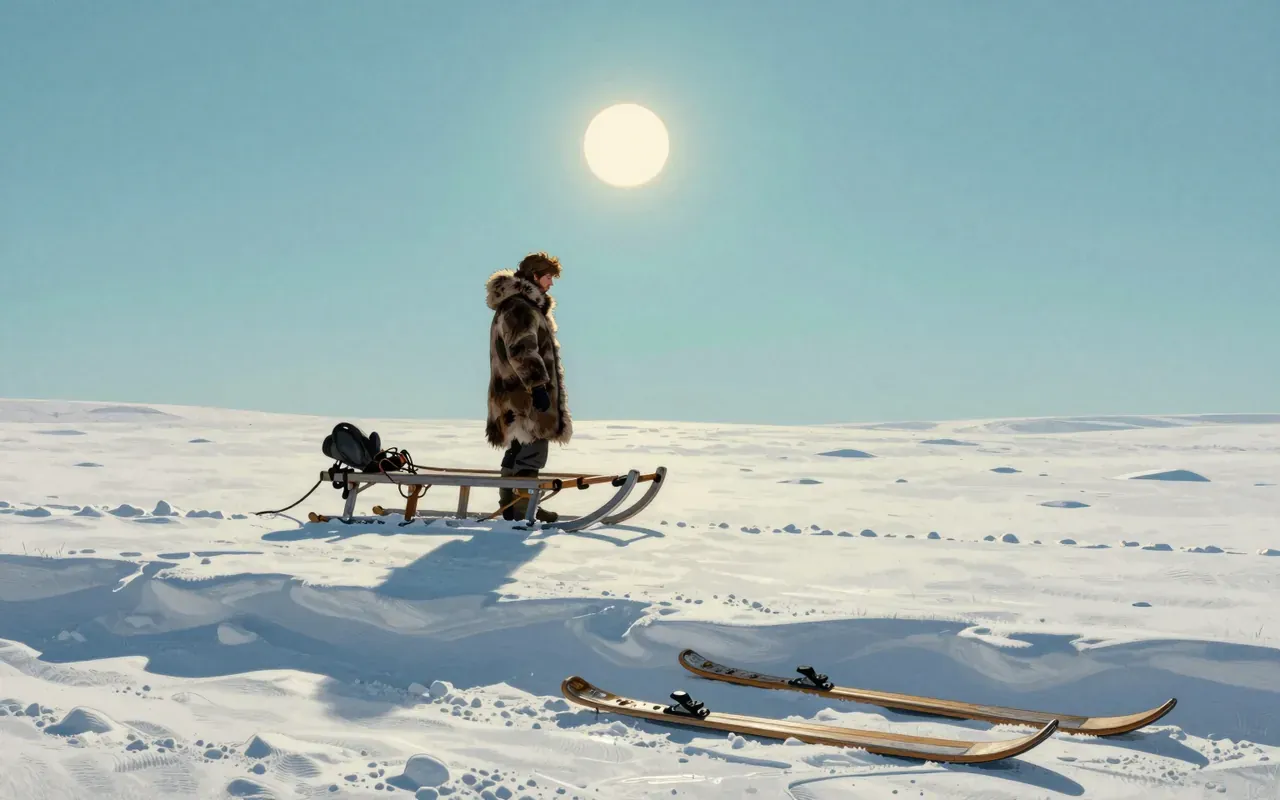
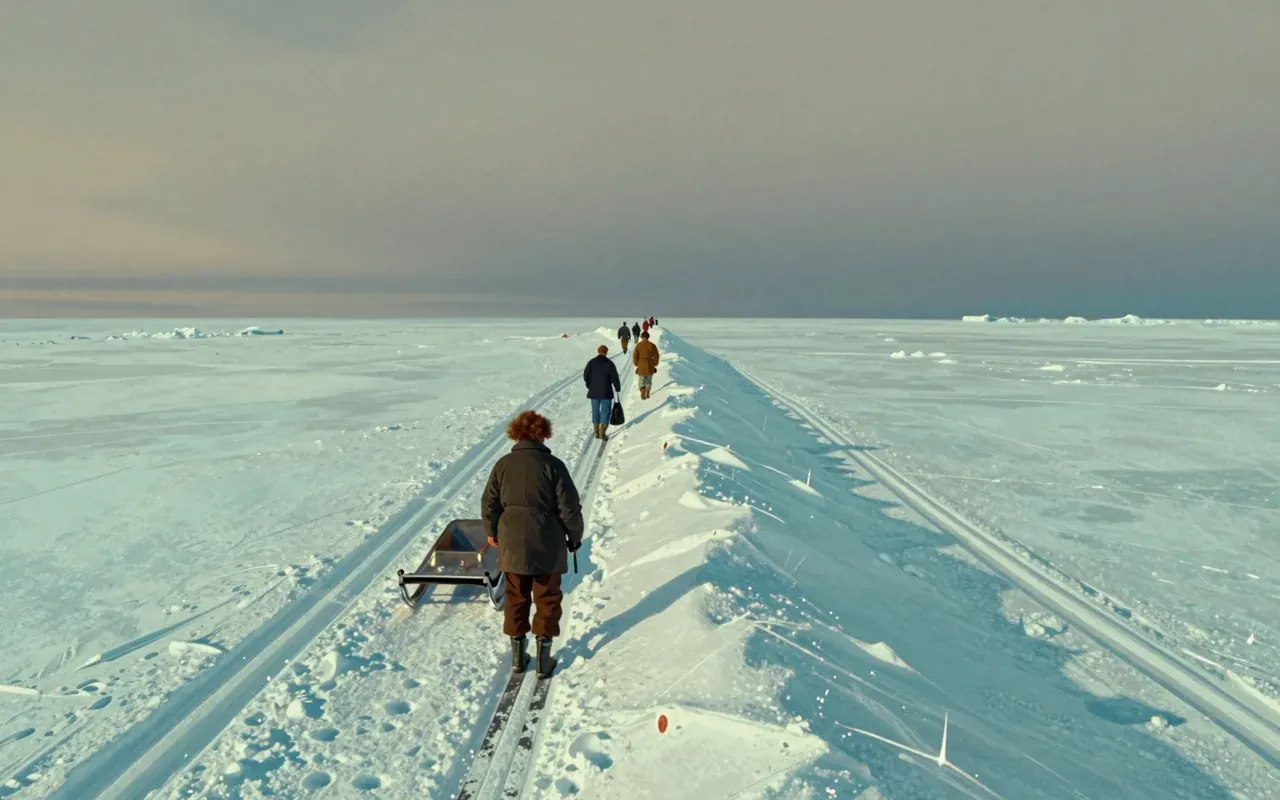
Polar desert

A desert without sand, a biome without biology—polar deserts break every rule except the one that matters: cold overrides dry.
10:18

Holocene extinction

This is not an extinction event — it is the erasure of life’s diversity by human systems, measured in multiples of natural loss.
9:29

Autumn leaf color

Autumn leaf colour is not decay—it’s a metabolic pivot, timed to light and cold, that turns leaves into temporary solar shields and insect warning signs.
9:38

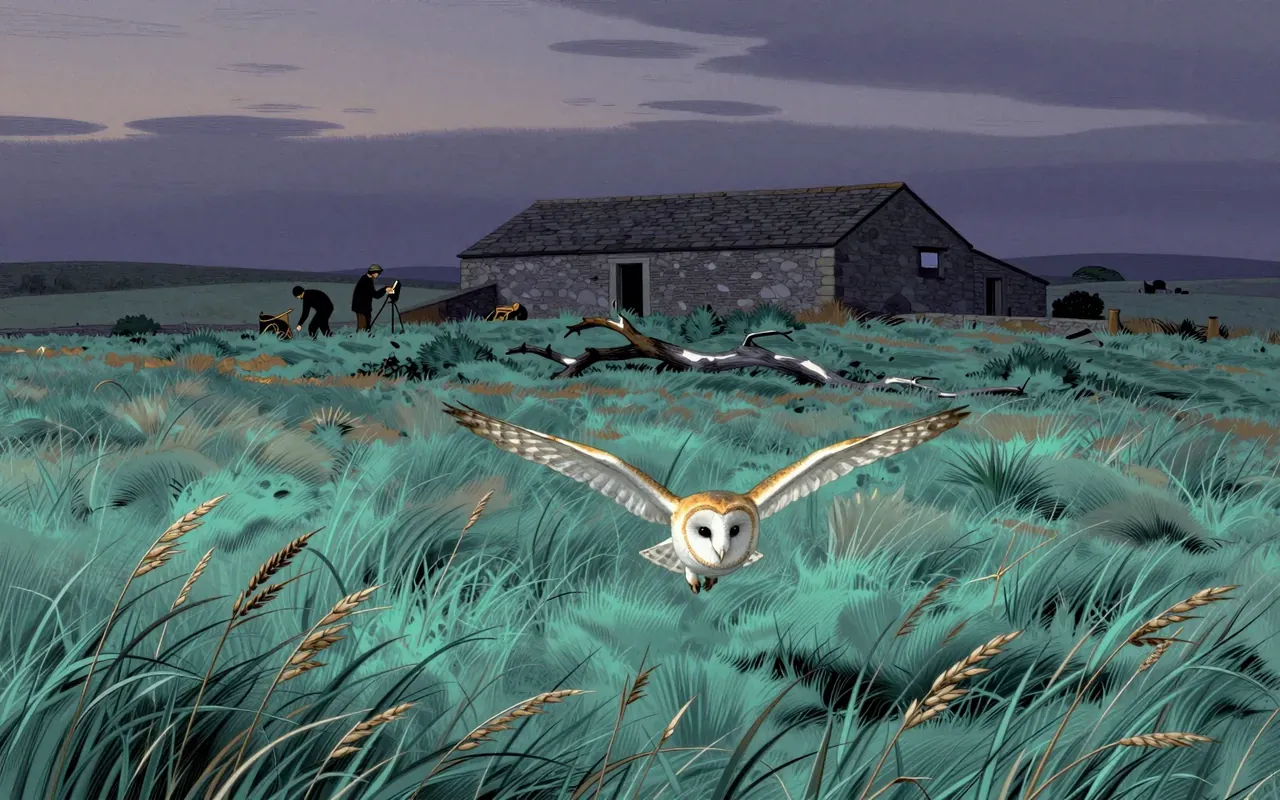
Barn owl

It’s not one bird — it’s a global genus defined by a heart-shaped face and legs built for killing.
7:36

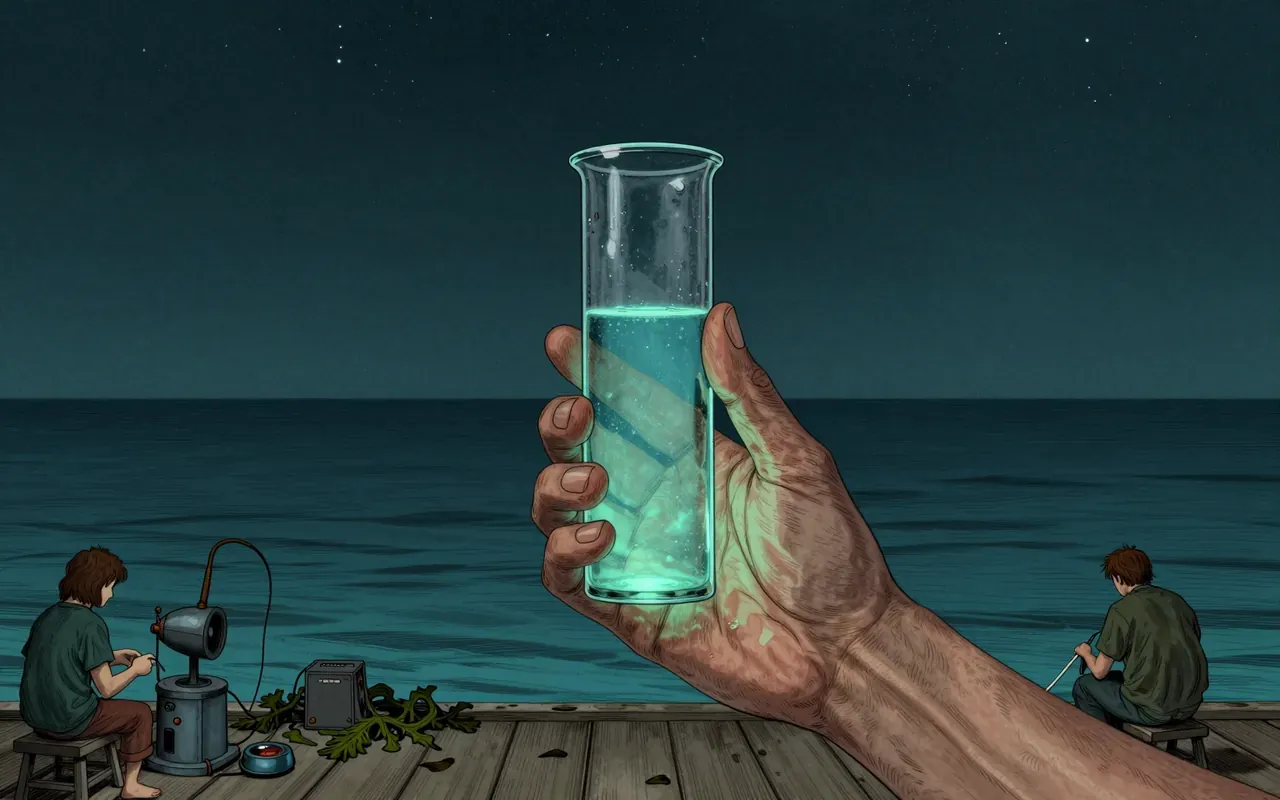
Bioluminescence

Light made by life isn’t magic — it’s chemistry that evolved 94 times, starting in corals half a billion years ago.
7:09

Phoneutria nigriventer

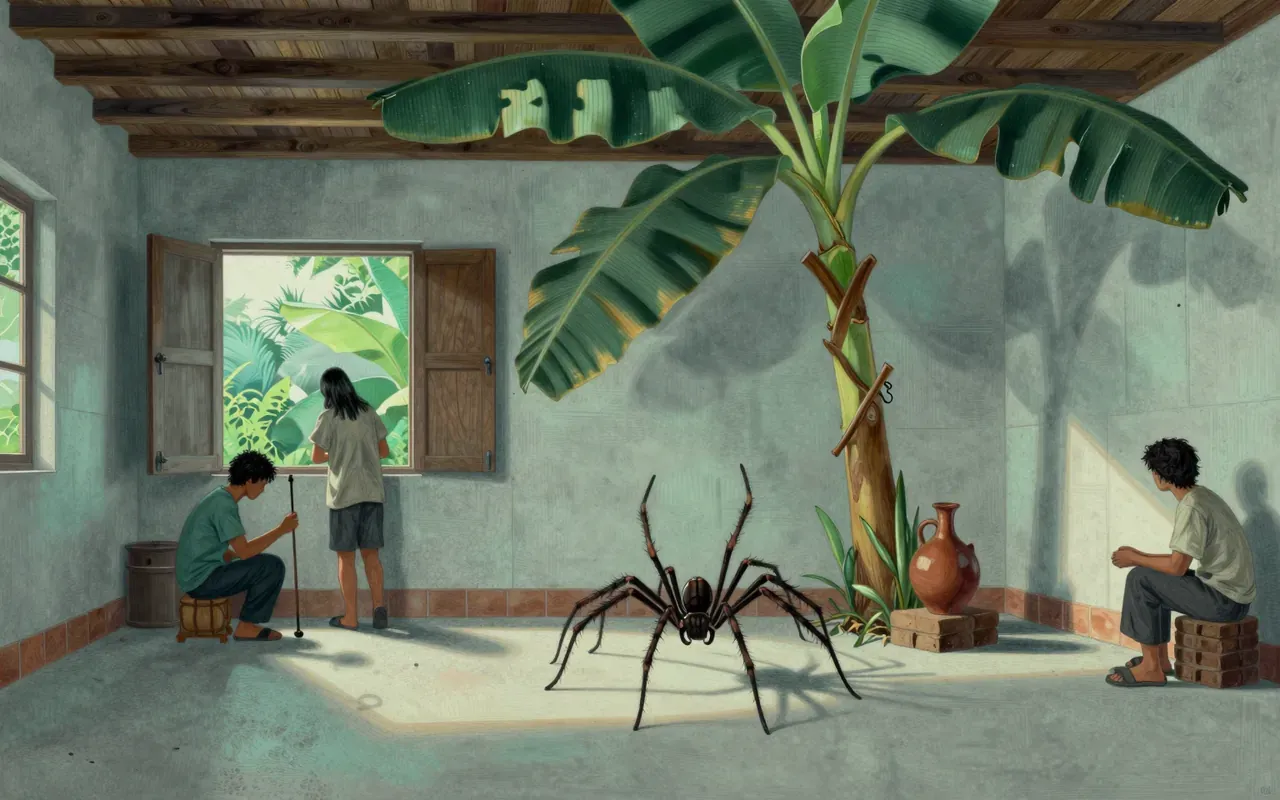
A spider that walks into your house, raises its front legs like a boxer, and injects neurotoxins that scramble your nervous system—no web required.
9:06

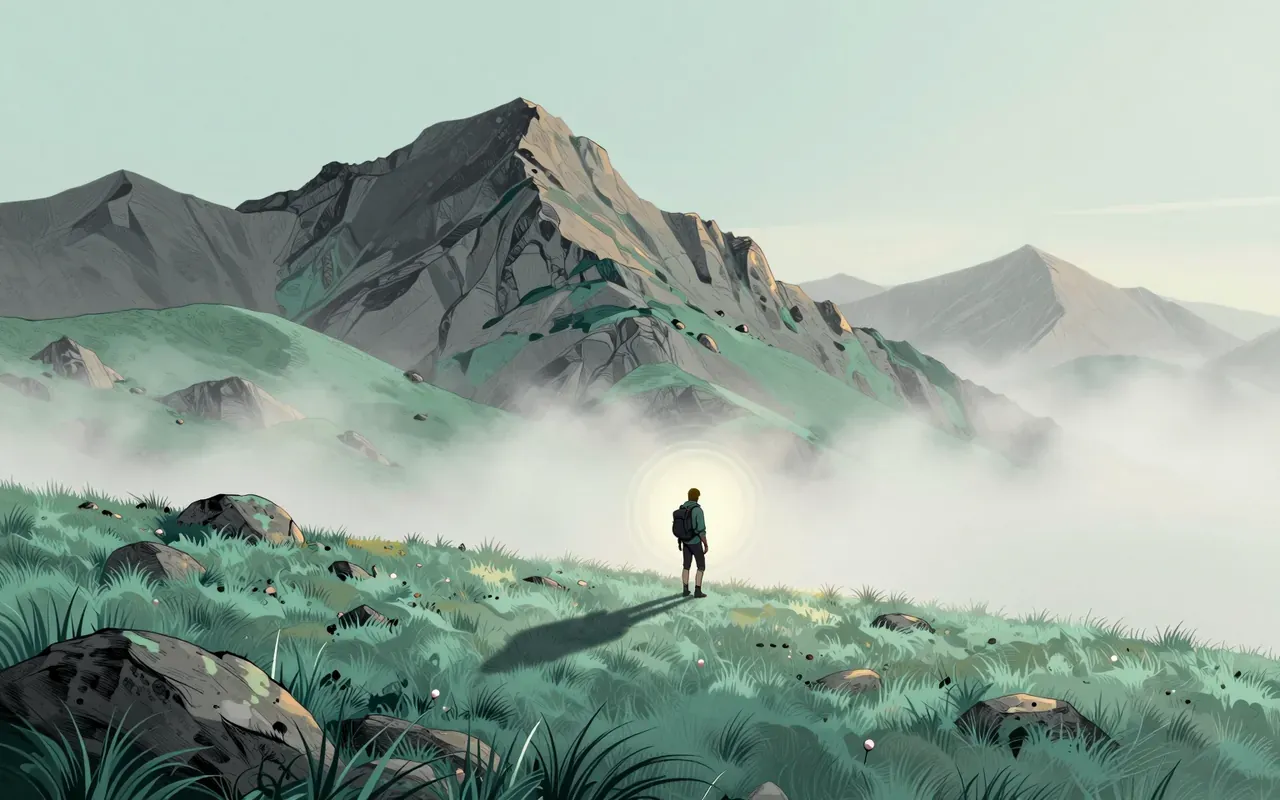
Brocken spectre

A shadow that lies about its own size — and tells the truth about how easily we misread the world.
7:46

Plant arithmetic

Plants don’t think — but they count, divide, and compute in real time, using only chemistry and timing.
9:54

Cappadocia

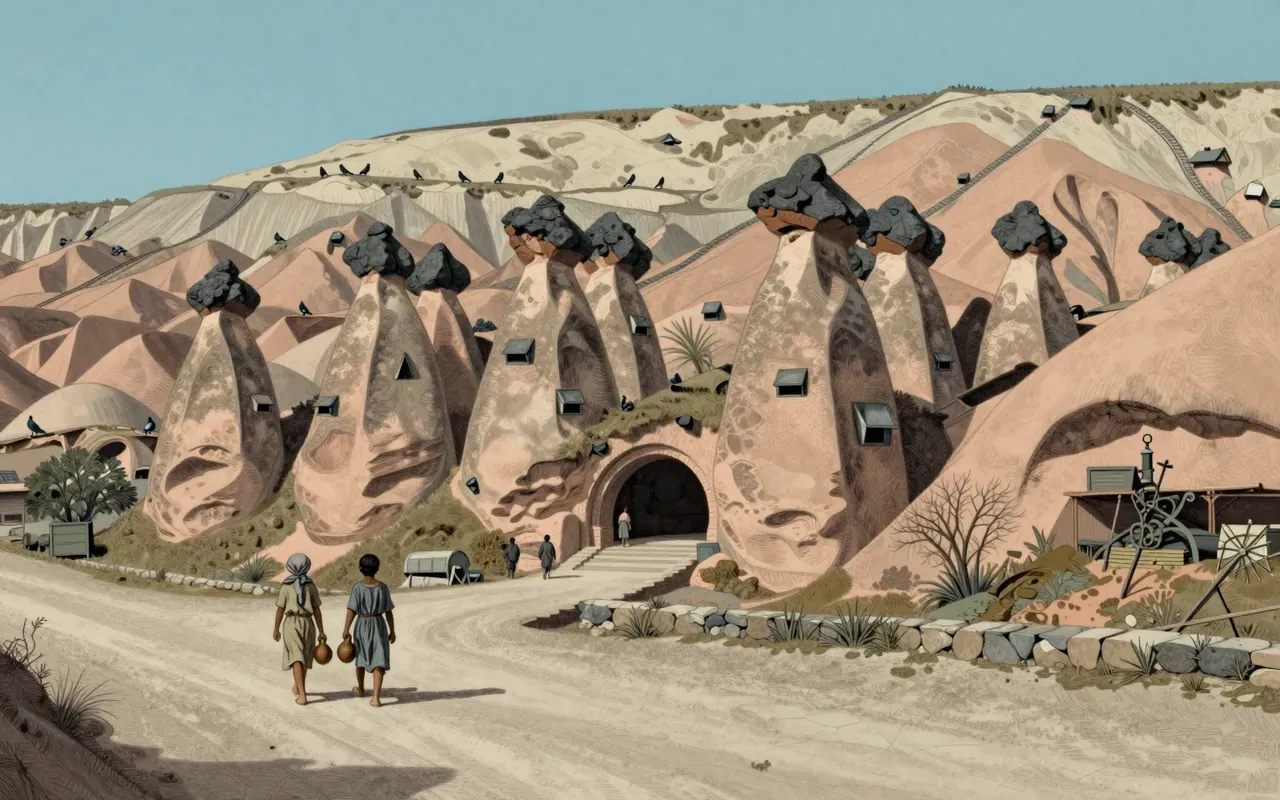
Cappadocia is not magic—it is Miocene ash, carved by wind and water, then occupied because it stood tall.
9:41

Cedrus libani

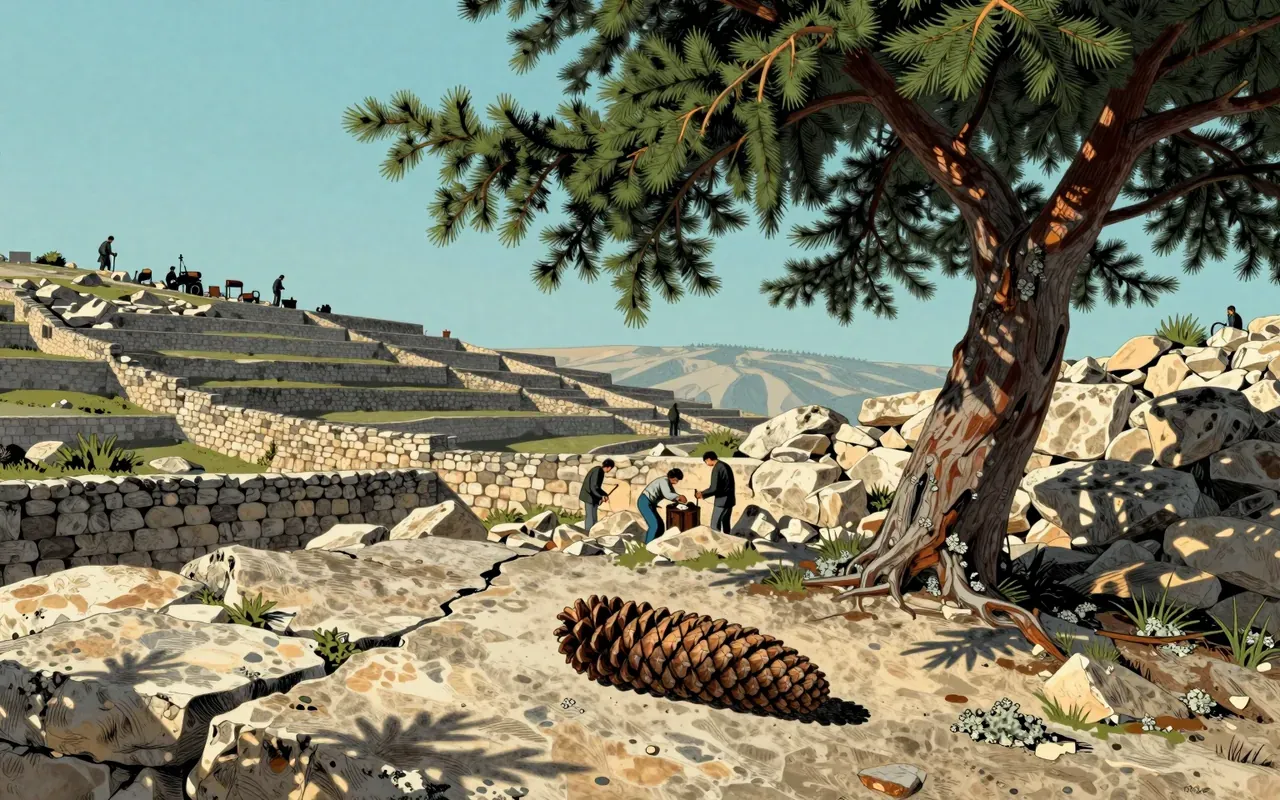
A cedar that waits decades to bear cones—and then only on mountains where summer dries and winter soaks.
10:42

Theobroma cacao

Cacao isn’t just chocolate’s source — it’s a glacial survivor, midge-dependent, and genetically anchored to a bean-shaped refuge no bigger than Ecuador.
9:10

Coffea arabica

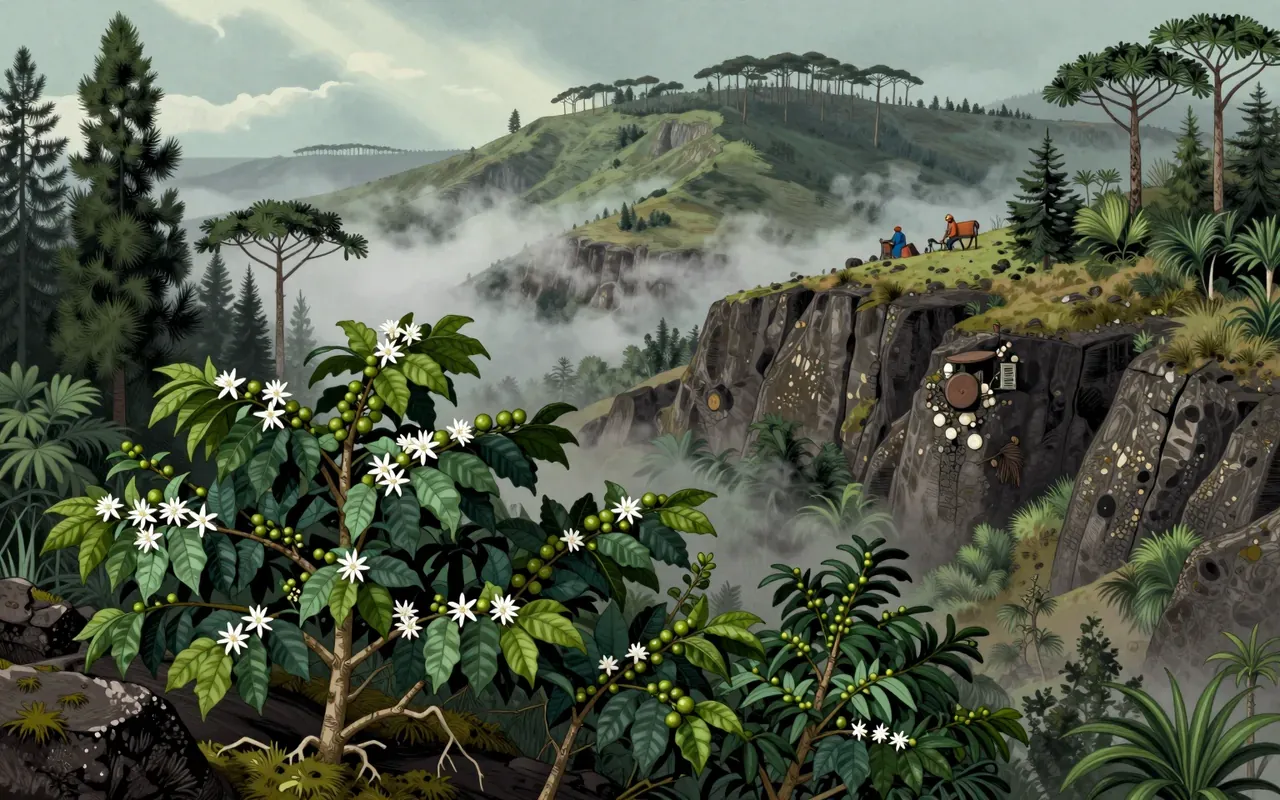
A 500,000-year-old hybrid that built a global industry — but cannot survive without its original forest.
10:30

Congolian rainforests

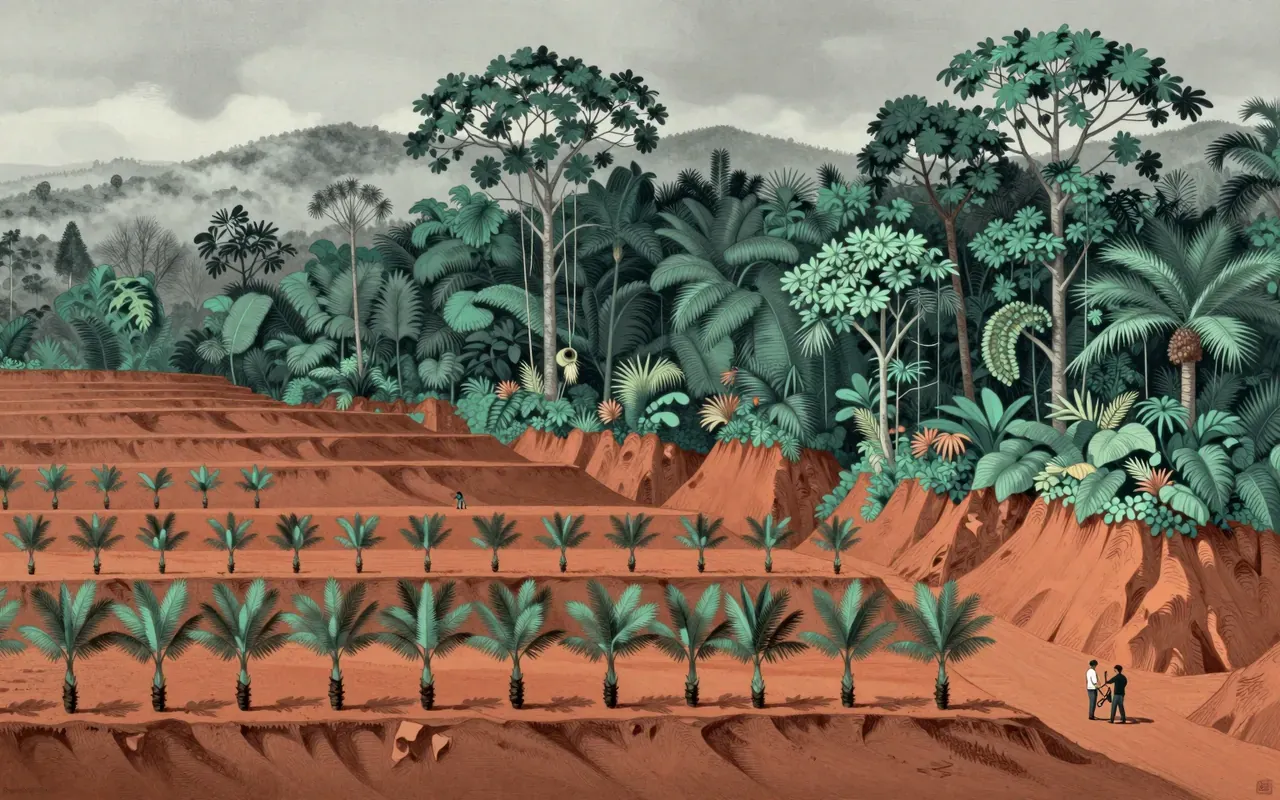
The world’s second-largest tropical forest isn’t just big—it’s the planet’s most underestimated carbon vault, now under accelerating assault.
10:34

Coral Triangle

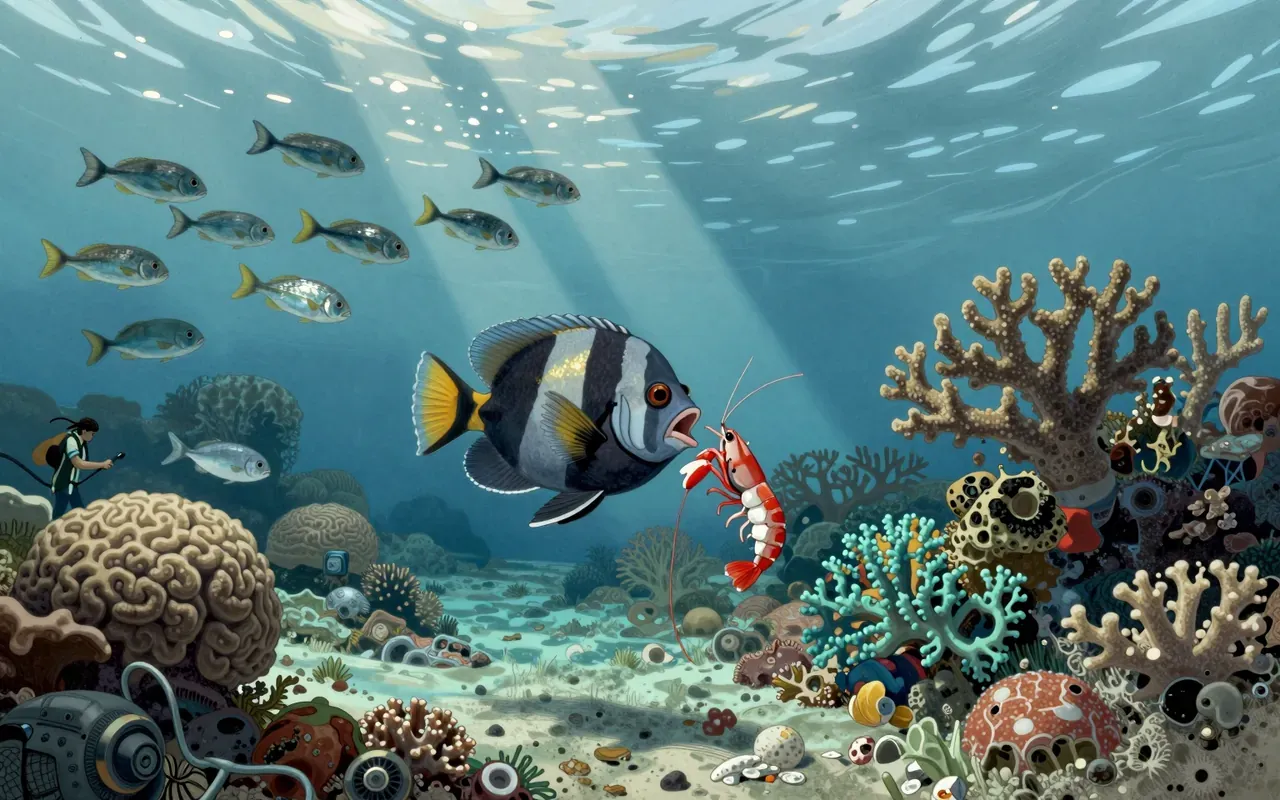
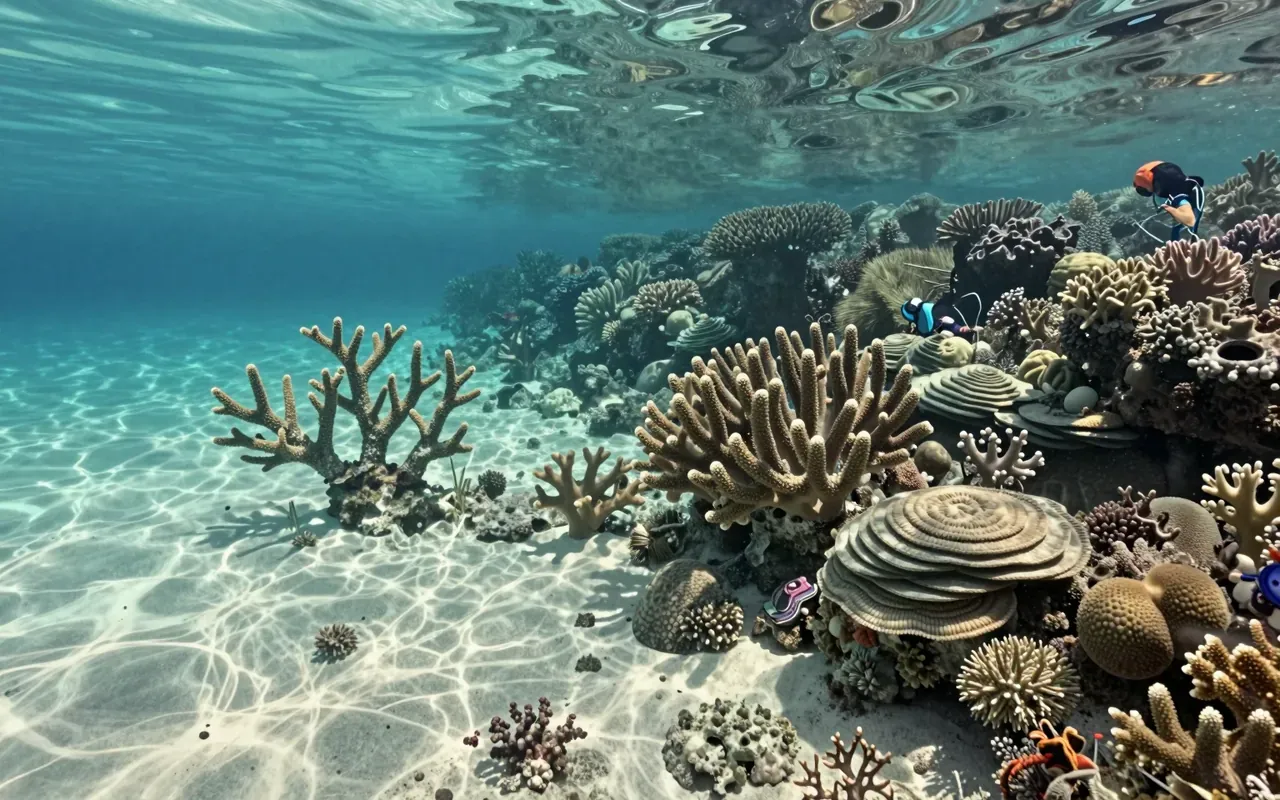
The Coral Triangle isn’t just rich—it’s the only place where 574 coral species pack into one seascape and feed 120 million people.
9:38

Hydrothermal vent

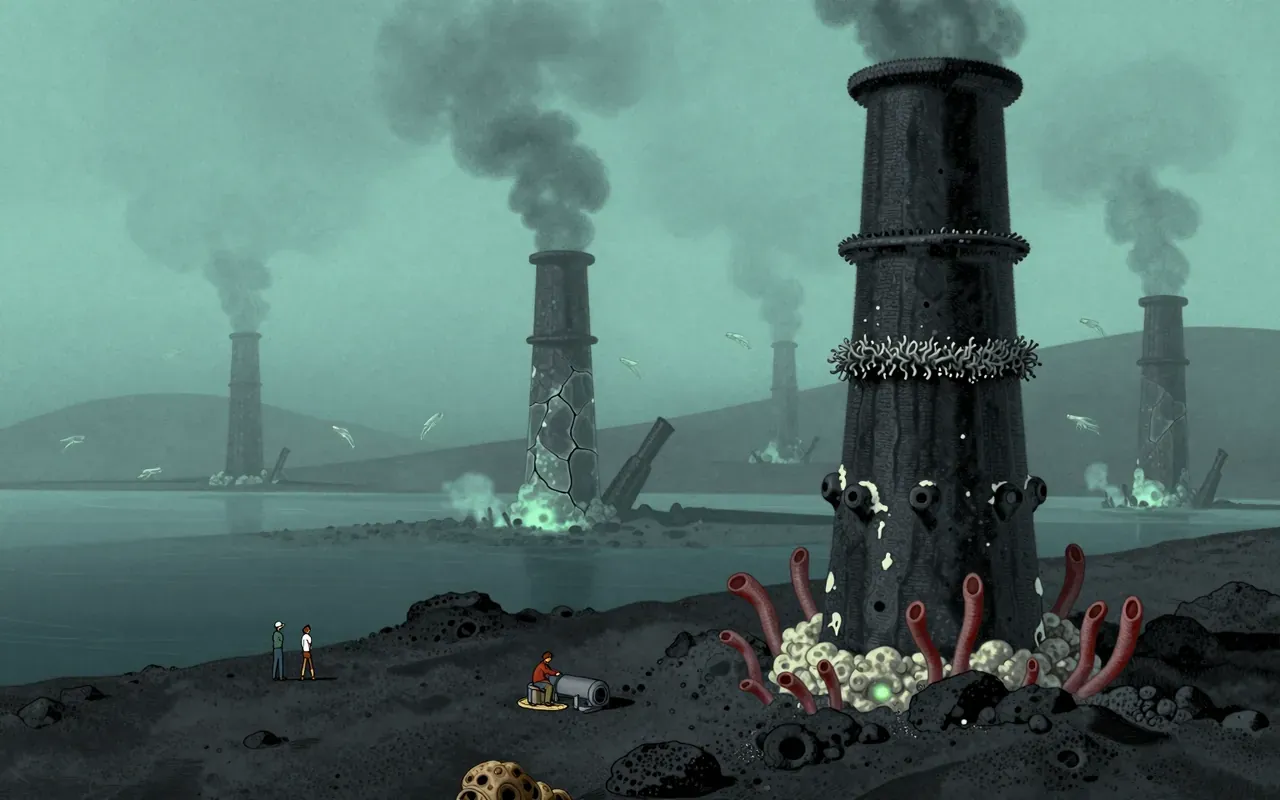
Life without sunlight isn’t science fiction — it’s boiling, mineral-rich water on the ocean floor.
8:44

Desert bloom

A desert does not bloom because it wants to—it blooms because El Niño drowns its drought.
8:27

Animal culture

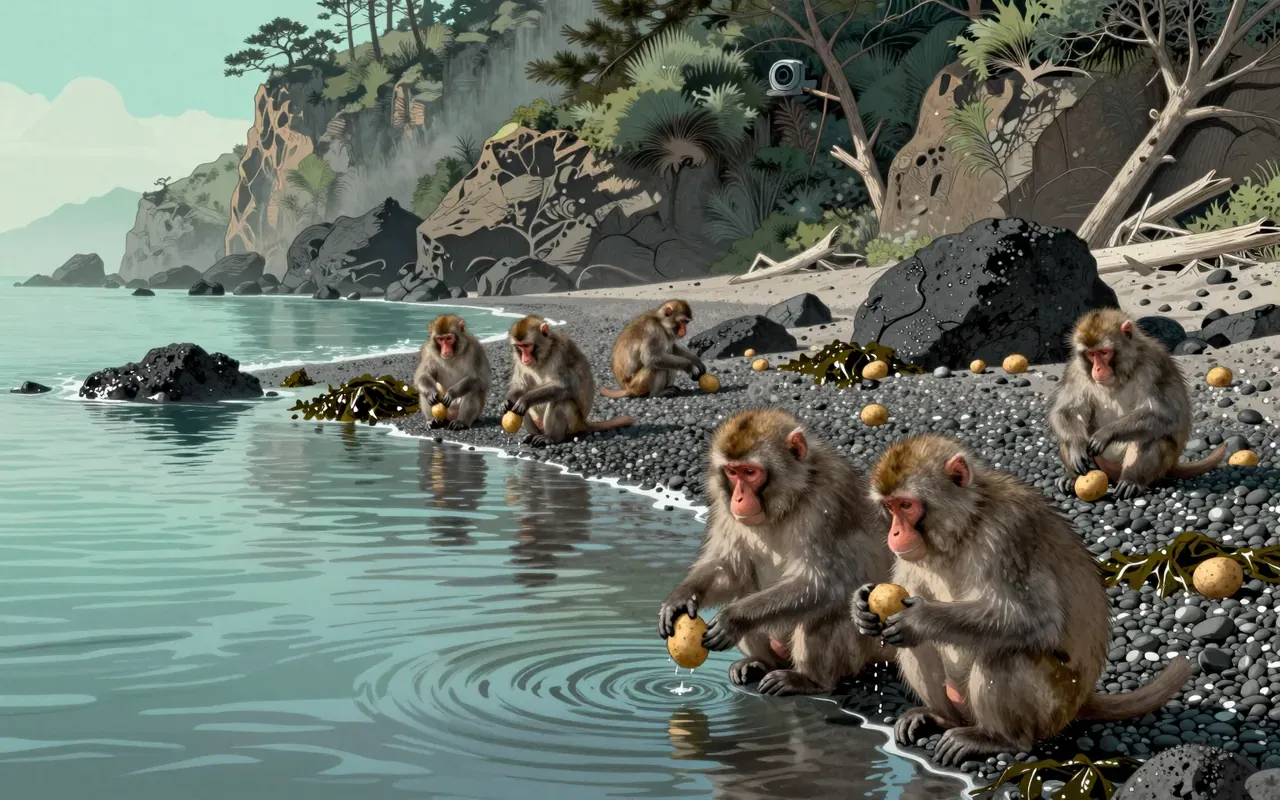
Culture is not human. It’s a transmission process — and animals run it too.
9:06

Dracaena cinnabari

A monocot that thickens like a tree—but gives no true rings, no easy age, and no second chance in a drying Socotra.
9:29

Dung beetle

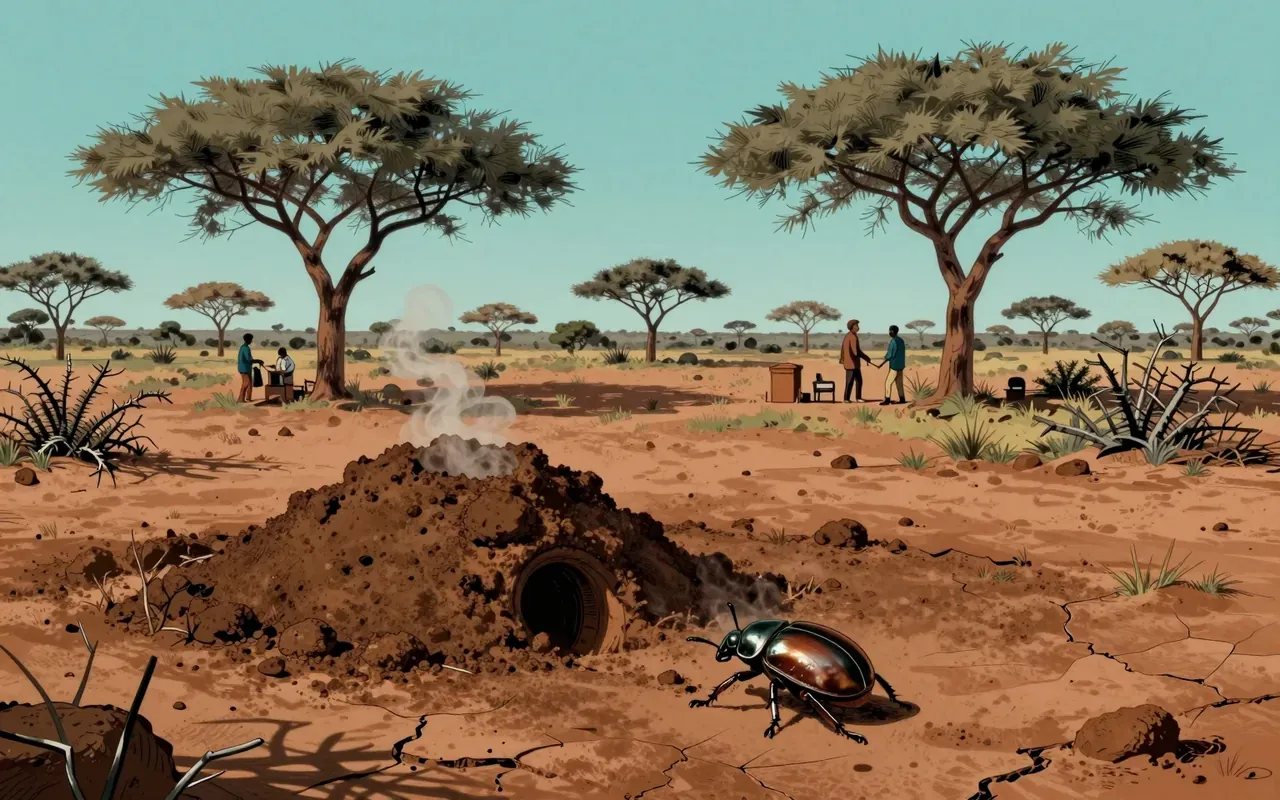
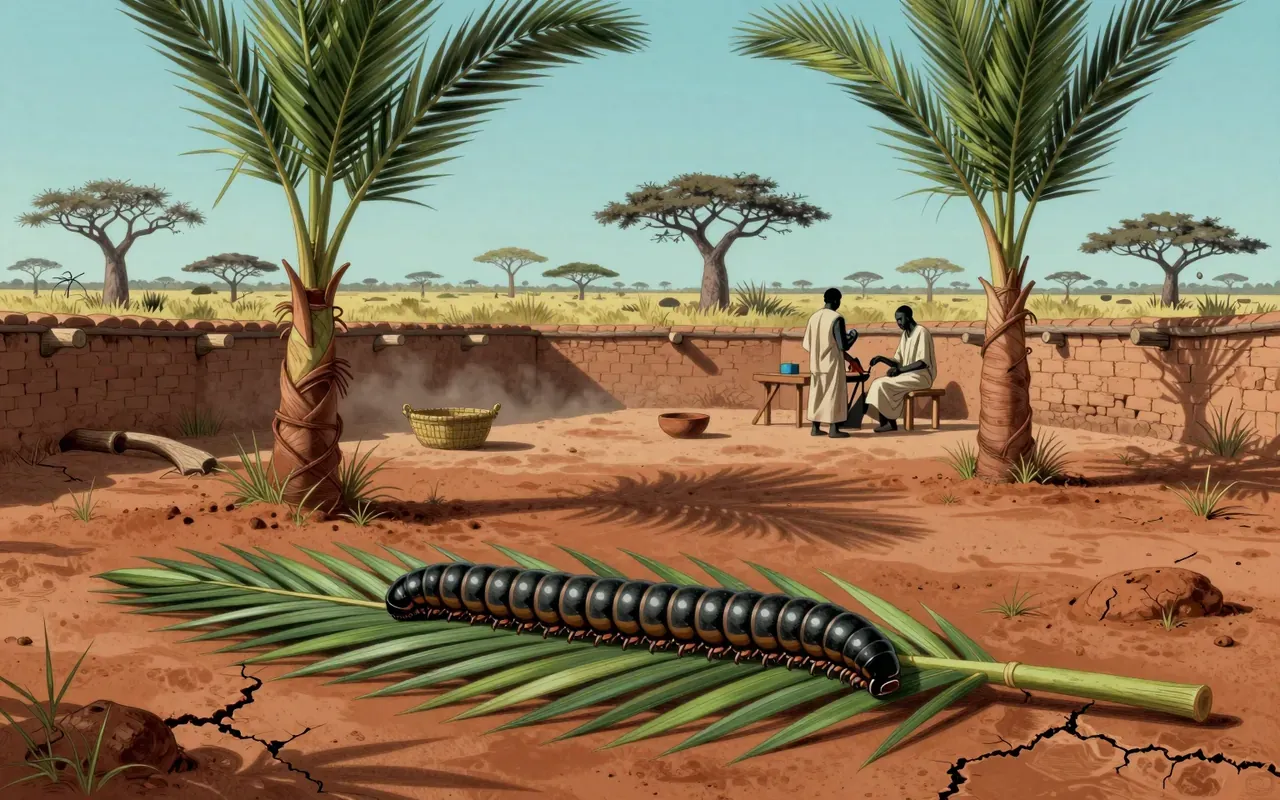
They are not a species—but they move the world’s dung, map the stars, and reshaped Egyptian cosmology.
9:41

Geastrum triplex

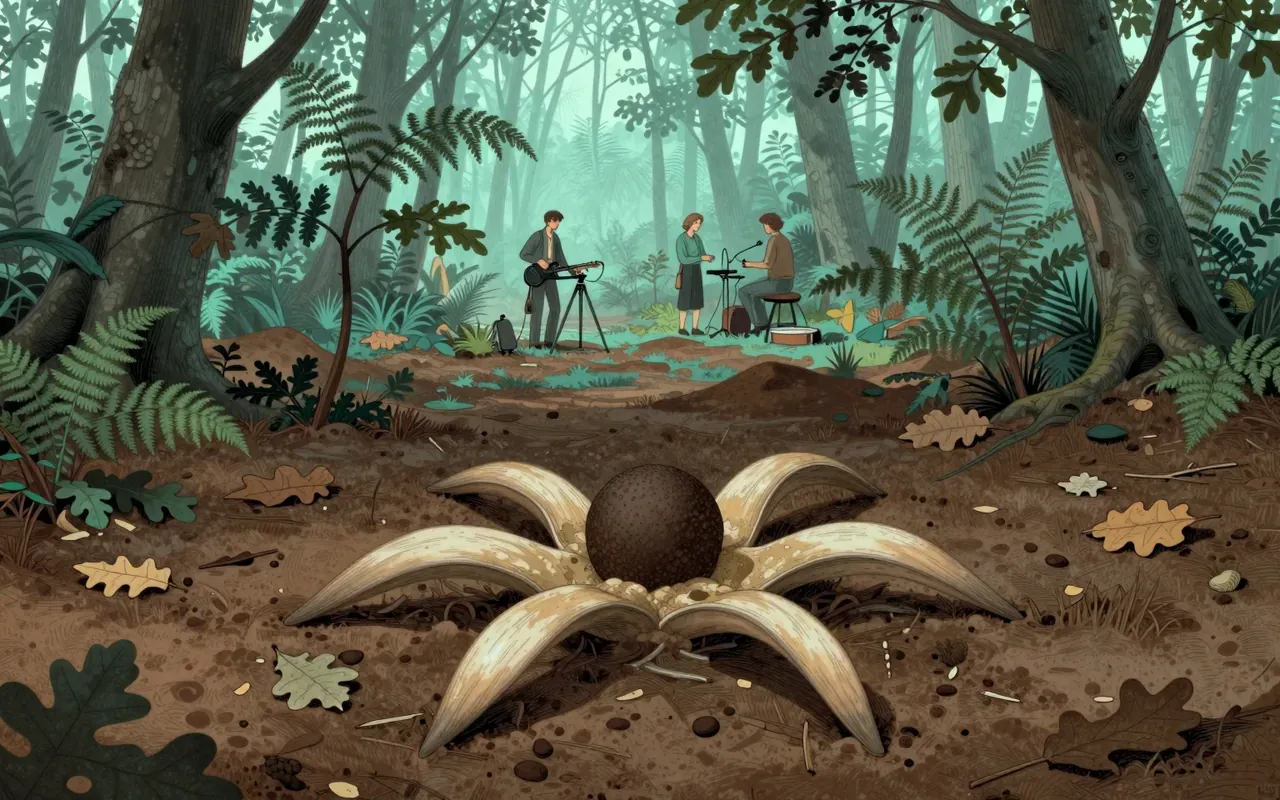
The largest earthstar doesn’t fold, flex or feed—it lifts, exposes, and stays put.
8:49

Scolopendra gigantea

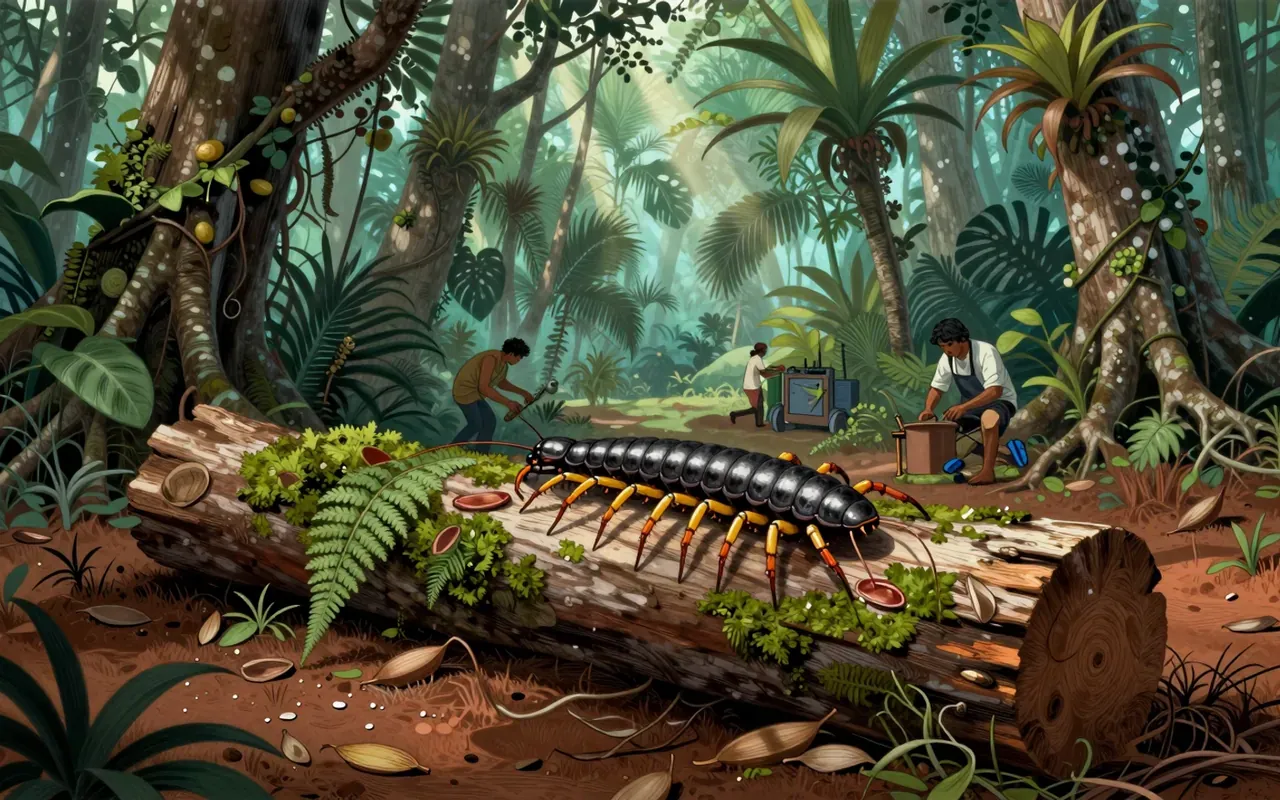
The world’s largest centipede climbs cave ceilings to snatch bats—and kills mice, lizards and snakes with venom linked to a human fatality.
8:53

Giant oceanic manta ray

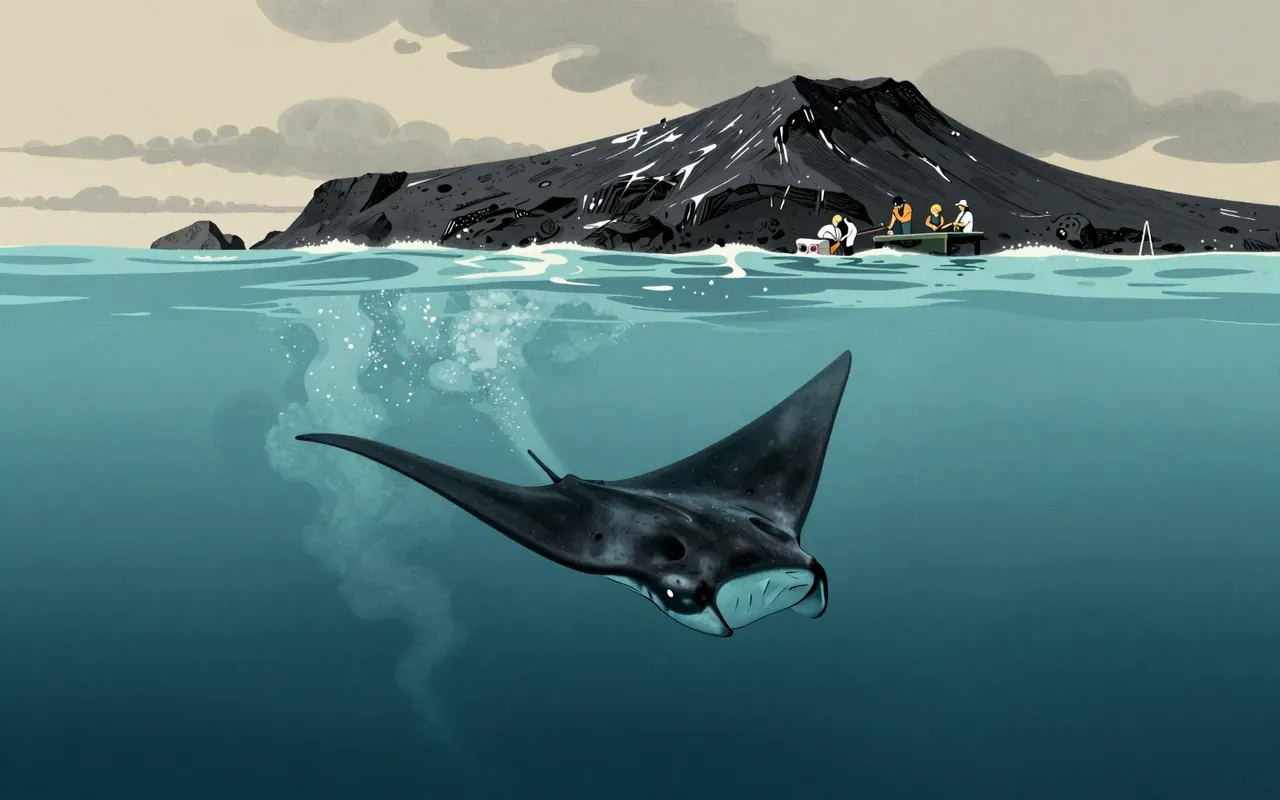
The ocean’s largest ray doesn’t live in reefs—it lives in the current, eats fish and plankton, and got its genus changed because DNA proved taxonomists were wrong.
8:34

Calvatia gigantea

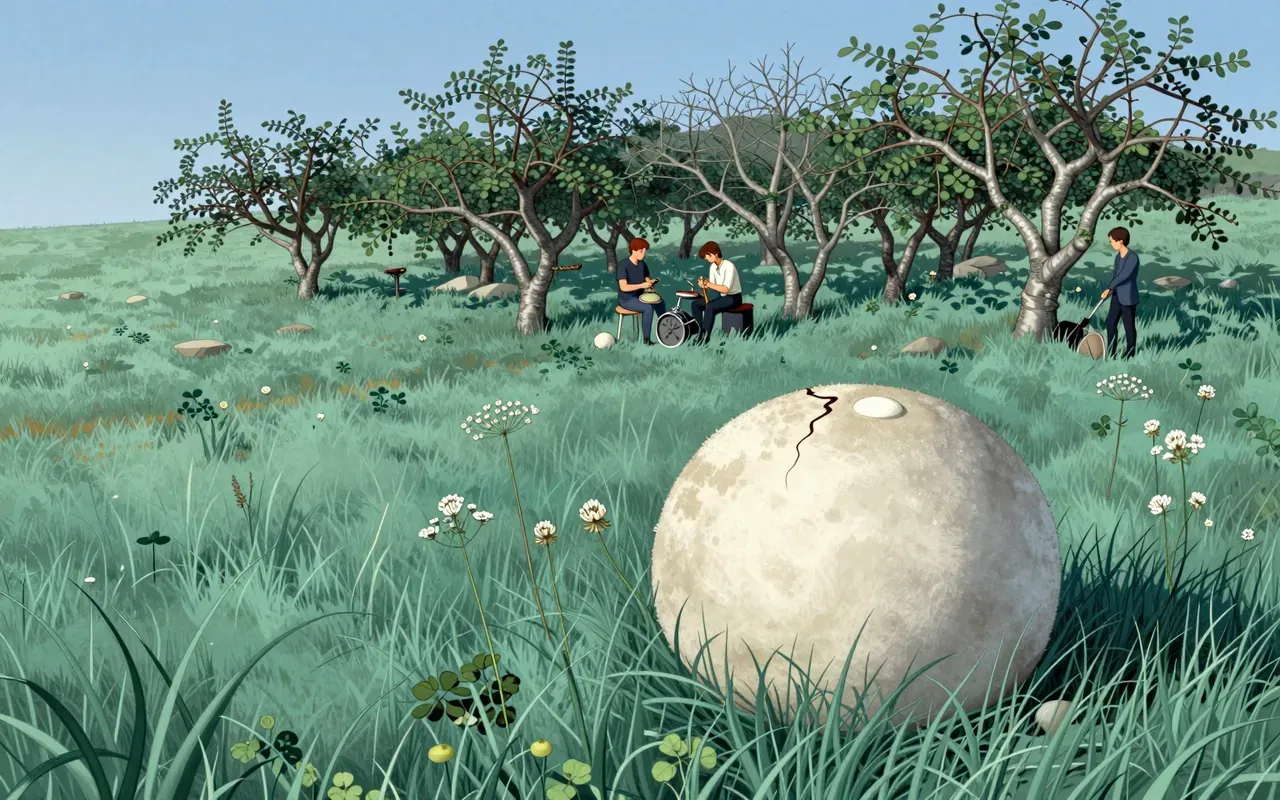
A puffball so big it redefined fungal taxonomy—and so fleeting it vanishes if you blink.
7:59

Armillaria mellea

A glowing killer that eats trees from the inside — and only shines when it’s actively killing.
10:44

Ice shove

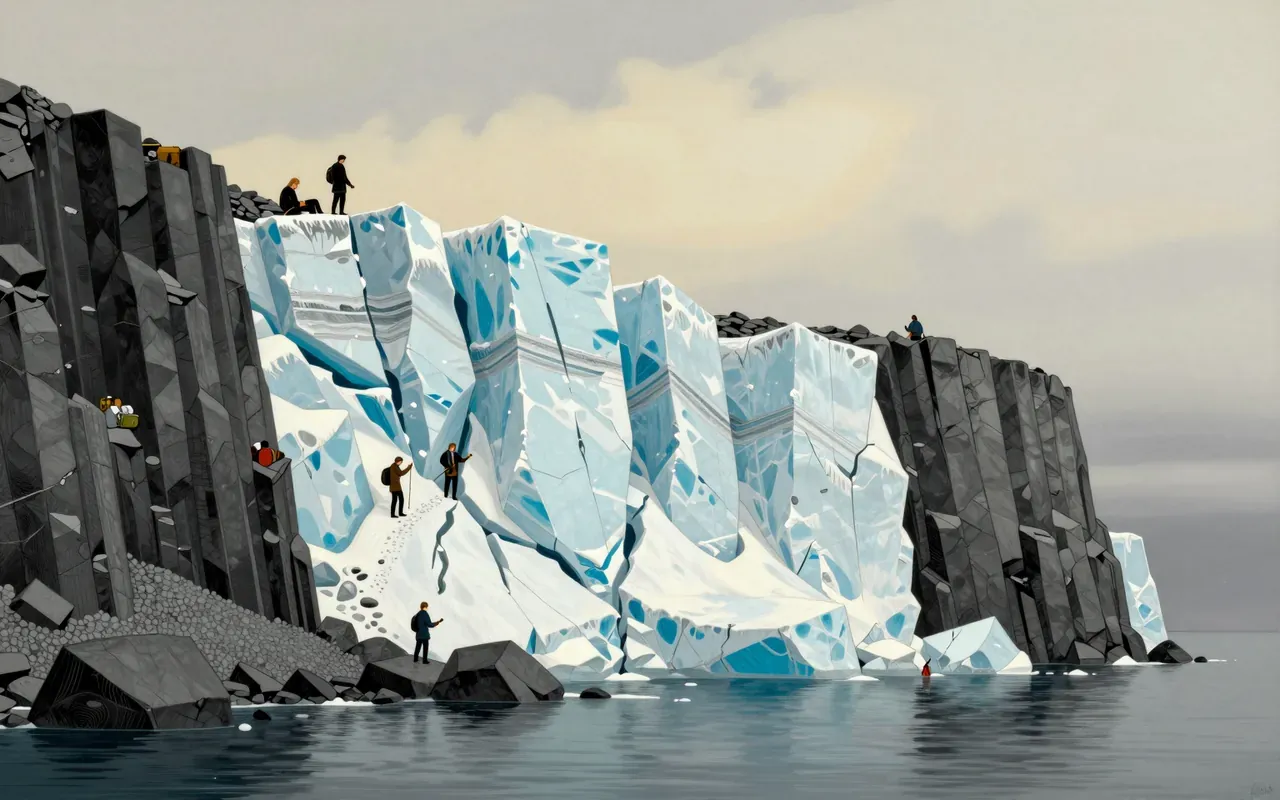
An ice shove is not weather—it’s the shore pushing back.
9:28

Yucca brevifolia

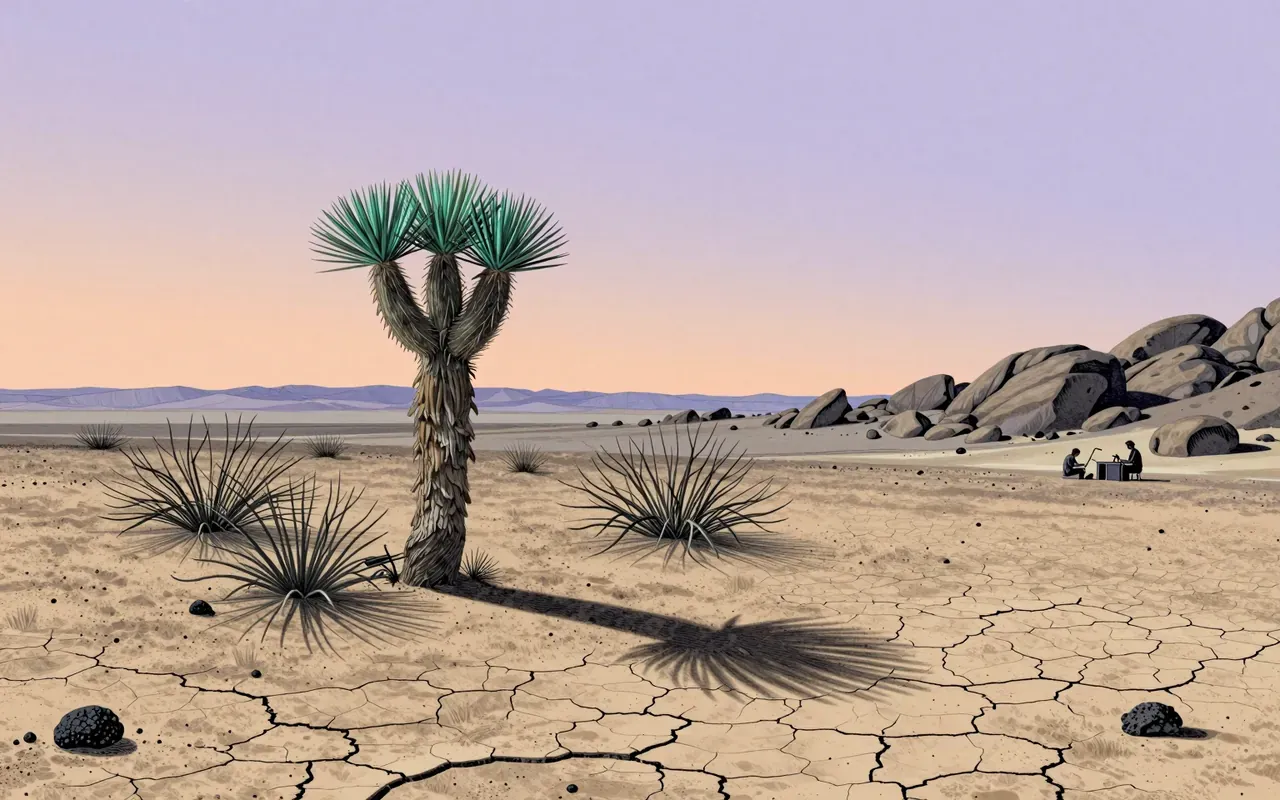
The Joshua tree doesn’t just live in the Mojave—it *is* the Mojave, down to its broken clocks and dead moths.
9:48

K2

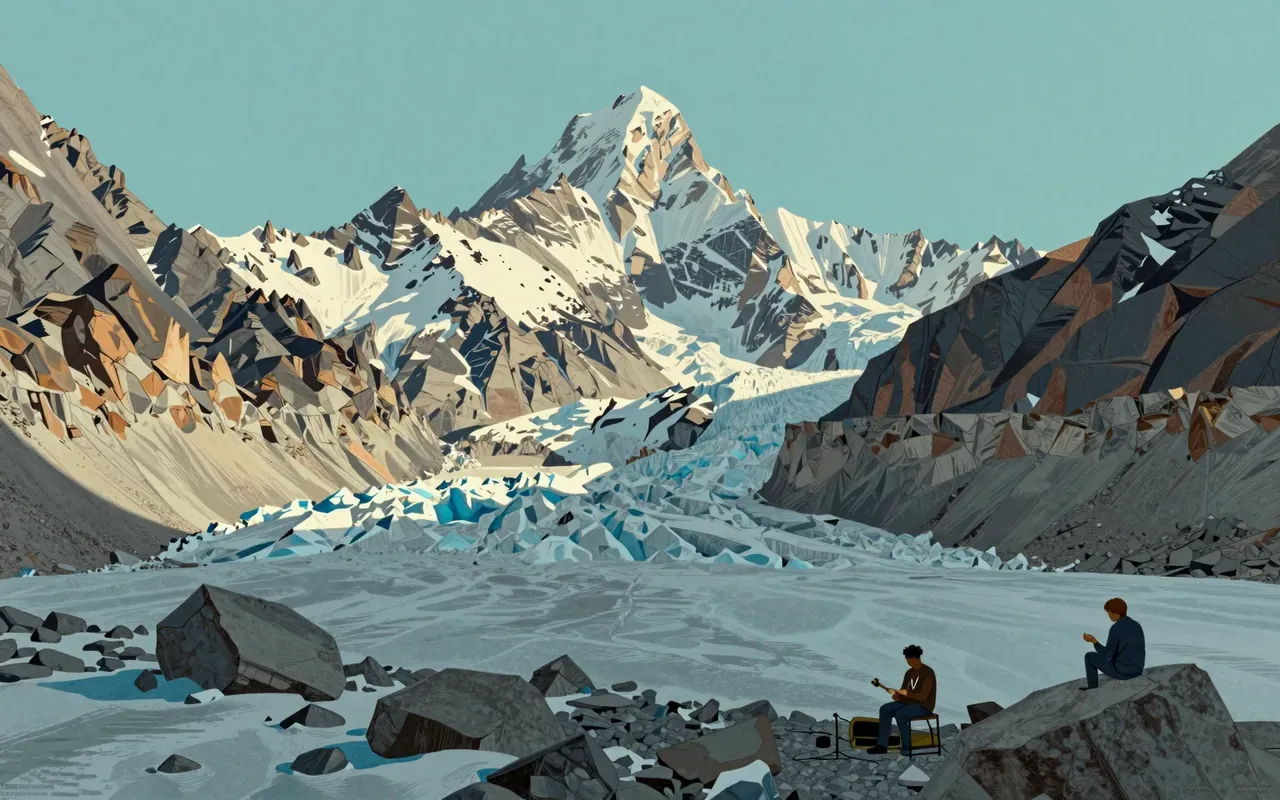
K2 is not a peak to visit — it’s a datum to verify, a face to resist, and a granite clock ticking from the Cretaceous.
9:45

Ceiba pentandra

A 60-metre bat-pollinated giant with roots that run 50 metres underground — and no business being called 'introduced' to Africa.
9:57

Kiwi (bird)

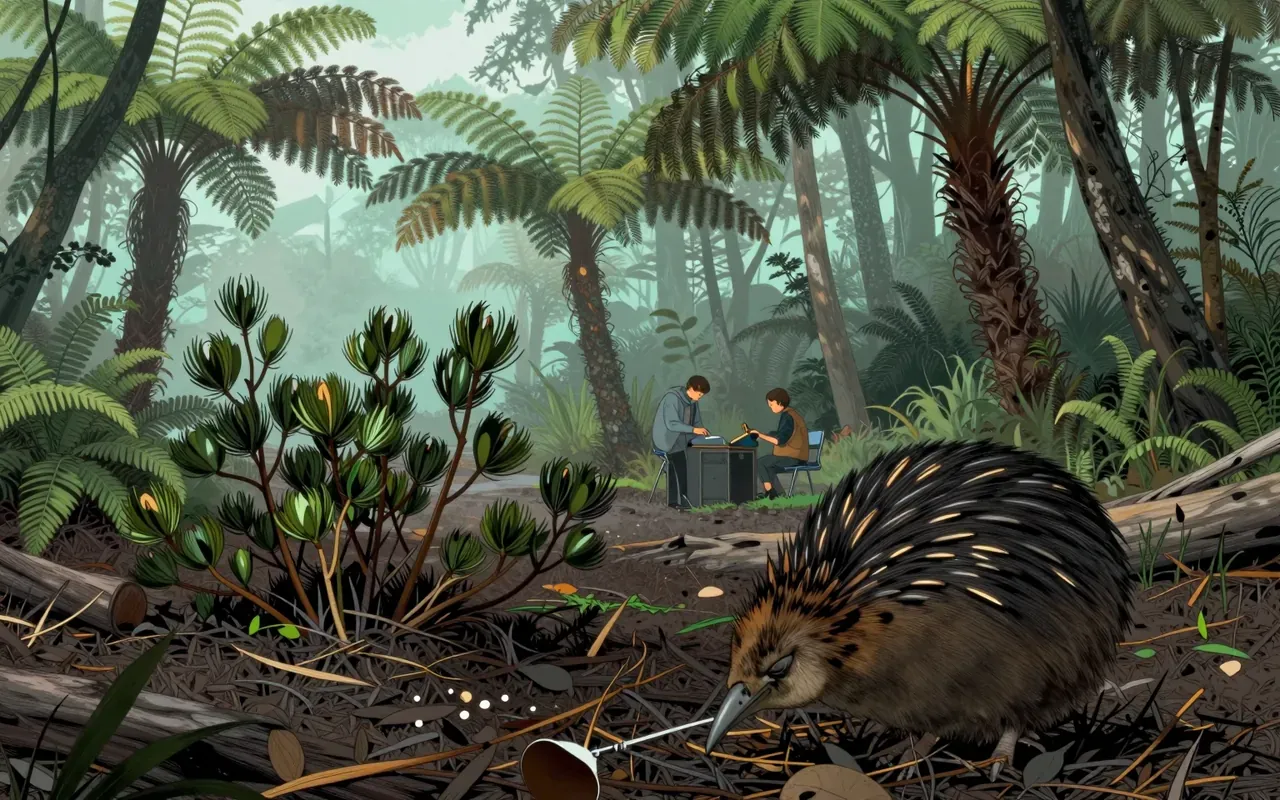
A nocturnal, scent-hunting relic that defies ratite orthodoxy — and survives only where humans keep its predators locked out.
9:10

Lava lake

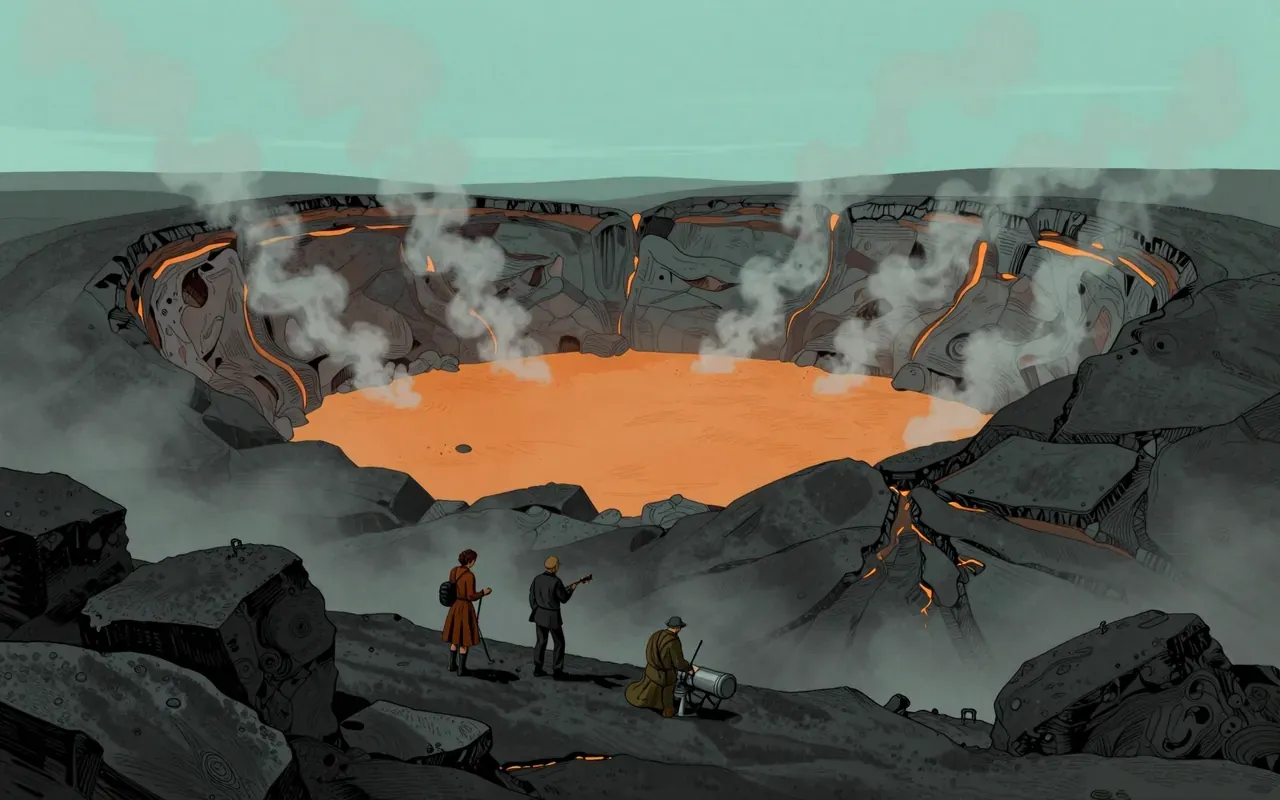
A lava lake is planetary plumbing made visible—unstable, revealing, and never under human control.
9:08

Hericium erinaceus

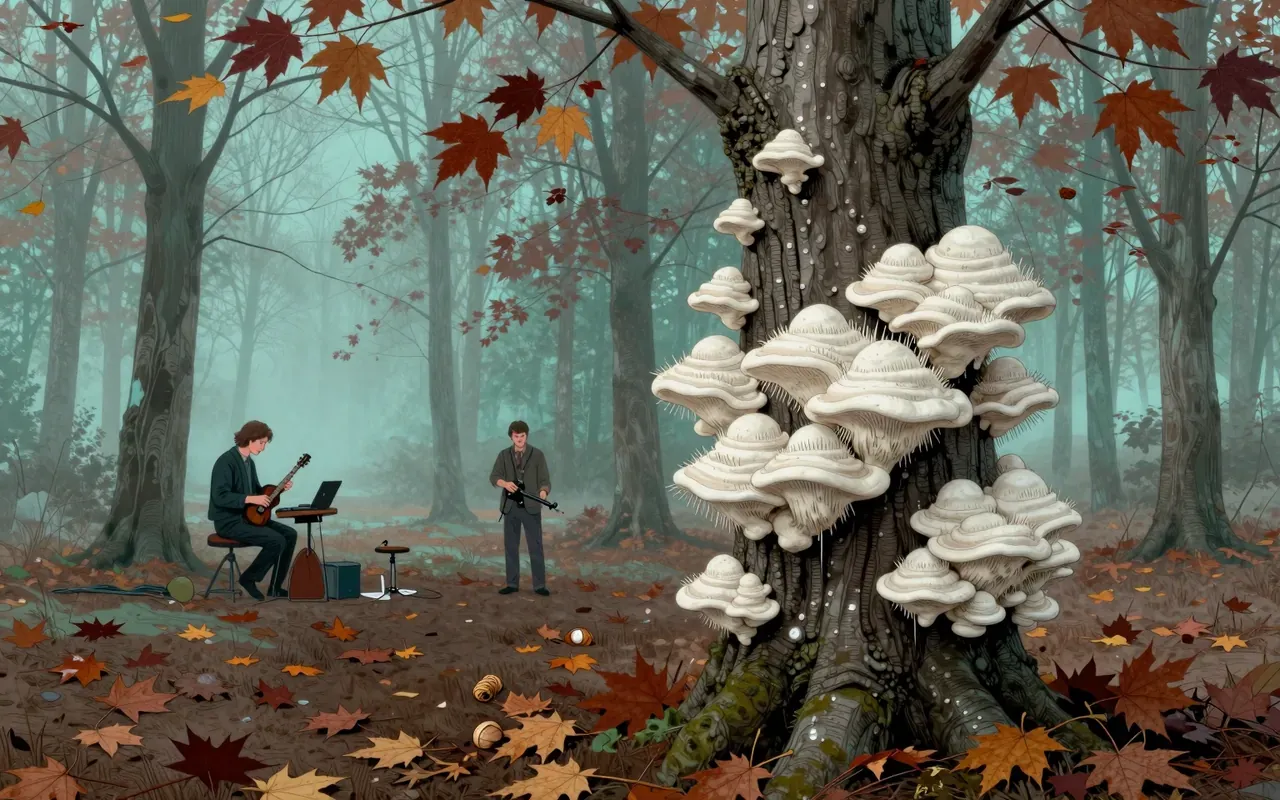
A fungus that fruits for two decades on one log—but whose medicine remains myth, not molecule.
All 445 briefs →
Browse the habitats

445 species, 2 habitats.

Every habitat carries the hue of this subject, so a brief says where it belongs before you read the title.