What the species is and where it came from
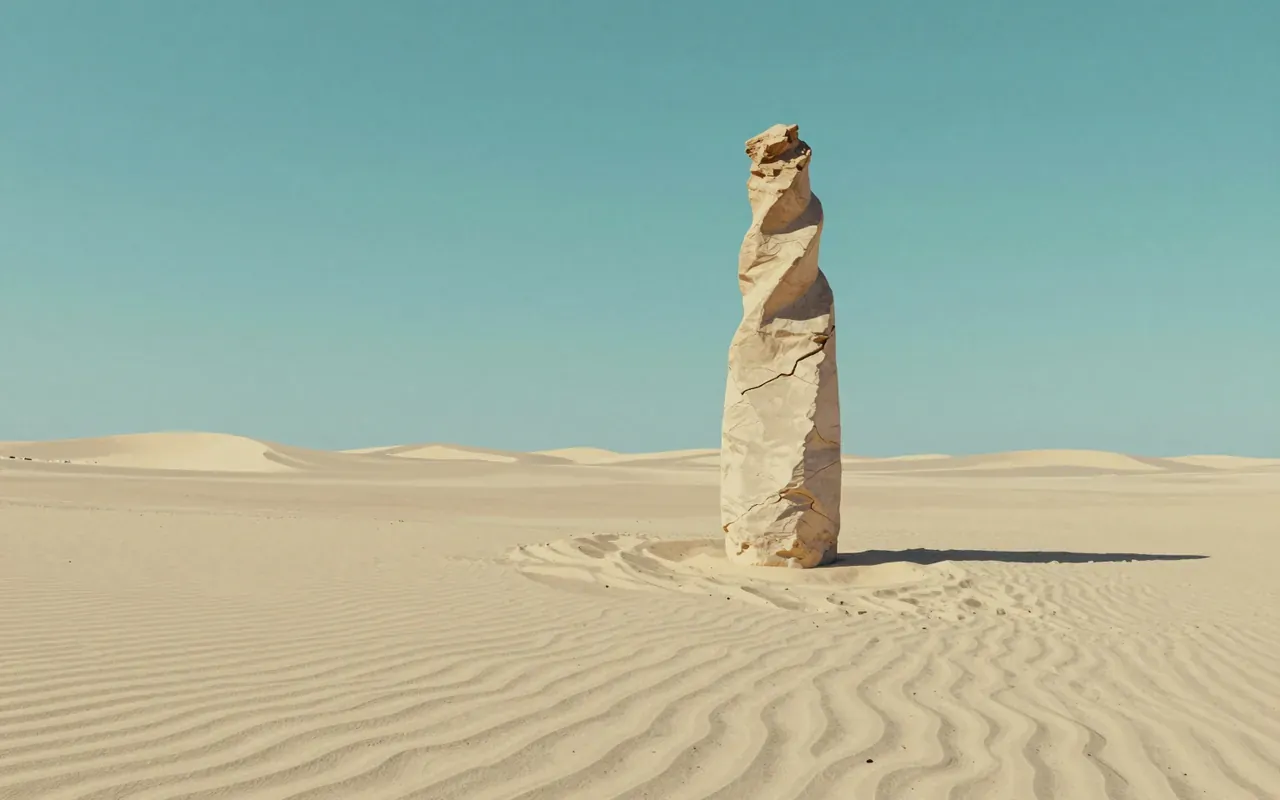
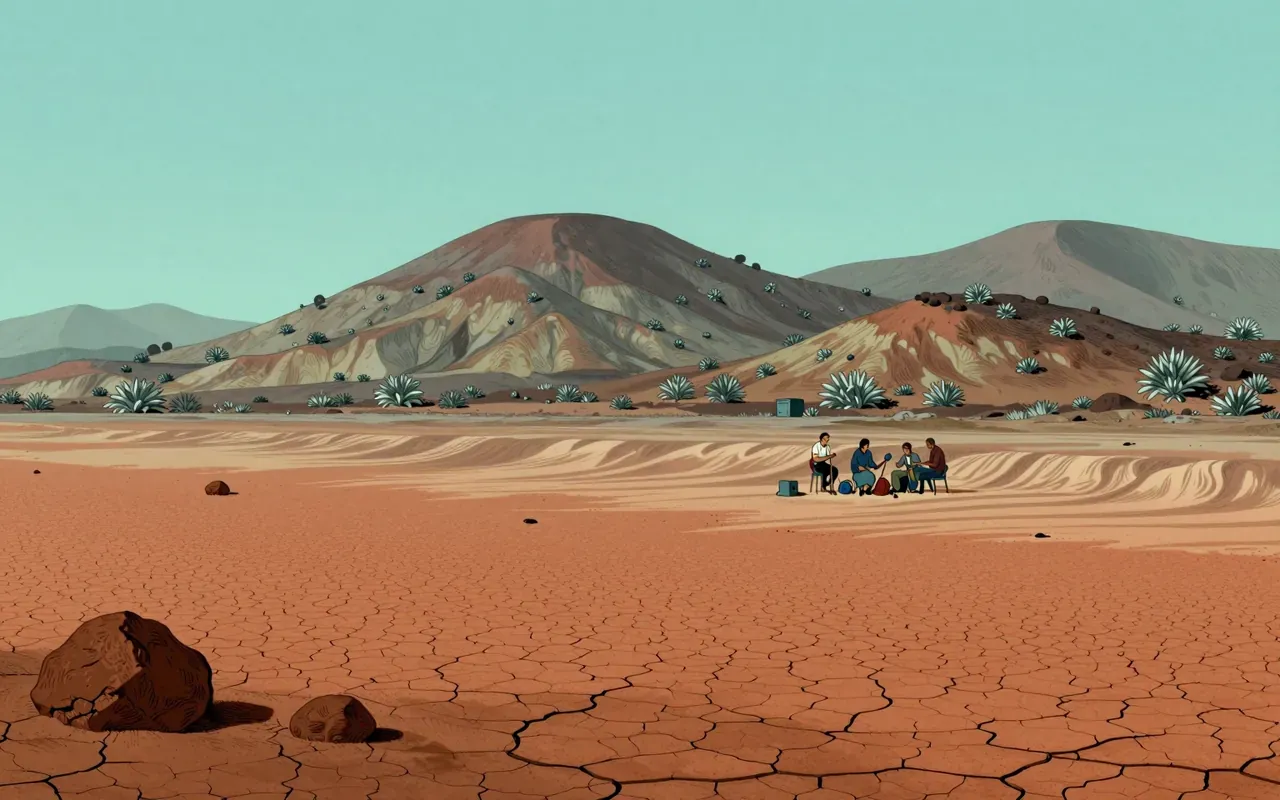
The Atacama Desert is a cold desert biome in northern Chile, bounded by the Andes and Chilean Coast Range, defined by extreme aridity from a two-sided rain shadow.
How it works, in terms someone would actually use
The Atacama Desert works as a terrestrial stand-in for Mars: its hyper-arid soils, tested at Yungay and María Elena South, fail Viking lander life-detection protocols and host microbial life so unfamiliar it forms a ‘dark microbiome’.
What it gets right
It gets aridity right: Yungay is widely cited as the driest place on Earth; María Elena South is drier still. It gets Mars simulation right: NASA uses the region precisely because no other non-polar site matches its dryness and soil chemistry.
What it does not
It does not support visible flora or fauna. It does not receive measurable rainfall across large swathes. It does not host known multicellular life in its hyper-arid core.
What it changed
It changed how we test for extraterrestrial life: by proving Earth’s driest soils yield negative Viking results, it validated those tests as stringent—and revealed their limits when confronted with unclassifiable microbes.
Who it is for, and who it is not
It is for planetary scientists, astrobiologists, and instrument engineers. It is not for ecologists studying food webs, botanists seeking plants, or conservationists tracking population trends.
Is it worth your time
Yes—if you need to test an instrument for Mars, or study life at the absolute limit of desiccation. No—if you are looking for biodiversity, rainfall, or ecological complexity.