naturebriefs
9:20in productionCh. 1 · A Second Agency/ 9:20 · ceiling 15 min
Evolution

Sexual selection

Sexual selection is not romance — it’s arithmetic with feathers, antlers, and adrenaline.

Sexual selection is not a theory about desire — it is a documented mechanism producing measurable outcomes: differential reproduction, dimorphism, and runaway trait evolution. It applies wherever mate choice or same-sex competition occurs. It does not require intention, aesthetics, or culture. It is observable, testable, and taxonomically widespread.

Chapters & takeaways6
  1. 1:09
    A Second Agency

    Darwin named it a 'second agency' — separate from natural selection, but just as powerful.

  2. 1:54
    Two Mechanisms, Not One

    It runs on two rails: choosing mates and fighting rivals — no third way.

  3. 3:06
    Ornament Over Utility

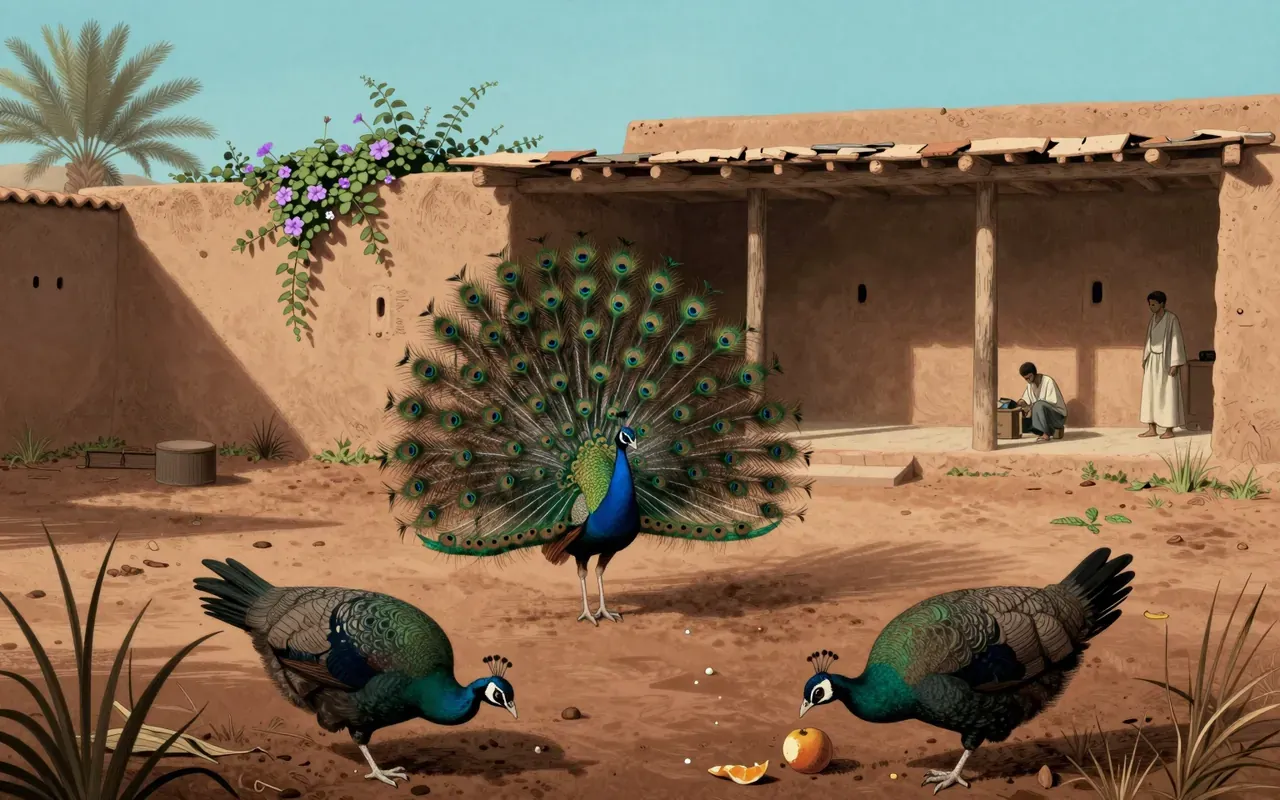
    It builds dimorphism — peafowl tails, deer antlers — not for survival, but for mating leverage.

  4. 4:04
    Runaway Feedback

    Fisherian runaway is self-amplifying: preference and trait co-inherit and escalate.

  5. 4:58
    Role Reversal Is Real

    Sex roles flip — females can compete, males can be choosy — depending on the species.

  6. 6:24
    Success Has Two Strategies

    Males gain by mating often; females gain by choosing well — both strategies maximise reproductive return.

Worth your time?

Yes. See the whole thing.

4.5/ 5
What works
  • explains dimorphism in peafowl and deer
  • accounts for role reversal across species
  • describes Fisherian runaway with empirical support
  • links mate choice directly to reproductive success
What does not
  • explain non-reproductive traits
  • predict population trends
  • assign moral value to behaviour
  • describe conservation status
See it if
  • biologists
  • ecologists
  • field naturalists
Skip it if
  • conservation managers
  • ethicists
  • policy makers
The written brief1 min read

What the species is and where it came from

Sexual selection is an evolutionary mechanism first articulated by Charles Darwin as a ‘second agency’ distinct from natural selection. It operates across animals, plants, and fungi.

How it works, in terms someone would actually use

Sexual selection works through two clear channels: one sex chooses mates (intersexual selection); members of the same sex fight or display to gain access (intrasexual selection).

What it gets right

It correctly links differential reproductive success to mate choice and competition. It accounts for sexual dimorphism in ornate plumage, antlers, and other secondary sexual characteristics. It accommodates role reversal where females compete and males choose.

What it does not

It does not explain non-reproductive traits, population-level declines, or ecological niche shifts unless directly tied to mating success. It says nothing about lifespan, clutch size, or conservation status.

What it changed

It changed evolutionary biology by introducing a second agency alongside natural selection — one that can drive speciation, extinction, and extreme trait exaggeration, even against survival interests.

Who it is for, and who it is not

It is for biologists, ecologists, and curious observers who see asymmetry in nature and want a causal explanation. It is not for those seeking moral frameworks, behavioural prescriptions, or population management tools.

Is it worth your time

Yes — if you are trying to understand why peacocks have eyespots, why deer grow antlers, or why some frogs call all night. It explains real, observable traits and behaviours across eukaryotes.
Same habitat · Evolution4 of 75
9:40
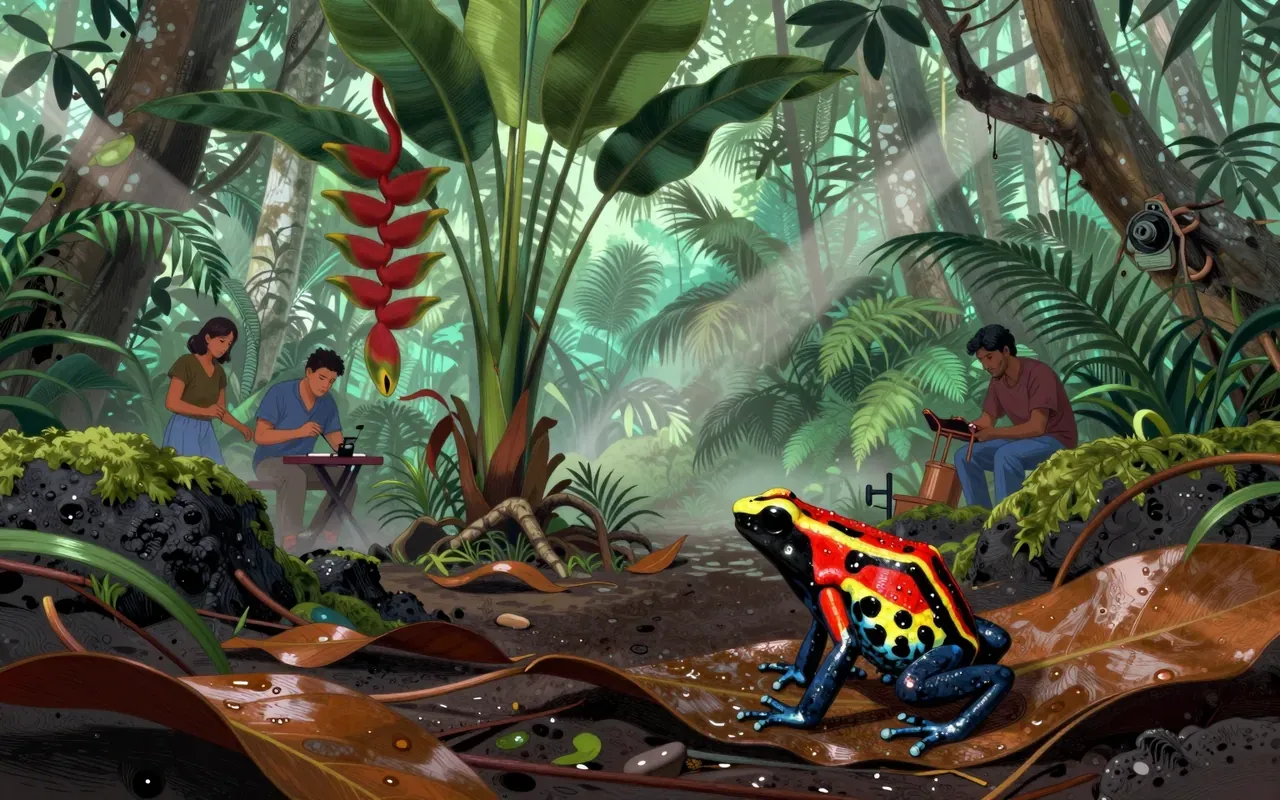
AposematismAposematism is a functional, empirically tested strategy — not metaphor, not speculation. It is defined by honesty, observability, and consequence.
9:44
Attacus atlasAttacus atlas is a large, non-feeding, short-lived saturniid moth endemic to Asian forests. Its most distinctive trait is a defensive wing movement mimicking a snake’s head. Verified claims cover taxonomy, morphology, development stages, diet and habitat—but nothing about conservation impact, longevity beyond 1–2 weeks, or ecological function beyond predation avoidance.
8:10
AdansoniaAdansonia is a genus of eight deciduous trees native to Africa, Australia and Madagascar, with genomic evidence pointing to a Madagascan origin. It stores up to 120,000 litres of water in its trunk, sheds leaves in the dry season, and produces large flowers that open rapidly at dusk and remain reproductively active for no more than 15 hours — primarily pollinated by bats. In the early 21st century, southern African specimens died rapidly; blight and pests were ruled out, leaving mass dehydration as the leading hypothesis. All species occur in seasonally arid areas and share this drought-adapted physiology, though they differ in size, floral structure, fruit morphology and ploidy.
9:38
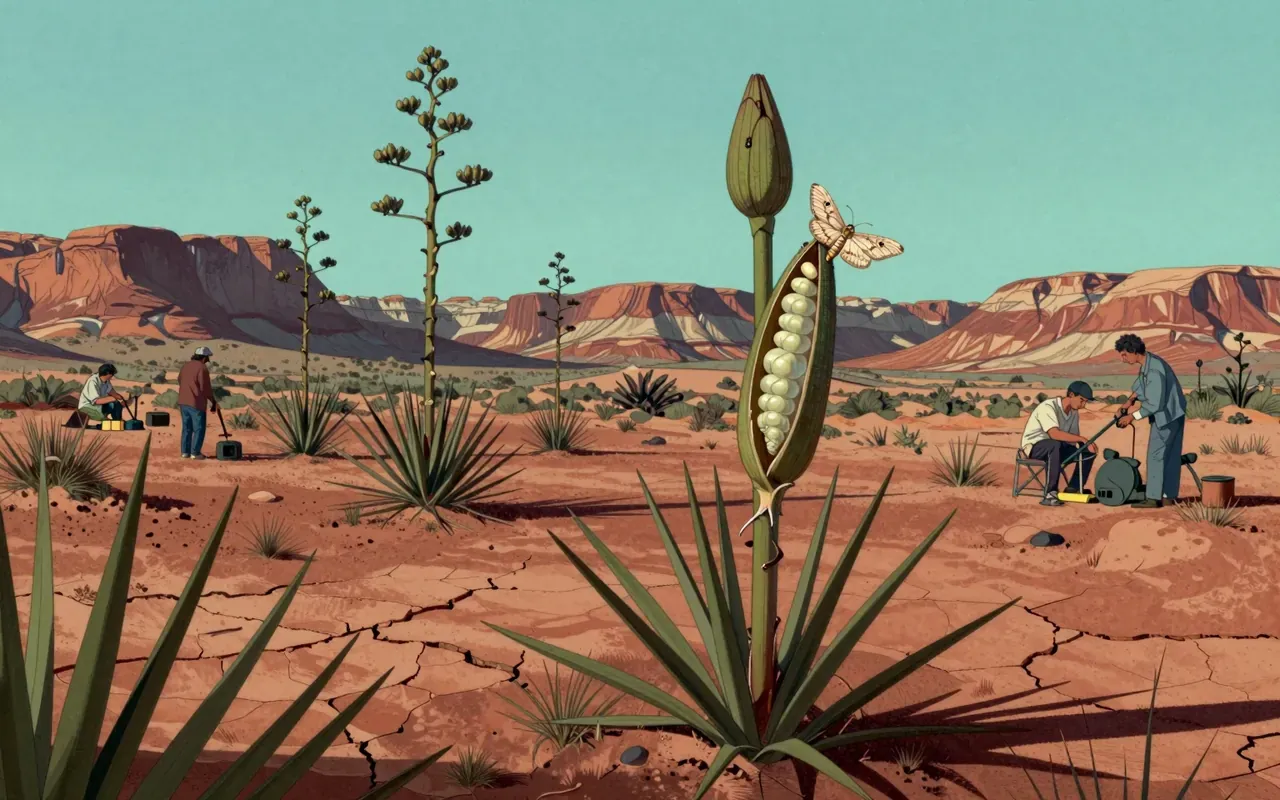
CoevolutionCoevolution is a process—not an organism—where species drive each other’s evolution through natural selection. It began as Darwin’s idea of coadaptation in 1859. Field work from the 1960s (Janzen, Ehrlich & Raven) and applied breeding from the 1940s confirmed it. Theory now links it to macroevolution and community structure. It does not cover all interspecies relationships—only those with documented reciprocal selection. It matters most for evolutionary biology, agriculture, and epidemiology.
Up next in Nature

Shoebill

· 9:28

It stands like stone until it strikes—then proves taxonomy was wrong.

9:28