Lake Tanganyika is an ancient African Great Lake located in the Albertine Rift, the western branch of the East African Rift. It is the largest rift lake in Africa, the deepest lake on the continent, and holds the greatest volume of fresh water there—16% of the world’s available fresh water. Its three basins formed at different geological times (central: 9–12 Mya; northern: 7–8 Mya; southern: 2–4 Mya). The lake is stratified, with seasonal mixing rarely exceeding 150 m depth; below that, deep waters are anoxic and contain 'fossil water', restricting aerobic life to the upper layers. Its water is alkaline (pH ~9 in upper 100 m, declining to 8.3–8.5 in deepest parts). It supports extraordinary biodiversity, especially endemic cichlids (≥250 species, ~98% endemic), molluscs (83 snail species, 65 endemic), crustaceans (>200 species, >50% endemic), and unique adaptations such as thalassoid snails and facultative brood-parasitic catfish. Human impacts—including colonial trade, 20th-century commercial fishing, and recent water-level rise (~2 m since 1990s)—have significantly affected its ecology and shoreline communities.
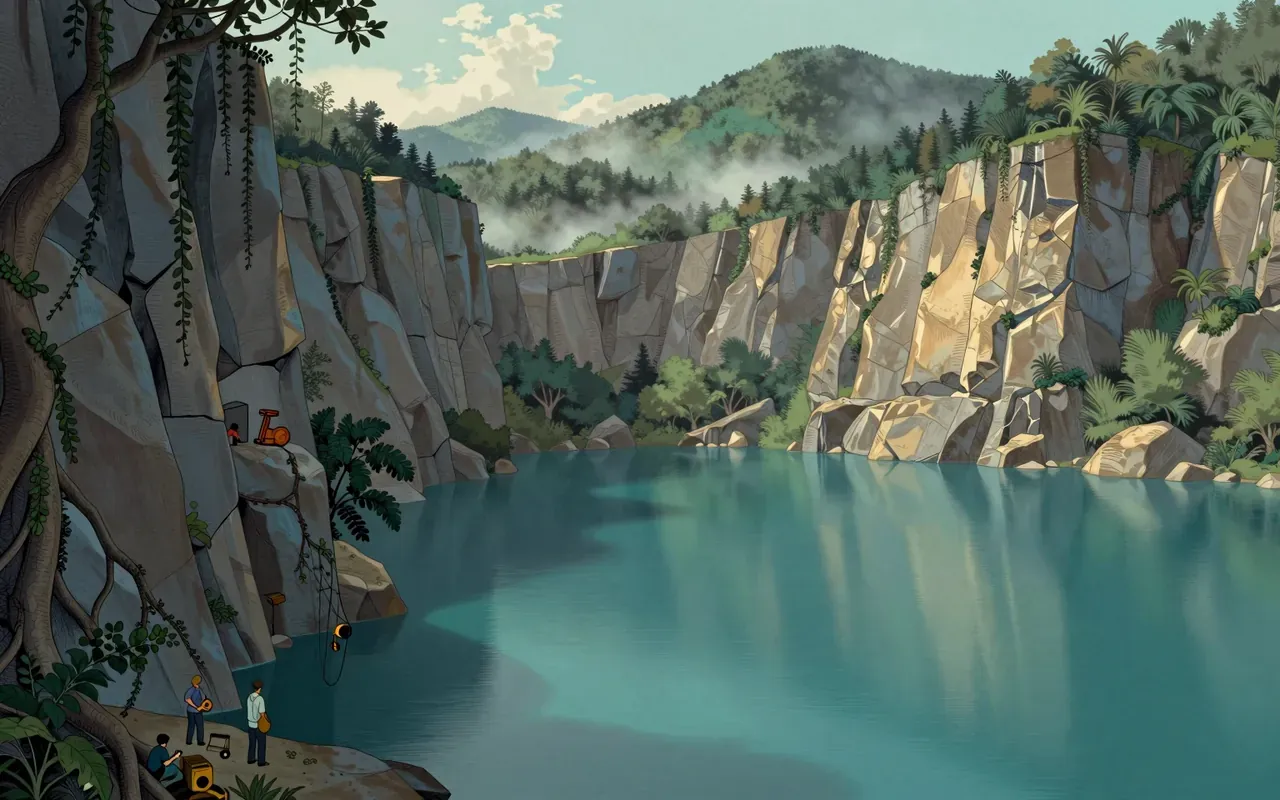
Three basins, three ages: central (9–12 Mya), northern (7–8 Mya), southern (2–4 Mya)—each a separate evolutionary arena.
2:20
Size, Depth, Volume
Africa’s largest rift lake—and deepest—holding 16% of Earth’s fresh water.
3:42
Chemistry and Stratification
Alkaline water (pH ~9 above 100 m) and permanent stratification confine oxygen to the top 150 m.
4:54
Endemism Engine
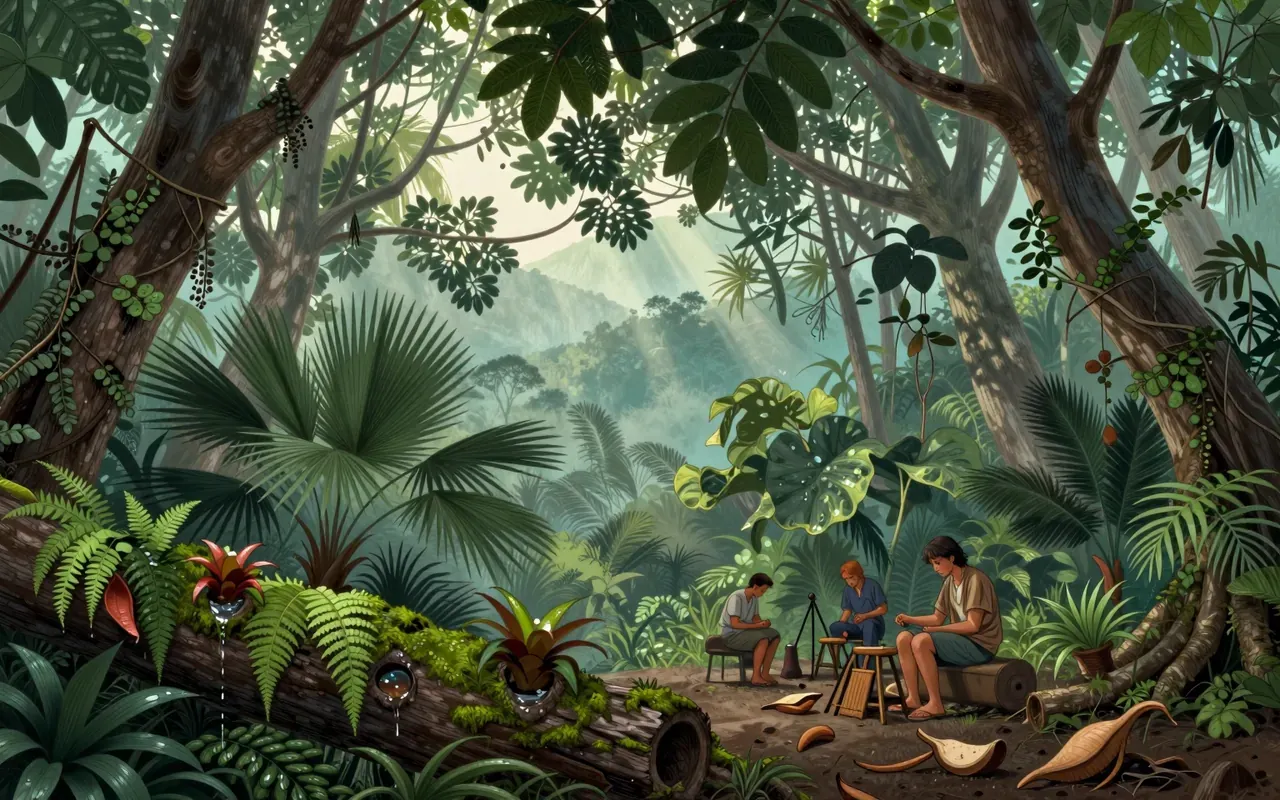
Endemic cichlids (≥250 species, ~98% endemic), snails (65 of 83 endemic), crustaceans (>50% endemic) evolved in isolation.
6:16
Ancient, But Not Alone
One of only twenty lakes on Earth older than one million years—and the only one with this basin-age structure and species density.
7:36
Human Impact, Measured in Metres
Human pressures—colonial trade, industrial fishing, and a 2-metre water-level rise since the 1990s—have altered its shoreline and ecology.
3 more chaptersFewer chapters
Worth your time?
Yes. See the whole thing.
4.5/ 5
What works
alkaline pH (~9 above 100 m)
geological age (>1 million years)
basin isolation
stable stratification over deep time
What does not
support aerobic life below ~150 m
buffer against human impacts
See it if
geologists studying rift evolution
ichthyologists tracking cichlid speciation
conservation biologists assessing cumulative human impact on ancient lakes
Skip it if
general wildlife viewers seeking accessible, surface-level biodiversity stories
Who should see it, and who should skipHide who it is for
The written brief1 min read
What the species is and where it came from
Lake Tanganyika is not a species but an ancient African Great Lake—over one million years old—located in the Albertine Rift, the western branch of the East African Rift.
How it works, in terms someone would actually use
Lake Tanganyika works as a deep, stratified, alkaline freshwater system where seasonal mixing rarely reaches below 150 m, leaving deep waters anoxic and filled with ‘fossil water’.
What it gets right
It gets right the conditions for explosive endemism: alkaline pH (~9 above 100 m), geological age (>1 million years), basin isolation, and stable stratification over deep time.
What it does not
It does not support aerobic life below ~150 m. It does not buffer against human impacts: colonial trade, 20th-century commercial fishing and recent water-level rise (~2 m since the 1990s) have reshaped its ecology and shoreline communities.
What it changed
It changed how we understand adaptive radiation: its cichlids, molluscs and crustaceans evolved in isolation across basins that formed at different times (9–12, 7–8 and 2–4 Mya), producing distinct evolutionary lineages in one lake.
Who it is for, and who it is not
It is for geologists studying rift evolution, ichthyologists tracking cichlid speciation, and conservation biologists assessing cumulative human impact on ancient lakes. It is not for general wildlife viewers seeking accessible, surface-level biodiversity stories.
Is it worth your time
Yes—if you study ancient lakes, endemic radiation, or human-driven ecological change in rift systems.