What the species is and where it came from
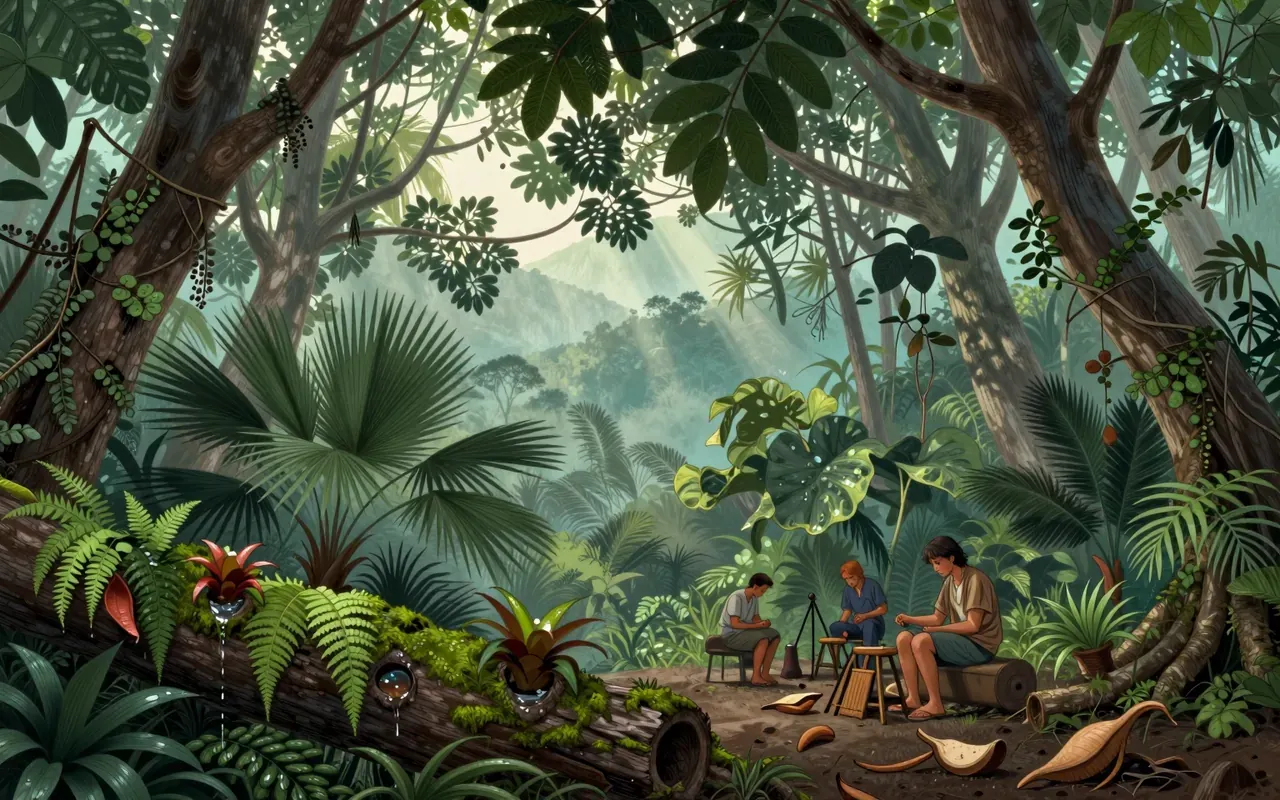
The Daintree Rainforest is a 1,200 km² tropical rainforest region on the northeastern coast of Queensland, Australia, extending from the Daintree River north to Cooktown and west to the Great Dividing Range. It is a remnant of a forest that once covered all of Australia.
How it works, in terms someone would actually use
It works as a hyperconcentrated biodiversity engine: 0.12% of Australia’s landmass hosts 30% of its frog, reptile and marsupial species, 90% of its bat and butterfly species, and over 12,000 insect species.
What it gets right
It gets right the retention of ancient plant lineages: whisk ferns, club mosses, cycads, Jurassic conifers, and primitive flowering plant families—all with Gondwanan origins.
What it does not
It does not function as a single ecological unit. Its boundaries are informal. It is not fully protected—only part lies within Daintree National Park.
What it changed
It changed how biogeographers read deep-time survival: at 180 million years old, it predates the Amazon by 100 million years and persists as a Gondwanan relic, not a recent recolonisation.
Who it is for, and who it is not
It is for field botanists, palaeoecologists, and evolutionary biologists. It is not for casual hikers seeking easy access or panoramic views.
Is it worth your time
Yes—if you need to see ancient lineages in situ, not in a museum. No—if you expect open trails, interpretive signage, or guaranteed sightings of cassowaries or tree-kangaroos.