9:54in productionCh. 1 · What it is/ 9:54 · ceiling 15 min
Extinction
Extinction event
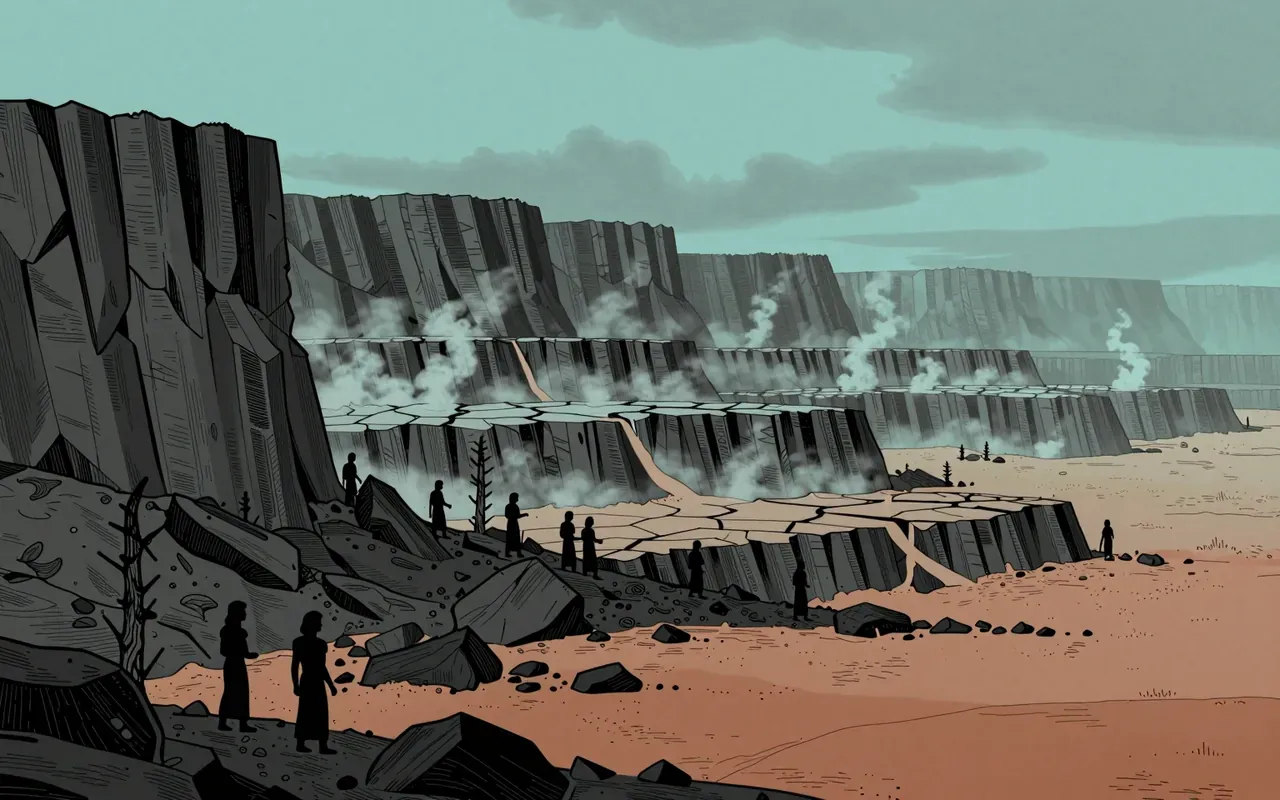
Extinction events are not tragedies. They are statistical signals in rock—measured, corrected, and defined by loss, not lament.
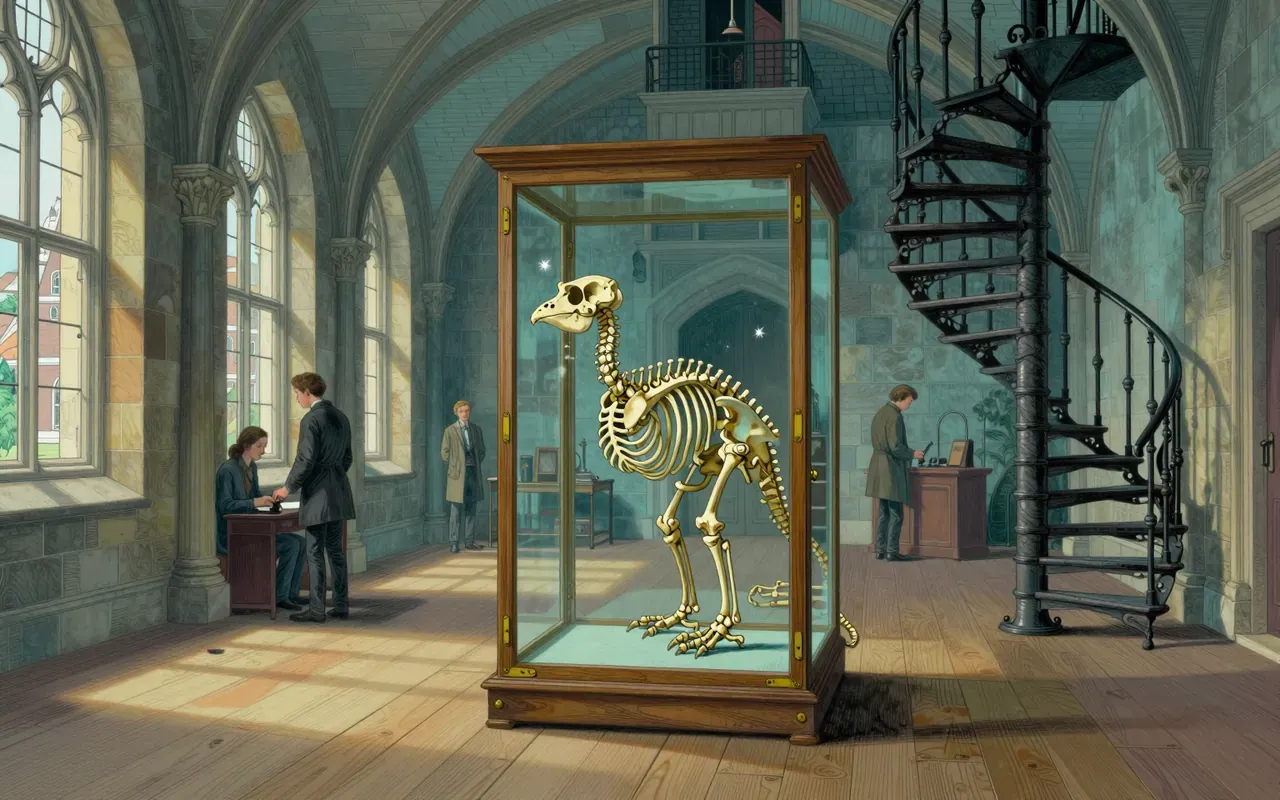
An extinction event is a statistically defined pattern in the fossil record—not a story, not a crisis, not a moral turning point. It is a measurable drop in multicellular diversity, calibrated against background rates and speciation, anchored in taxonomic loss at genus or family level. Sepkoski and Raup (1982) gave it operational rigour. Today, that same method detects a sixth event—anthropogenic, ongoing, and already exceeding background extinction by over 1,000 times.
An extinction event is defined by speed and scale—not rarity or drama, but widespread, rapid biodiversity loss.
2:22
How we spot it
It is measured by sharp drops in multicellular diversity and abundance—and only counts when extinction outpaces both background rate and speciation.
3:58
Where the 'Big Five' came from
Sepkoski and Raup’s 1982 method fixed five peaks—but those were statistical thresholds, not natural boundaries.
6:03
The sixth event is real
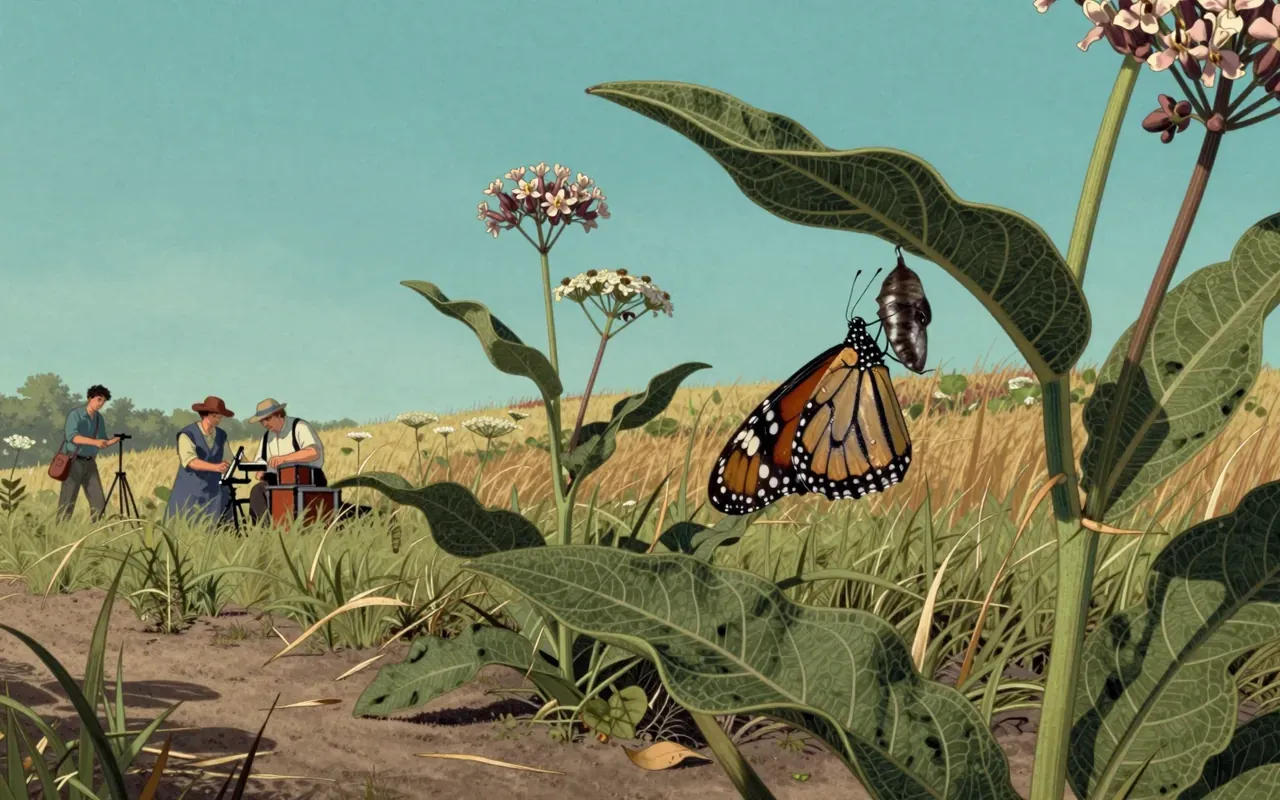
A sixth event is now underway—not projected, not hypothetical, but empirically detected and attributed to human activity.
Worth your time?
Yes. See the whole thing.
4.5/ 5
What works
defines extinction operationally
corrects for sampling bias
identifies anthropogenic event empirically
frames causes as interacting drivers
What does not
describe species-level impacts
quantify recovery
address microbial or viral life
include behavioural or physiological data
See it if
palaeontologists
conservation scientists
geologists
Skip it if
policy communicators
educators seeking narrative hooks
general audiences without fossil literacy
The written brief1 min read
What the species is and where it came from
An extinction event is not a species. It is a geological-scale pattern in the fossil record—first formalised in 1982 by Sepkoski and Raup using taxonomic diversity loss across intervals of deep time.
How it works, in terms someone would actually use
An extinction event is a widespread and rapid decrease in Earth’s biodiversity, identified by a sharp fall in the diversity and abundance of multicellular organisms.
What it gets right
It correctly identifies extinction rate relative to background and speciation rates as the operational definition—and anchors analysis in observable loss at family or genus level in the fossil record.
What it does not
It does not describe individual species’ fates. It ignores physiology, behaviour, ecology of survivors or victims. It says nothing about recovery timelines, ecosystem function, or non-multicellular life.
What it changed
It shifted palaeobiology from narrative description to statistical detection: defining mass extinction by thresholds, not intuition; correcting for sampling bias; framing causes as press/pulse combinations.
Who it is for, and who it is not
Palaeontologists, geologists, conservation biologists quantifying anthropogenic loss. Not policymakers seeking urgency, nor the public seeking empathy for lost species.
Is it worth your time
Yes—if you need to grasp how extinction operates as a measurable, geologically paced process—not as metaphor or moral warning, but as pattern in the fossil record.