What the species is and where it came from
It is not a species. It is a planetary-scale geophysical event: the Chicxulub impact, ~66 million years ago, in what is now Mexico’s Yucatán Peninsula.
How it works, in terms someone would actually use
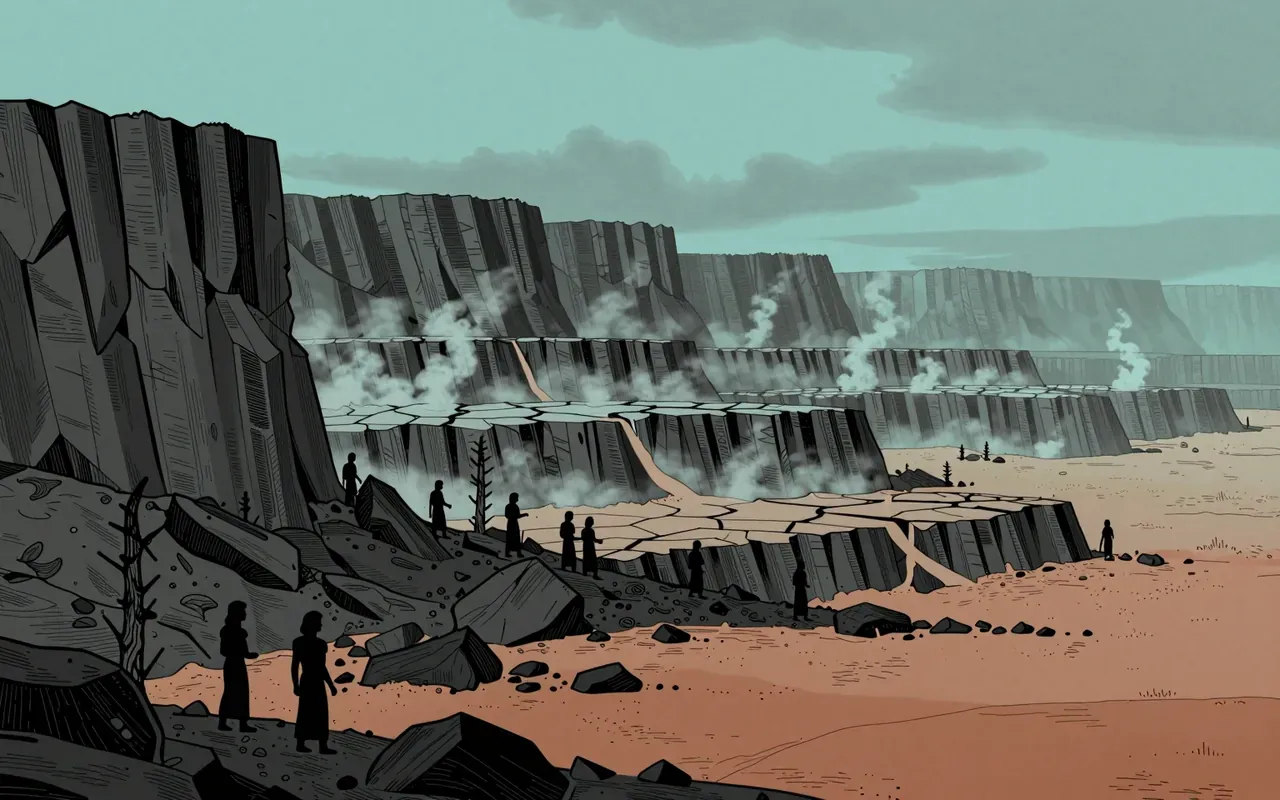
A 10–15 km asteroid struck Earth, vaporising seabed gypsum and ejecting deep granite into the atmosphere, triggering global darkness, cooling, ocean acidification and photosynthetic collapse.
What it gets right
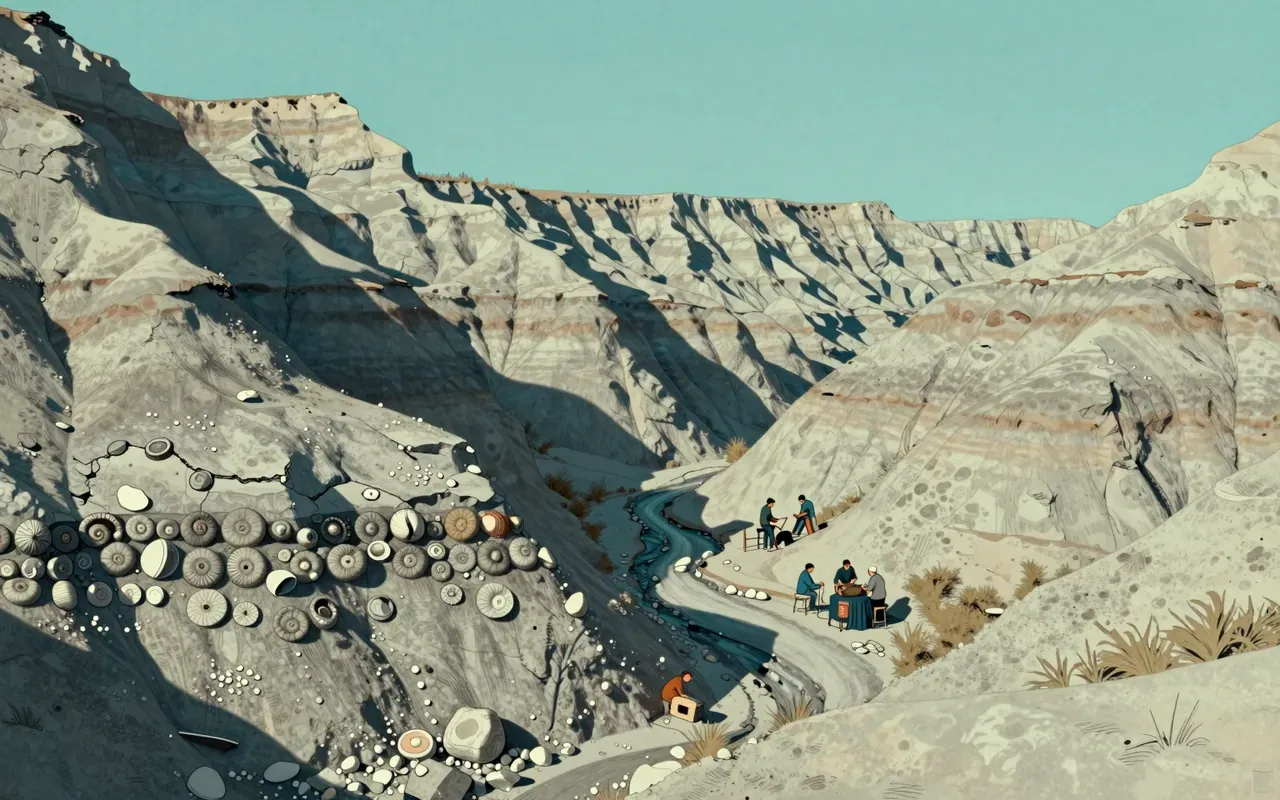
It correctly identifies the K–Pg boundary clay’s iridium anomaly as extraterrestrial. It links the Chicxulub crater’s size, age and ejecta chemistry to global environmental disruption.
What it does not
It does not explain why some species survived while others did not. It does not quantify survival rates by clade or habitat. It does not describe post-extinction recovery timelines.
What it changed
It ended the reign of non-avian dinosaurs and cleared ecological space for mammals and birds to diversify.
Who it is for, and who it is not
It is for geologists, palaeontologists and anyone who treats extinction as a measurable physical process—not for those seeking moral allegory, evolutionary teleology or species-level narratives.
Is it worth your time
Yes—if you want to understand how a single physical event reshaped the trajectory of life on Earth.