Saved
Mammals

Red fox

A carnivore that wins by never picking a side—neither wild nor tame, neither native nor guest.

Worth your time?4.5/5Yes.See the whole thing.What works, what does not, who it is for ↓
9:16in productionCh. 1 · Size and age/ 9:16 · ceiling 15 min
4 chapters · 9:16Ceiling 15:00

The brief is written and checked. The video joins this page when it is cut.4 chapters · 1 min read · 9:16 planned

Read the brief

Red fox editorial brief

Chapters & takeaways4
  1. 1:02
    Size and age

    It is the largest true fox—and has been moving across continents for over 400,000 years.

  2. 2:26
    Range and spread

    Its native range covers the entire Northern Hemisphere—and human settlement helped it jump to Australia.

  3. 3:31
    How it behaves

    It adapts faster than any other fox—and lives in pairs or small family groups.

  4. 5:08
    Status paradox

    The IUCN says it’s safe—but it’s also one of the world’s 100 worst invasive species.

1 more chapterFewer chapters
Worth your time?

Yes. See the whole thing.

4.5/ 5
What works
  • as evidence of mammalian resilience
  • as a case study in human-facilitated dispersal
  • as a baseline for measuring ecological disruption
What does not
  • offer novelty of form
  • require specialist access
  • depend on seasonal timing
See it if
  • urban naturalists
  • conservation practitioners
  • evolutionary ecologists
Skip it if
  • birdwatchers seeking endemics
  • field biologists needing rare sightings
  • policy makers focused solely on native species
Who should see it, and who should skipHide who it is for
The written brief1 min read

What the species is and where it came from

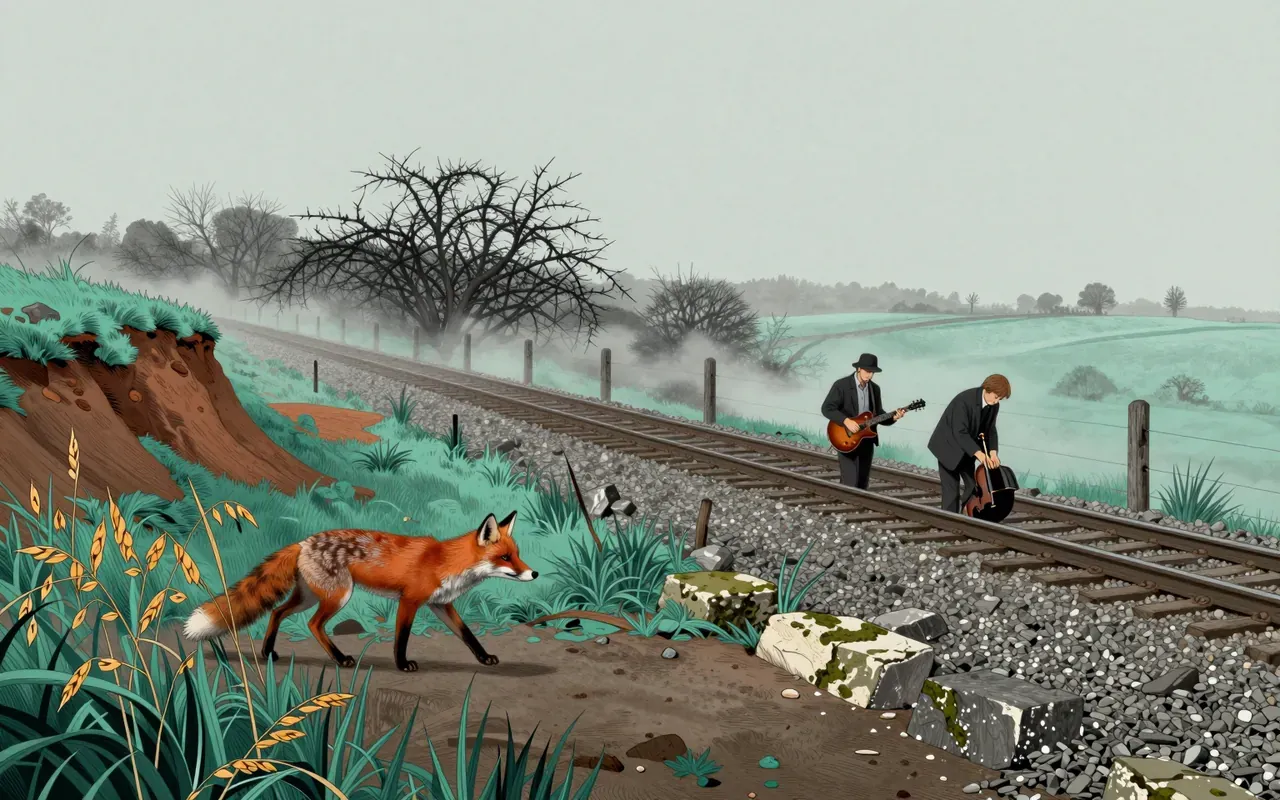
The red fox (Vulpes vulpes) is the largest true fox and most widely distributed carnivore. It originated in Eurasia at least 400,000 years ago. It colonised North America before 130,000 years ago. Its native range spans the entire Northern Hemisphere: most of North America, Europe, Asia and parts of North Africa. Humans introduced it to Australia.

How it works, in terms someone would actually use

It lives in pairs or small family groups across cities, farmland and forests. It eats rodents, rabbits, birds, fruit and human scraps. It is hunted by eagles, coyotes and humans.

What it gets right

It gets rapid environmental adaptability right. It gets persistence across continents and millennia right. It gets social flexibility—pairs and small family groups—right.

What it does not

It does not avoid human settlement. It does not stay within native range. It does not coexist without measurable impact on native species.

What it changed

It changed ecosystems wherever it was introduced, especially in Australia, where it preys on native small and medium-sized rodents and marsupials.

Who it is for, and who it is not

It is for observers of urban wildlife, invasive species researchers, and students of mammal behaviour. It is not for those seeking endemic, isolated or conservation-dependent species.

Is it worth your time

Yes—if you want to see a carnivore that thrives where others collapse. No—if you expect rarity, secrecy or ecological neutrality.

Same habitat · Mammals4 of 61
10:06
DugongThe dugong is a marine mammal—the only living dugongid and the only sirenian in the Indo-West Pacific. It survives only where seagrass grows, especially Halophila and Halodule. Its anatomy—fluked tail, downturned snout, fusiform body—is adapted solely for benthic grazing in shallow coastal waters. Its current stronghold is northern Australian waters between Shark Bay and Moreton Bay. It is listed as Vulnerable by the IUCN due to hunting, habitat loss, and fishing-related deaths.
10:28
CapybaraCapybara
8:14
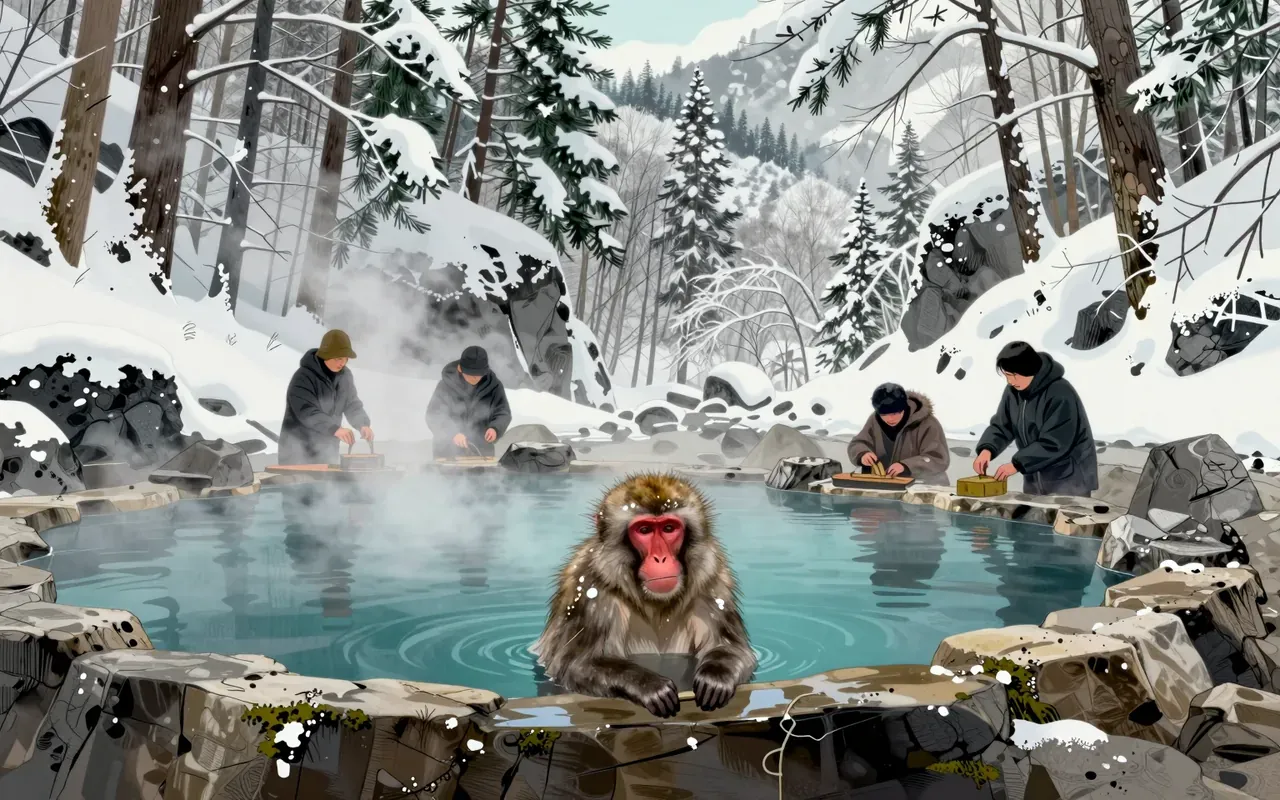
Japanese macaqueThe Japanese macaque is native to Japan. It is the northernmost-living non-human primate. Its coat thickens as temperatures decrease. It can survive temperatures as low as −20 °C. Macaques swim distances exceeding half a kilometer. Yakei is a female who rose to leadership of her troop at Takasakiyama Natural Zoological Garden in 2021. She became the first female leader of the troop during its recorded history of 70 years. Researchers studying this species at Koshima Island in Japan left sweet potatoes out on the beach for them to eat, then witnessed one female, named Imo (Japanese for yam or potato), washing the food off with river water rather than brushing it off as the others were doing, and later even dipping her clean food into salty seawater.
9:12
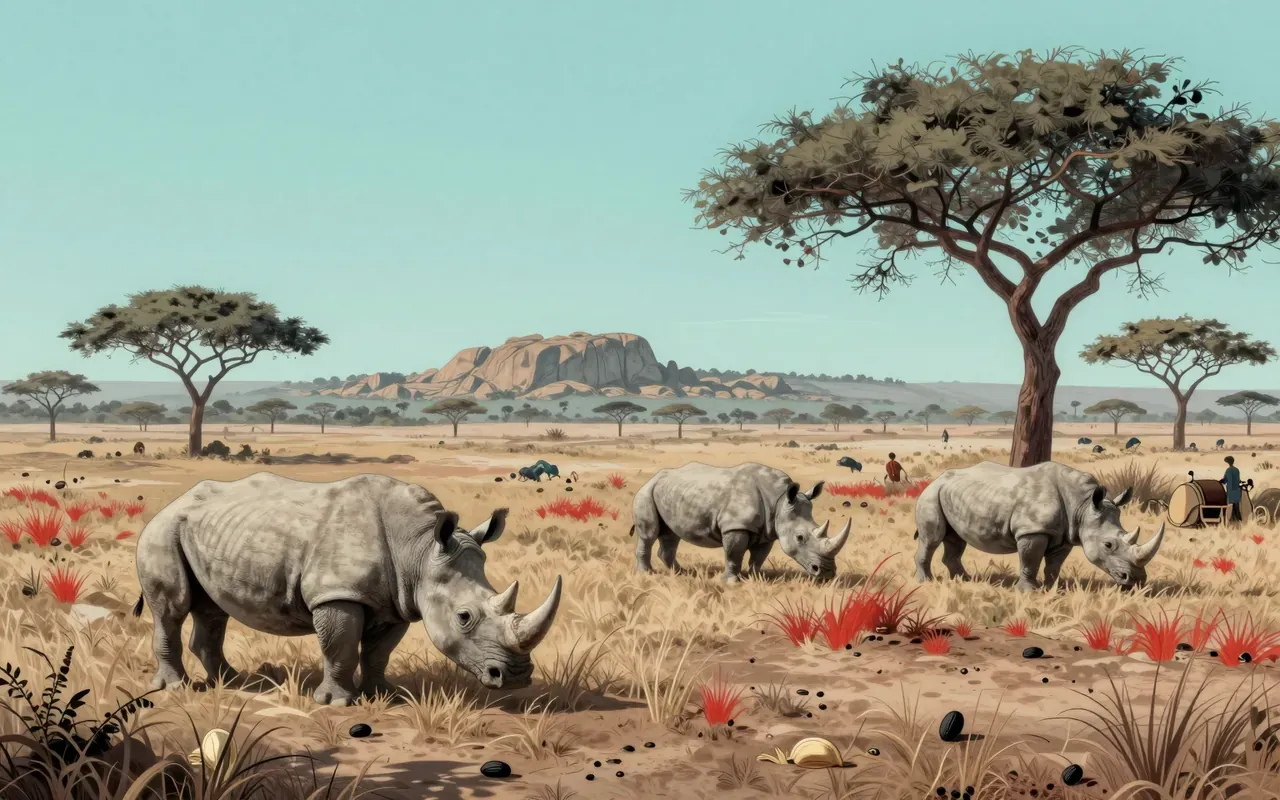
White rhinocerosWhite rhinoceros is a grazing specialist with a square lip, social habits, and extreme divergence between subspecies—southern (17,464 wild) and northern (two females, last male died 2018). Poaching and habitat loss drive its Near Threatened status. It runs up to 40 mph. It lives only in grassland and savanna.
Up next in Nature

Reindeer

· 9:56

The only deer with routinely antlered females — and the only one we’ve ever farmed at scale.

9:56