naturebriefs
8:28in productionCh. 1 · What it is/ 8:28 · ceiling 15 min
Fungi · Habitats

Lingzhi (mushroom)

A bracket fungus that looks like lacquered leather—and tells you nothing about forests unless you already know where to look.

Lingzhi is a morphologically distinct polypore fungus native to East Asia, defined by its cap shape, pore structure, and substrate specificity. Its cultural role is stated, but no ecological function beyond saprotrophy/parasitism is described. No population data, lifespan, or behavioural observation beyond growth form is given. It is cultivated and traded—but not observed interacting with animals, insects, or broader food webs.

Chapters & takeaways5
  1. 1:03
    What it is

    Lingzhi is a polypore fungus native to East Asia—not a plant, not a herb in the botanical sense, but a wood-decaying fungus.

  2. 2:14
    How it looks and reproduces

    Its kidney-shaped, varnished cap and yellow pores—not gills—define its appearance and reproduction.

  3. 3:14
    Where it lives and how it’s grown

    It grows wild only at the base and stumps of deciduous trees—especially maples—and is cultivated on hardwood logs or sawdust.

  4. 4:16
    What makes it chemically distinct

    Chemical variation—especially in ganoderic acid—separates it from other Ganoderma species.

  5. 5:15
    How it moves in trade

    Ganoderma sichuanense is the most widely found species in Chinese herb shops today, cultivated in China and shipped internationally.

Worth your time?

Yes. See the whole thing.

3.5/ 5
What works
  • morphological distinction
  • substrate specificity
  • chemical differentiation within Ganoderma
What does not
  • establish mutualisms
  • interact visibly with animals or insects
  • show population or conservation status
  • demonstrate lifespan or reproductive output
See it if
  • mycologists
  • cultivators
  • chemical taxonomists
Skip it if
  • field ecologists
  • conservation practitioners
  • wildlife observers
The written brief1 min read

What the species is and where it came from

Lingzhi (Ganoderma sichuanense) is a polypore fungus native to East Asia. It is not a plant, animal, or bacterium. It is a bracket fungus belonging to the genus Ganoderma.

How it works, in terms someone would actually use

Lingzhi grows as a bracket fungus on dead or dying deciduous trees—especially maples—at their base or stumps. It releases spores through yellow pores, not gills. When fresh, it is soft, cork-like, and flat. It can be cultivated on hardwood logs, sawdust, or woodchips.

What it gets right

Its morphology reliably distinguishes it: reddish brown, varnished, kidney-shaped cap with bands; peripherally inserted stem; yellow pores 80–120 μm wide; absence of gills. Its chemical profile—especially ganoderic acid concentrations—differentiates it from other Ganoderma species.

What it does not

It does not establish symbiotic relationships with living trees. It does not grow on conifers or non-woody substrates. It does not produce gills. It does not show documented effects on human health in the material.

What it changed

Nothing in the material indicates Lingzhi changed ecosystems, practices, or knowledge beyond its documented use in traditional Chinese medicine and its current status as the most widely found species in Chinese herb shops.

Who it is for, and who it is not

It is for mycologists studying Ganoderma taxonomy, cultivators working with hardwood-based substrates, and researchers analysing triterpene variation. It is not for ecologists seeking keystone species, conservationists tracking population trends, or field naturalists expecting visible animal interactions.

Is it worth your time

Only if you are studying fungal morphology, triterpene variation in Ganoderma, or East Asian medicinal fungi cultivation. It does not offer observable ecological interactions beyond its growth substrate and spore release mechanism.
Same habitat · Fungi4 of 15
7:57
NidulariaceaeNidulariaceae are saprobic fungi in the order Agaricales, cosmopolitan and found on decaying wood and mulched soils. Five genera are distinguished by morphology and peridiole structure. Their spores develop internally in gasteroid fruiting bodies and are dispersed by rain-splash — not springs — sometimes aided by funicular cords. Taxonomy has shifted from historical description to DNA-guided phylogeny. First mentioned by Clusius in 1601; Paulet’s 1790–1793 spring hypothesis was incorrect.
8:52
Amanita phalloidesAmanita phalloides is a European fungus now found worldwide. It forms symbiotic relationships with broadleaved trees. It produces α-amanitin — a thermostable toxin that inhibits RNA polymerase II in humans, causing fatal organ failure. Its own RNA polymerase is resistant. It is responsible for 90% of annual mushroom-related deaths. Half a fruiting body is lethal. Its toxin is now used in targeted cancer therapies.
9:11
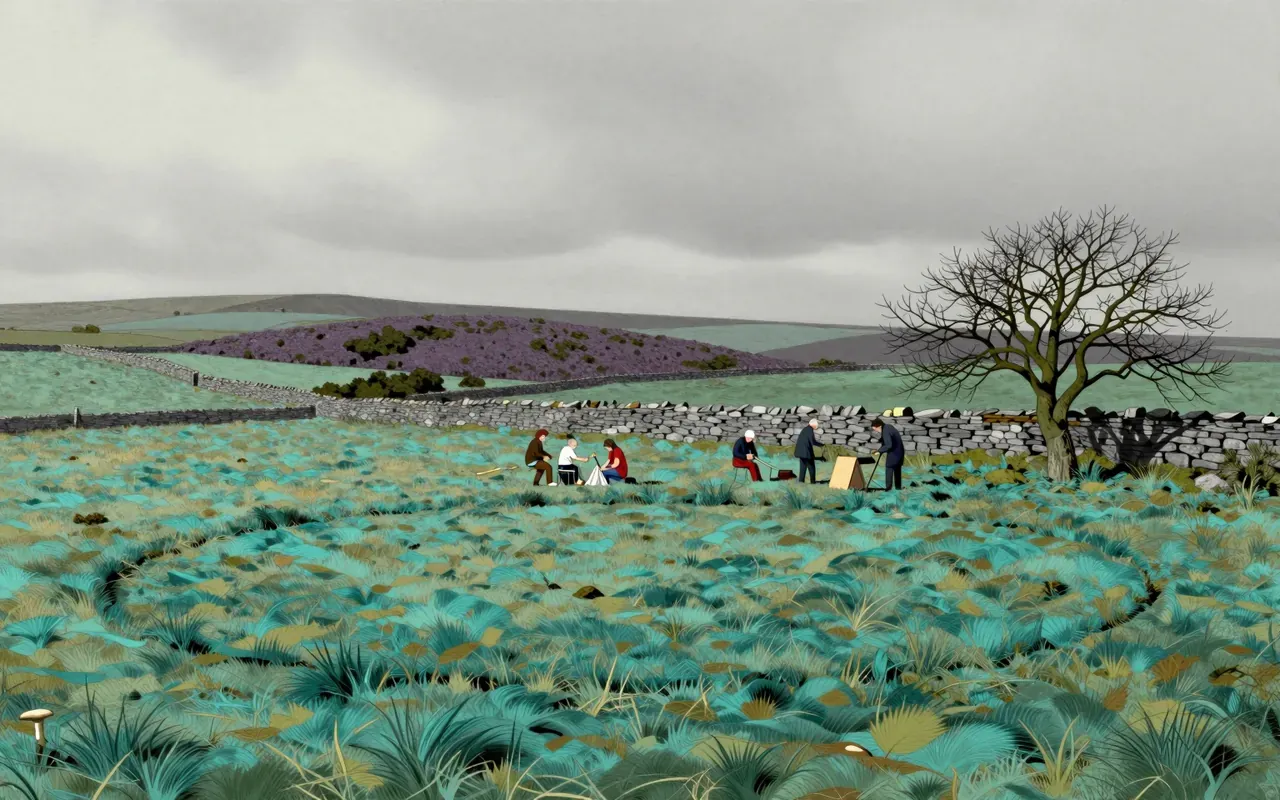
Fairy ringFairy rings are fungal growth patterns—not organisms—that reveal radial digestion and nutrient exhaustion in soils. They occur in forests, grasslands, and rangelands. Verified mechanisms include enzymatic breakdown at hyphal tips and central dieback. No lifespan, species, toxicity, or ecological impact beyond grass discoloration is stated. Folklore is noted but not endorsed.
10:22
MorchellaMorchella is a genus of edible sac fungi in the order Pezizales (division Ascomycota), typified by Morchella esculenta in 1794. It exhibits a distinctive honeycomb cap morphology due to ridges and pits, and comprises over seventy molecularly supported species worldwide, most showing high continental endemism and provincialism. The genus is under active phylogenetic, biogeographical, taxonomic, and nomenclatural study, with new species recently described across multiple continents. Morels are highly valued in gourmet cuisine—especially Catalan and French—but are toxic when raw or undercooked. Commercial harvesting of wild morels constitutes a multimillion-dollar industry across the temperate Northern Hemisphere, including North America, Turkey, China, the Himalayas, India, and Pakistan. Their ecology remains poorly understood, though many species associate with trees symbiotically or saprotrophically, and some exhibit pyrophilic behavior, fruiting abundantly after wildfires. Cultivation has historically been difficult, though recent breakthroughs—including indoor cultivation using grass and climate control—have achieved reliable fruiting. Toxicity concerns include thermolabile hydrazine-based mycotoxins neutralized by cooking, and risks from environmental contaminants like lead and arsenic in certain habitats.
Up next in Nature

Resurrection plant

· 9:38

Desiccation tolerance isn’t theoretical — it’s a brown curl on granite that turns green in an hour.

9:38