naturebriefs
11:11in productionCh. 1 · Largest by volume/ 11:11 · ceiling 15 min
Habitats

Hang Sơn Đoòng

2000

The world’s largest cave isn’t just big—it’s a monsoon-gated cathedral of limestone that resets what ‘massive’ means underground.

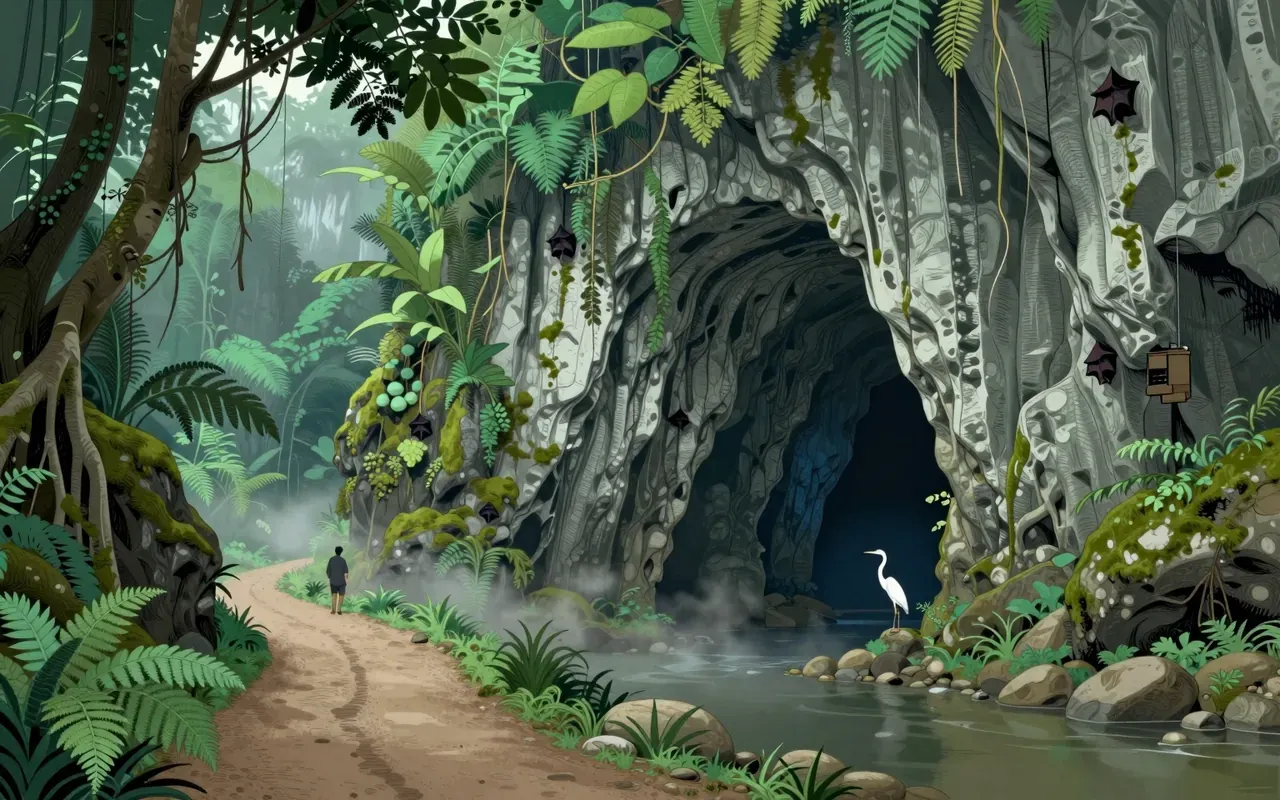
Hang Sơn Đoòng is the world's largest natural cave by volume, located in Phong Nha–Kẻ Bàng National Park, Quảng Trị province, Vietnam. It is a solutional cave formed in Carboniferous/Permian limestone, with a measured volume of 38,500,000 m³ (later increased by over 1,600,000 m³ after connection to Hang Thung was confirmed in mid-2019). Its passage exceeds 9 km in length, reaches up to 200 m in height and 150 m in width, and features dolines, massive stalagmites (up to 80 m), and cave pearls the size of baseballs. Discovered in 1990 by Hồ Khanh and re-located in 2008, it was first surveyed by the British Cave Research Association in 2009; subsequent expeditions in 2010 traversed the Great Wall of Vietnam to confirm its full extent. Access is strictly limited for conservation, with seasonal closures from September to December due to monsoon-related flooding risks.

Chapters & takeaways6
  1. 0:54
    Largest by volume

    It is the world’s largest natural cave—and its main passage is the largest known by volume.

  2. 2:19
    Scale confirmed

    Its passage exceeds 9 km and contains stalagmites up to 80 m tall—the tallest documented anywhere.

  3. 3:10
    Measured by the BCRA

    A 2009 BCRA survey measured 38,500,000 m³; Howard Limbert reported the same figure as the main passage volume.

  4. 4:22
    Expanded system

    Mid-2019 connection to Hang Thung added over 1,600,000 m³ to its potential volume.

  5. 5:45
    Bigger than the next

    Its cross-section is believed to be twice that of Deer Cave’s passage—the next largest known.

  6. 7:20
    Monsoon-gated

    Access is strictly limited, with seasonal closures from September to December due to monsoon flooding.

Worth your time?

Yes. See the whole thing.

4.5/ 5
What works
  • redefines upper limit of known cave volume
  • confirms largest cave passage by volume
  • documents tallest known stalagmites (up to 80 m)
What does not
  • offer casual access
  • allow year-round entry
  • host permanent infrastructure
See it if
  • experienced cavers
  • geologists
  • conservation-aware expedition travellers
Skip it if
  • day-trippers
  • self-guided tourists
  • those seeking comfort or convenience
The written brief1 min read

What the species is and where it came from

Hang Sơn Đoòng is not a species. It is a landform: the world’s largest natural cave by volume, located in Phong Nha–Kẻ Bàng National Park, Quảng Trị province, Vietnam.

How it works, in terms someone would actually use

Hang Sơn Đoòng is a solutional cave formed in Carboniferous/Permian limestone. It functions as a subterranean river corridor, with seasonal flooding dictating access.

What it gets right

It establishes the largest measured cave passage by volume (38,500,000 m³, later increased by over 1,600,000 m³), with documented stalagmites up to 80 m tall and cave pearls the size of baseballs.

What it does not

It does not offer casual or independent access. It does not host permanent human infrastructure. It does not allow year-round entry—seasonal closures run from September to December.

What it changed

It redefined the upper limit of known cave volume and passage scale, confirming a single passage larger than Deer Cave’s by cross-section and exceeding 9 km in surveyed length.

Who it is for, and who it is not

It is for experienced cavers, geologists, and conservation-aware expedition travellers. It is not for day-trippers, self-guided tourists, or those seeking comfort or convenience.

Is it worth your time

Yes—if you are prepared for physically demanding, permit-restricted access and want to stand inside the world’s largest known cave passage.
Same habitat · Habitats4 of 130
9:56
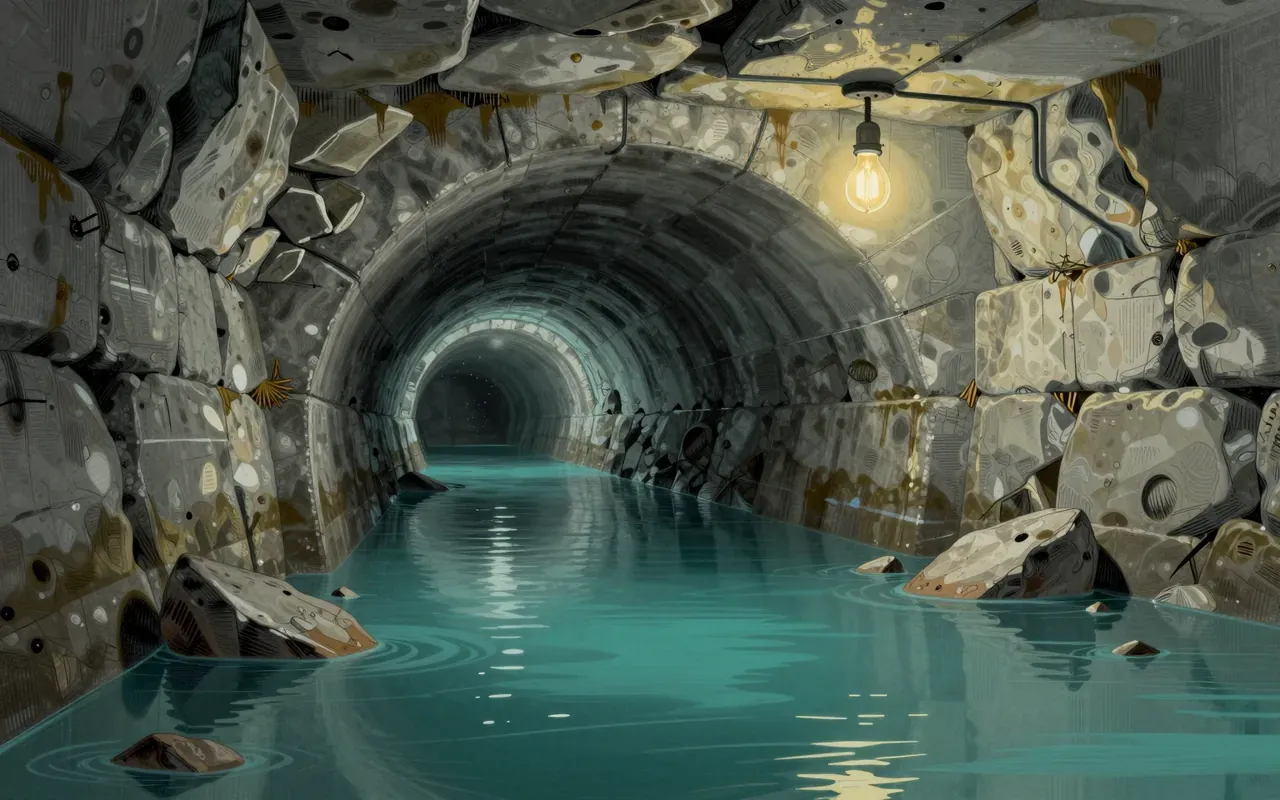
Mid-Atlantic RidgeThe Mid-Atlantic Ridge is the longest mountain range on Earth—but it is entirely submerged, seismically active, and invisible without instrumentation. It began forming during Pangaea’s breakup 200–160 million years ago. It confirmed seafloor spreading. It catalysed plate tectonics. It does not support surface life, tourism, or direct observation. It matters only to those who study how the planet’s crust moves, grows, and breaks.
8:47
Challenger DeepChallenger Deep is the deepest known point of Earth’s seabed. Verified measurements place it between 10,903 and 11,009 m deep. It consists of three slot-shaped basins oriented west-to-east, each over 10,840 m deep, within the larger Mariana Trench. Its depth was first located by HMS Challenger in 1875, confirmed by HMS Challenger II in 1952, and first reached by the bathyscaphe Trieste in 1960. Sonar mapping and manned descents in 2020 revealed undulating slopes, rocky piles, and pelagic ooze. It is located at 11°22.4′N 142°35.5′E in the ocean territory of the Federated States of Micronesia.
9:19
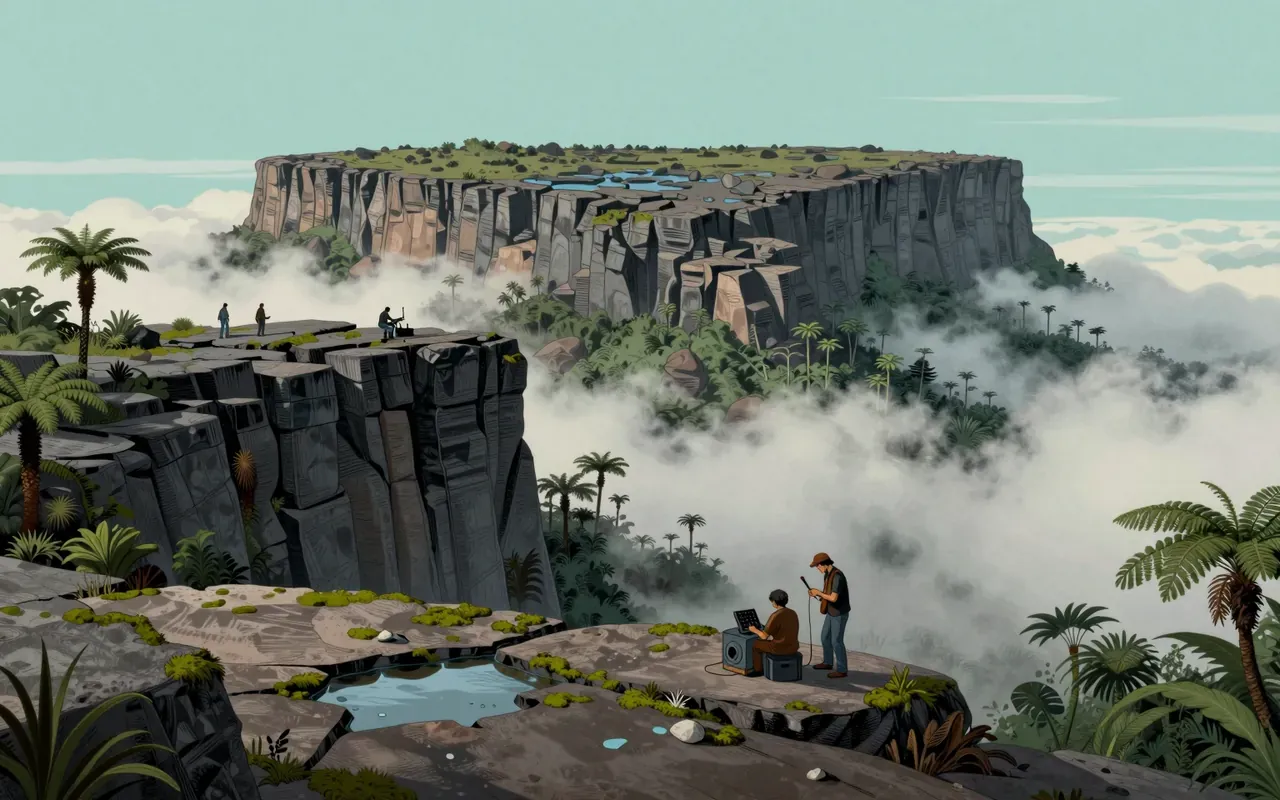
Mount RoraimaMount Roraima is a tepui at the tri-border of Brazil, Guyana, and Venezuela. Its summit is isolated, warm, and drenched by intense rainfall. The sandstone soil is highly acidic, nutrient-poor, and fine-grained. Leaching caused by intense rainfall has shaped the summit's topography. Geographical isolation has resulted in high endemism in flora and fauna. Western exploration began in the 19th century with a British expedition. Mount Roraima was first climbed by a British expedition in 1884. Despite subsequent expeditions, its flora and geology remain largely unknown. Due to late exploration and annual discovery of new species, the flora and fauna are largely unknown. Identified fauna are strongly endemic and at high risk of extinction. Intense rainfall prevents nutrient and particle fixation in the sandstone soil.
10:14
Cave of the Crystals2000The Cave of the Crystals is a flooded subterranean chamber in the Naica Mine, Mexico. It contained the world’s largest natural gypsum crystals — up to 12 m long — formed over at least 500,000 years by hydrothermal processes. Discovered in April 2000 by miners Juan and Pedro Sánchez, it permitted only brief human access due to lethal heat and humidity. Scientists used refrigerated suits to study it for ~30 minutes at a time. Uranium-thorium dating confirmed a minimum age of ~500,000 years. A team led by A. E. S. Van Driessche measured its crystal growth rate at (1.4±0.2)×10−5 nm/s — the slowest ever directly recorded. Researchers announced in 2017 that they had revived ancient bacteria from fluid inclusions in the crystals. No ancient bacterial DNA was recoverable from solid inclusions. Mining ceased in 2015. The cave reflooded in October 2015 and remains submerged.
Up next in Nature

St. Elmo's fire

· 9:01

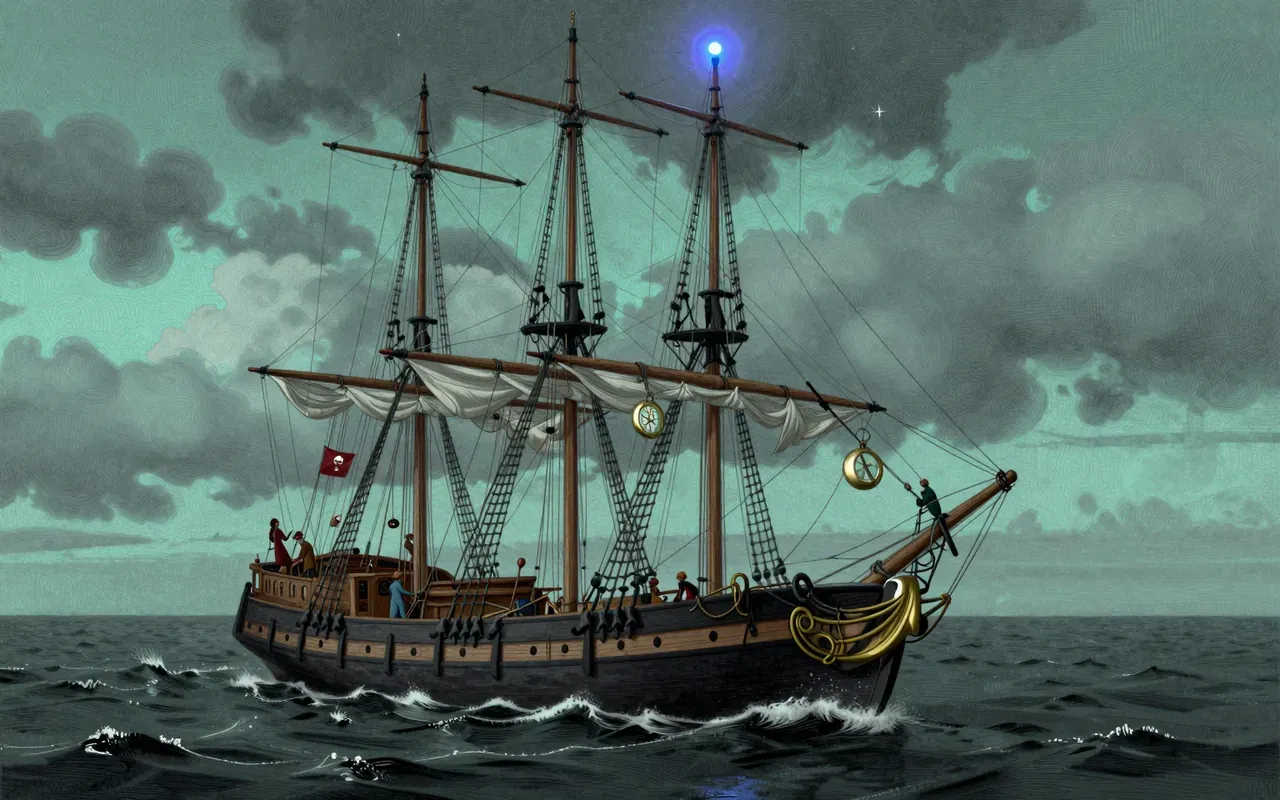
St. Elmo’s fire is plasma — not magic, not lightning, but ionized air glowing where geometry meets voltage.

9:01