A geode is a hollow, roughly spherical rock in sedimentary or volcanic rock holding mineral matter, which may include crystals, deposited from groundwater or hydrothermal fluids.
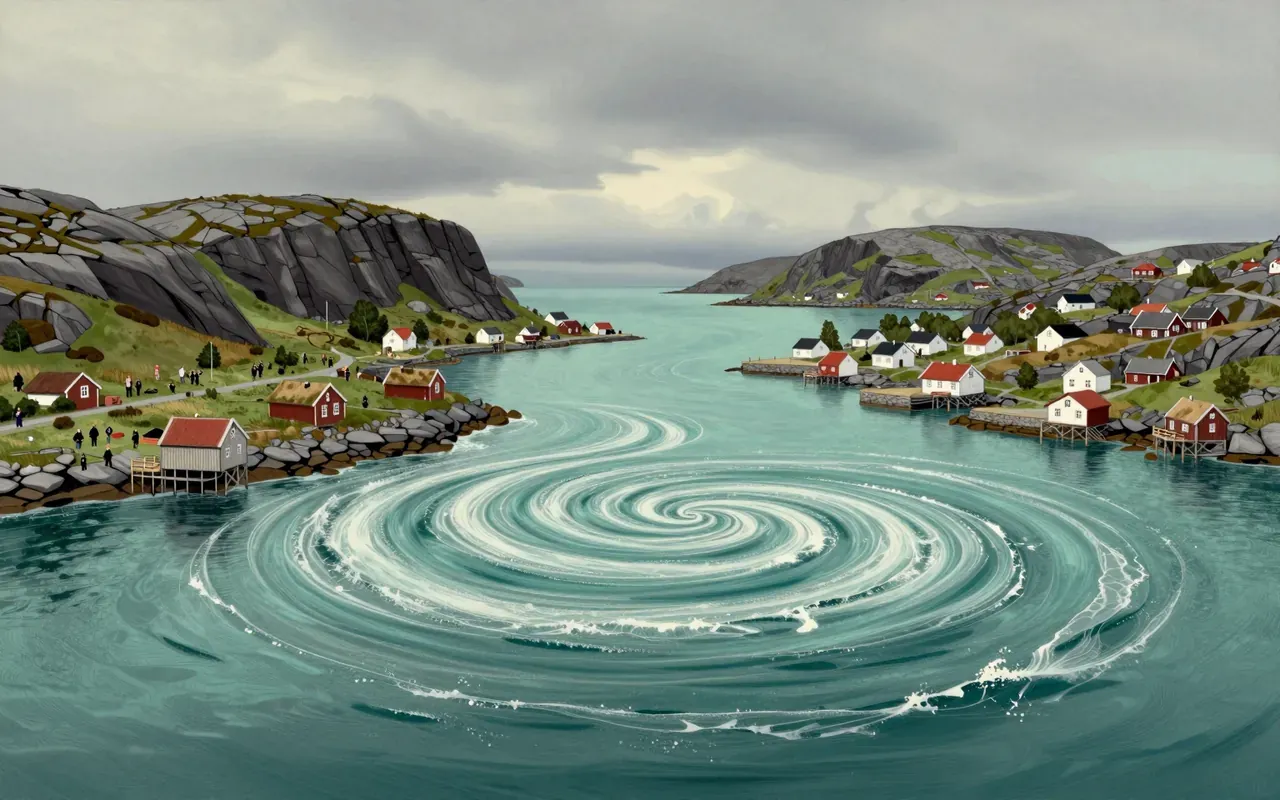
The world’s most famous maelstrom isn’t a vortex that swallows ships — it’s a tide-powered engine of open-sea rotation, visible from the air and proven by 18th-century poetry.
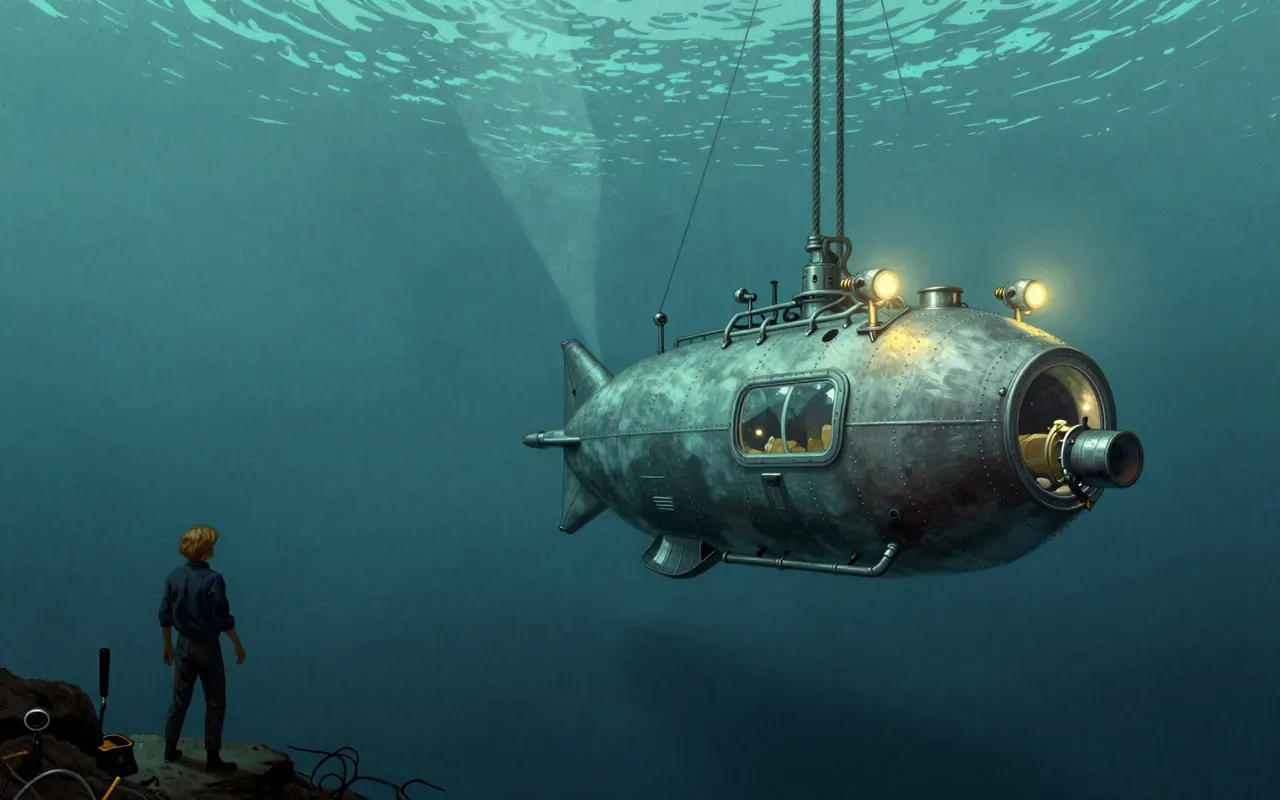
Earth’s deepest known point isn’t a single hole—it’s three aligned basins, mapped, measured, and descended—but it tells us nothing about life, heat, or time down there.
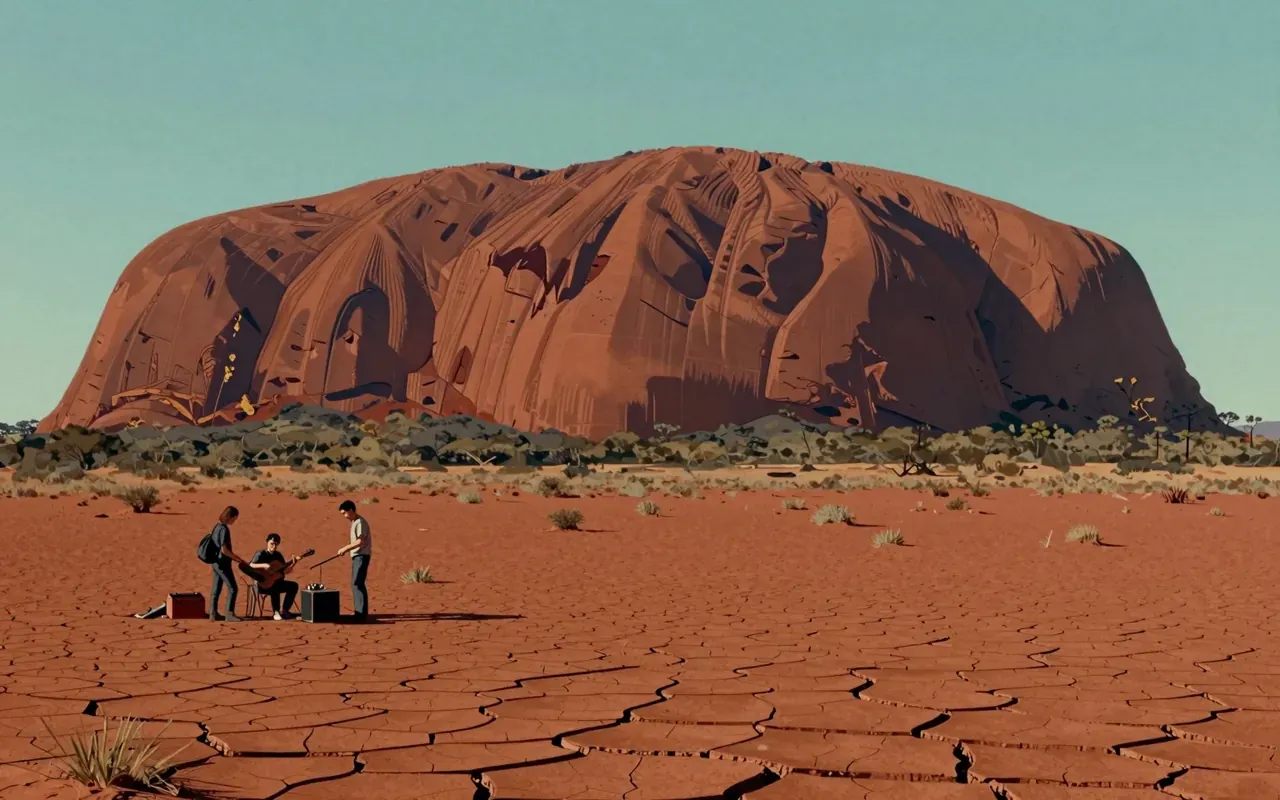
Uluru survives not because it is hard, but because it is boringly uniform — and its meaning comes entirely from the people who never stopped living with it.