What the species is and where it came from
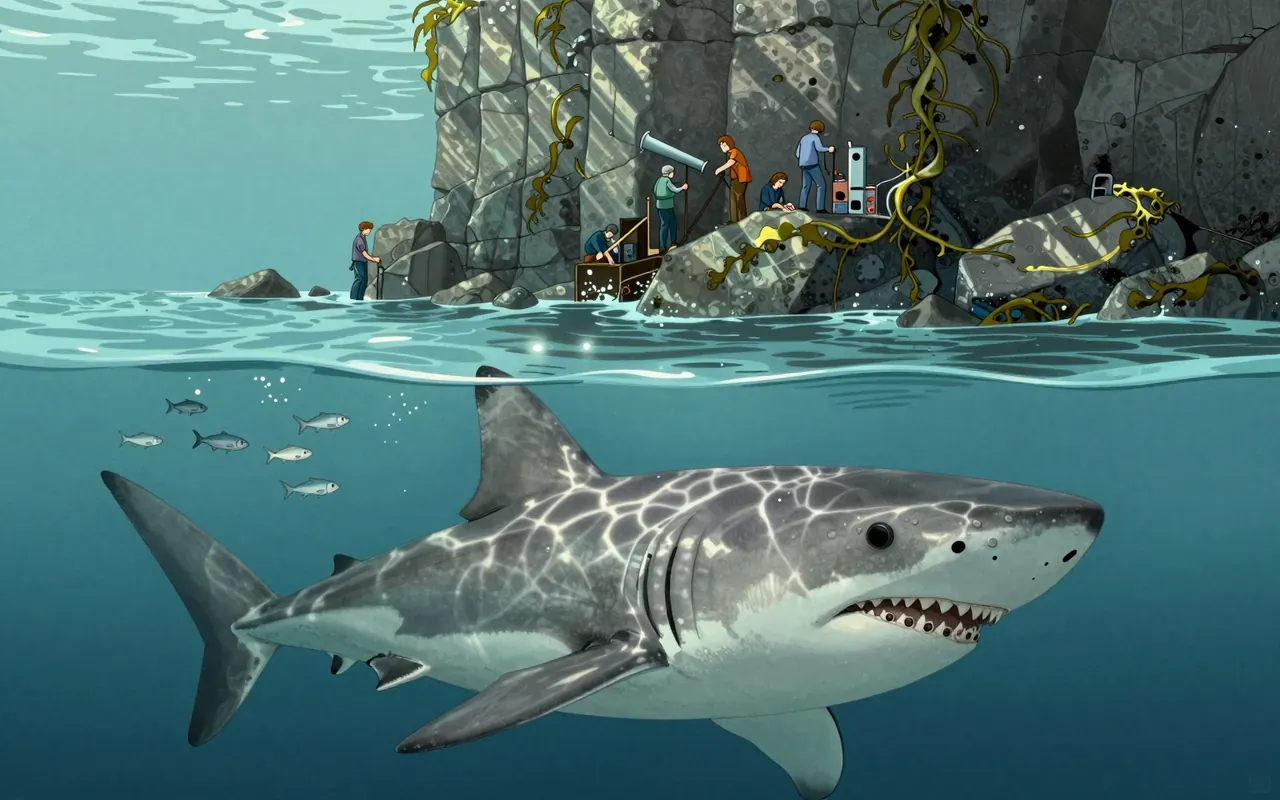
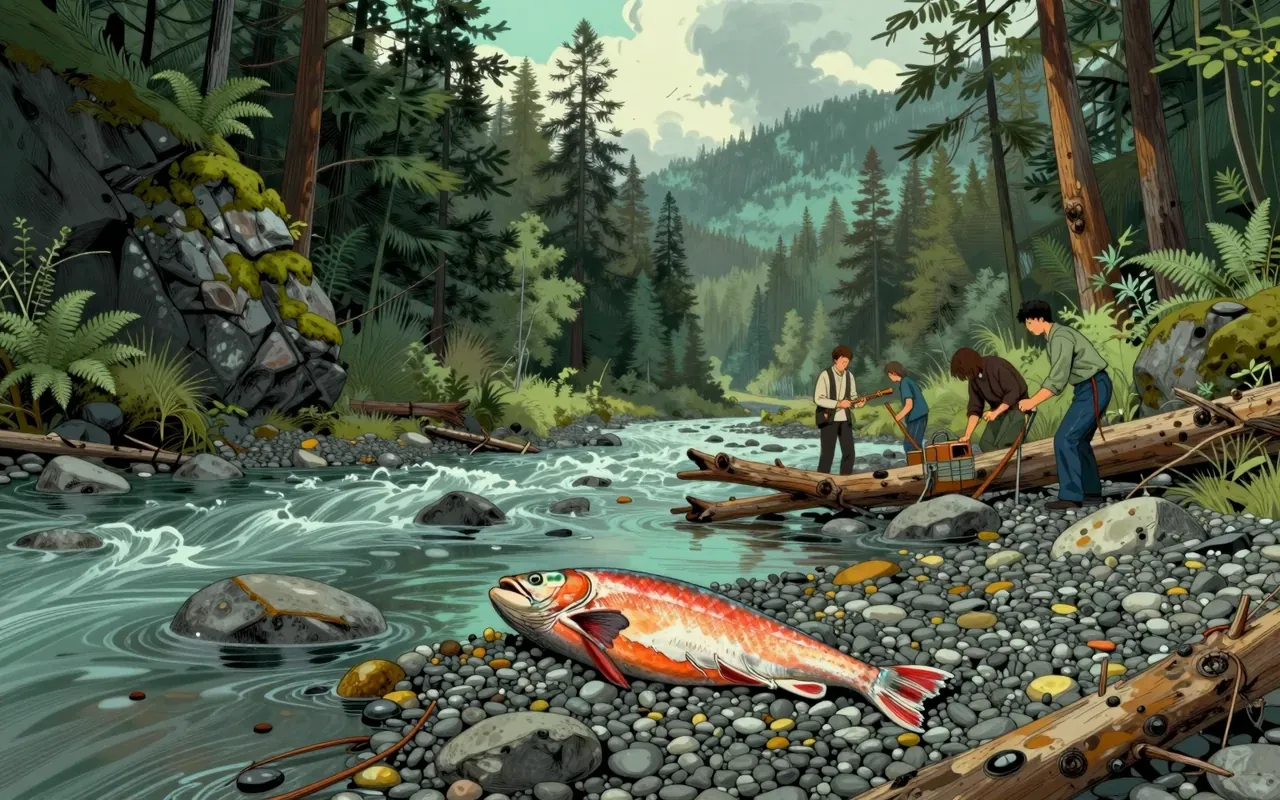
Salmon run is not a species. It is an annual anadromous migration event performed by Atlantic and Pacific salmon species. These fish hatch in freshwater, mature in the ocean, then return to spawn—and mostly die—in the same rivers where they began.
How it works, in terms someone would actually use
Salmon run is an annual upstream migration from ocean to freshwater spawning grounds. They use magnetoreception in the open sea and olfactory imprinting to find their natal river. Smell recognition is fixed during smoltification. Some stray to nearby rivers.
What it gets right
It reliably delivers adults to precise natal gravel beds using two verified sensory systems: magnetite-based magnetoreception (demonstrated in sockeye skulls) and olfactory imprinting (confirmed in 1978 experiments). This dual-system navigation works across thousands of kilometres.
What it does not
It does not guarantee return: tagging studies show some salmon stray to non-natal rivers. It does not sustain adults—most Atlantic salmon and all Pacific salmon die after spawning. It does not occur outside cold-water, Northern Hemisphere rivers.
What it changed
Salmon runs transfer marine nutrients into freshwater and riparian ecosystems via carcasses. This nutrient subsidy supports algae, insects, birds, bears, and trees. The run is a biological bridge between ocean and forest.
Who it is for, and who it is not
It is for ecologists, field biologists, fisheries managers, and naturalists who track nutrient flows or migration fidelity. It is not for casual viewers expecting spectacle on demand, nor for those seeking long-lived or repeat-spawning individuals.
Is it worth your time
Yes—if you want to see a mass animal movement shaped by magnetism and memory, not instinct alone. It is observable, predictable, and ecologically consequential. But it is not rare, nor is it visually dramatic at all life stages.