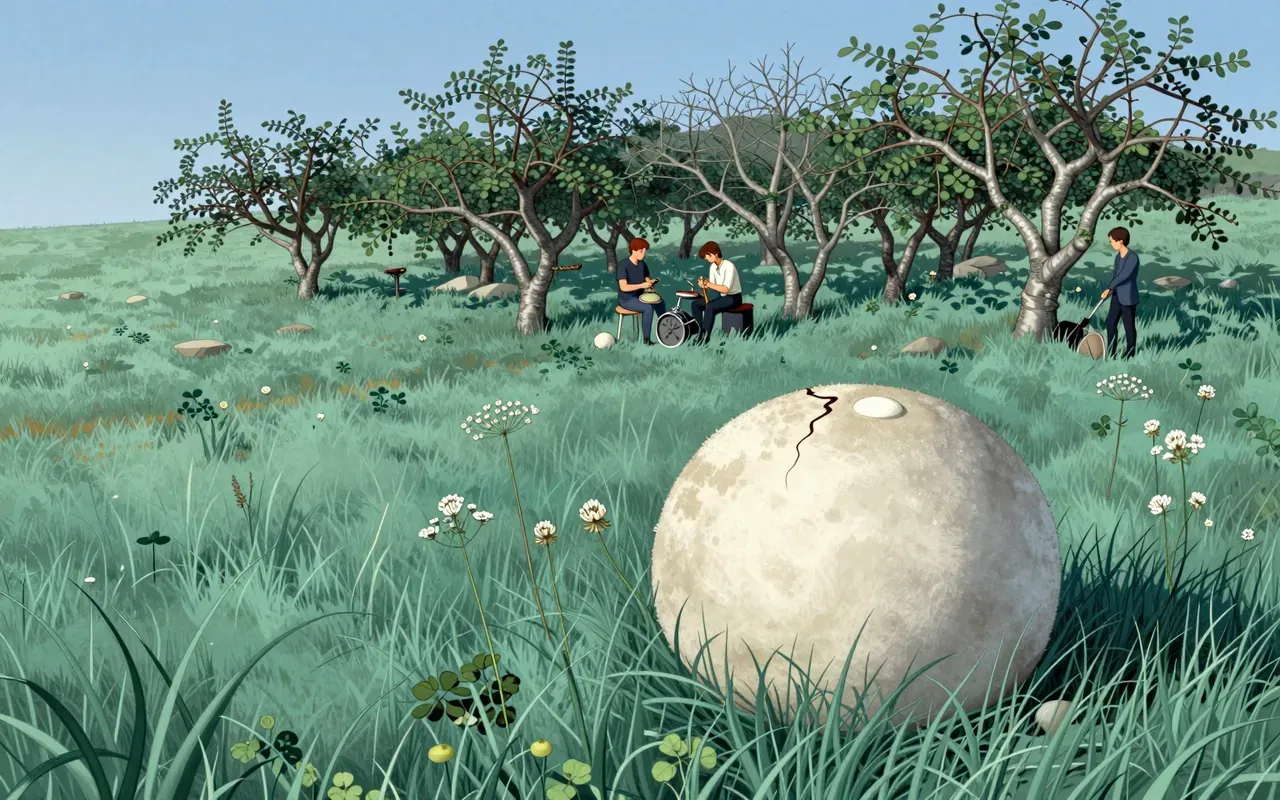
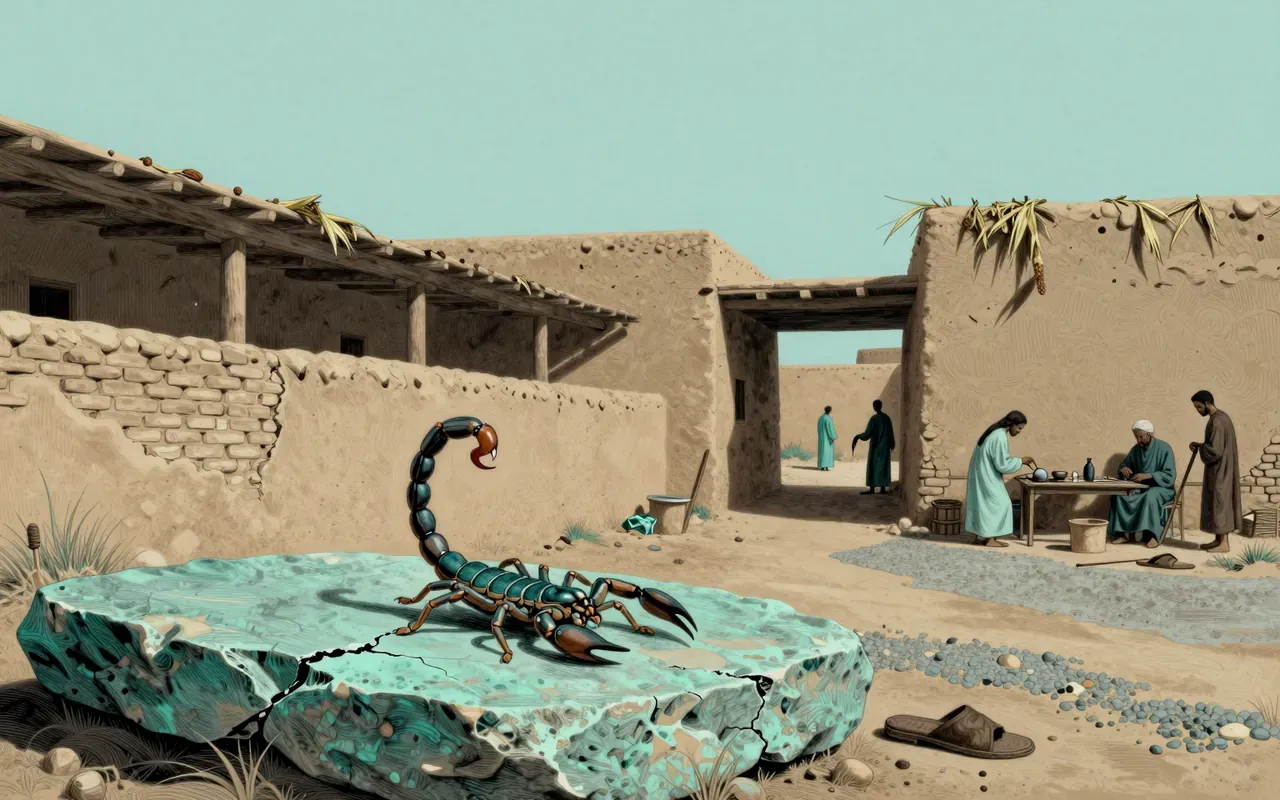
A geode is a hollow, roughly spherical rock in sedimentary or volcanic rock holding mineral matter, which may include crystals, deposited from groundwater or hydrothermal fluids.
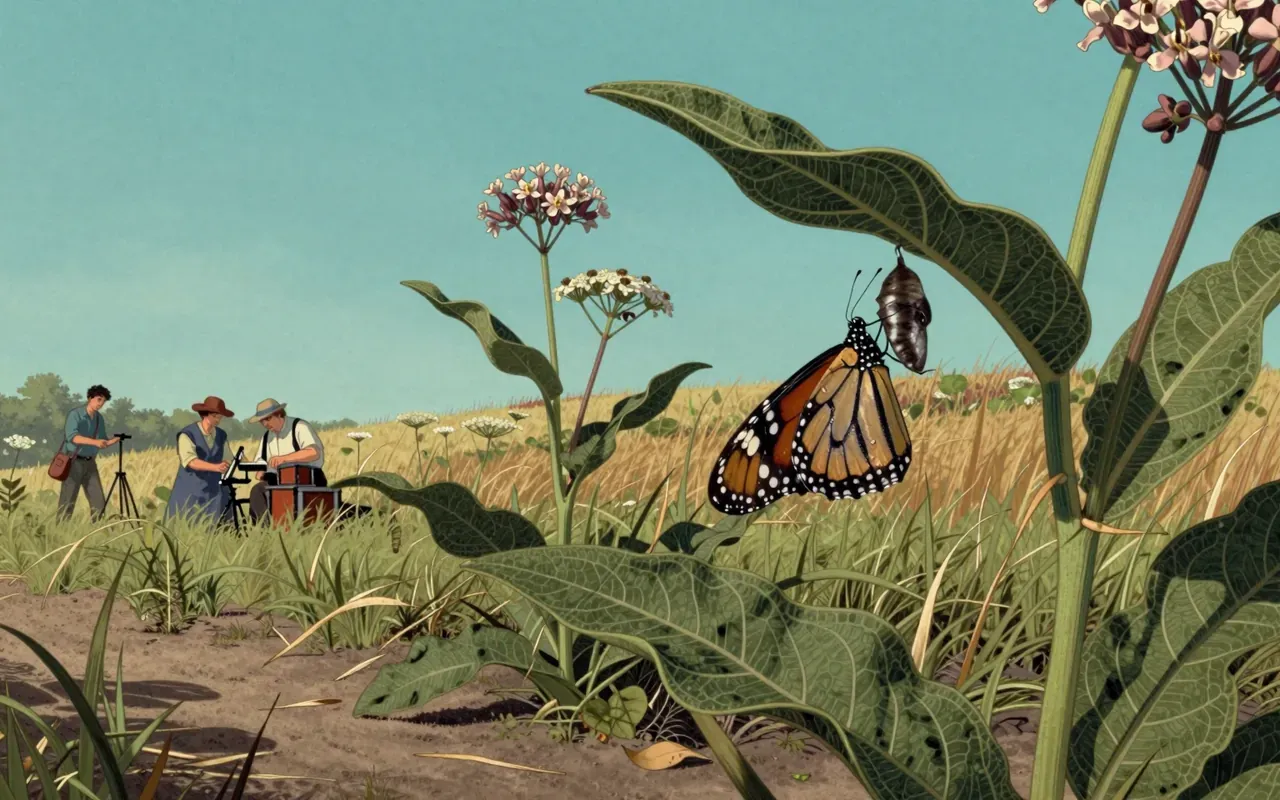
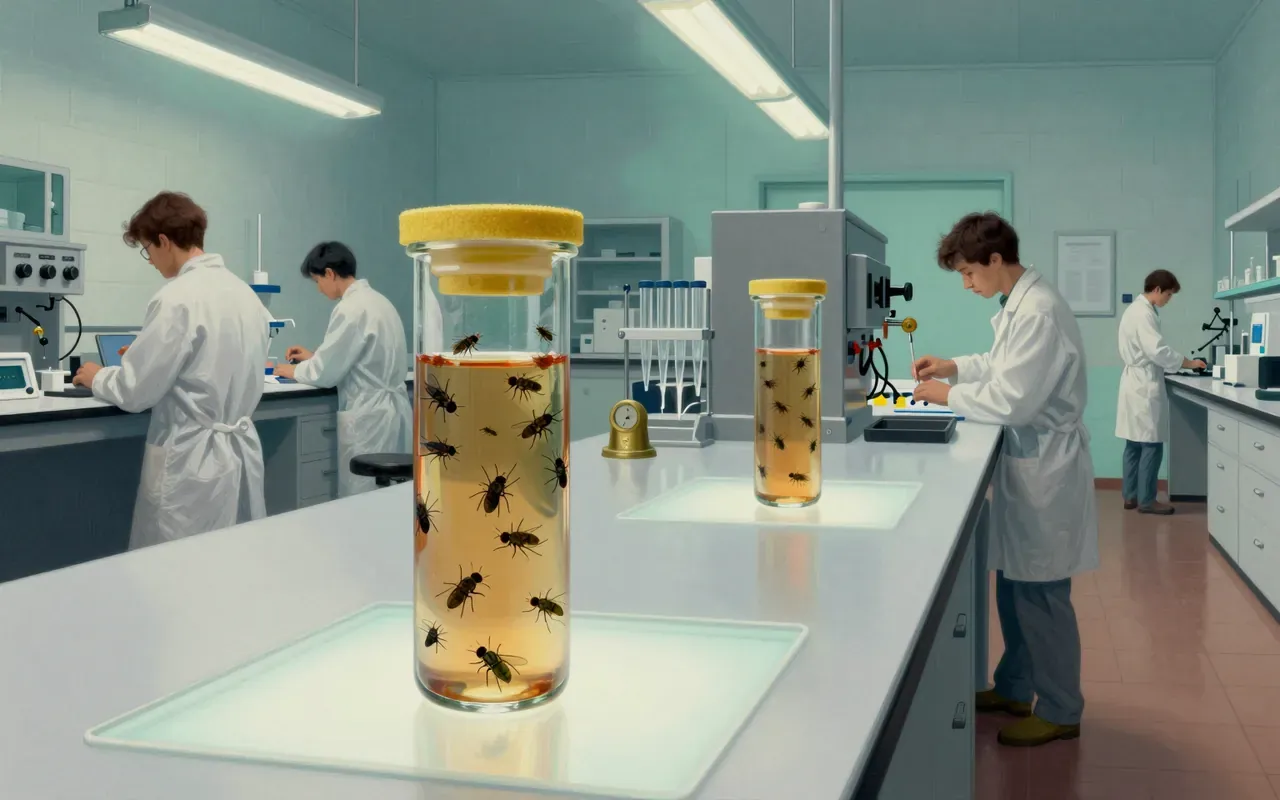
Metamorphosis is the biological process in which an animal's body changes abruptly in structure as part of its development, as when a larva becomes an adult.
Autumn leaf colour is not decay—it’s a metabolic pivot, timed to light and cold, that turns leaves into temporary solar shields and insect warning signs.
Cacao isn’t just chocolate’s source — it’s a glacial survivor, midge-dependent, and genetically anchored to a bean-shaped refuge no bigger than Ecuador.
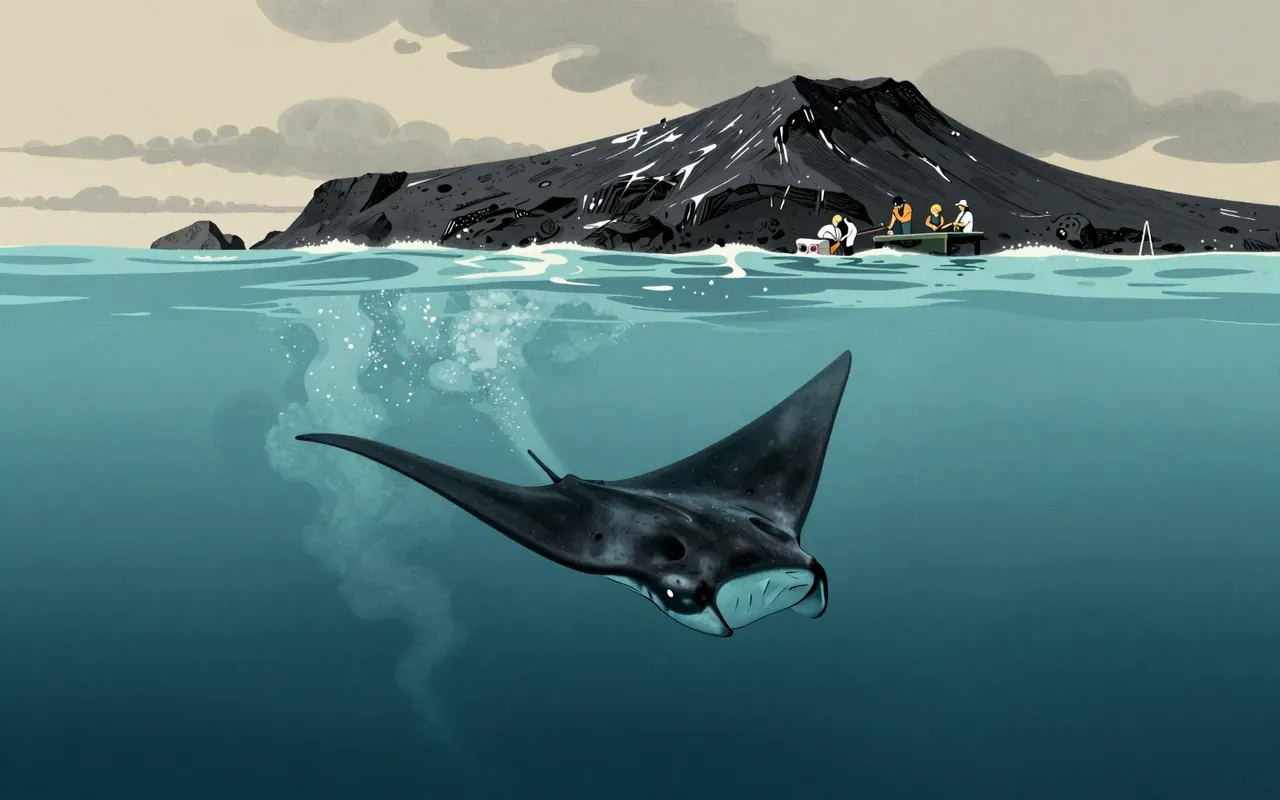
The ocean’s largest ray doesn’t live in reefs—it lives in the current, eats fish and plankton, and got its genus changed because DNA proved taxonomists were wrong.
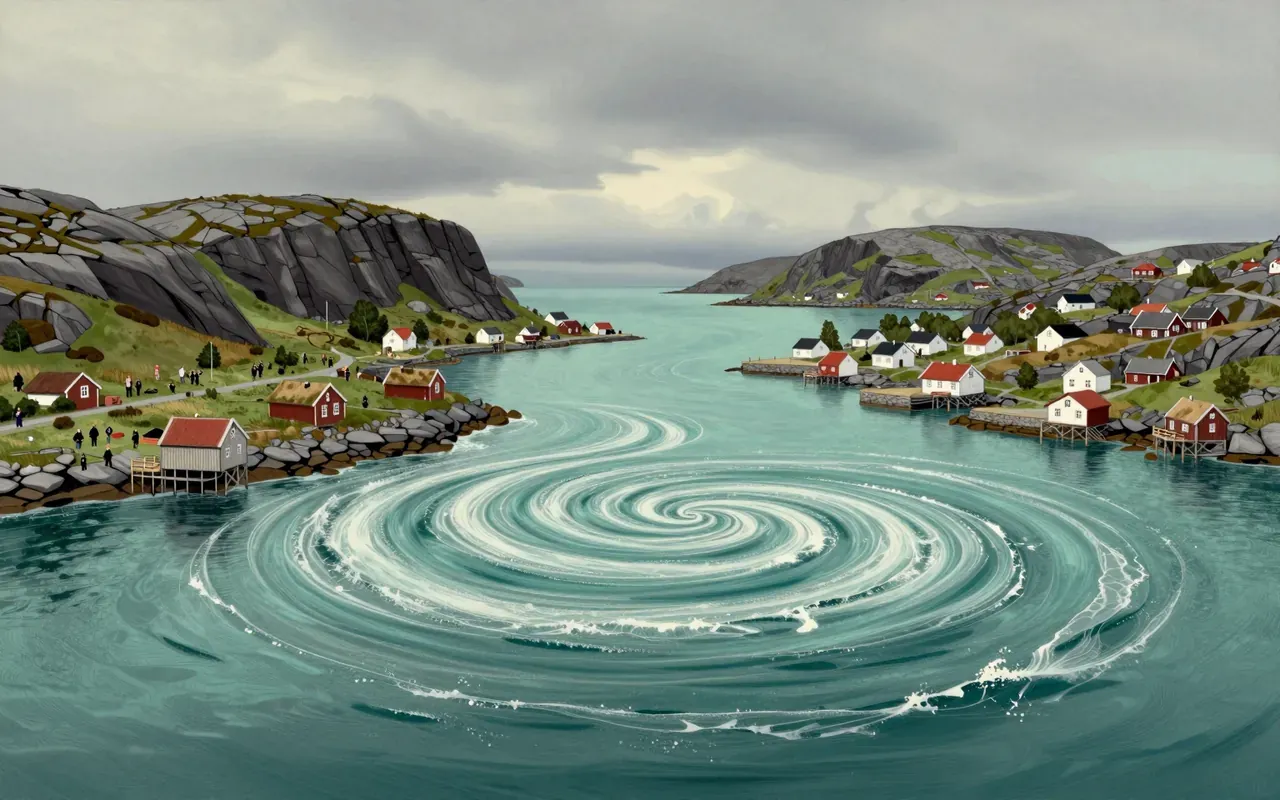
The world’s most famous maelstrom isn’t a vortex that swallows ships — it’s a tide-powered engine of open-sea rotation, visible from the air and proven by 18th-century poetry.
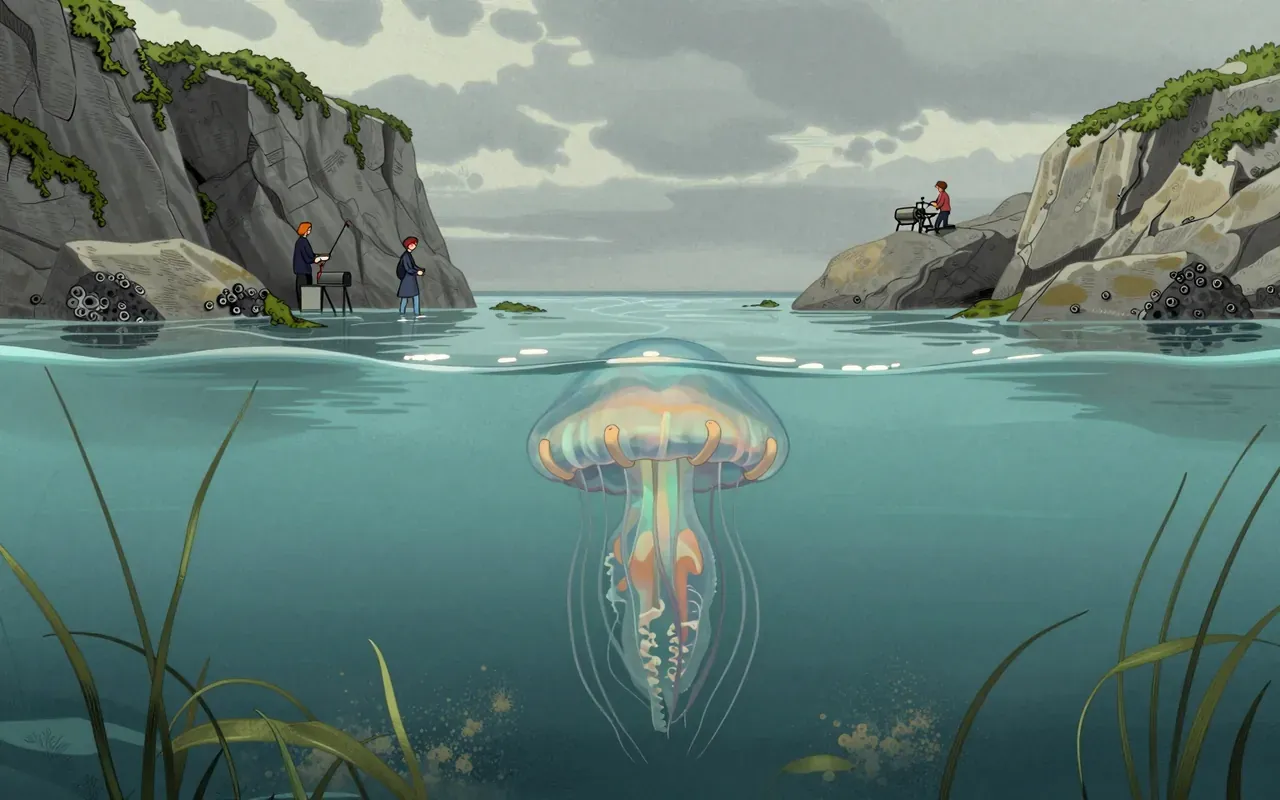
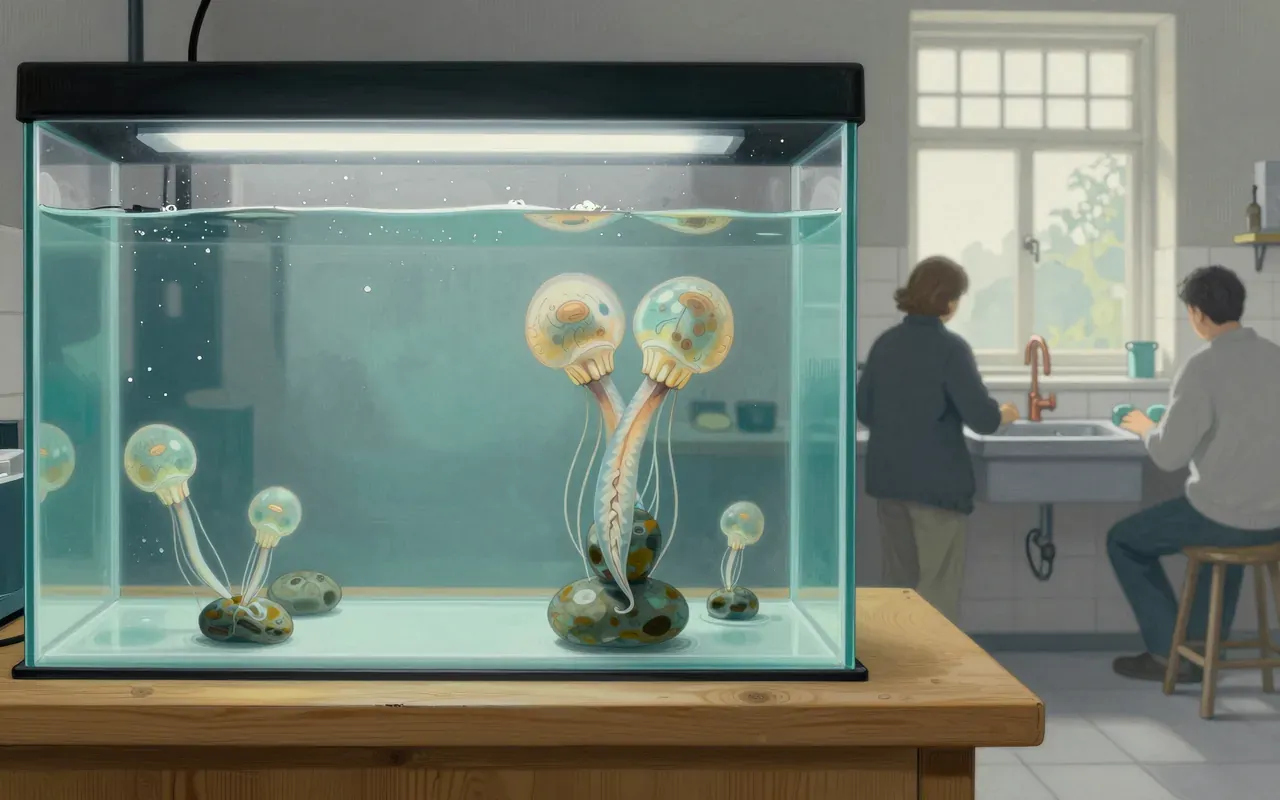
Aurelia aurita isn’t everywhere — it’s a local specialist that only works because its polyps outlive famine and demand bacterial co-signature to become jellyfish.
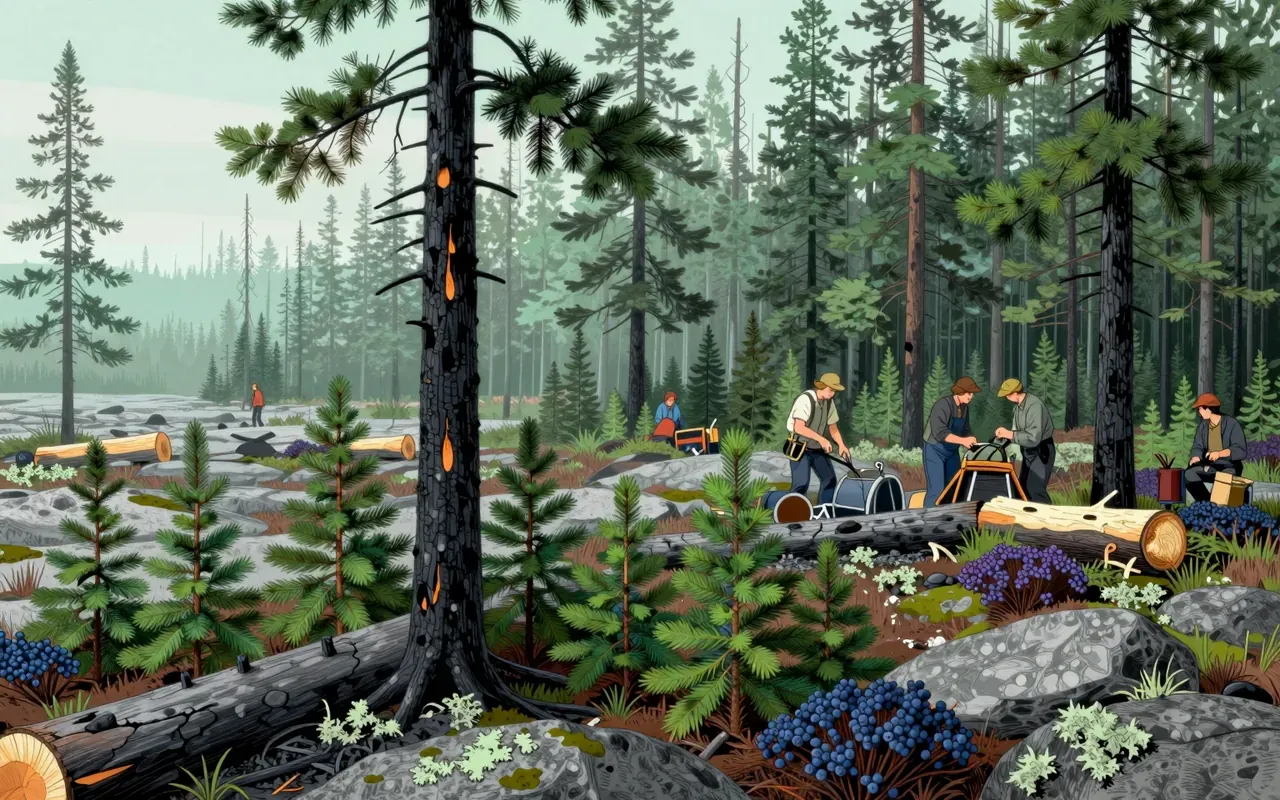
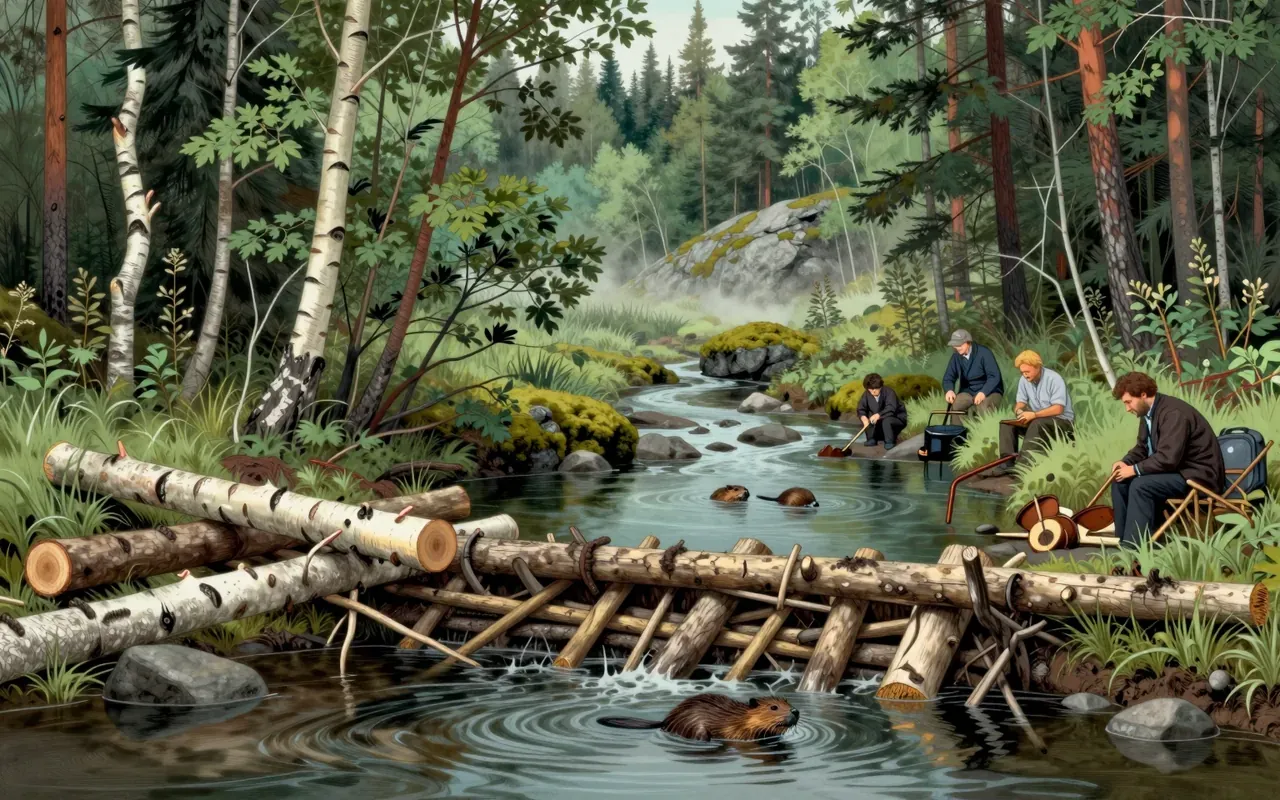
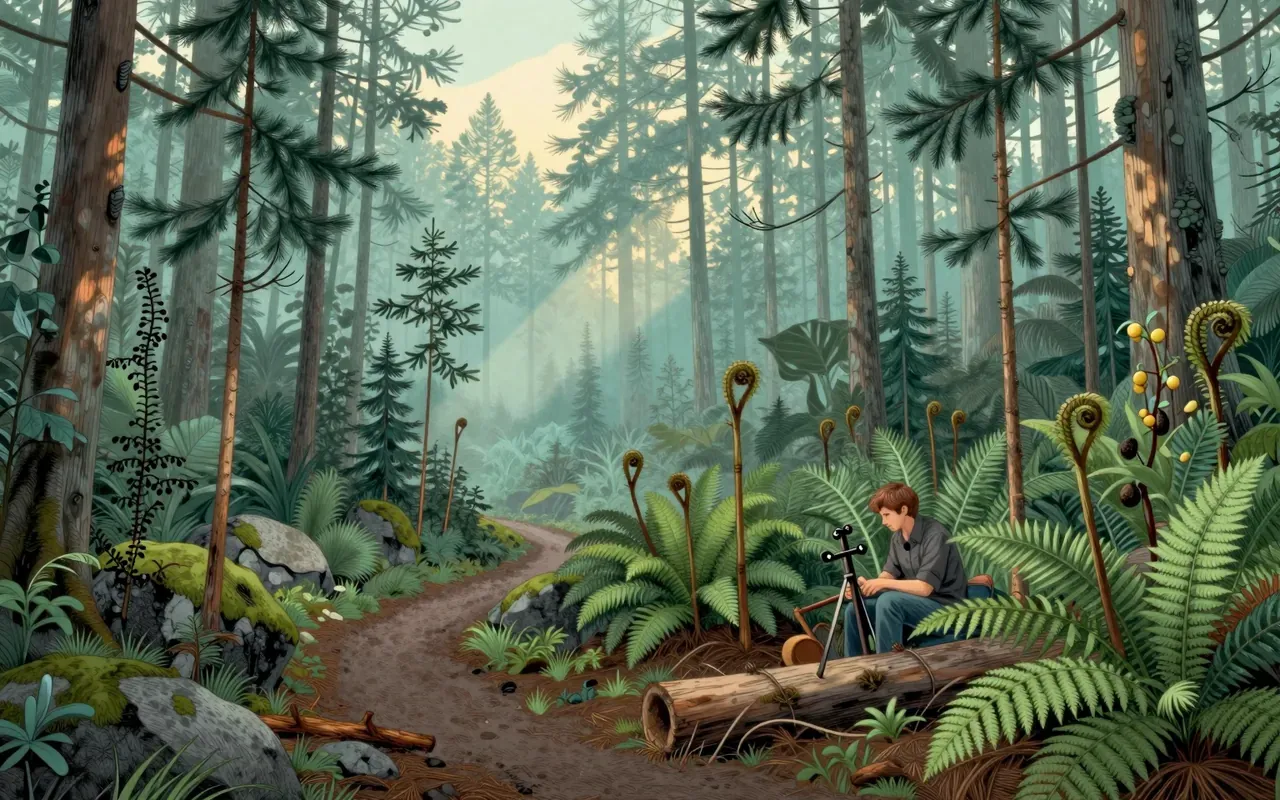
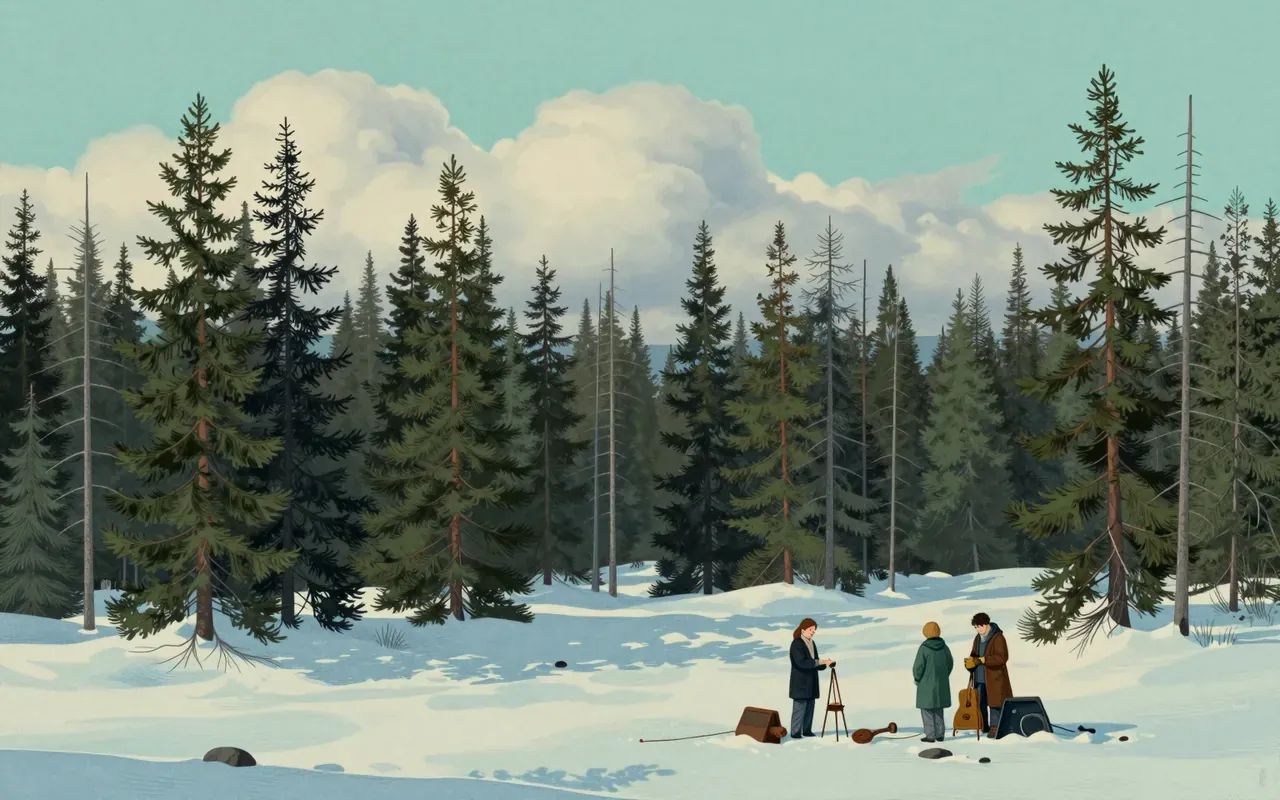
The taiga isn’t ancient wilderness—it’s a 12,000-year-old fire-and-frost machine that stores more carbon than all tropical forests, yet is already unravelling at both ends.