Saved
Topic

Oceans

Most of the planet, least of the attention.

31
in nature
9:35
average
297 min
in total
48
across the network
Oceans across the network →
All briefs31
9:38

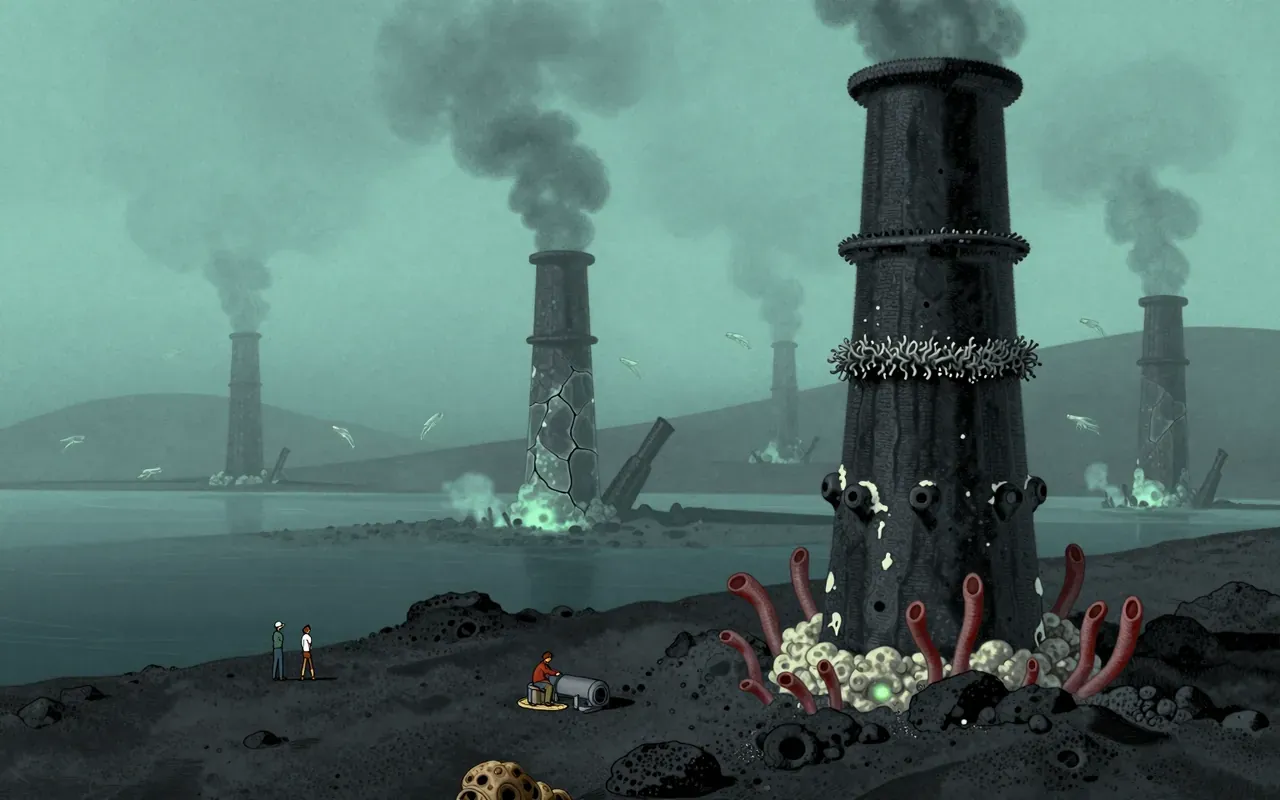
Hydrothermal vent

Life without sunlight isn’t science fiction — it’s boiling, mineral-rich water on the ocean floor.
8:53

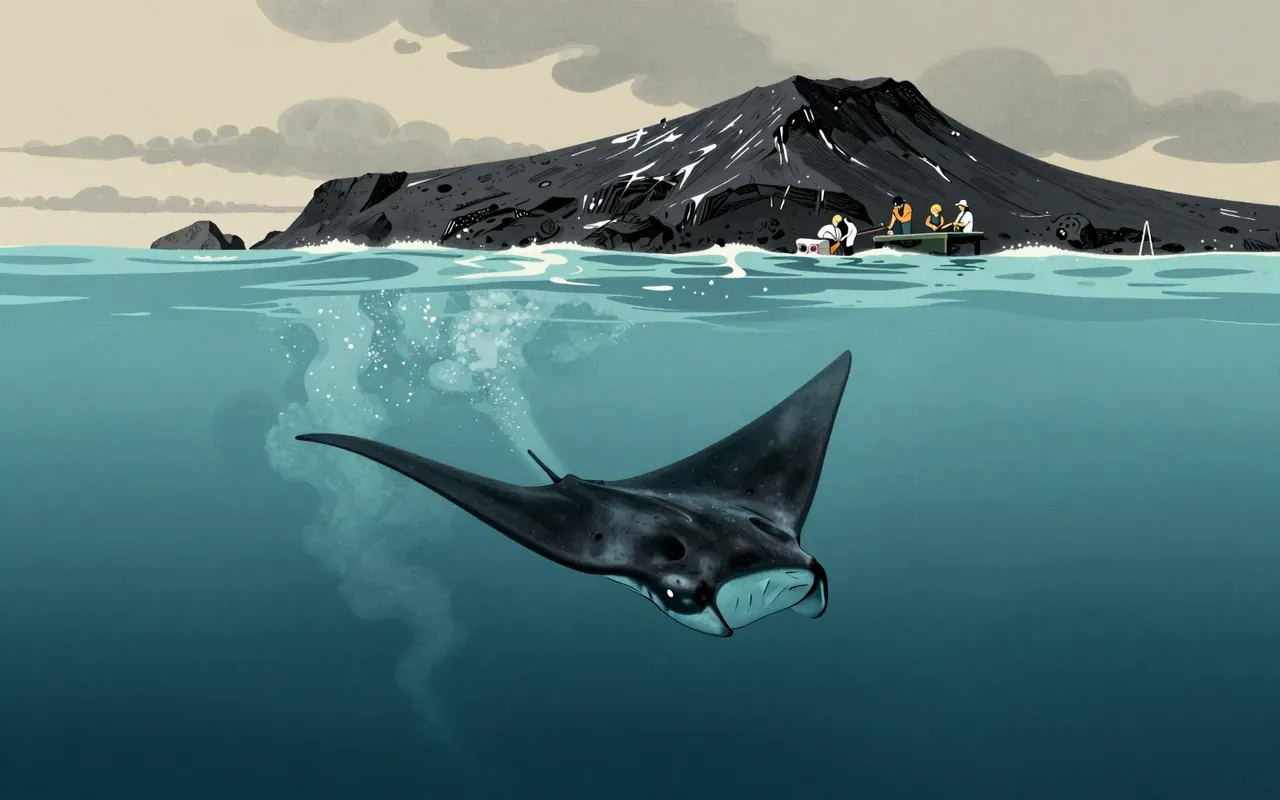
Giant oceanic manta ray

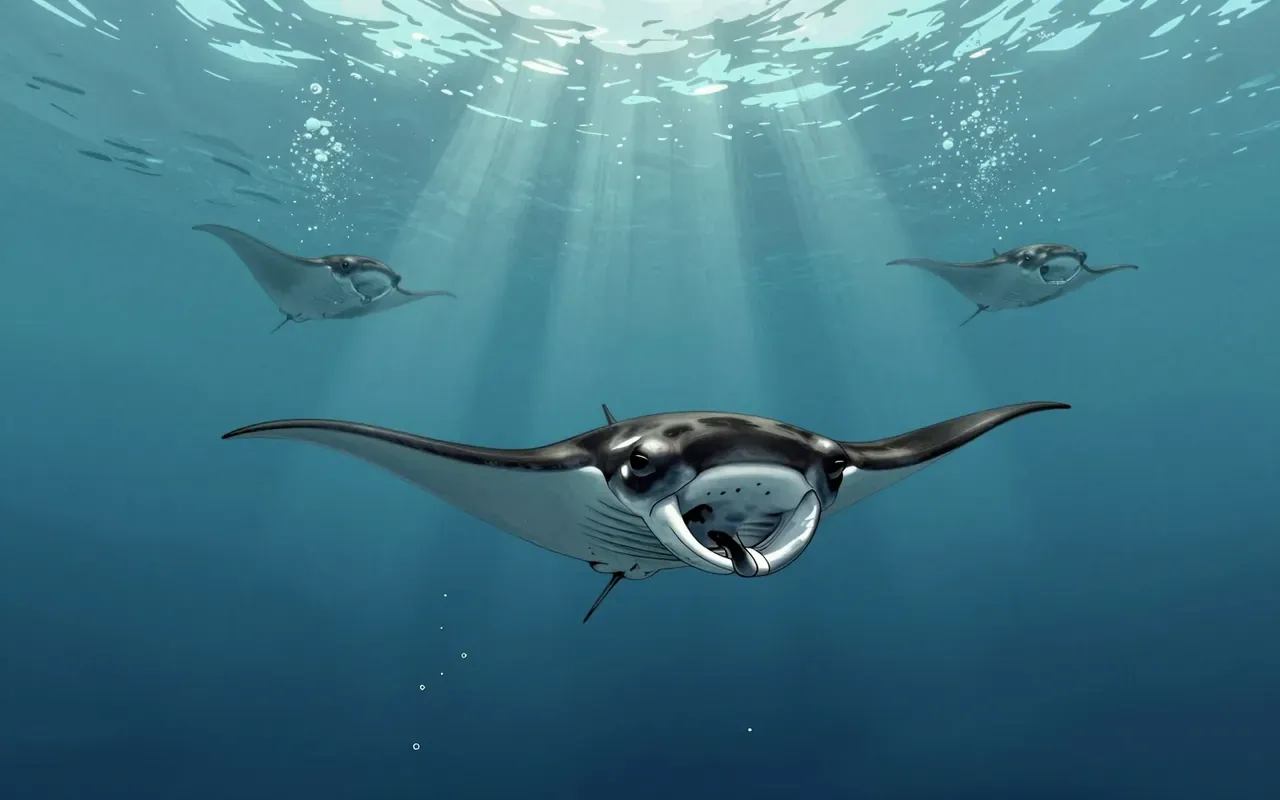
The ocean’s largest ray doesn’t live in reefs—it lives in the current, eats fish and plankton, and got its genus changed because DNA proved taxonomists were wrong.
8:24

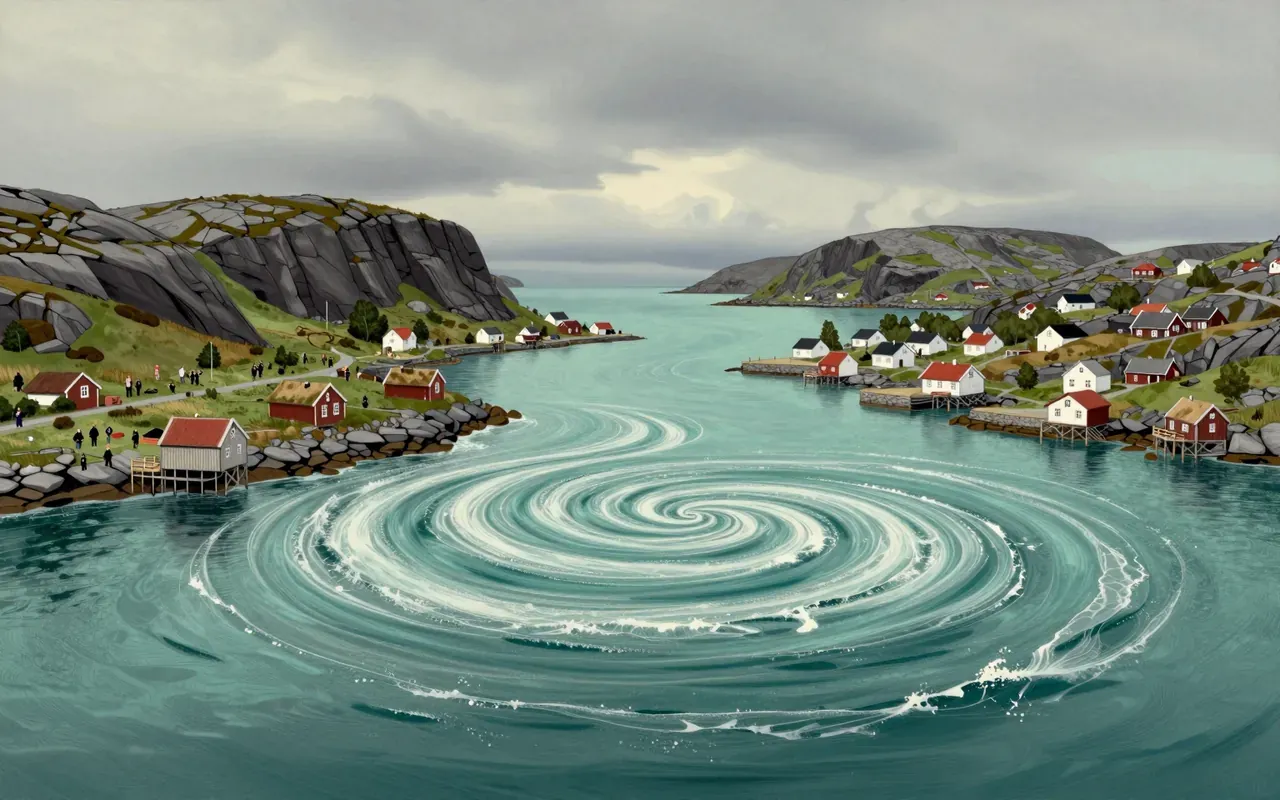
Moskstraumen

The world’s most famous maelstrom isn’t a vortex that swallows ships — it’s a tide-powered engine of open-sea rotation, visible from the air and proven by 18th-century poetry.
8:47

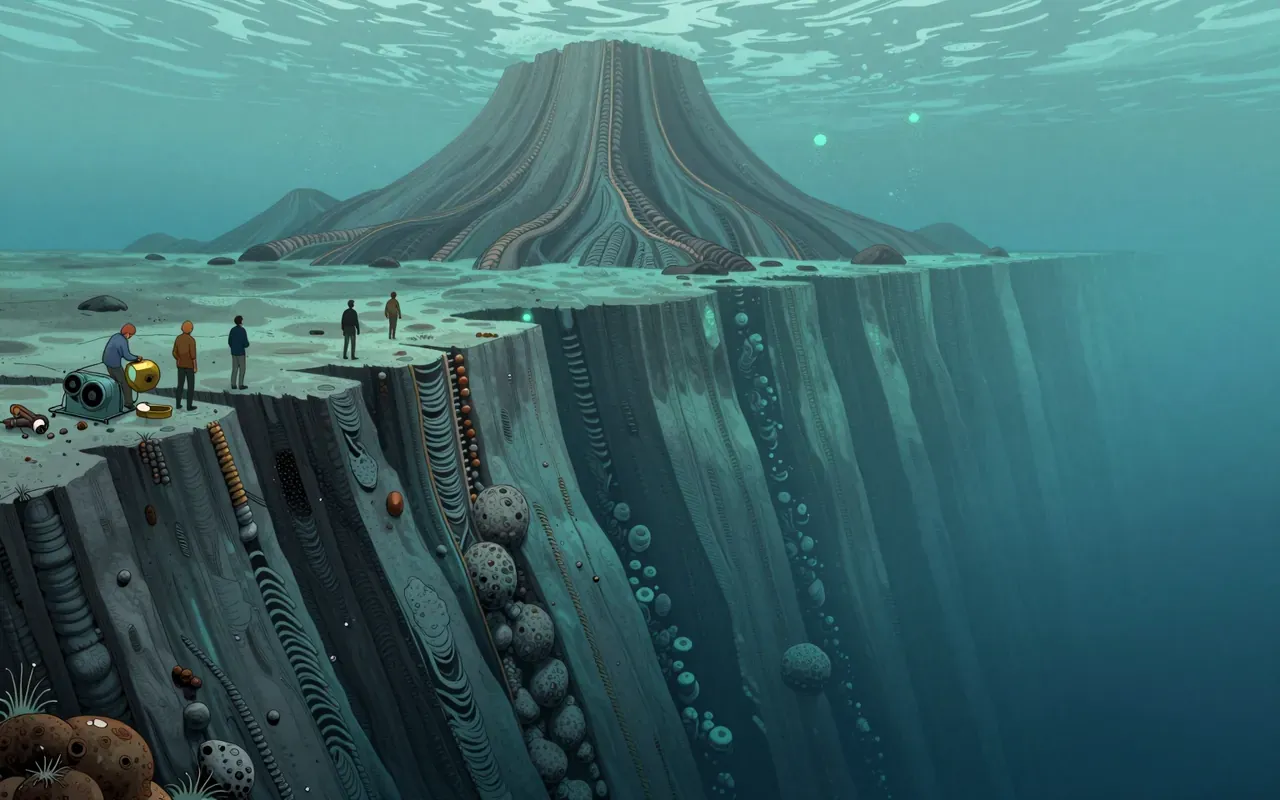
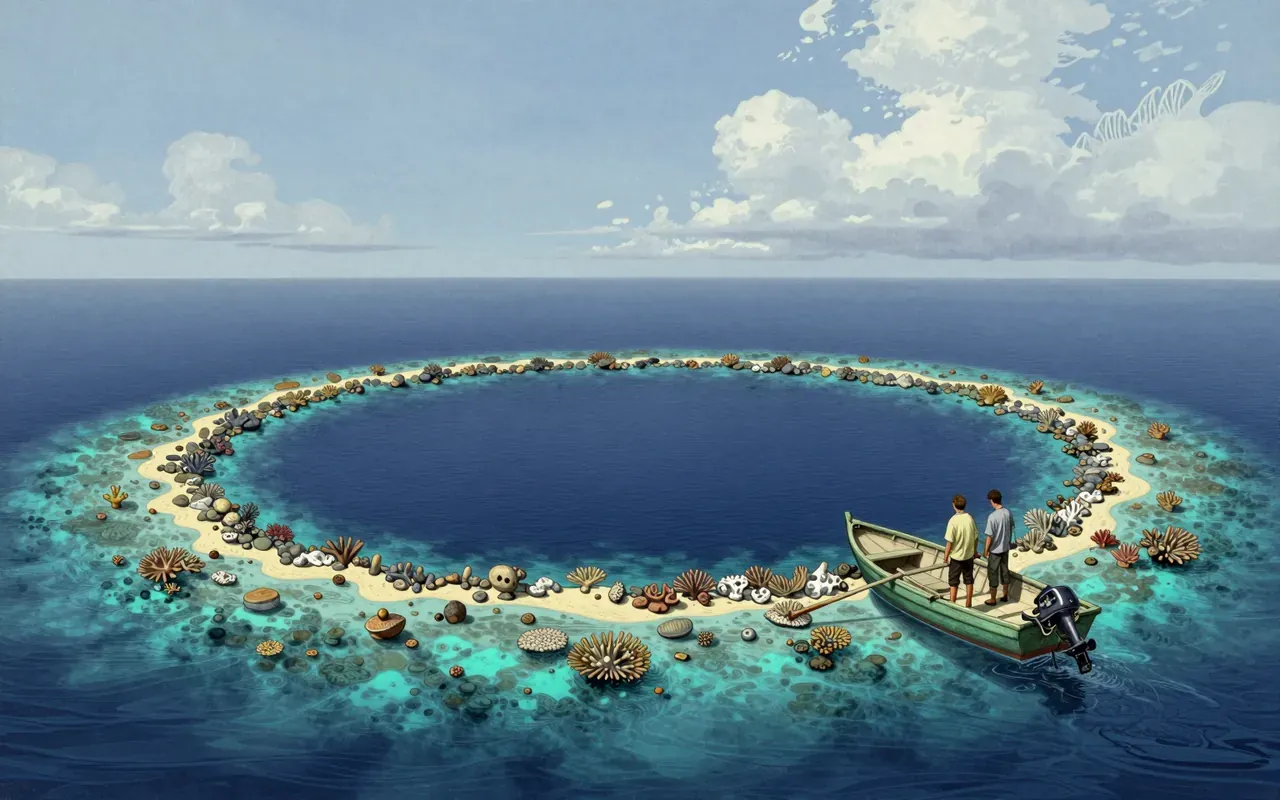
Challenger Deep

Earth’s deepest known point isn’t a single hole—it’s three aligned basins, mapped, measured, and descended—but it tells us nothing about life, heat, or time down there.
10:23

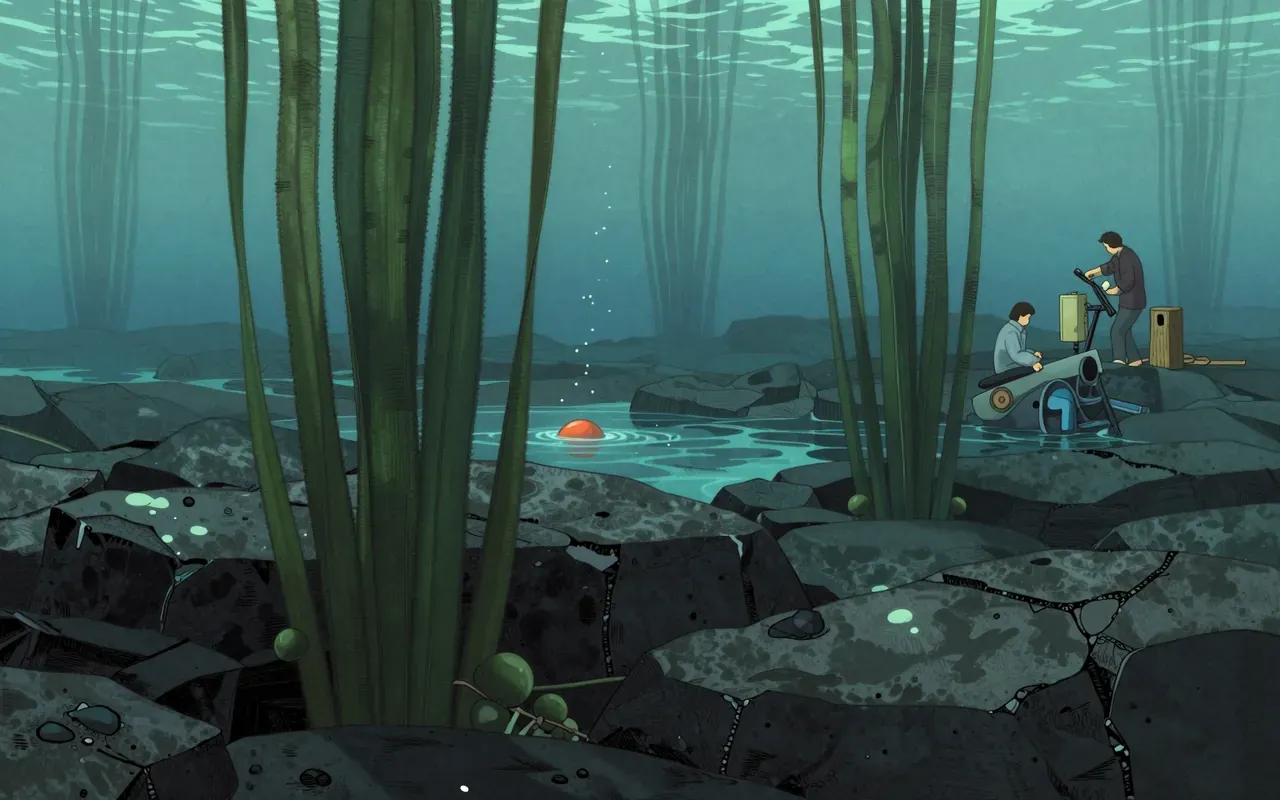
Macrocystis

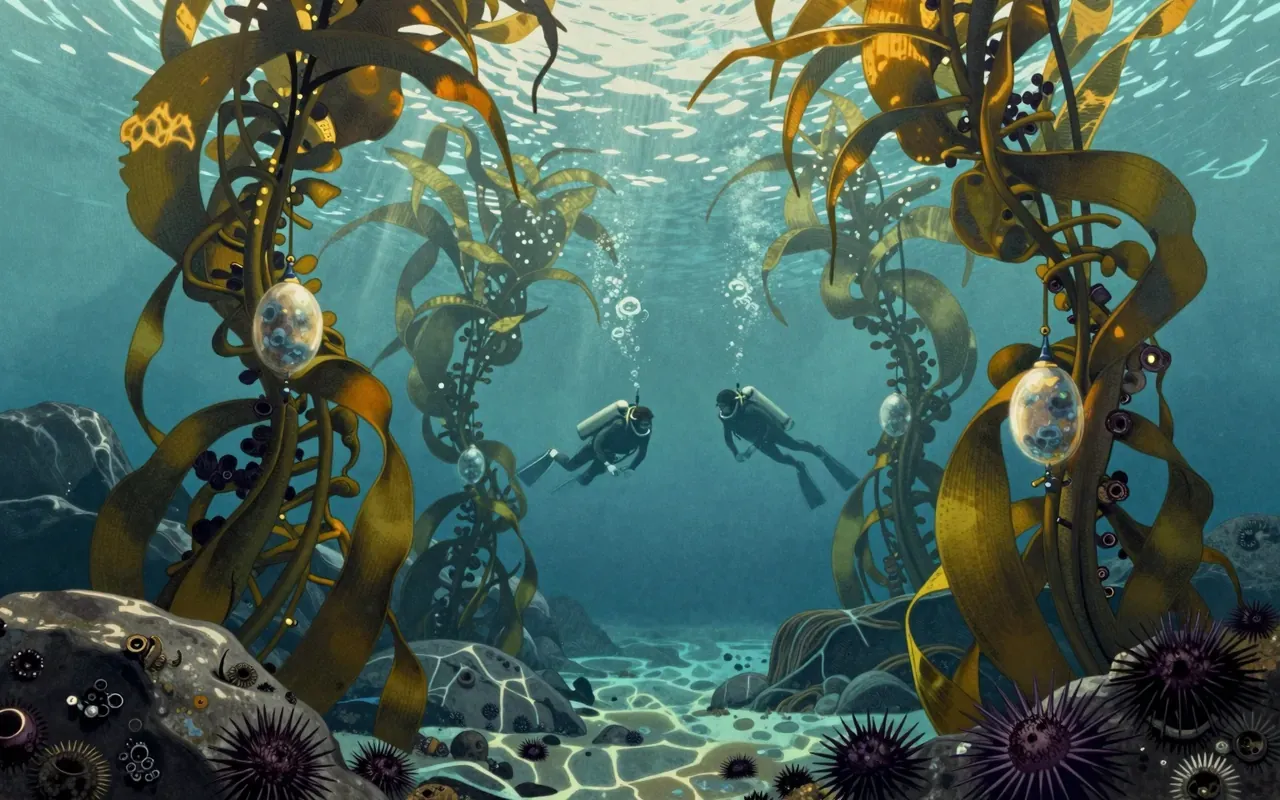
It’s not a plant—it’s a buoyant, pH-shifting, taxonomically streamlined giant that collapses under heat, urchins, and pollution.
9:31

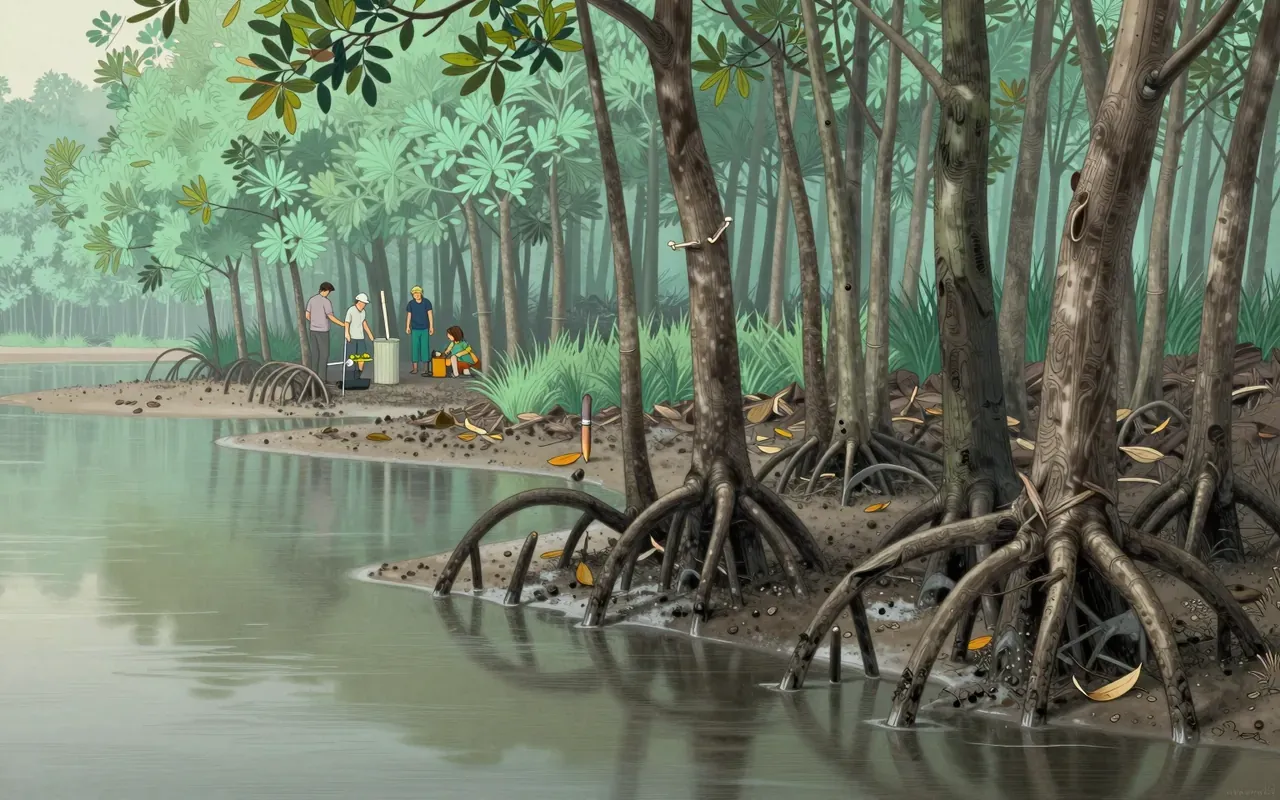
Mangrove

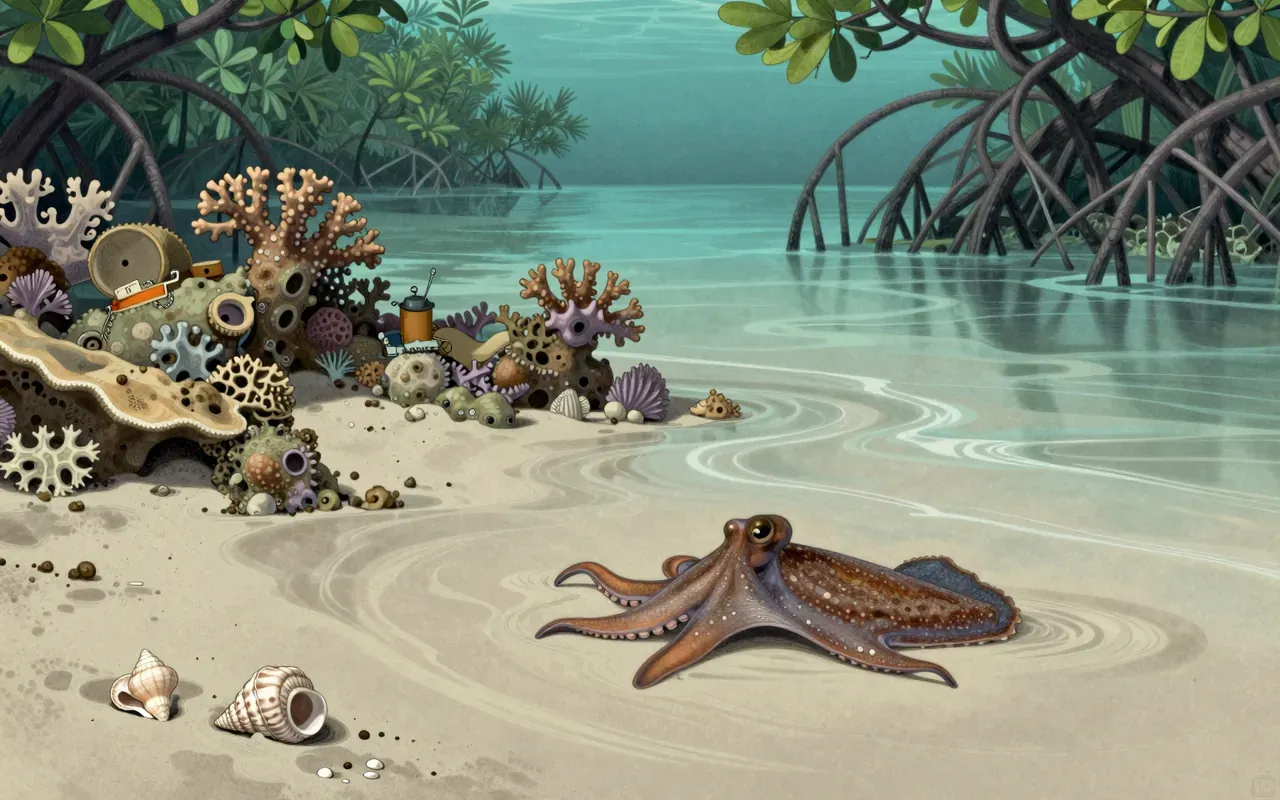
Mangroves don’t just survive the sea — they rewrite its boundary.
8:27

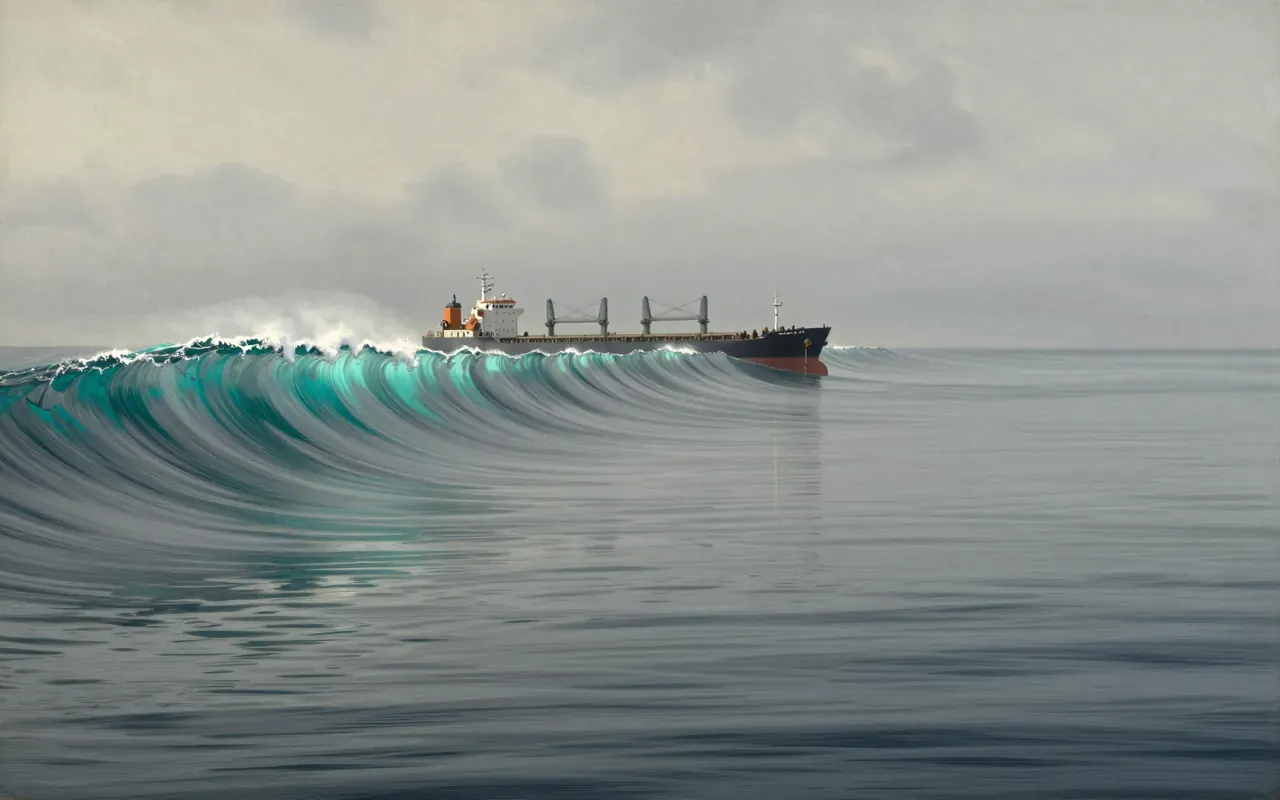
Rogue wave

Rogue waves are not myths—they’re daily, dangerous, and defined: double the sea’s average big waves.
8:37

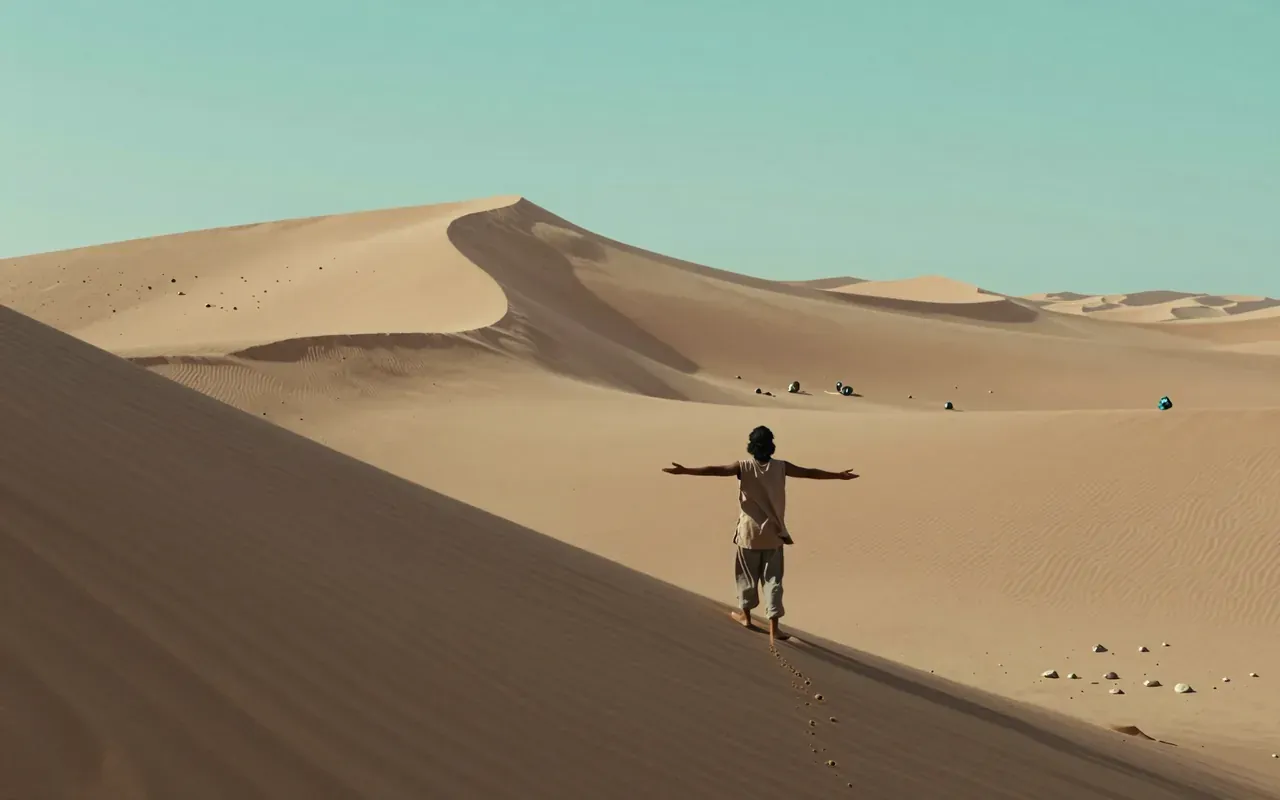
Singing sand

Sand doesn’t sing—it shears, resonates, and releases air with mechanical precision.
12:01

Sargasso Sea

A gyre without shores — where eels spawn, microbes thrive, and oxygen bubbles up by the billion litres an hour.
8:12

Anglerfish

Predation by puppetry. Reproduction by fusion. Evolution without compromise.
9:35

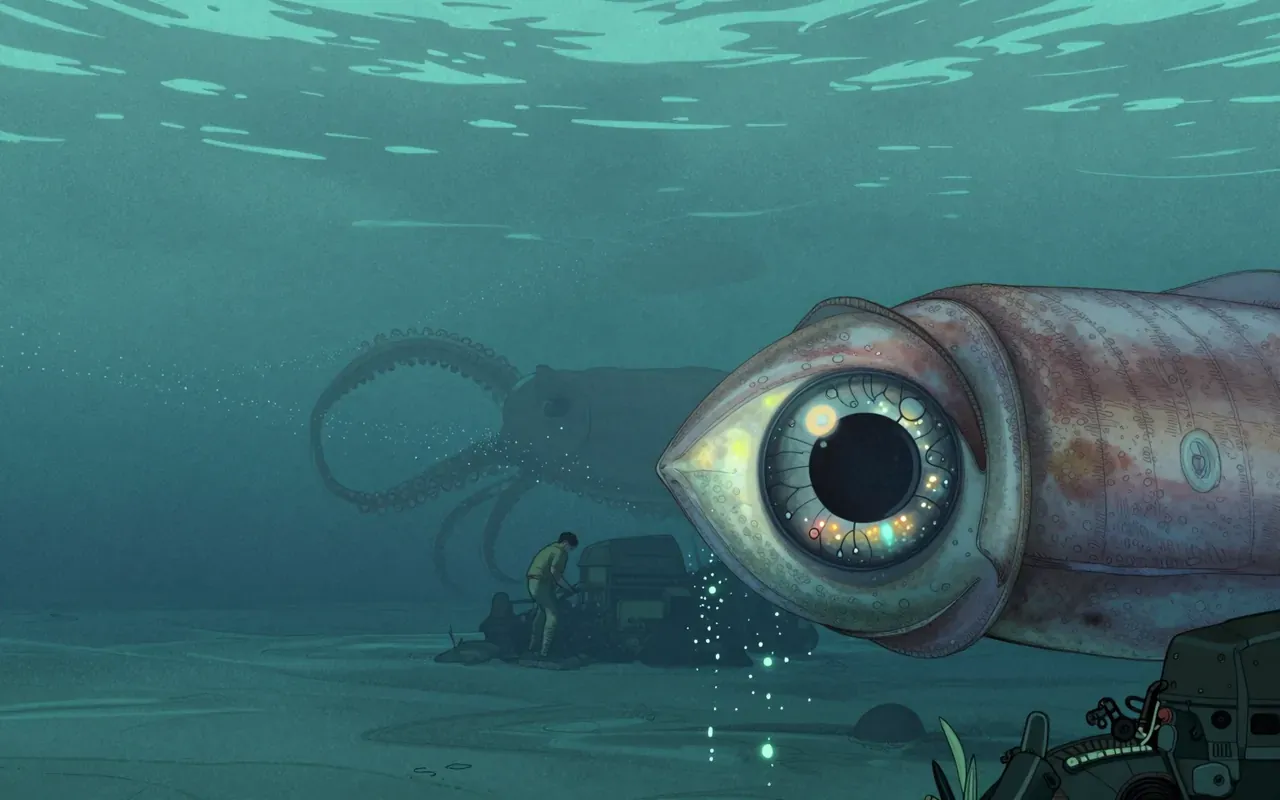
Colossal squid

The heaviest invertebrate alive has eyes the size of dinner plates — and we’ve only ever seen it dead.
9:04

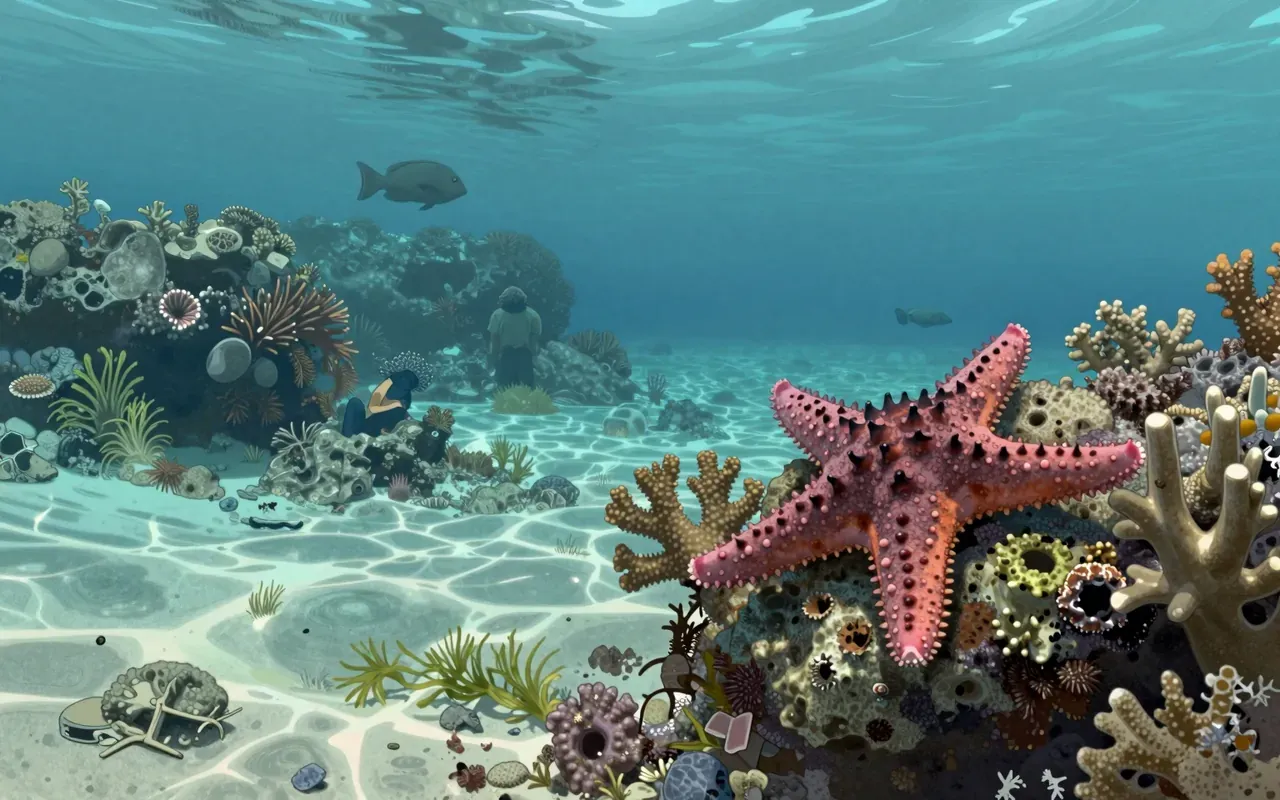
Crown-of-thorns starfish

It doesn’t eat reefs—it eats coral polyps, one colony at a time, with venomous spines that make it impossible to ignore.
8:08

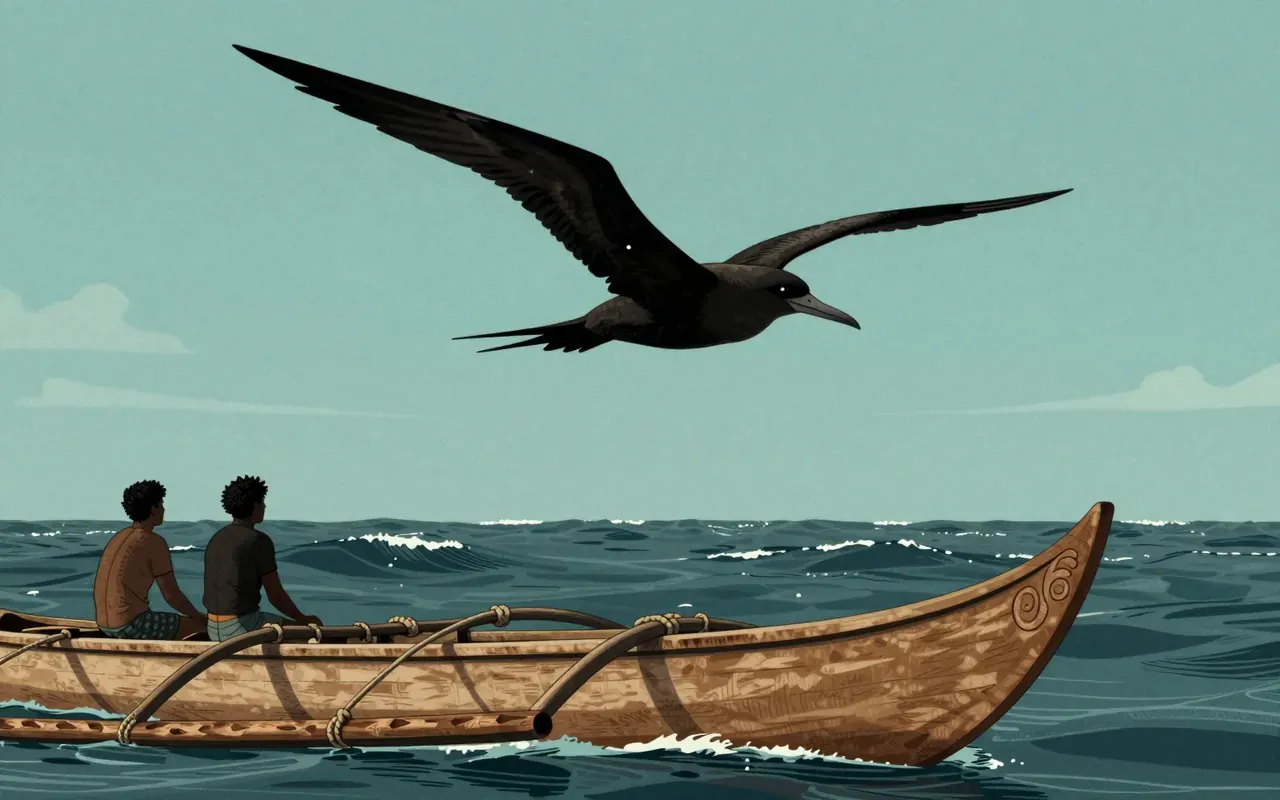
Frigatebird

A seabird that cannot land on water—but can steal your lunch from the air.
10:02

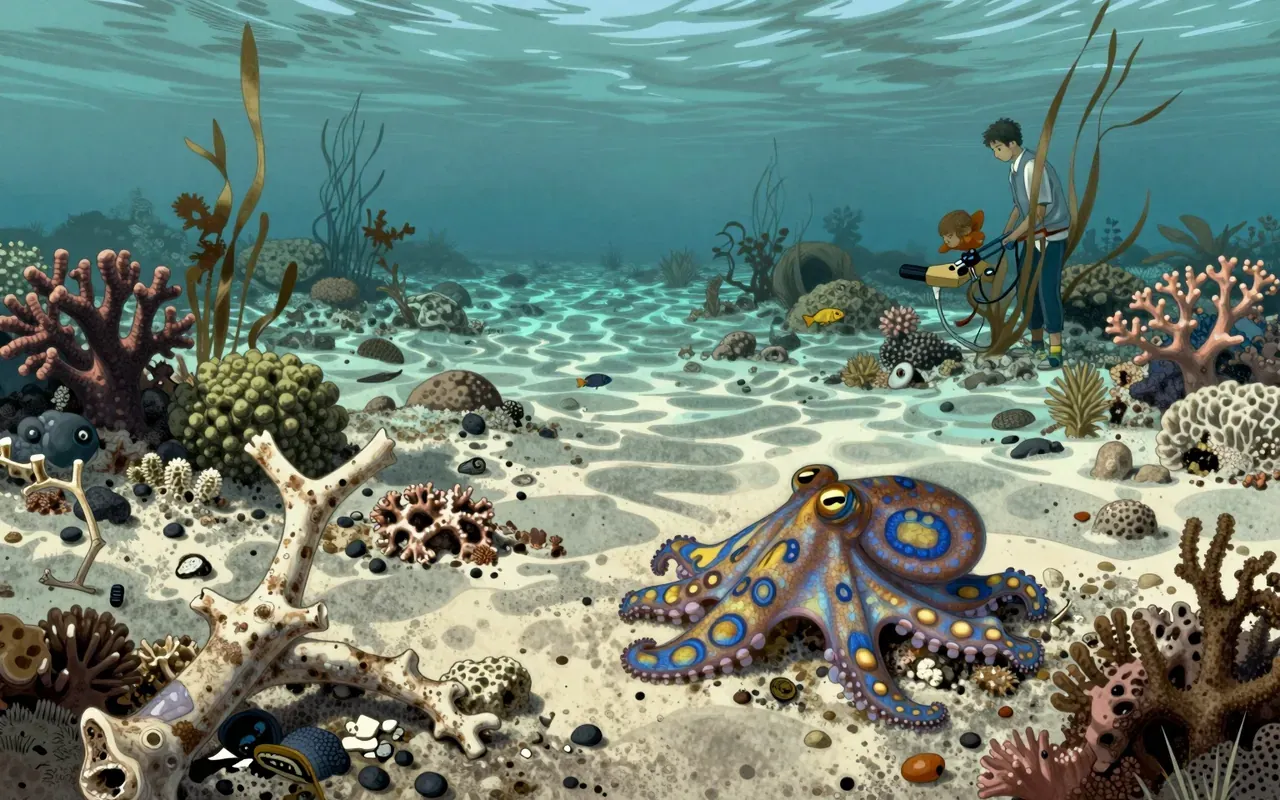
Giant Pacific octopus

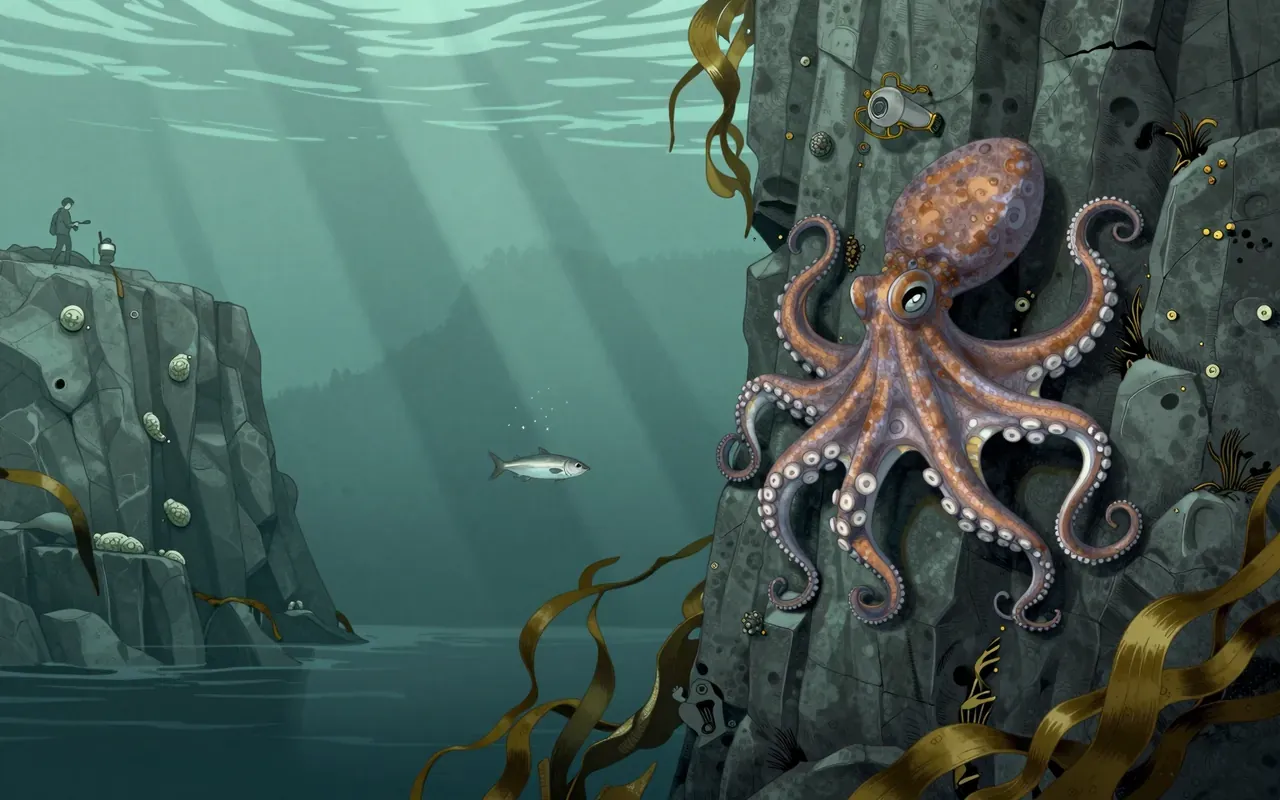
The largest octopus on Earth doesn’t need charisma—it just needs cold water, crabs, and 2,000 metres of vertical freedom.
10:09

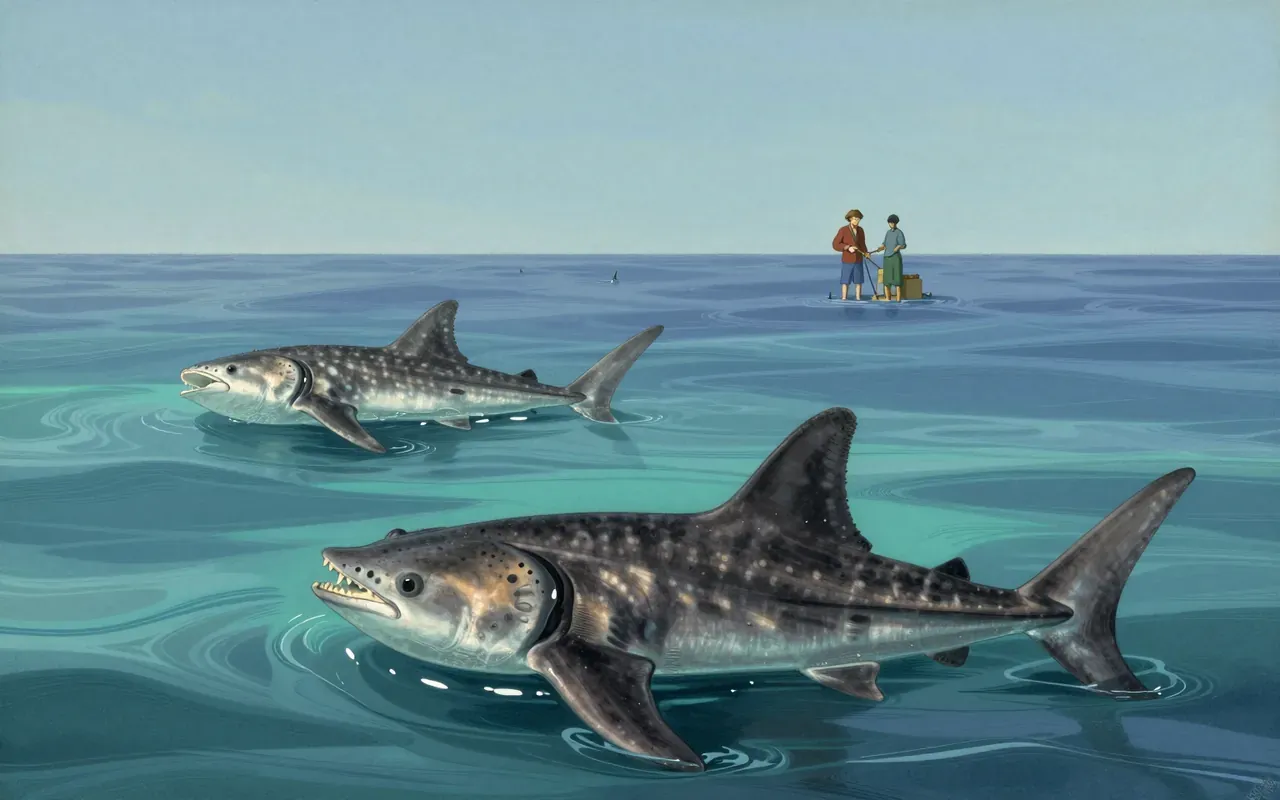
Goblin shark

A 125-million-year-old jaw-trap that lives at 2,000 m—and has never been seen feeding in daylight.
10:31

Great white shark

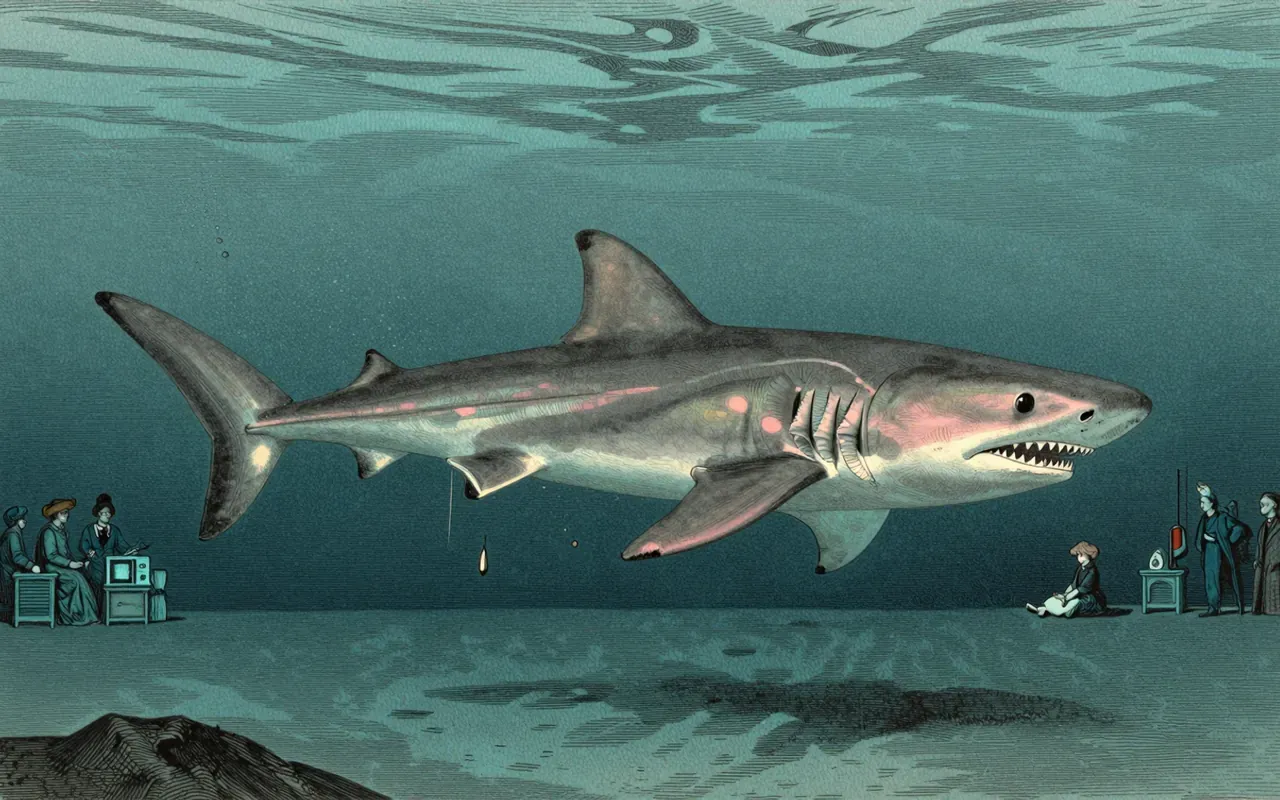
A cold-water-capable apex predator that migrates across oceans—not to wander, but to hunt seals where they gather.
9:20

Japanese spider crab

The largest leg-span arthropod alive is a gentle, orange-and-white scavenger—deep-dwelling, overfished, and utterly singular.
11:28

Kelp forest

Kelp forests are ecosystem engineers — not organisms, but infrastructure built by algae.
14:13

Manta ray

Three species. One flawed taxonomy. A brainy filter feeder that cannot outrun a fishing net.
8:43

Moray eel

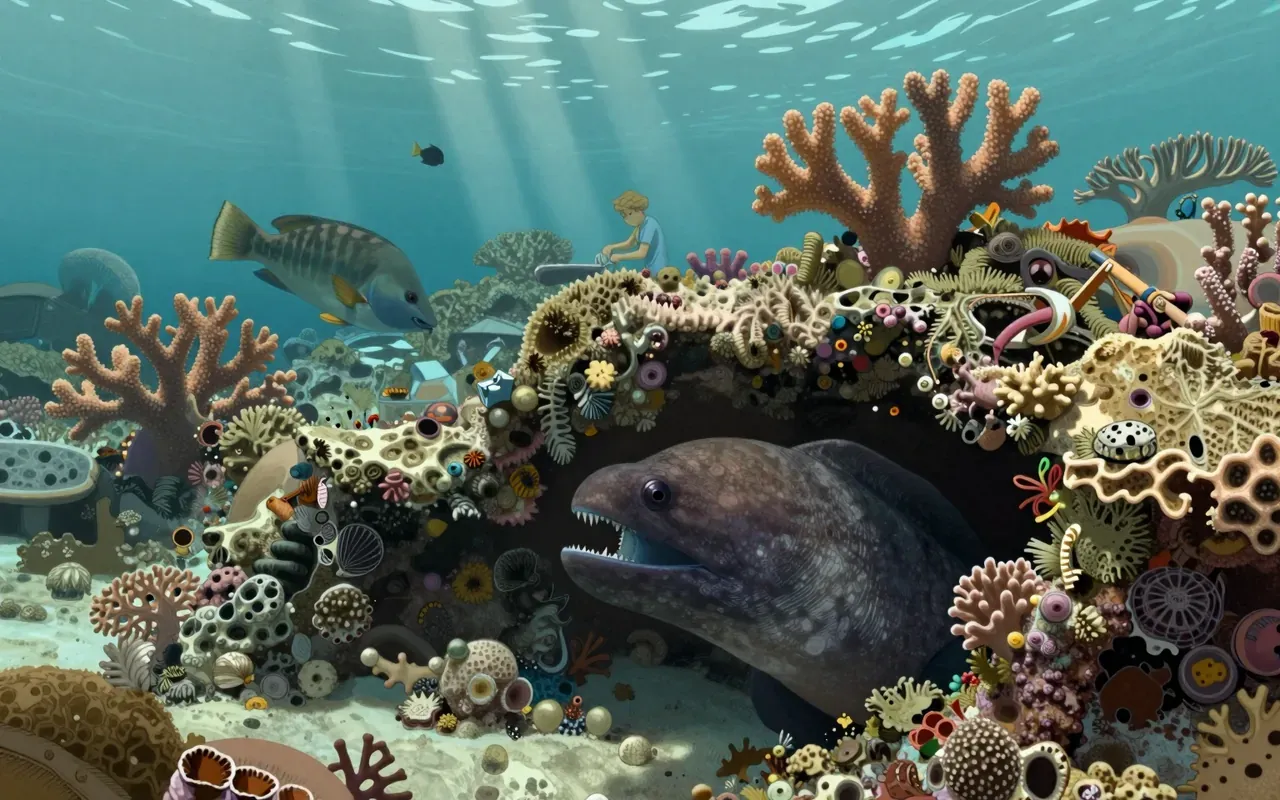
The only animal that shoots a second set of jaws into its mouth to grab food.
8:38

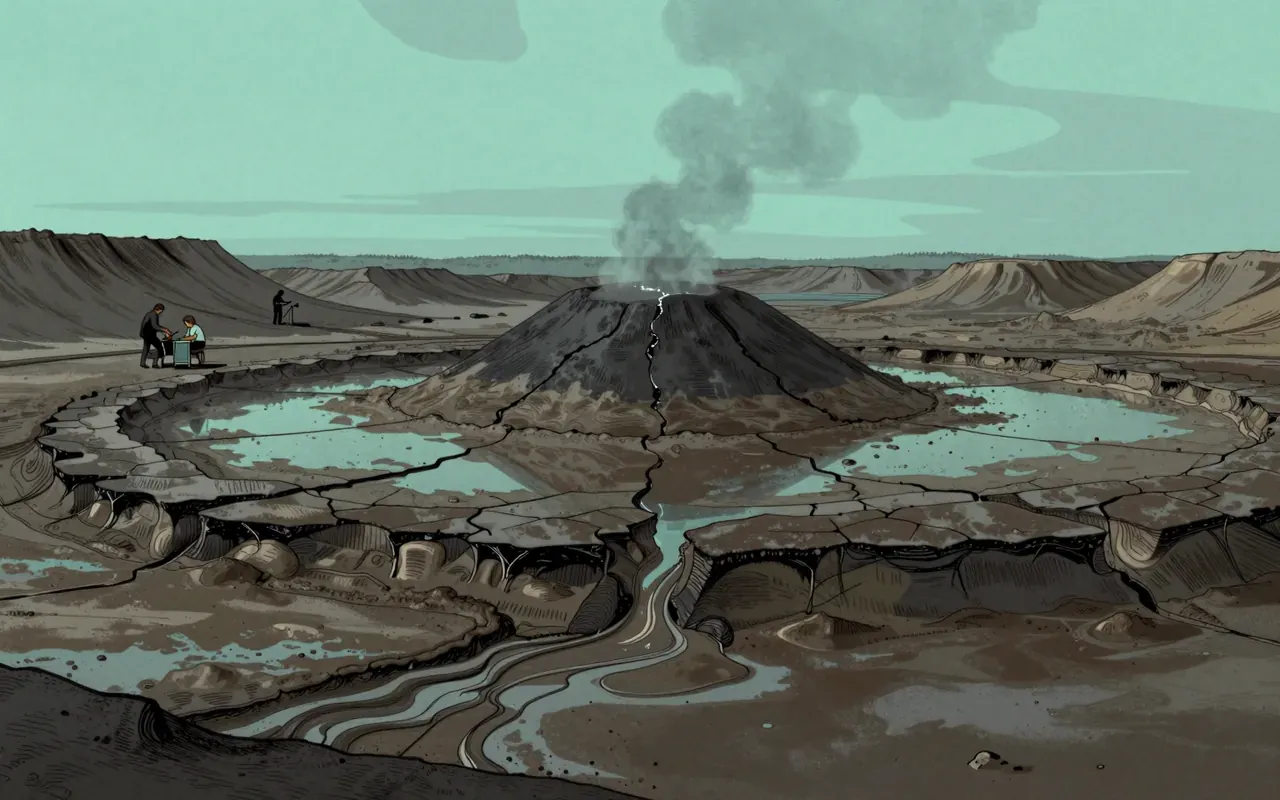
Mud volcano

Mud volcanoes are not volcanoes—they’re pressurised plumbing failures with methane on their breath.
8:40

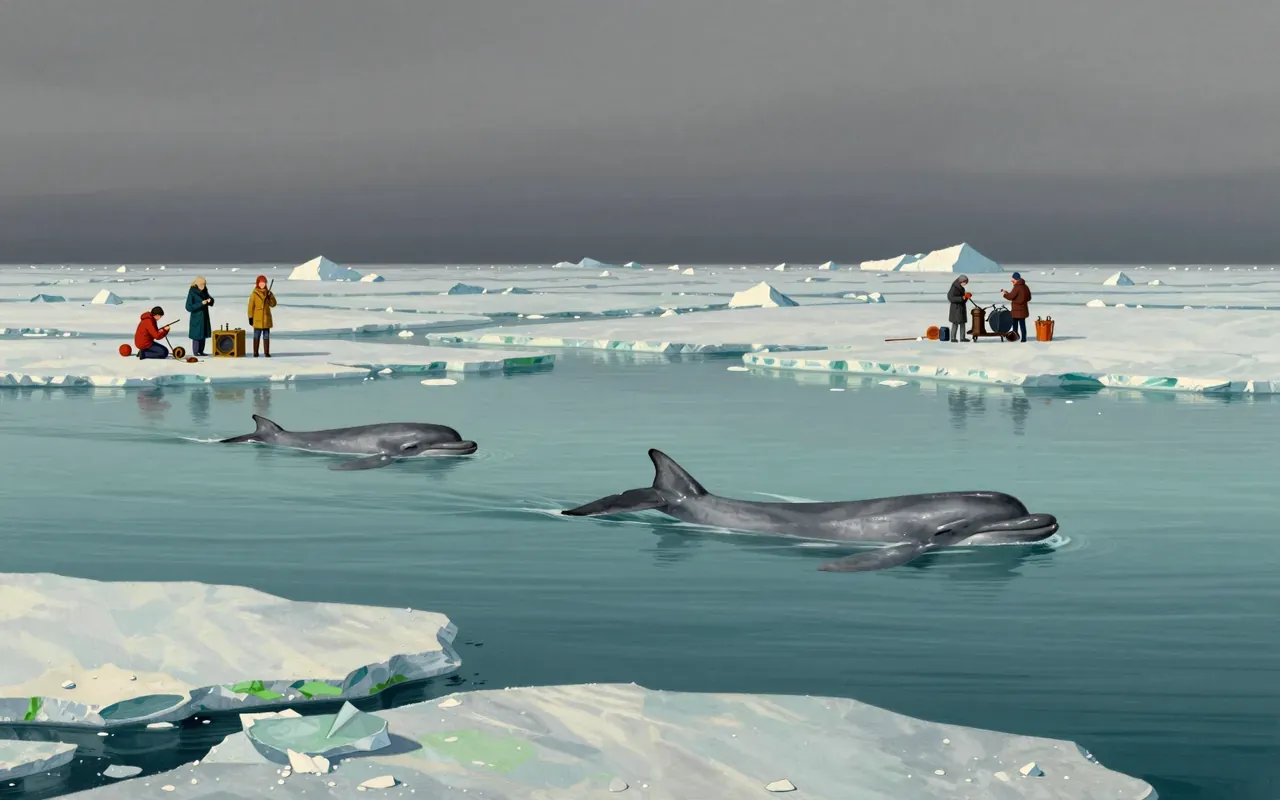
Narwhal

A whale that dives deeper than any submarine—and mates with its closest cousin.
11:05

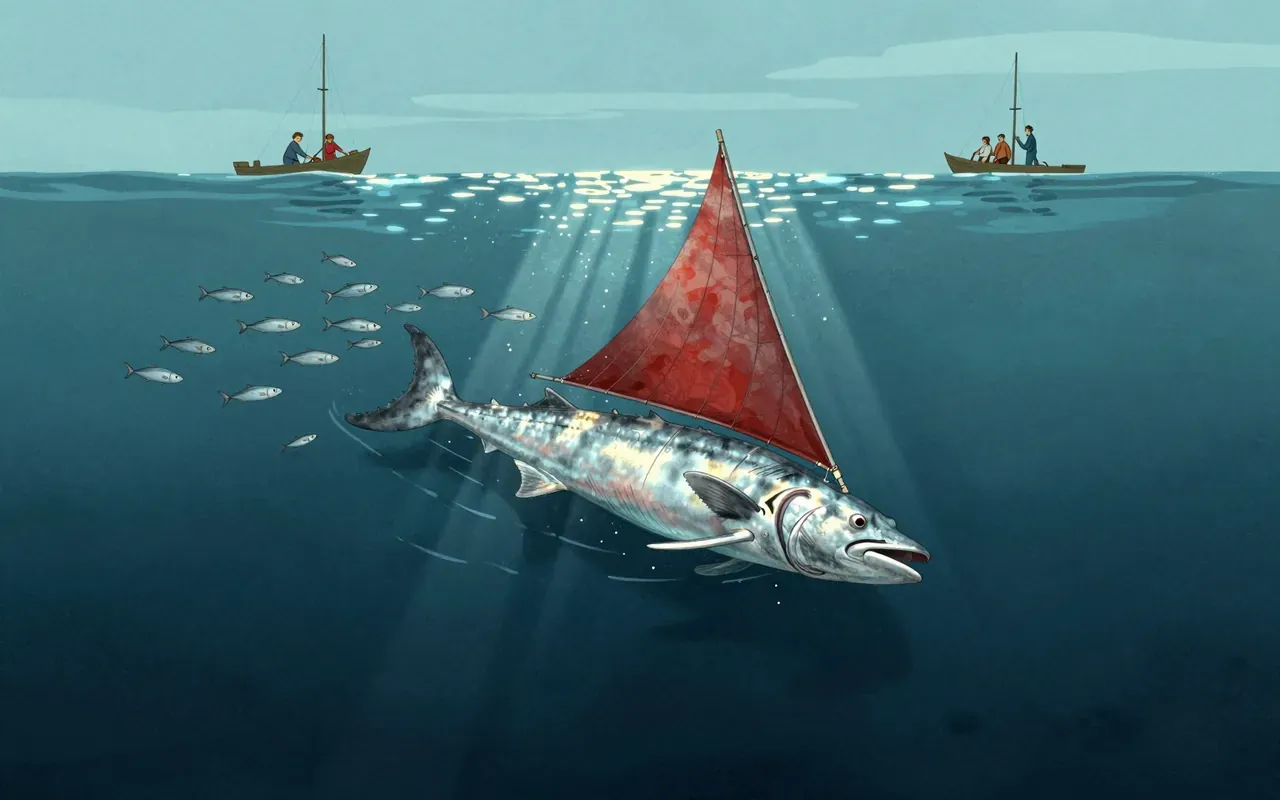
Oarfish

An 8-metre fish that sheds its tail like a lizard—but never grows it back.
10:07

Ocean sunfish

A fish that lost its tail, ribs, and swim bladder—and became one of the ocean’s heaviest ray-finned animals.
8:58

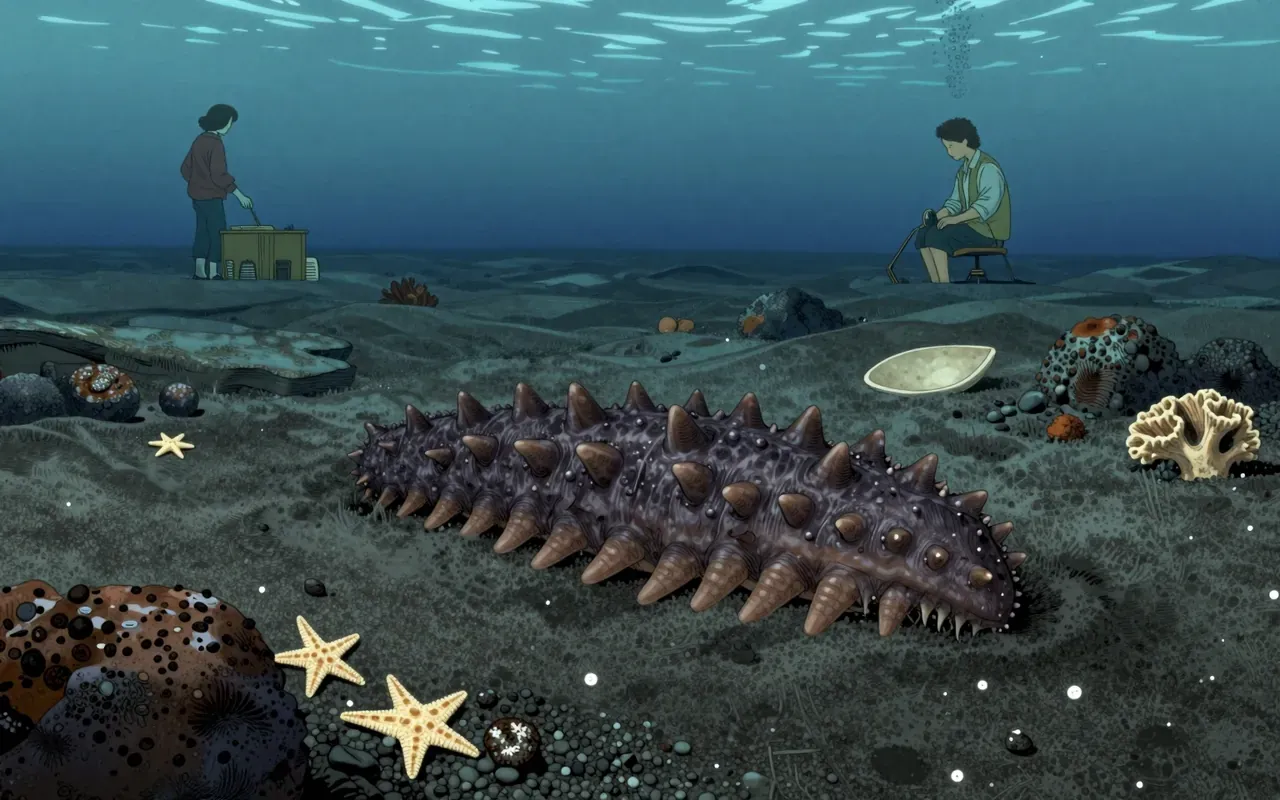
Sea cucumber

It liquefies its own body to vanish into the seabed — then reappears as dinner in Tokyo, Jakarta, and Port Louis.