naturebriefs
Longest first

All briefs

445 briefs · 4196 min · 193–288 on page 3 of 5
9:29

Patagonia

Patagonia is not wildness — it is weather made land: wind, dryness, and fault lines holding two worlds side by side.
9:29

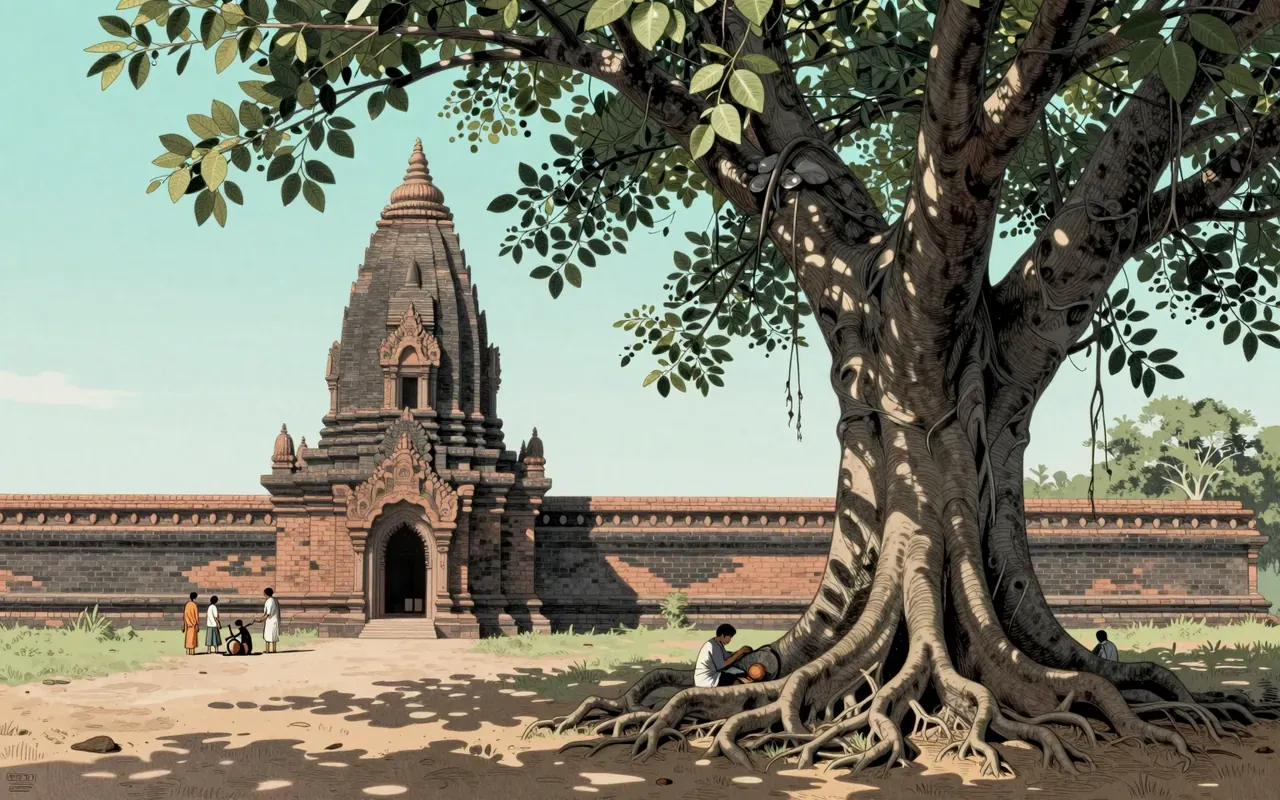
Bodhi tree

A tree that survives only by being copied—venerated, not lived with.
9:29

Sardine run

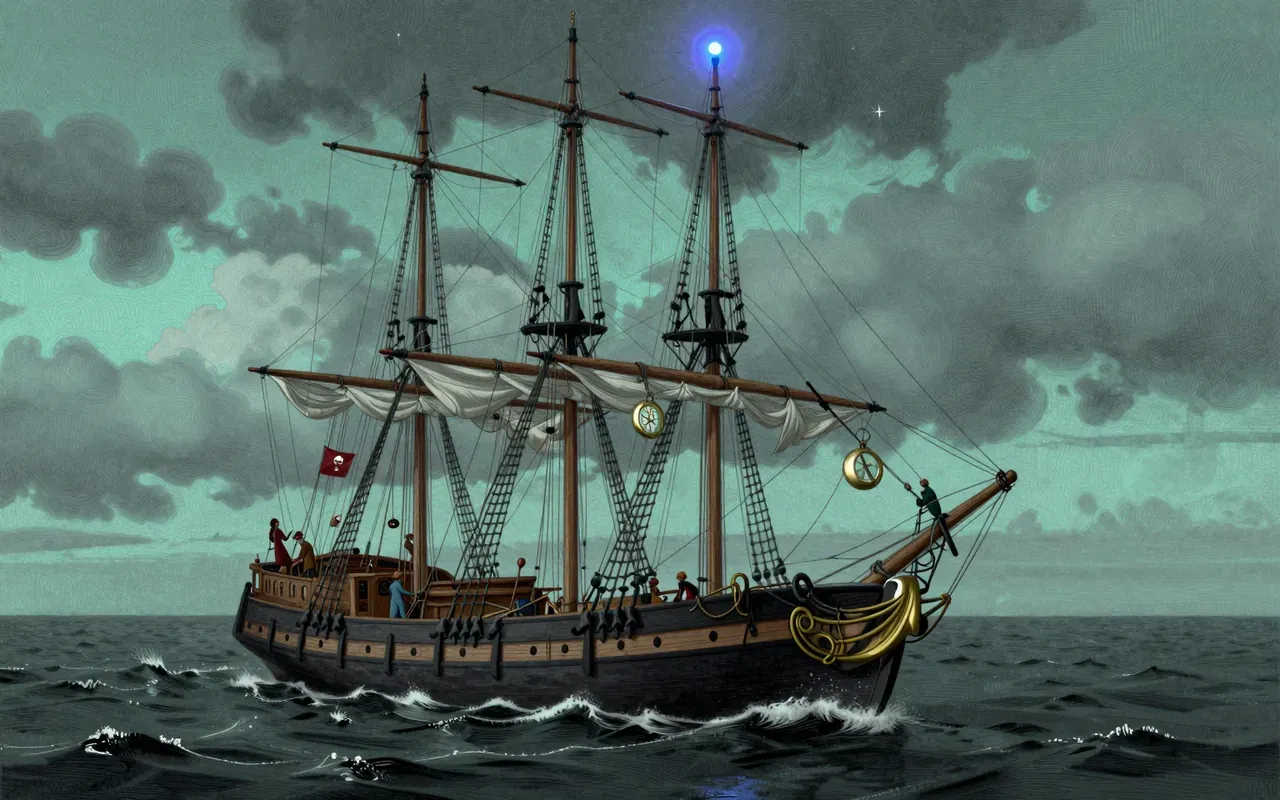
A cold-water reproductive sprint—not a drift, not a fluke, but a tightly timed genetic imperative along South Africa’s east coast.
9:28

Halo

A halo is an optical phenomenon in which sunlight or moonlight, bent and reflected by ice crystals in the air, makes rings, arcs and spots in the sky.
9:28

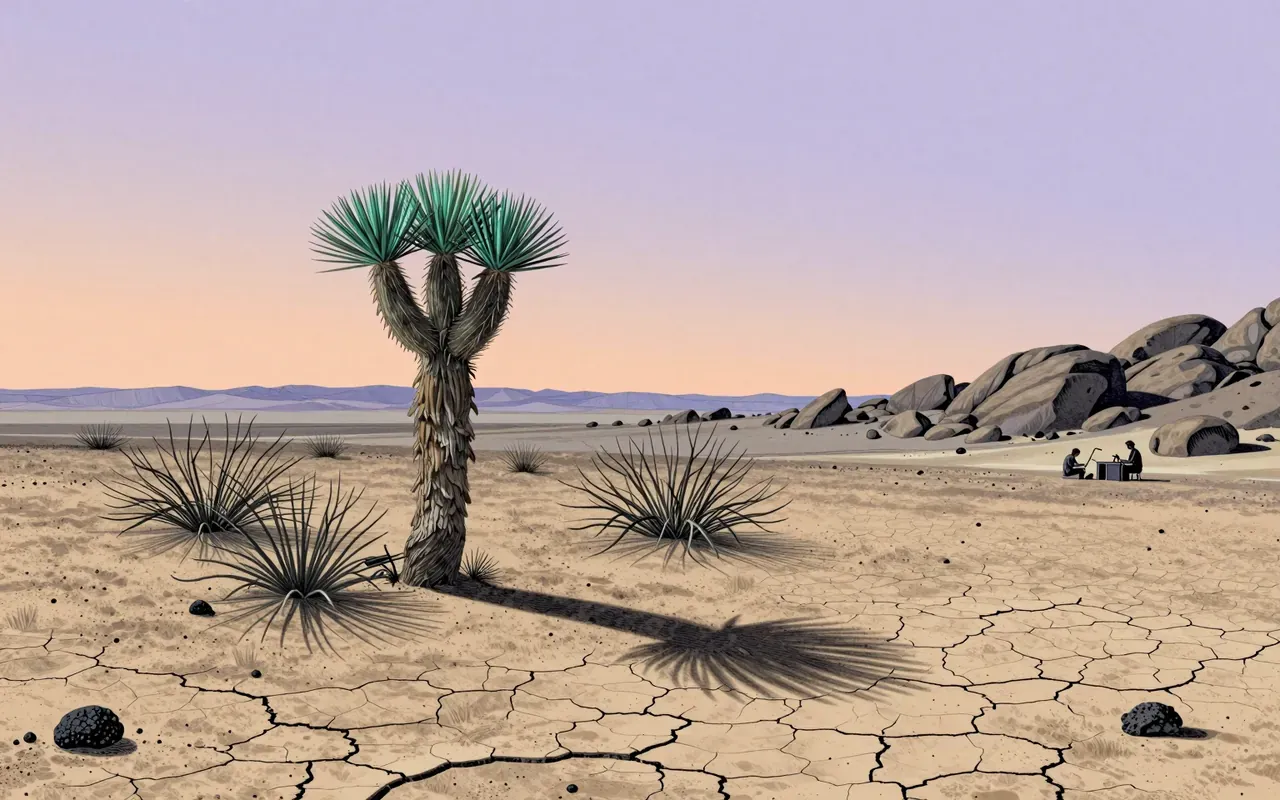
Yucca brevifolia

The Joshua tree doesn’t just live in the Mojave—it *is* the Mojave, down to its broken clocks and dead moths.
9:28

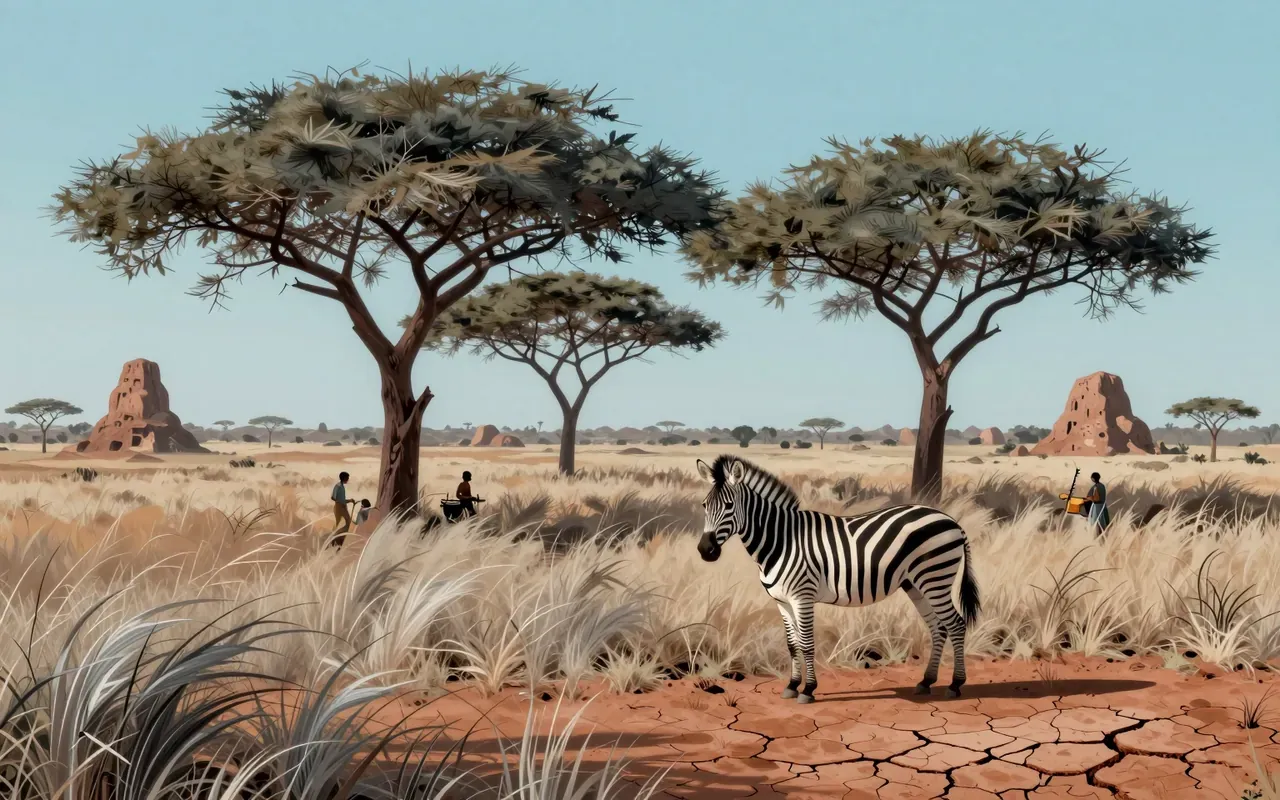
Plains zebra

The plains zebra isn’t a collection of subspecies—it’s a gradient across Africa.
9:28

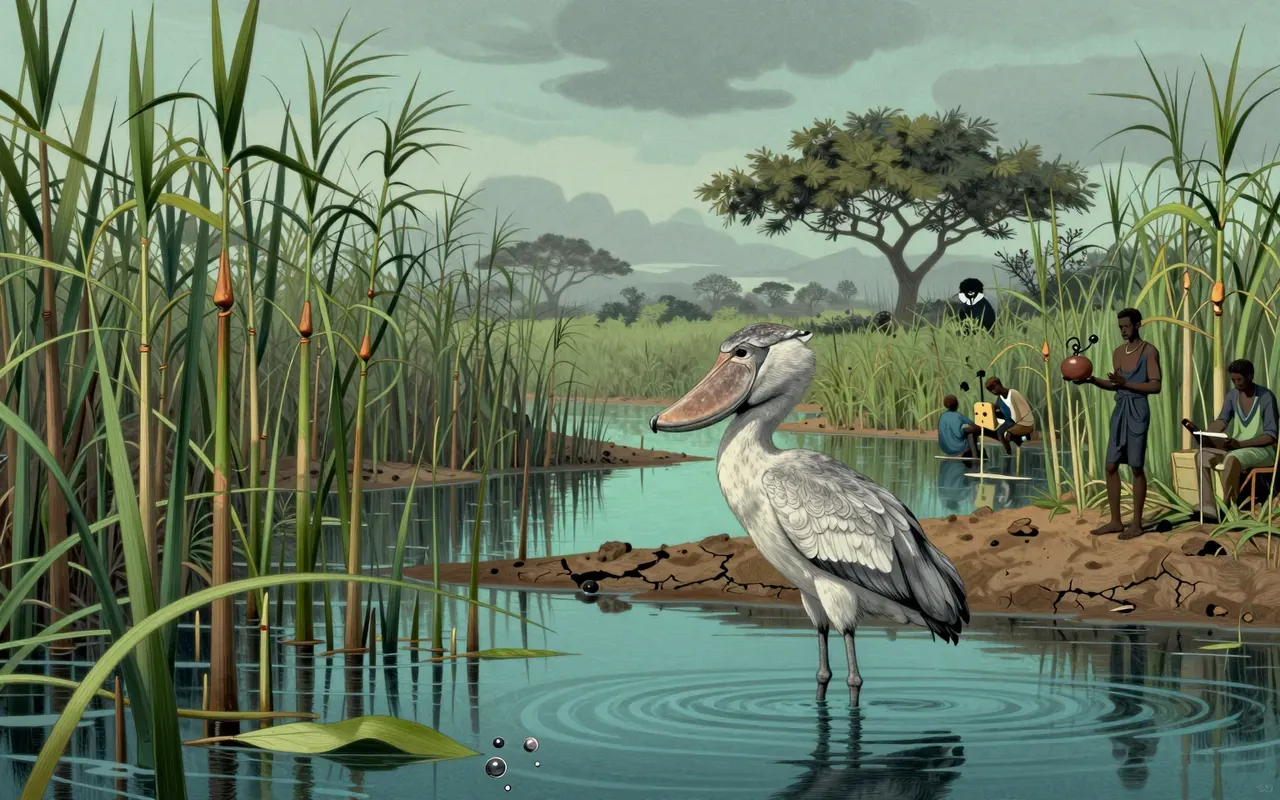
Shoebill

It stands like stone until it strikes—then proves taxonomy was wrong.
9:28

Salmon run

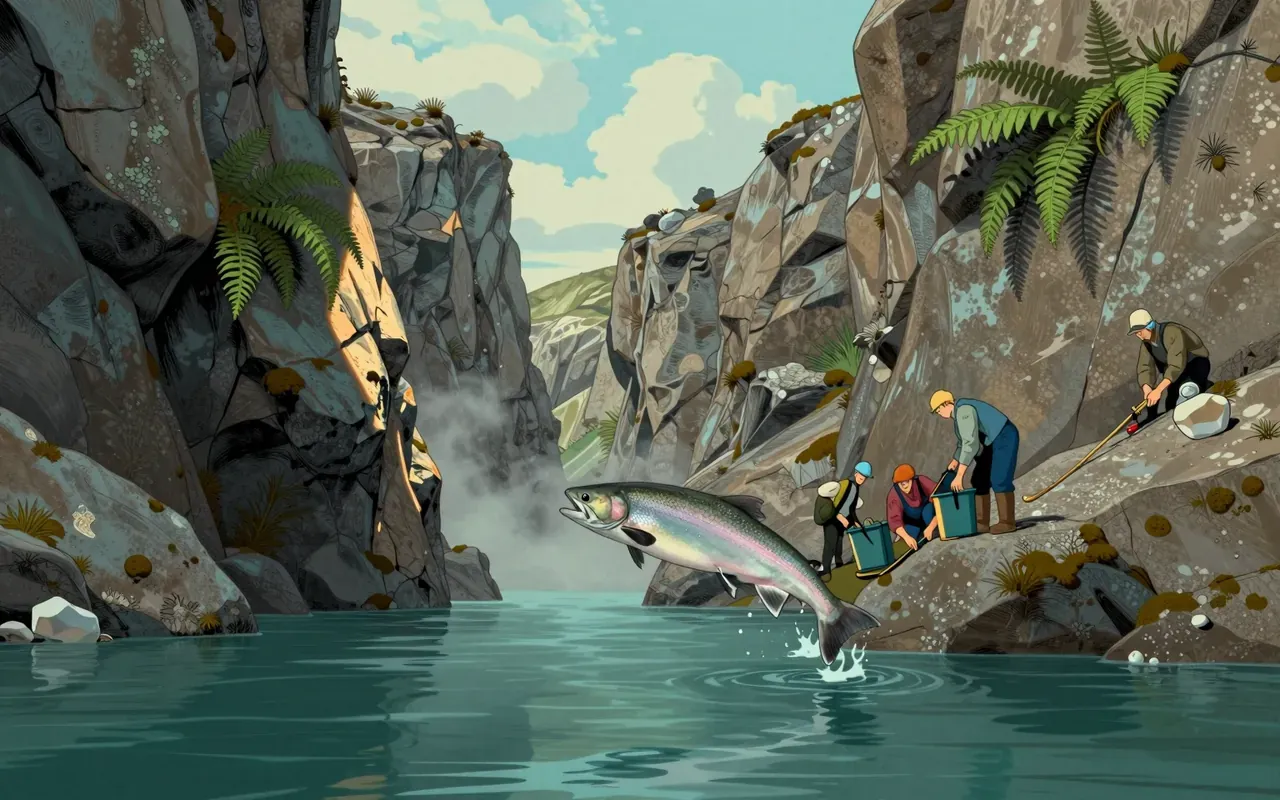
A magnetic compass and a childhood smell—salmon don’t navigate home with instinct. They navigate with physics and memory.
9:27

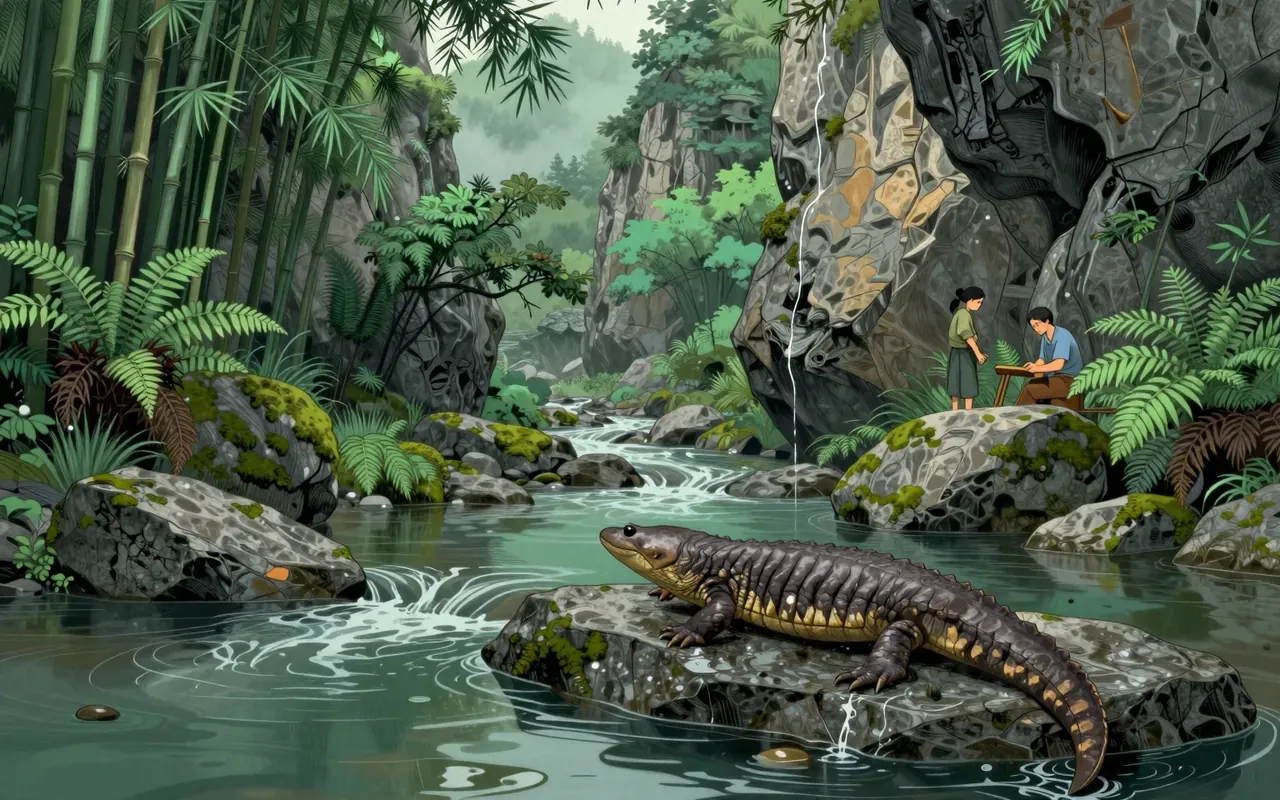
Chinese giant salamander

It’s not one species—it’s at least five, all collapsing into hybrid soup while vanishing from the streams that made them.
9:26

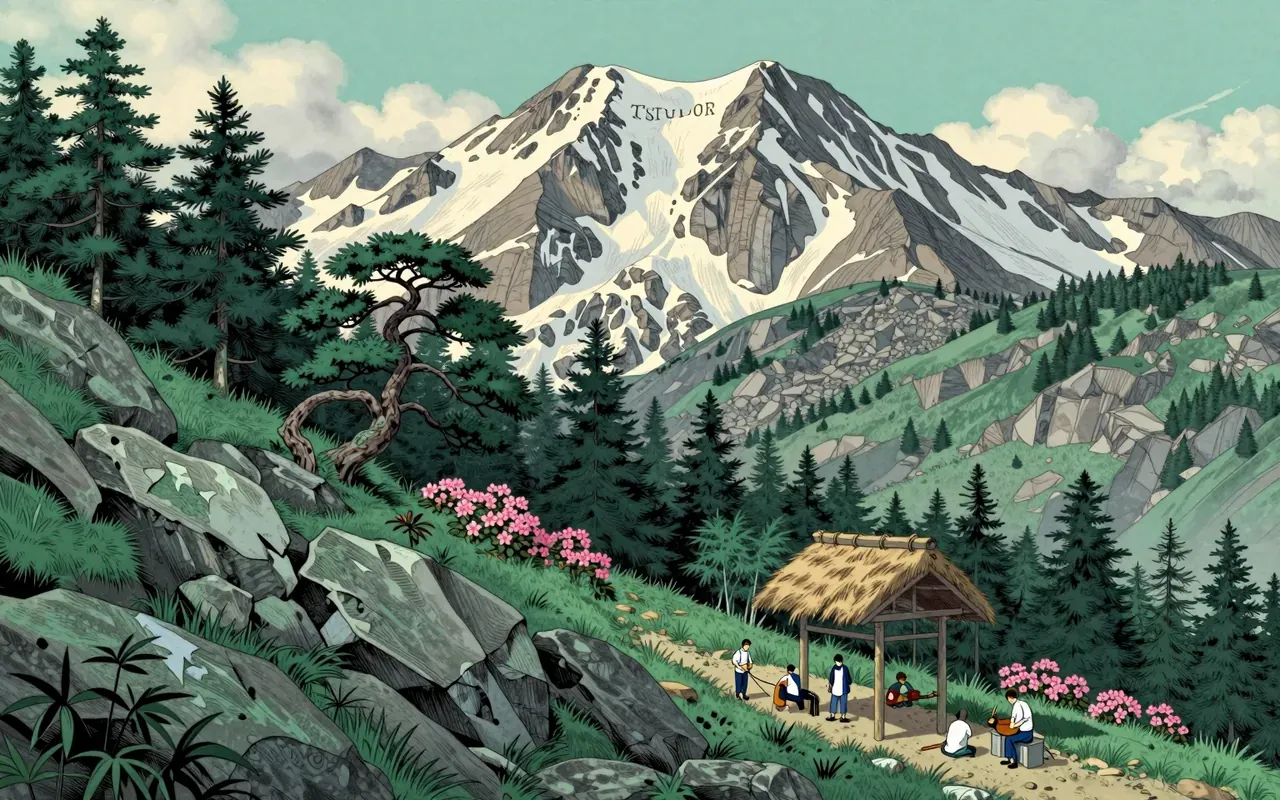
Japanese Alps

The Japanese Alps are three mountain ranges that bisect Honshu, Japan's main island, and hold the country's only active glaciers.
9:26

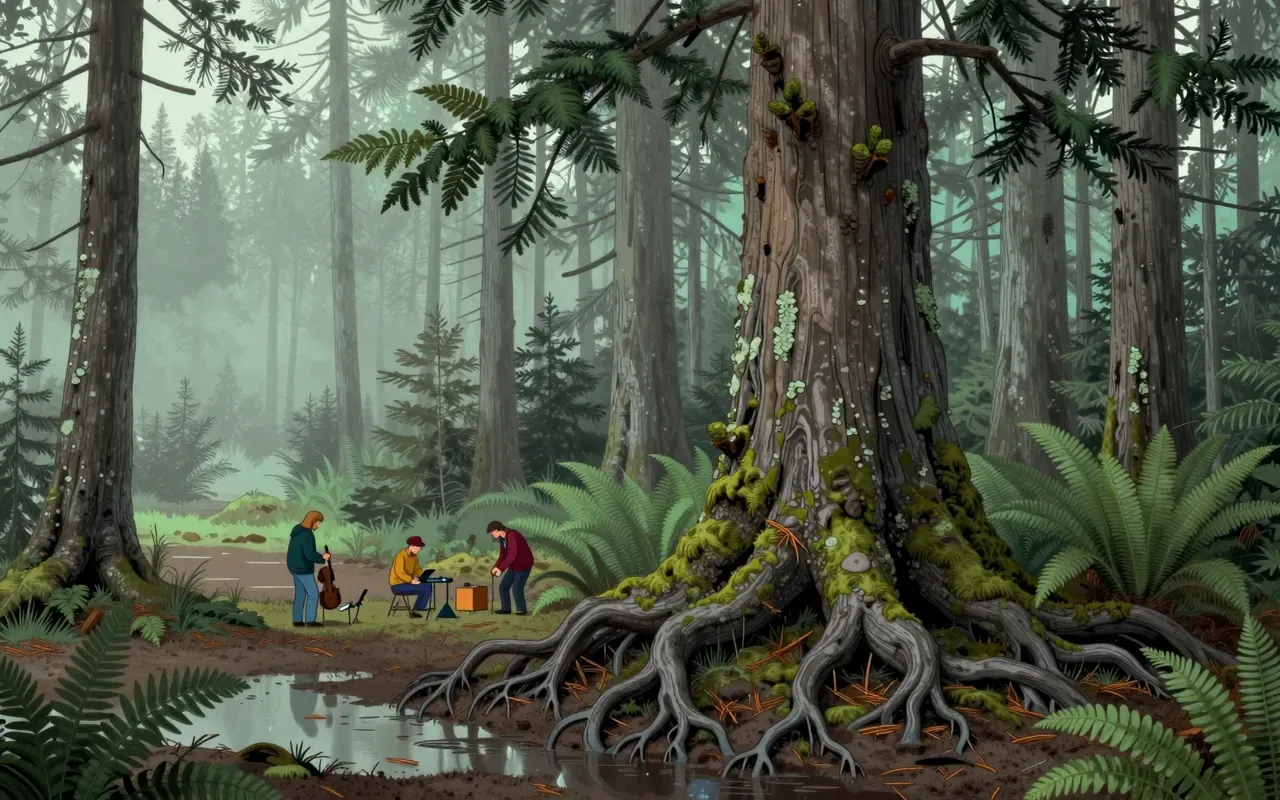
Picea sitchensis

The tallest spruce on Earth thrives where no other tree can—but burns like tinder when fire comes.
9:25

Andes

The longest, highest, most climatically fractured mountain range on Earth — and it refuses to behave like one.
9:24

Auricularia auricula-judae

It is not a food, not a remedy, not a keystone—just an ear-shaped truth, fixed to elder, named after Judas, and finally sorted by DNA.
9:24

Pangolin

A mammal wrapped in keratin armour—and hunted to silence.
9:24

Platypus

A mammal that lays eggs, stings with its ankle, and hunts blindfolded underwater—science had to rewrite the rules to believe it.
9:23

Nautilus

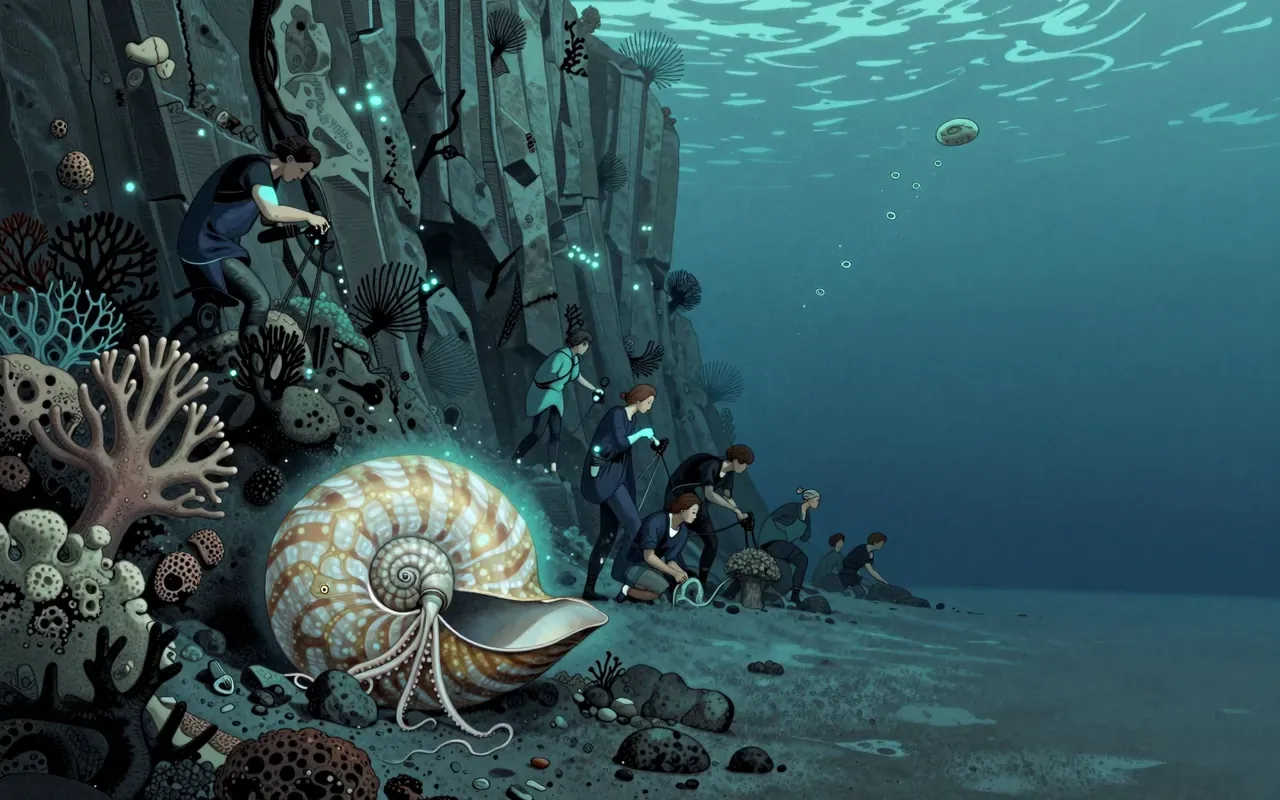
They are not survivors—they are holdouts. A 500-million-year pause button, still ticking.
9:22

Bamboo

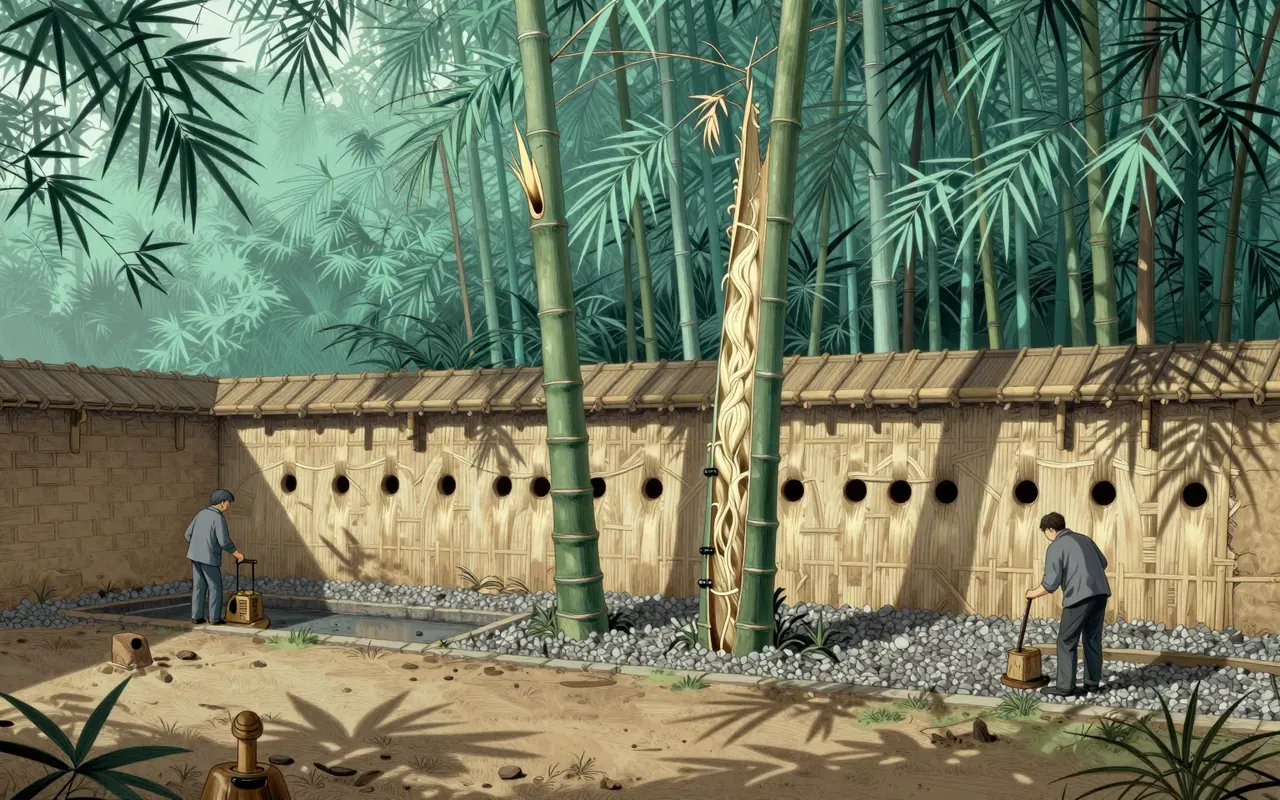
Bamboo isn’t a tree—it’s a grass that outgrows oaks, feeds pandas, and holds up forests no one protects.
9:22

Geyser

Geysers are not landmarks—they’re temporary leaks in Earth’s plumbing.
9:22

Slime mold

They are not one thing, not one lineage, and not even one kind of organism—yet they build fruiting bodies and decompose wood like nothing else.
9:21

California condor

The California condor is not a comeback story—it’s a permanent life-support system disguised as wildlife.
9:20

Chocolate Hills

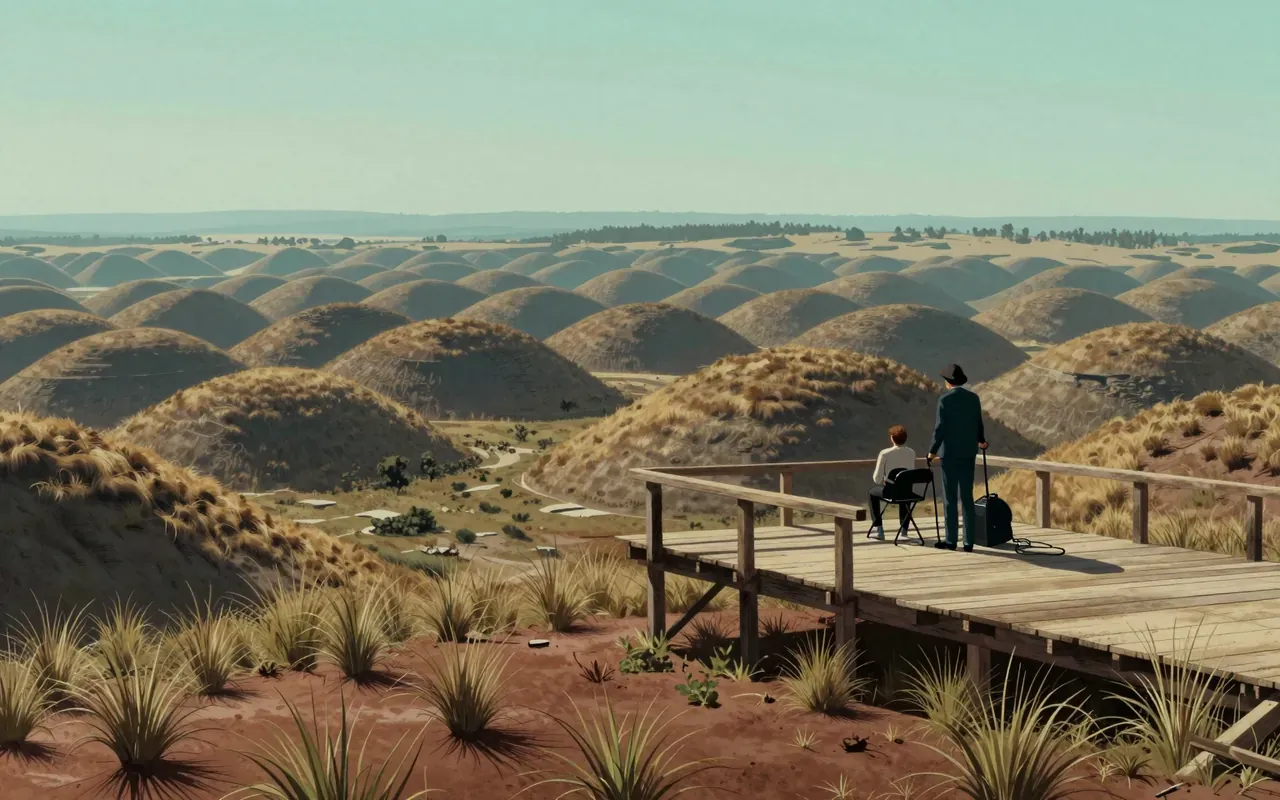
They are not volcanoes, not coral reefs, not tidal mounds — they are eroded marine limestone, and the plaque says so.
9:20

Cane toad

A toxin-wielding relic from the Miocene that treats every new continent as an open buffet — and a death trap for everything that bites.
9:20

Japanese spider crab

The largest leg-span arthropod alive is a gentle, orange-and-white scavenger—deep-dwelling, overfished, and utterly singular.
9:20

Pyroclastic flow

A pyroclastic flow is not alive — it is gravity’s verdict on volcanic matter too dense to rise.
9:20

Sexual selection

Sexual selection is not romance — it’s arithmetic with feathers, antlers, and adrenaline.
9:19

Mount Roraima

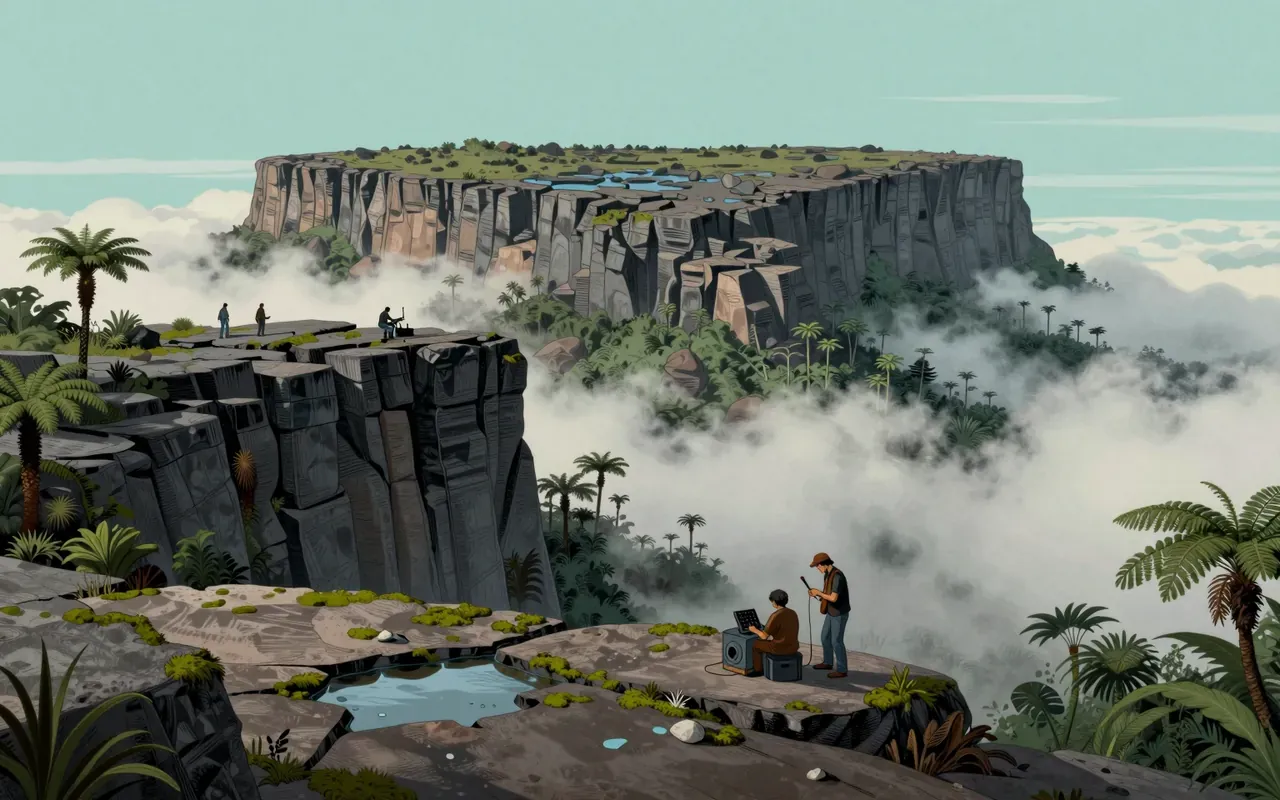
A mountain that refuses to be known—even after 140 years of looking.
9:19

Coconut crab

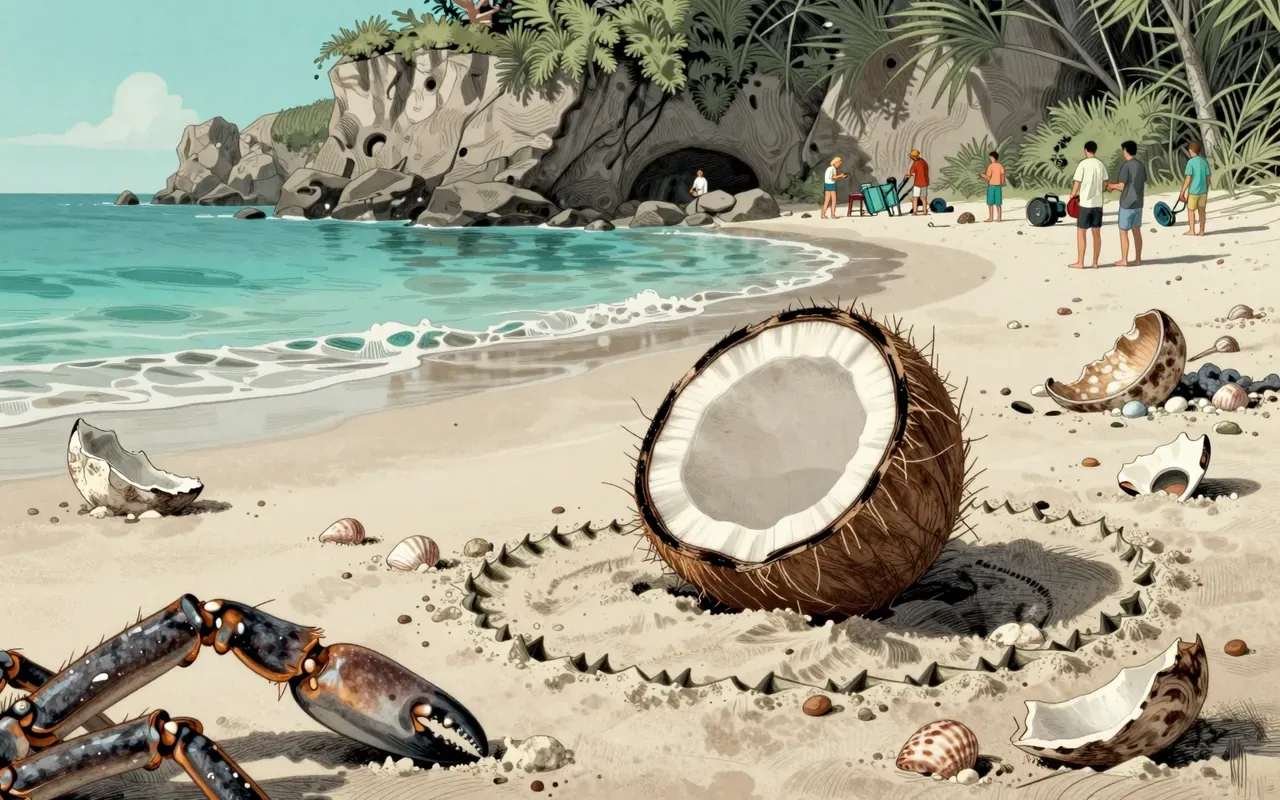
It abandoned the sea, dropped the shell, and took over the coconut palm’s domain — but lost ground to people every time they showed up.
9:19

Mantis

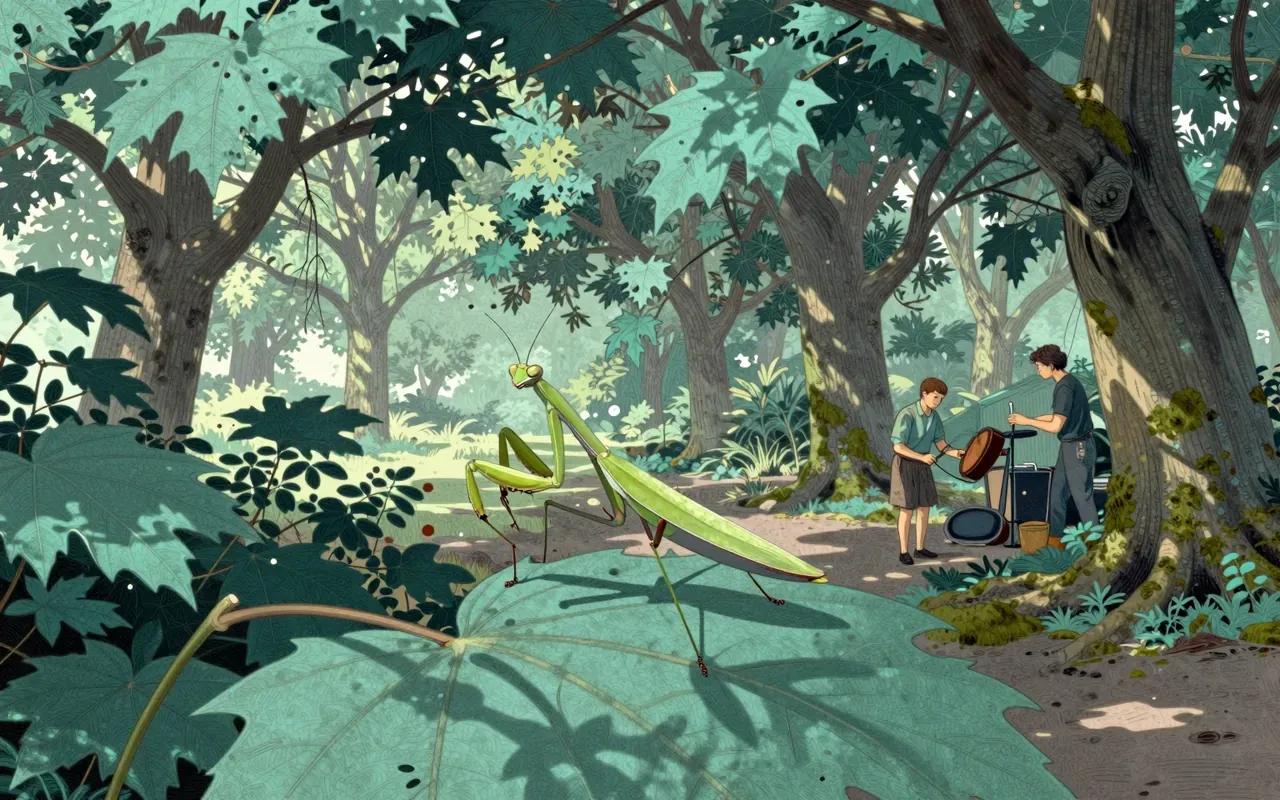
Stillness is their weapon—and every mantis uses it the same way.
9:19

Wood frog

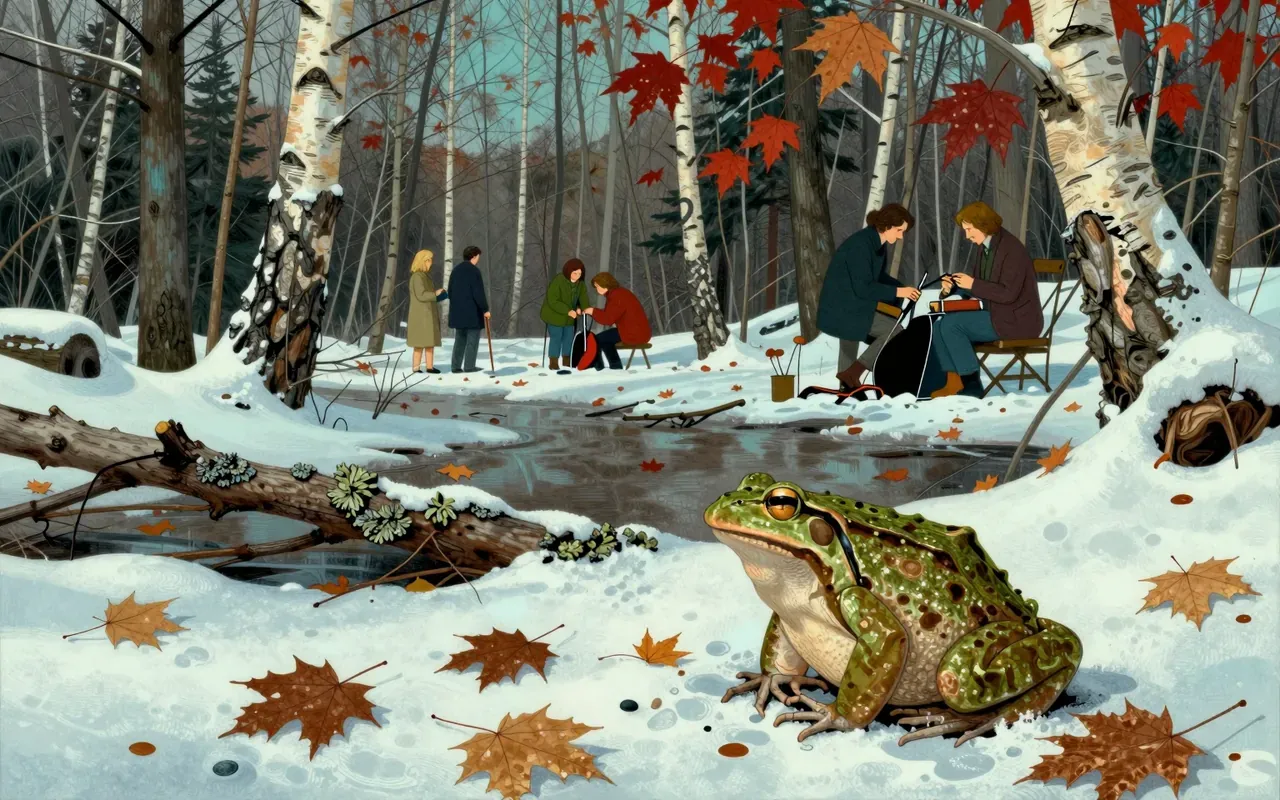
The only frog that turns to ice—and chooses the same puddle every year.
9:18

Hibernation

Hibernation isn’t about cold—it’s about control: endotherms actively throttle metabolism to outlast hunger.
9:18

Box jellyfish

A cube-shaped predator with eyes, built to kill in shallow water—not deep mystery, but sharp, local danger.
9:18

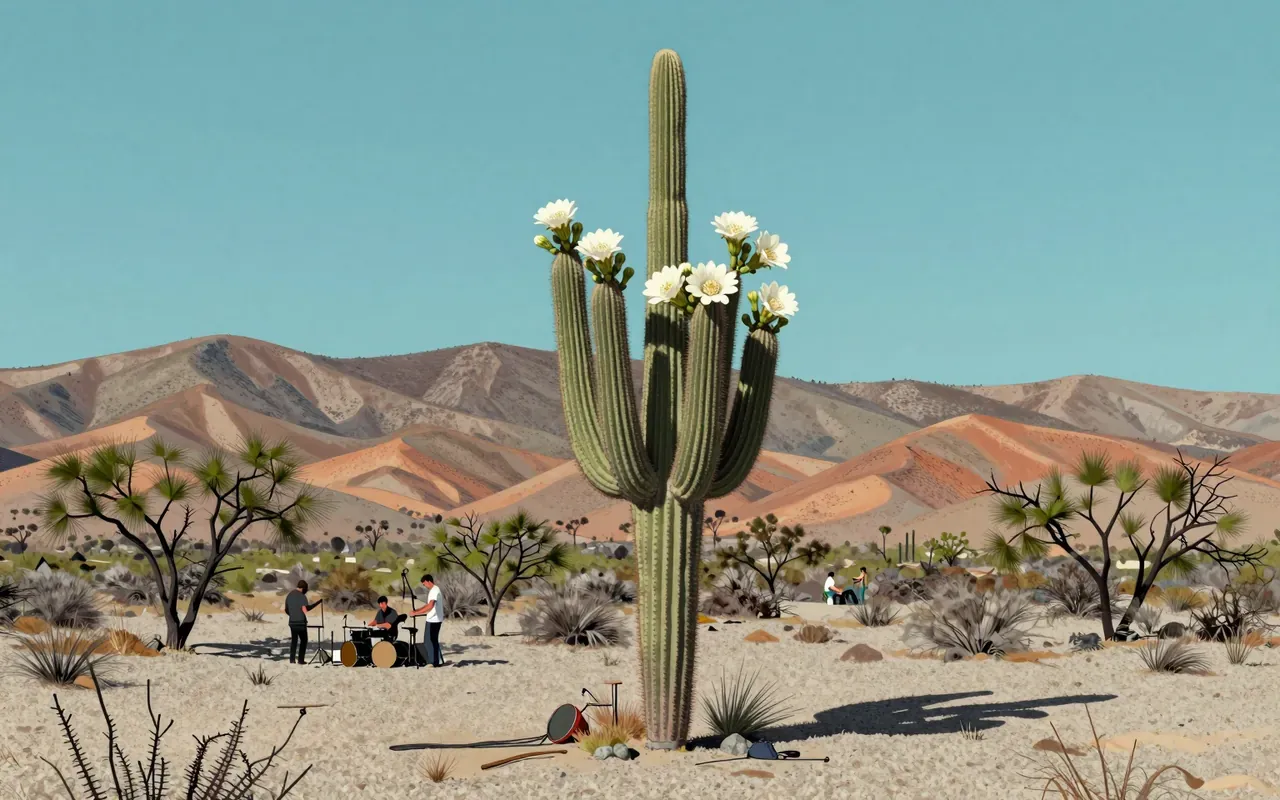
Sonoran Desert

The only desert where winter warmth and two rainy seasons let plants outcompete every other desert — and where flies evolved liver enzymes to nest in rotting cactus juice.
9:16

Cambrian explosion

The Cambrian explosion isn’t evolution’s big bang—it’s the first hard evidence that animal disparity outpaced lineage.
9:16

Army ant

They don’t build nests. They don’t stay still. They don’t share queens. And they eat everything in their path—by the million.
9:16

Red fox

A carnivore that wins by never picking a side—neither wild nor tame, neither native nor guest.
9:15

Mirage

A mirage is not a trick of the eye — it’s your brain lying to your camera.
9:14

Sloth

Two unrelated lineages converged on the same impossible idea: live upside down, eat leaves, and vanish into the canopy.
9:13

Matsutake

It hides under needles, trades nutrients with pines, and kills if you mistake it for Inocybe pyriodora.
9:13

Pronghorn

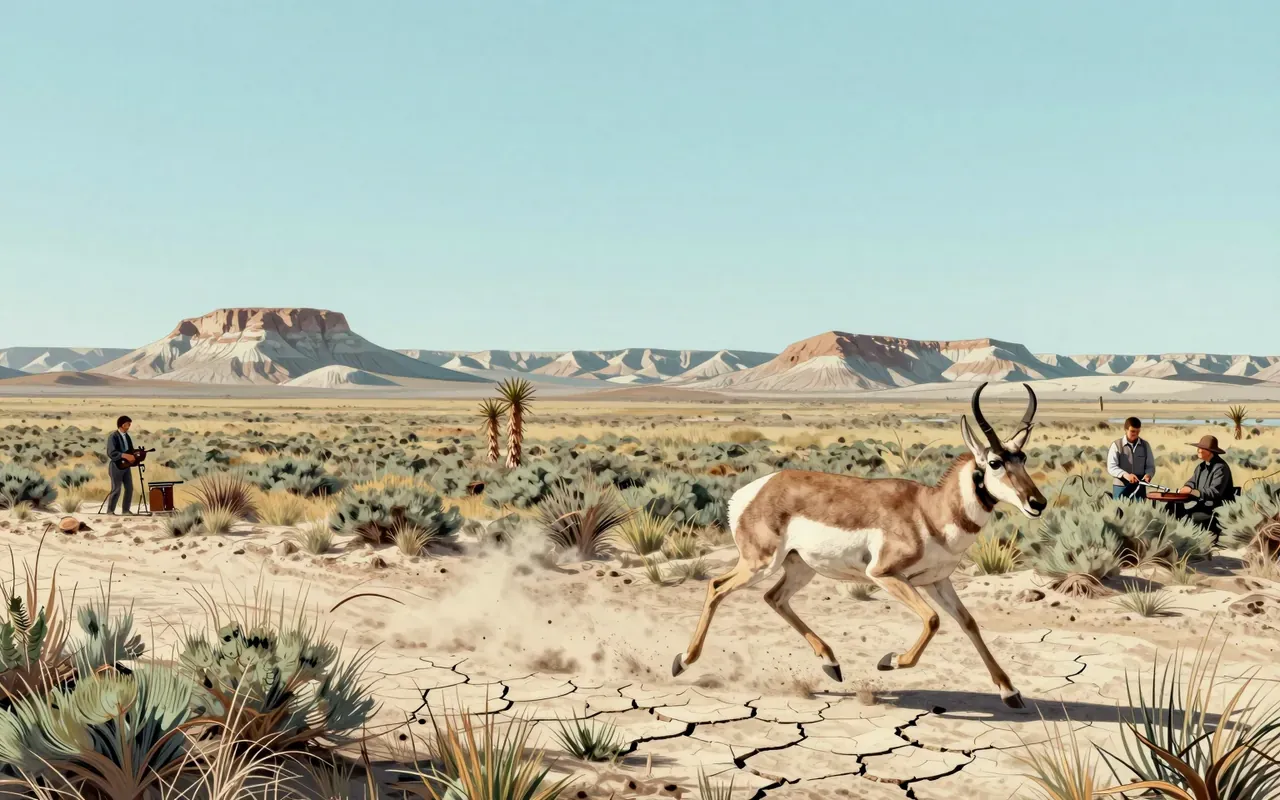
The pronghorn is not an antelope—it’s a running machine that outlived eleven cousins and three genera, all gone before humans wrote anything down.
9:12

Wave Rock

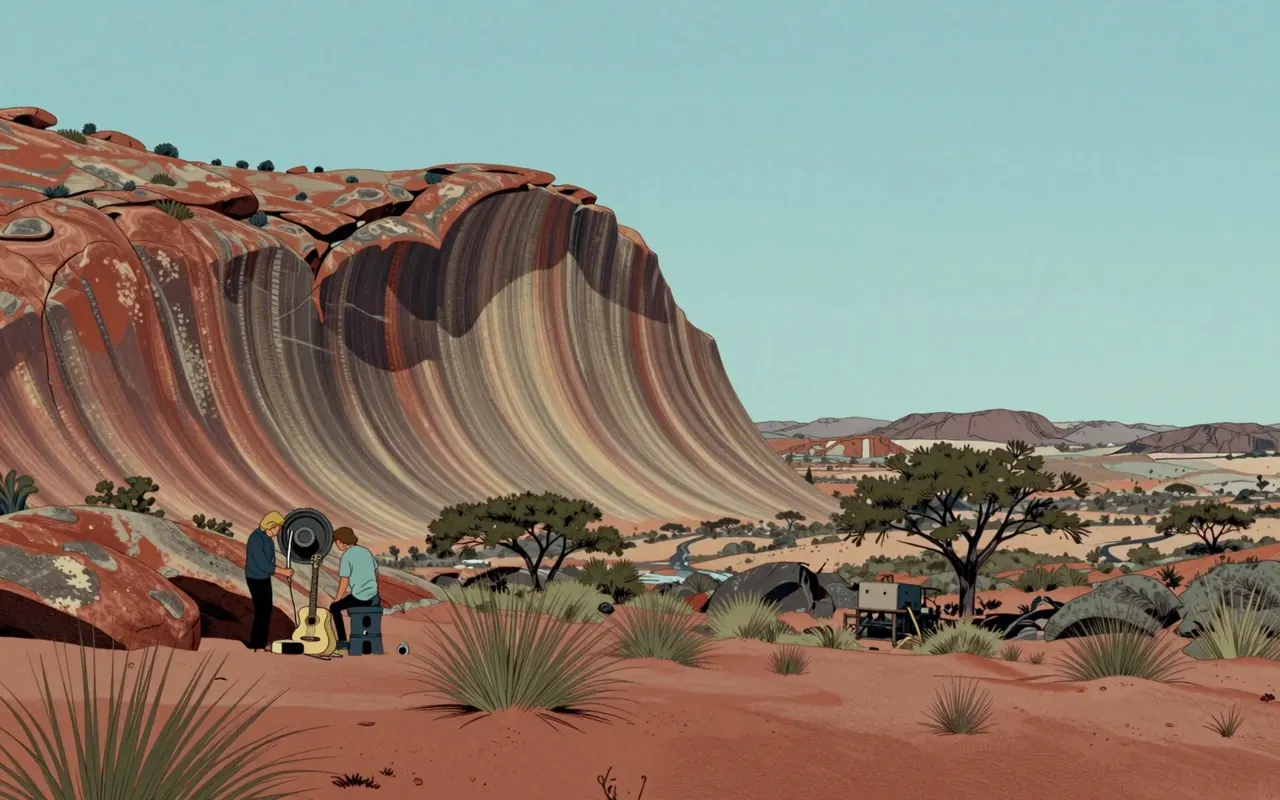
A frozen wave in granite — spectacularly simple, geologically silent, and utterly singular.
9:12

White rhinoceros

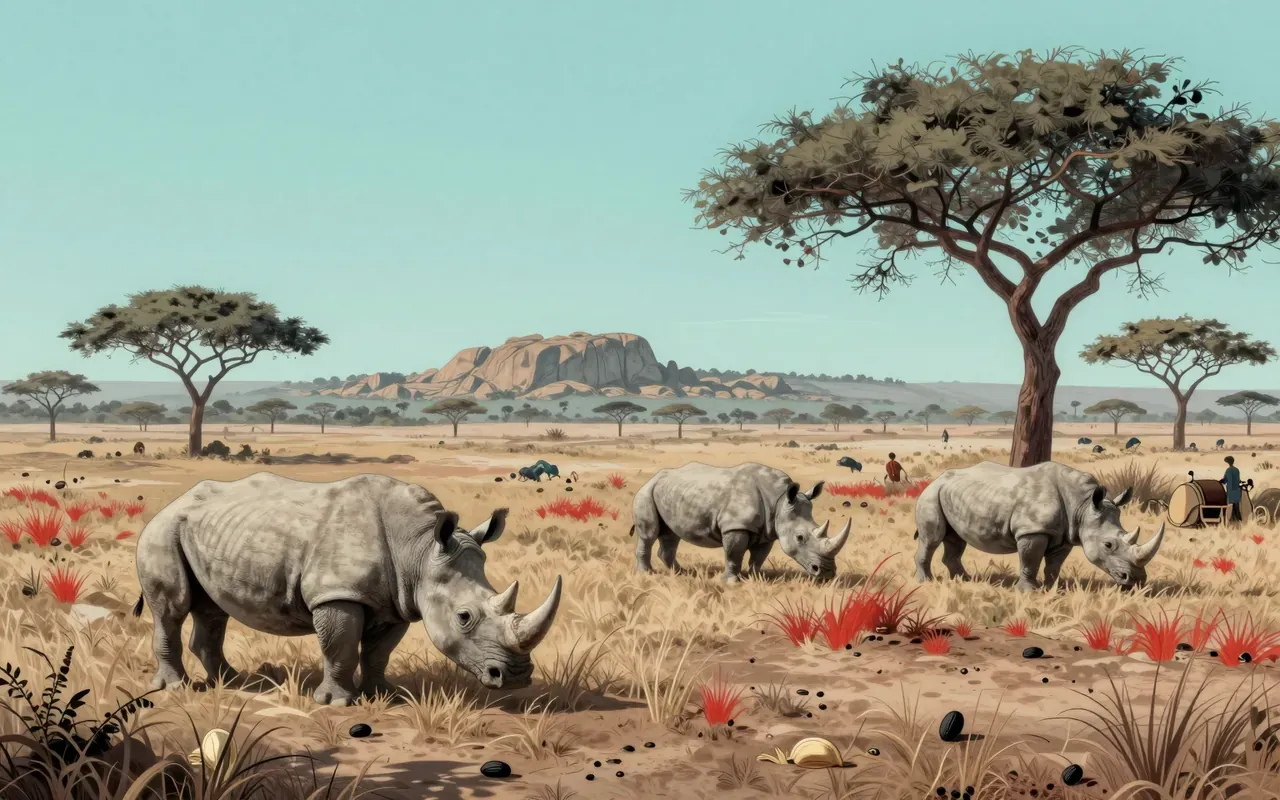
A grazing giant split in two—one thriving, one already extinct in all but name.
9:11

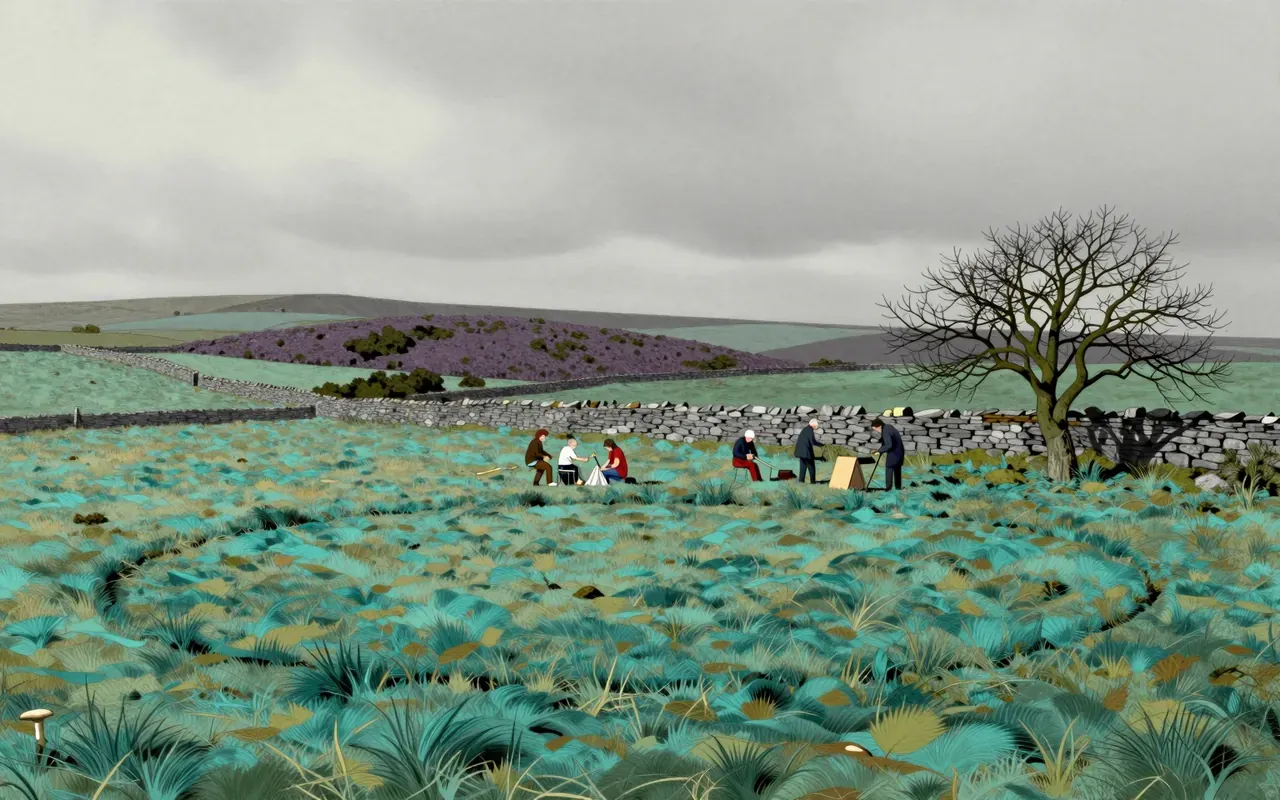
Fairy ring

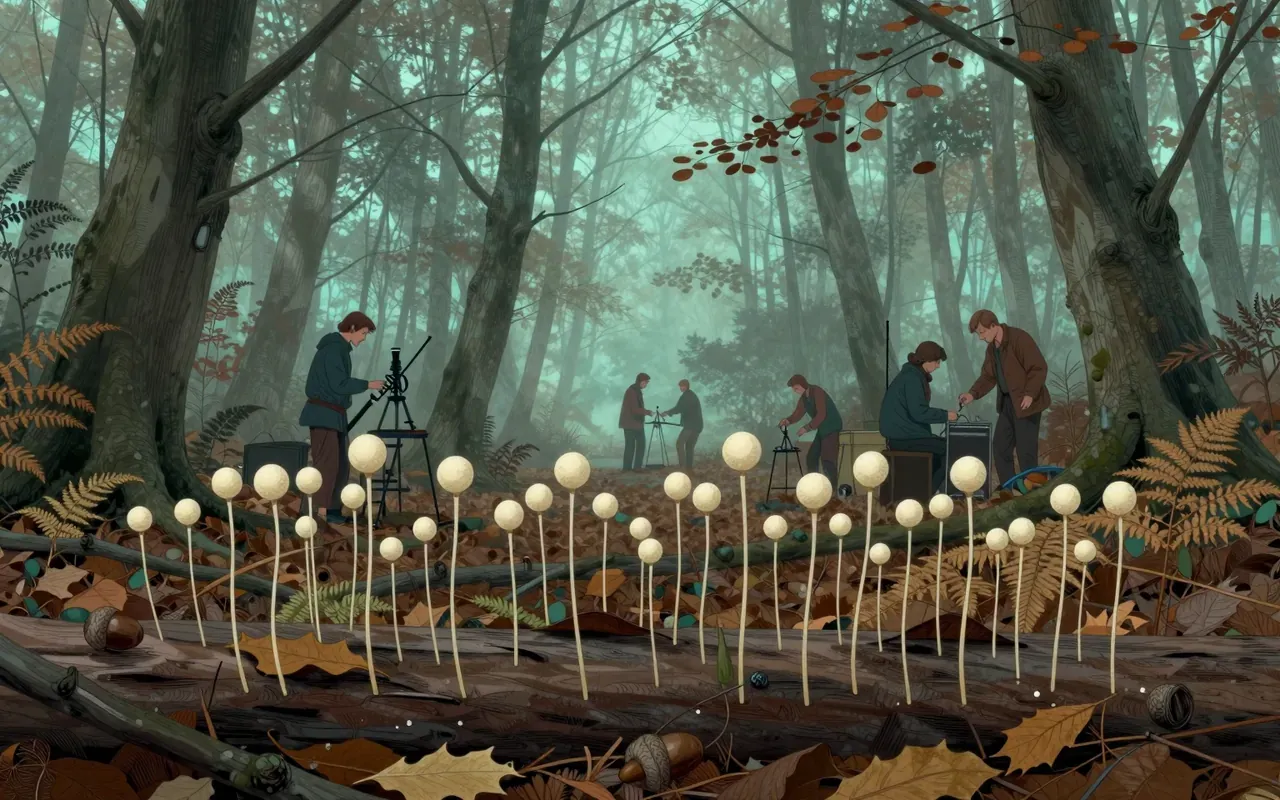
A fairy ring is fungal geometry—not magic, but enzyme-driven hunger made visible.
9:11

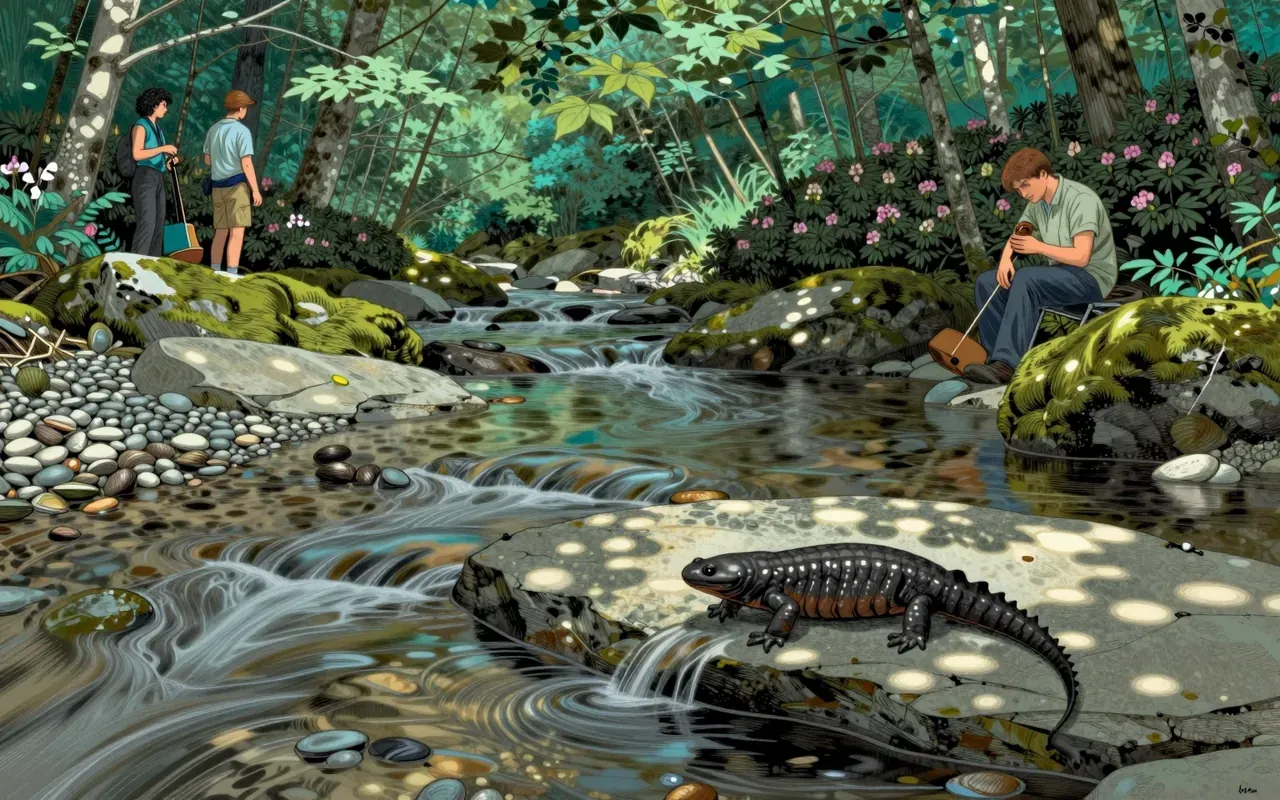
Hellbender

It doesn’t breathe like anything else — and that’s why it vanishes when streams slow down.
9:10

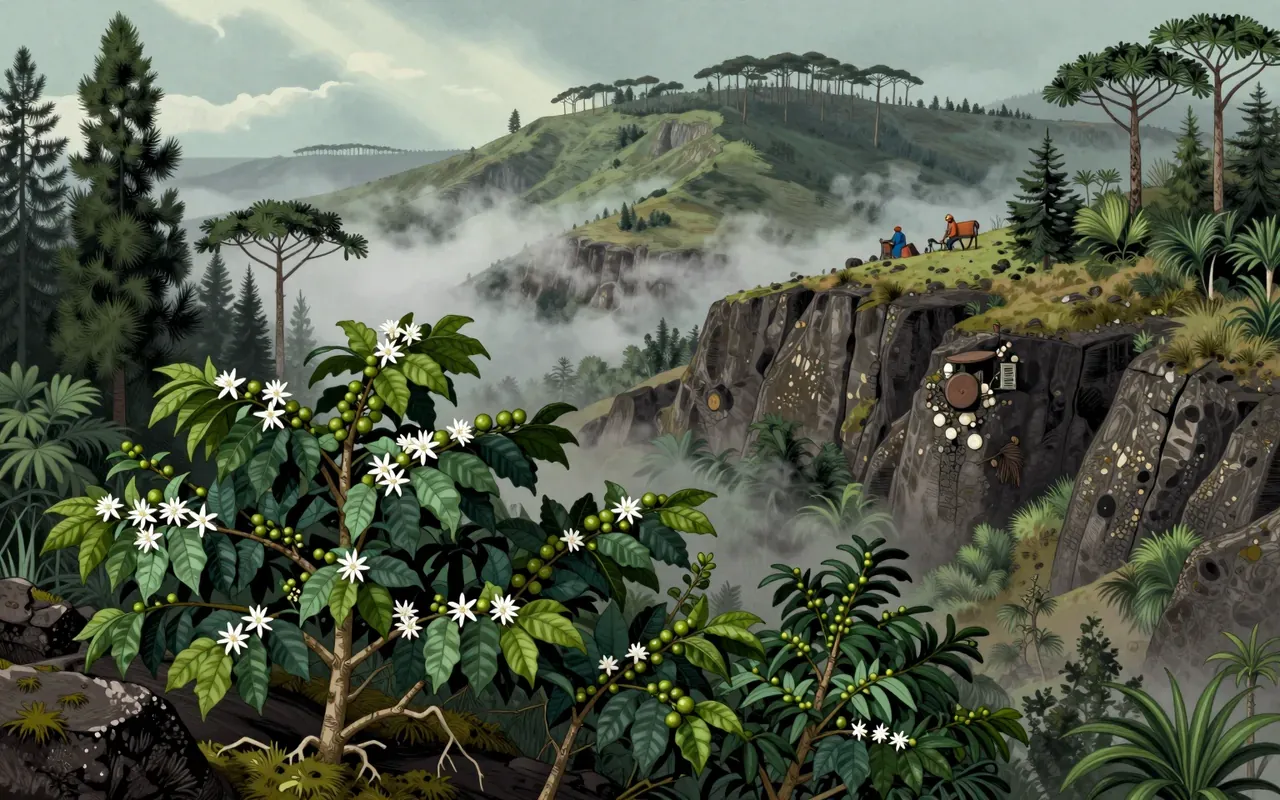
Coffea arabica

A 500,000-year-old hybrid that built a global industry — but cannot survive without its original forest.
9:10

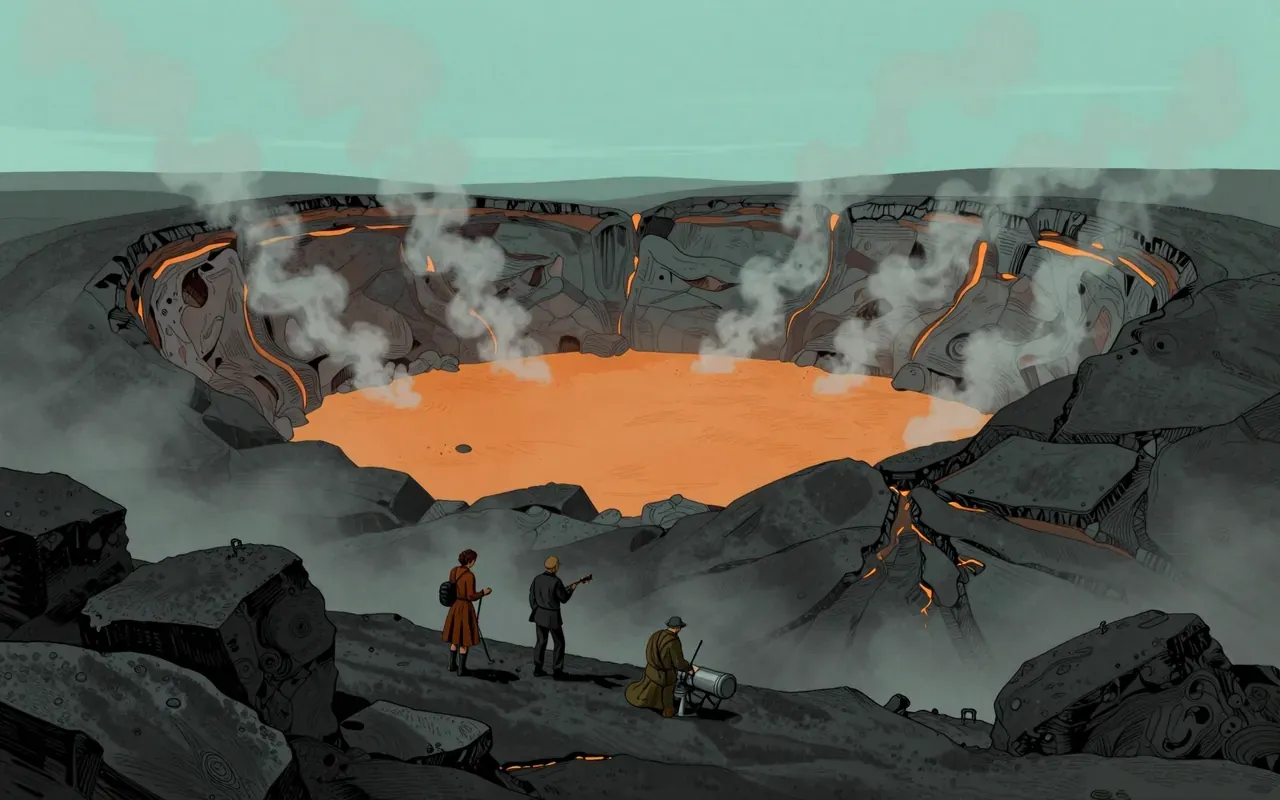
Lava lake

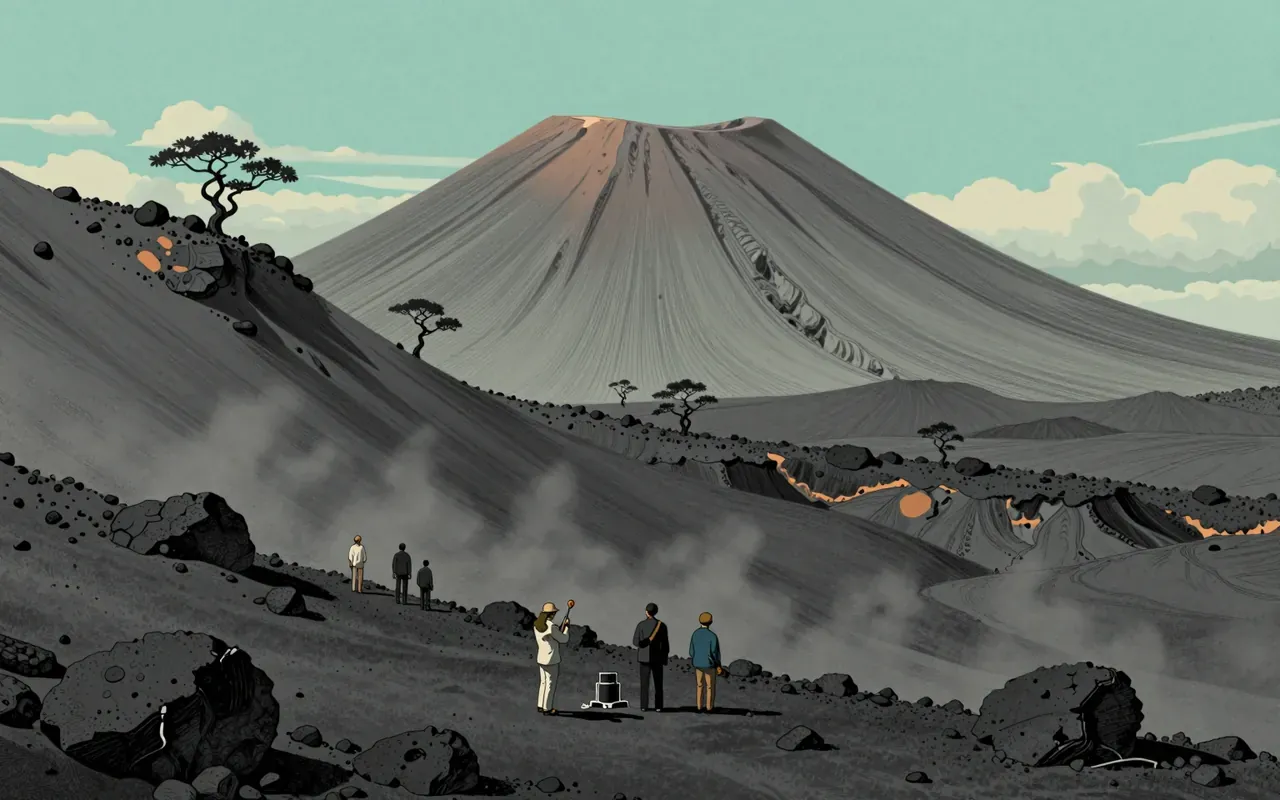
A lava lake is planetary plumbing made visible—unstable, revealing, and never under human control.
9:10

Scottish Highlands

The only boreal forest in the British Isles—and the only place where Ben Nevis, Gulf Stream warmth, and Precambrian rock all meet.
9:10

Beluga whale

A whale built for ice—not open water, not warmth, not speed—but for slipping, listening, and vanishing beneath it.
9:09

Poison

Poison isn’t a thing — it’s a human-centred verdict on dose and delivery.
9:08

Hericium erinaceus

A fungus that fruits for two decades on one log—but whose medicine remains myth, not molecule.
9:08

Honey bee

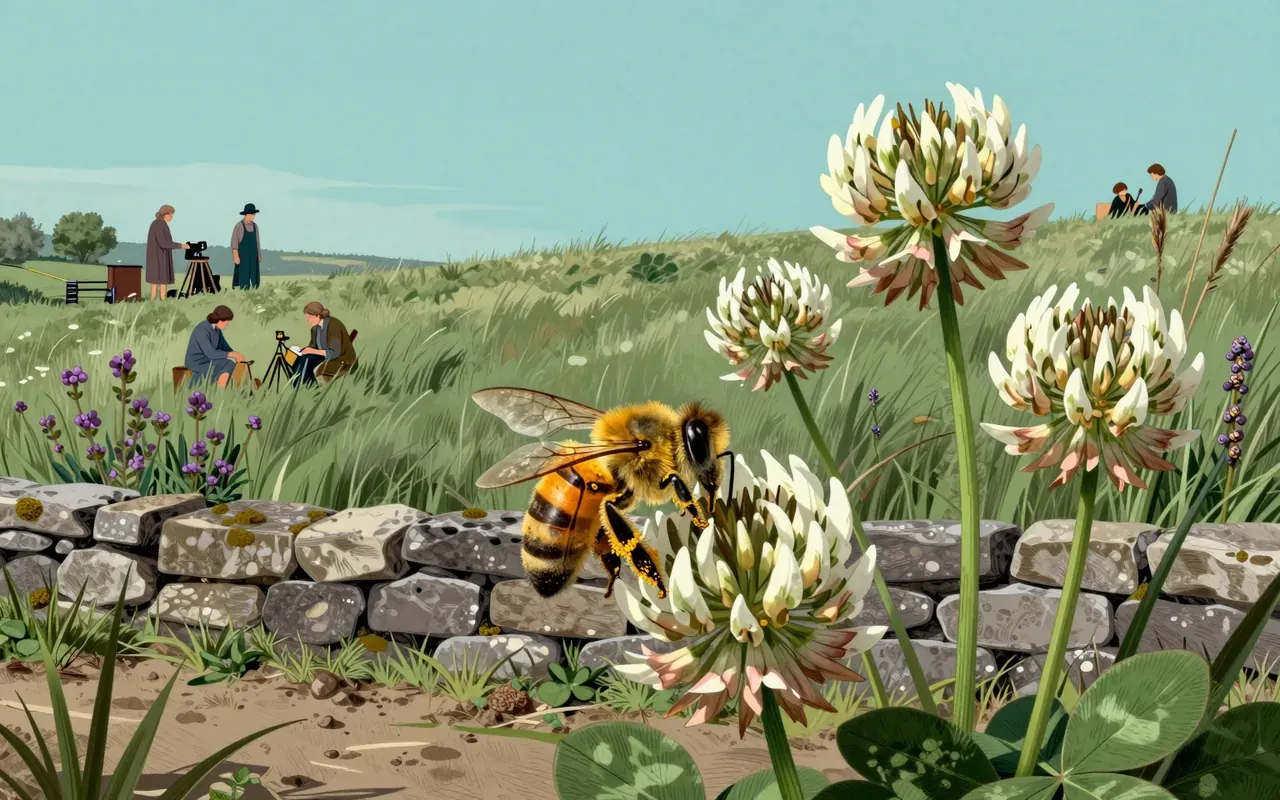
Honey bees are agricultural infrastructure—not wildlife—and their global dominance is a human transplant, not an ecological triumph.
9:08

Axolotl

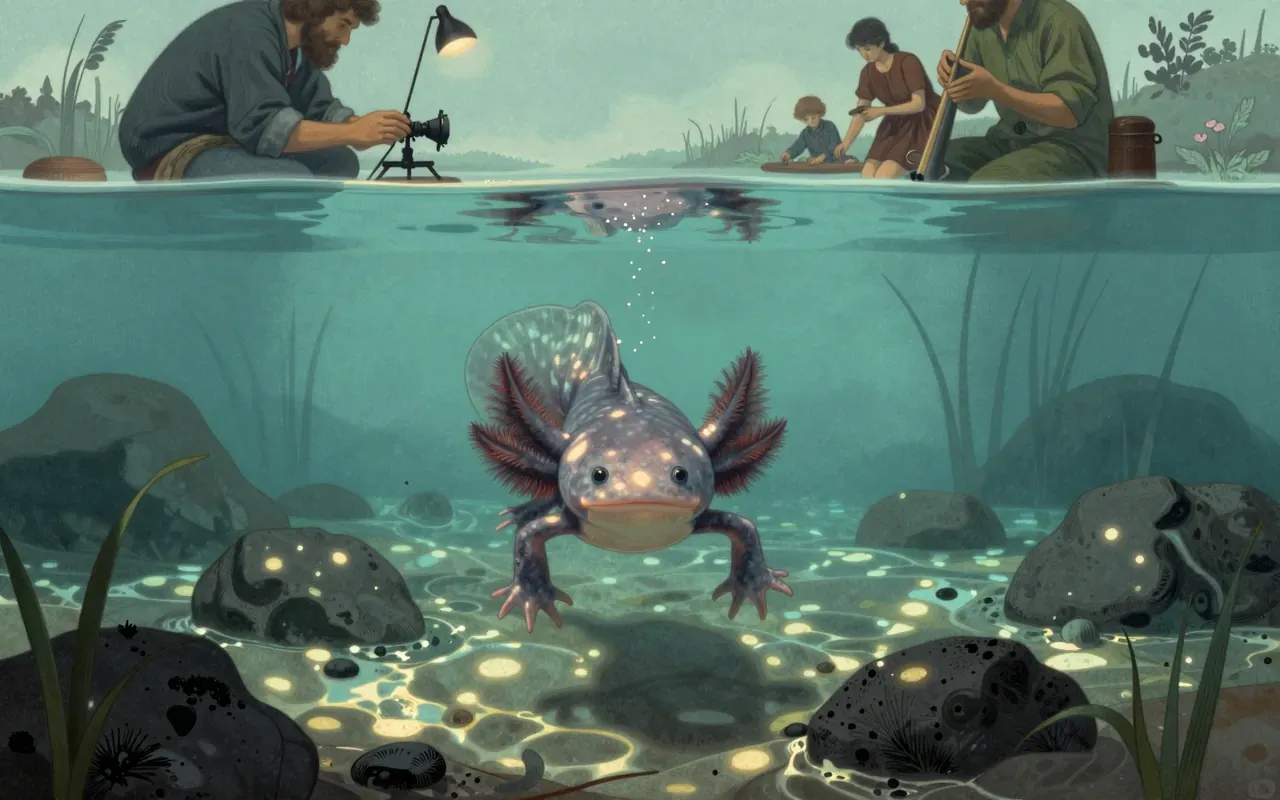
A salamander that refuses to grow up—and pays for it with near extinction.
9:08

Bearded vulture

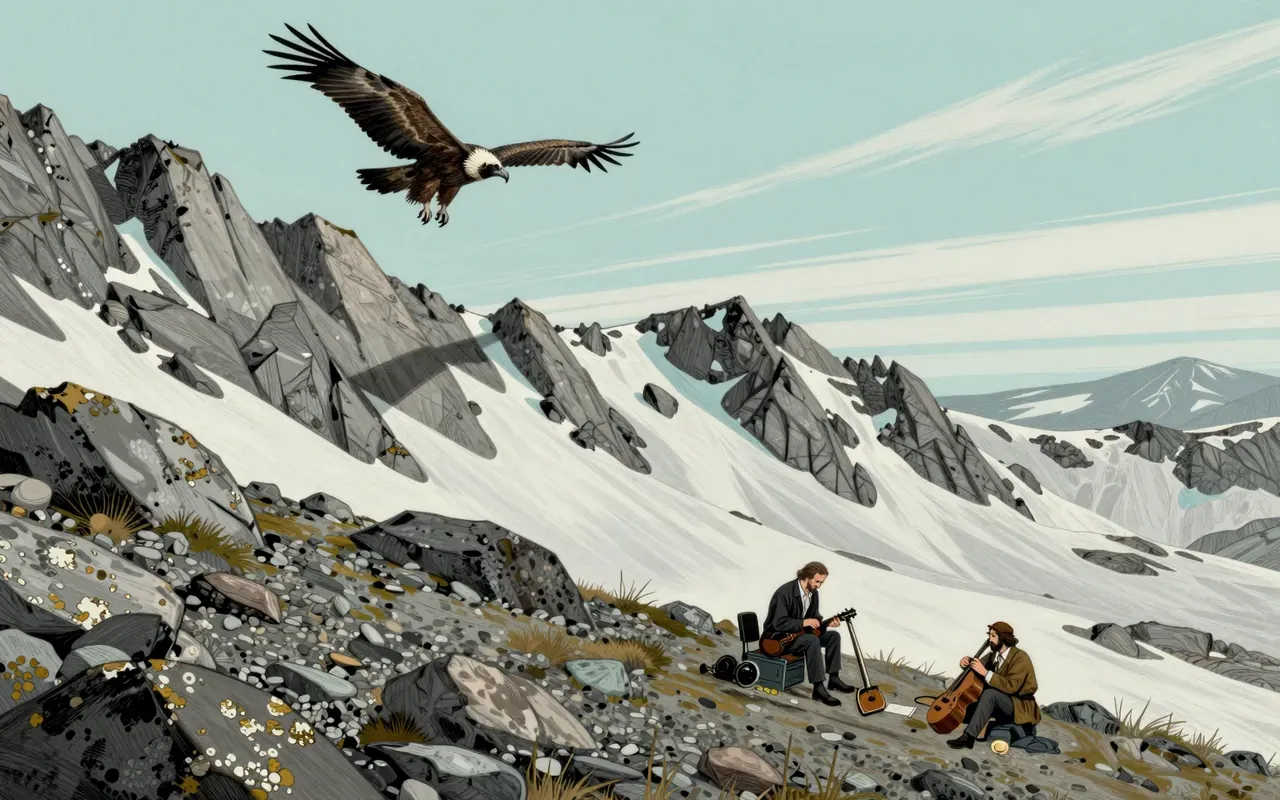
The only vertebrate that lives on bone—drops it, inspects it, digests it, and takes seven years to get it right.
9:08

Bristlecone pine

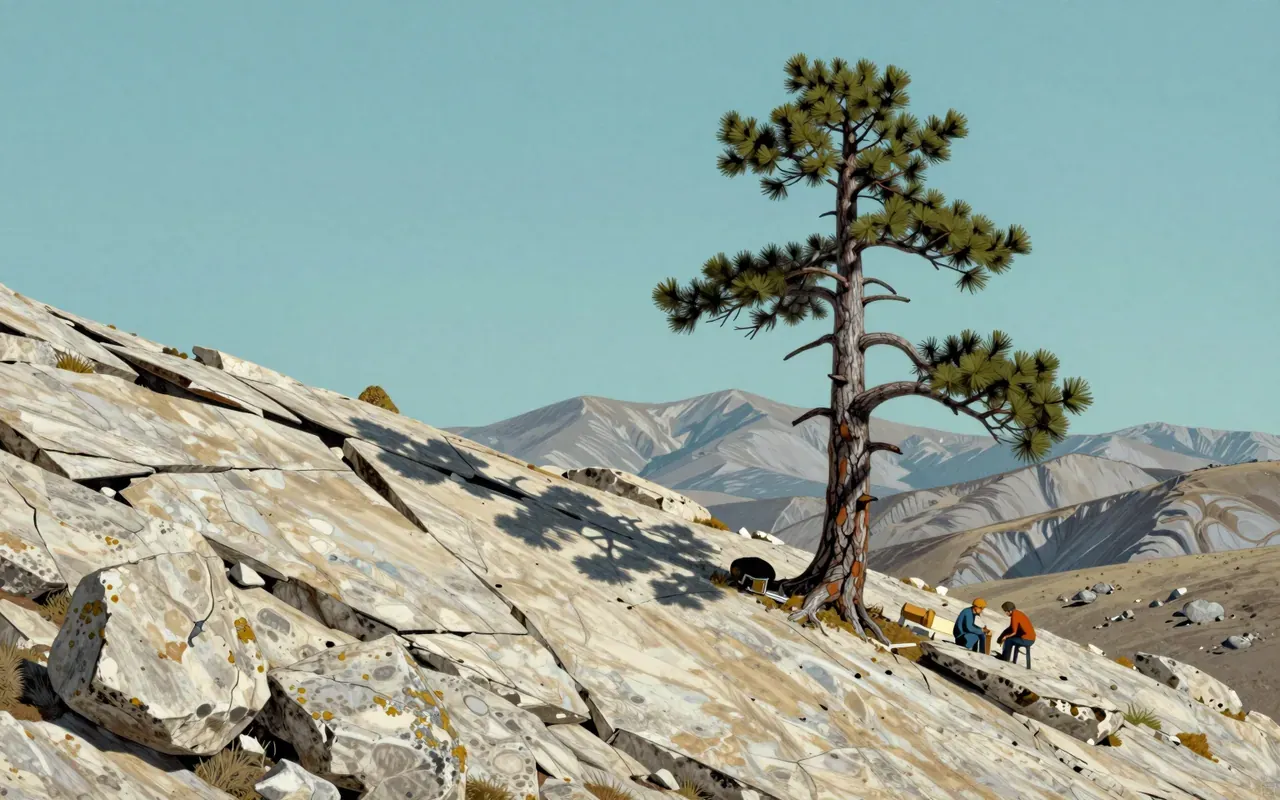
It doesn’t live long because it’s tough—it lives long because it refuses to grow where life is easy.
9:08

Gila monster

A sluggish, burrowing lizard whose venom rewrote diabetes medicine—and whose survival strategy defies every cliché about reptiles.
9:08

Green iguana

A hurricane washed it to Anguilla—proving this lizard sails the Caribbean on storm debris.
9:08

Leafcutter ant

They farm fungi, deploy antibiotics, and run cities underground—yet never leave the tropics of the Americas.
9:08

Monarch butterfly

Migration is not written in the monarch’s DNA — it’s switched on like a light.
9:07

Keystone species

A keystone species isn’t rare — it’s irreplaceable. Remove it, and the whole arch falls.
9:07

Rattlesnake

A rattlesnake doesn’t strike first—it negotiates with noise.
9:06

Brocken spectre

A shadow that lies about its own size — and tells the truth about how easily we misread the world.
9:06

Dracaena cinnabari

A monocot that thickens like a tree—but gives no true rings, no easy age, and no second chance in a drying Socotra.
9:06

Magnetoreception

A quantum compass in the eye, an electric antenna in the snout—magnetoreception is real, diverse, and nothing like a compass.
9:06

Seed dispersal

Dispersal isn’t about seeds flying — it’s about where they land, who carries them, and why your assumptions are wrong.
9:06

African bush elephant

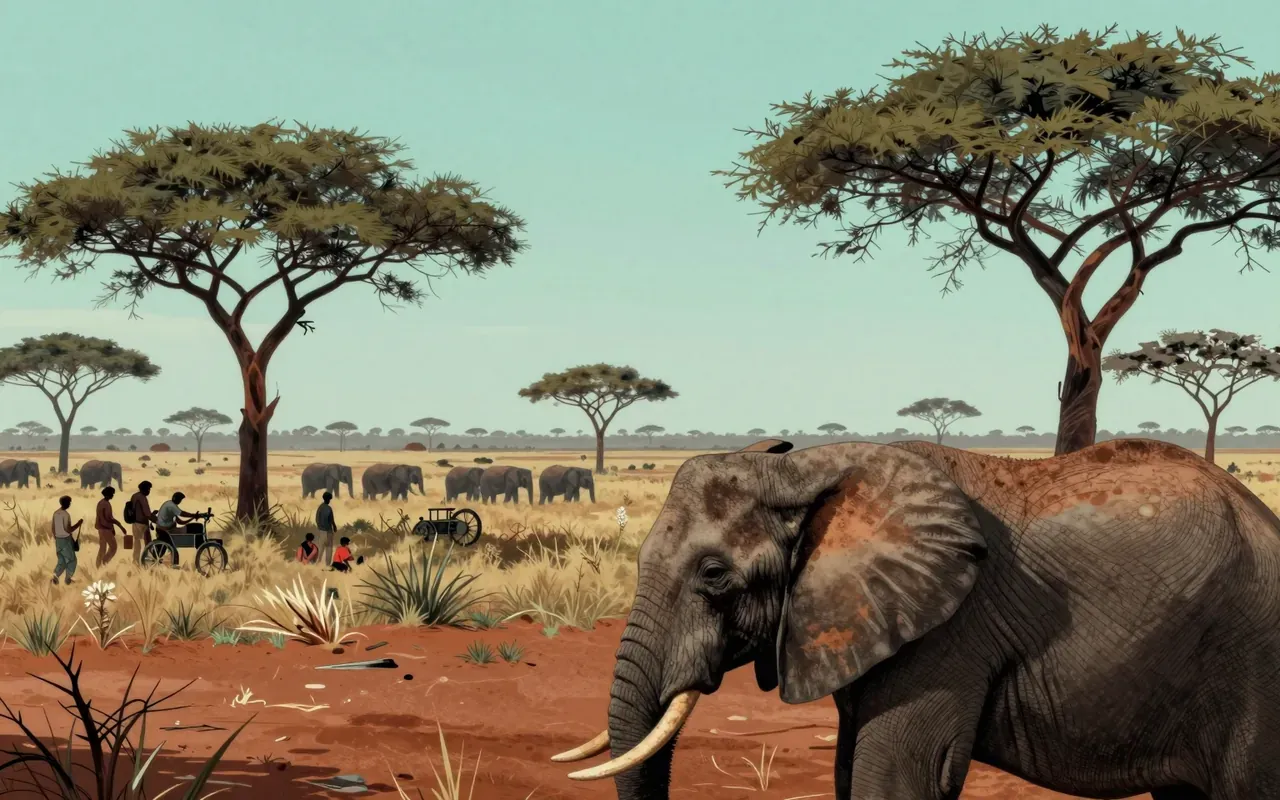
The largest land animal alive doesn’t hide—it radiates heat, cracks its skin, and walks through farms like they’re savannas.
9:06

Inland taipan

The world’s most venomous snake doesn’t rule the outback—it hides in plain sight, changing colour to survive, not to hunt you.
9:05

Hyacinth macaw

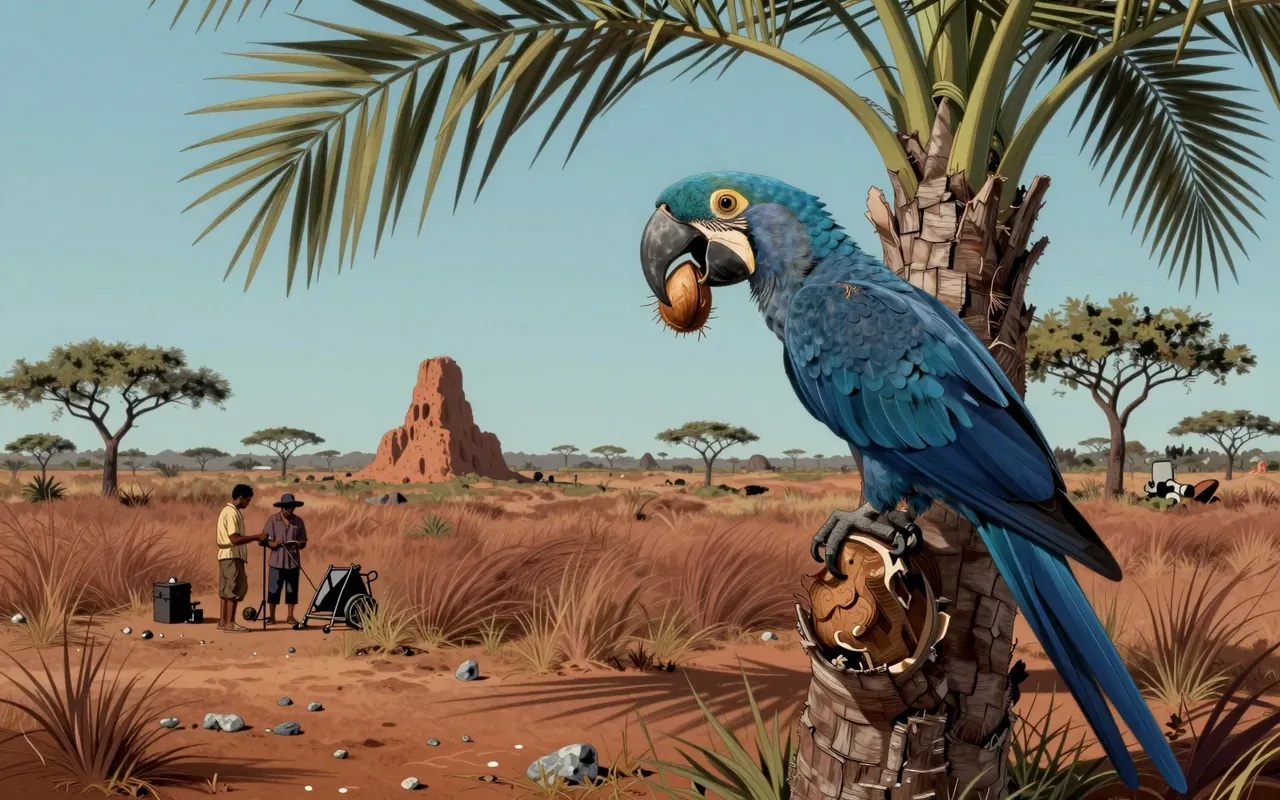
The world’s longest parrot survives only where palm swamps and savannahs remain intact—and where trappers haven’t reached it first.
9:05

Kākāpō

A parrot that gave up flight, swapped parenting for leks, and now lives only where humans keep every rat off the island.
9:05

King penguin

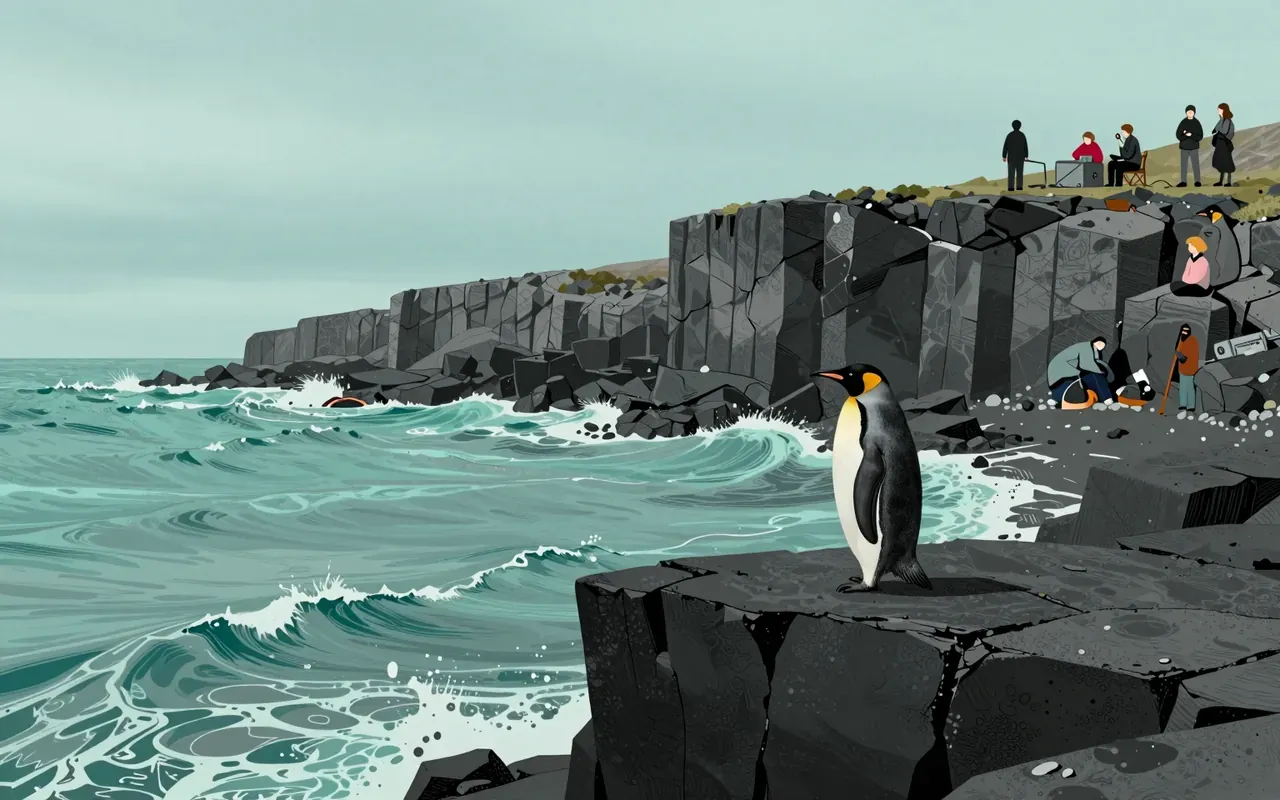
Deeper than most birds dive—but still at the mercy of nets and warming seas.
9:04

Bumblebee

They don’t just buzz — they heat themselves to fly in snowmelt.
9:04

Crown-of-thorns starfish

It doesn’t eat reefs—it eats coral polyps, one colony at a time, with venomous spines that make it impossible to ignore.
9:03

Wadden Sea

A tidal zone that feeds half a million birds—and still drowns its engineers.
9:02

Venom

Venom isn’t inherited — it’s reinvented, at least 104 times, by animals that bite, sting or pierce.
9:02

Andean condor

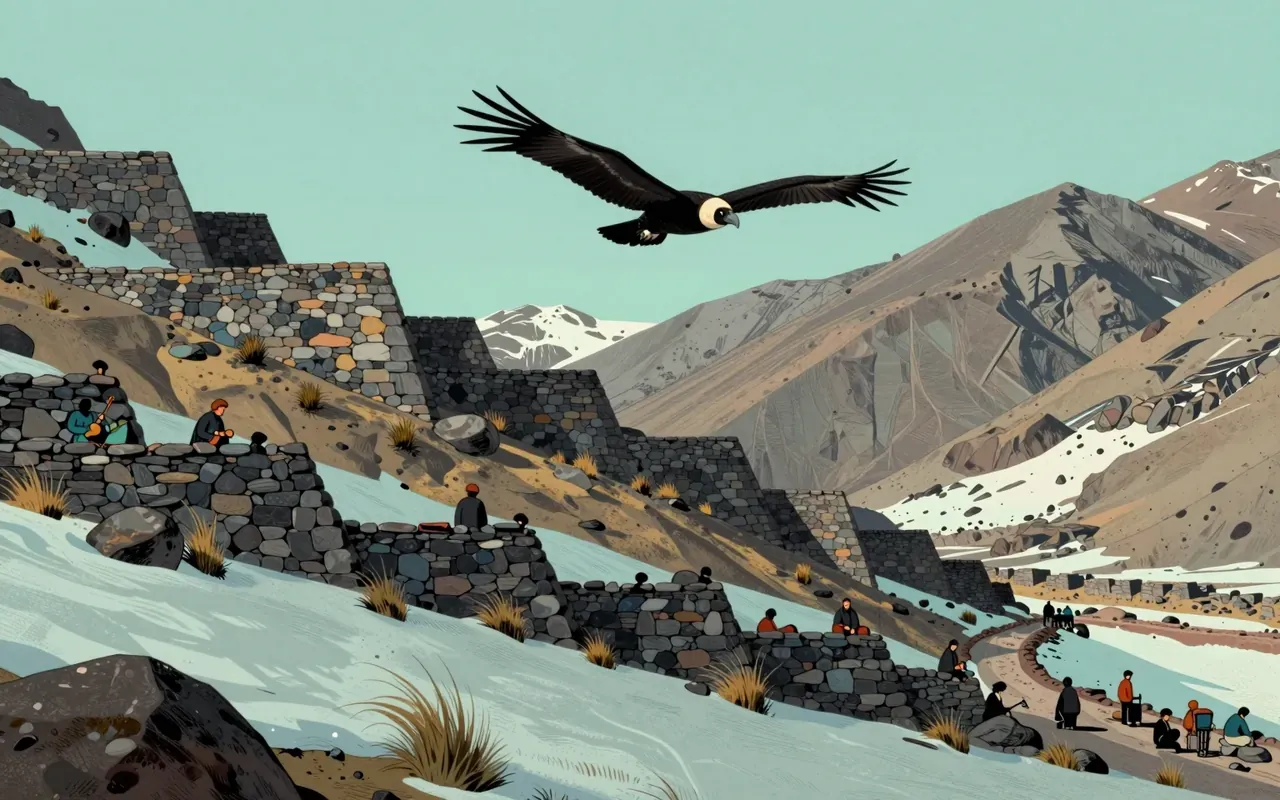
A bald, red-faced sky-dominant scavenger that nests at 5,000 m—and refuses to do anything small.
9:02

Lake Titicaca

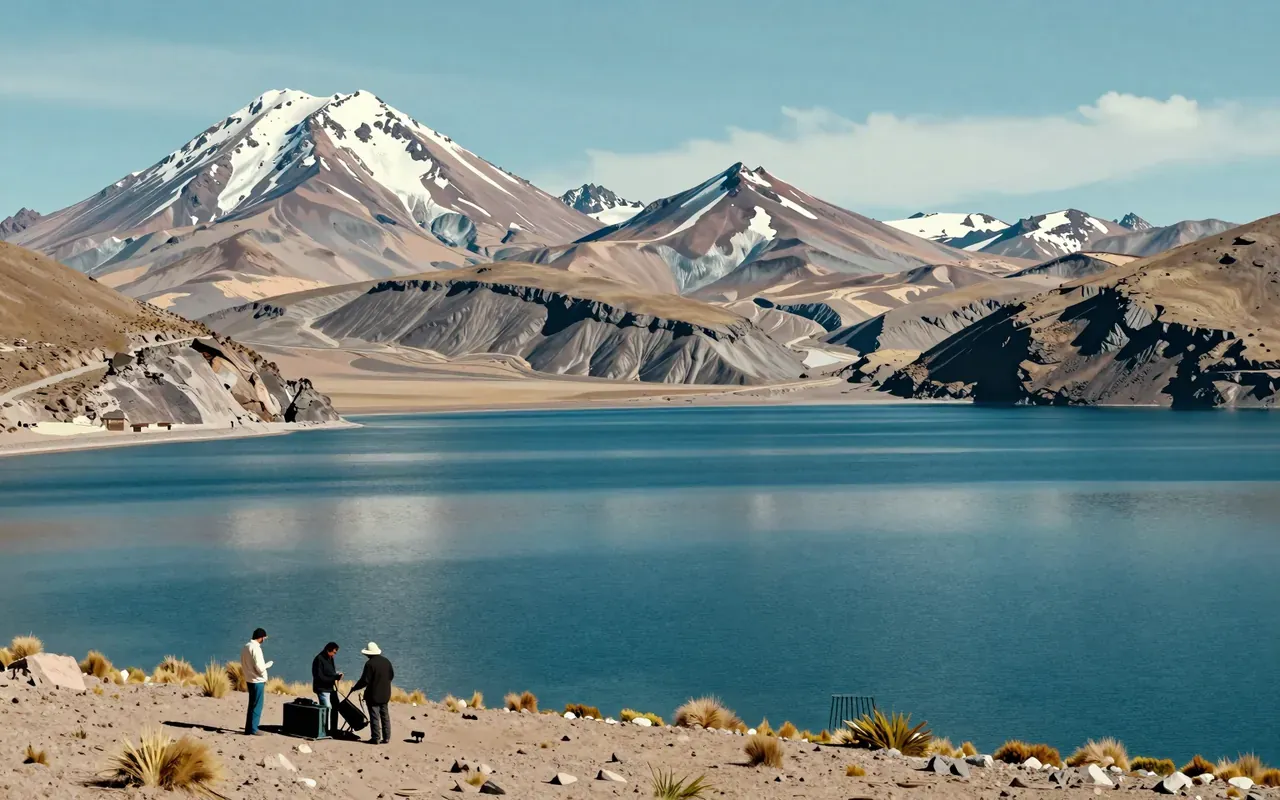
The highest navigable lake in the world isn’t just high—it’s sealed off, split in two, and teeming with life that shouldn’t survive there.
9:01

Ball lightning

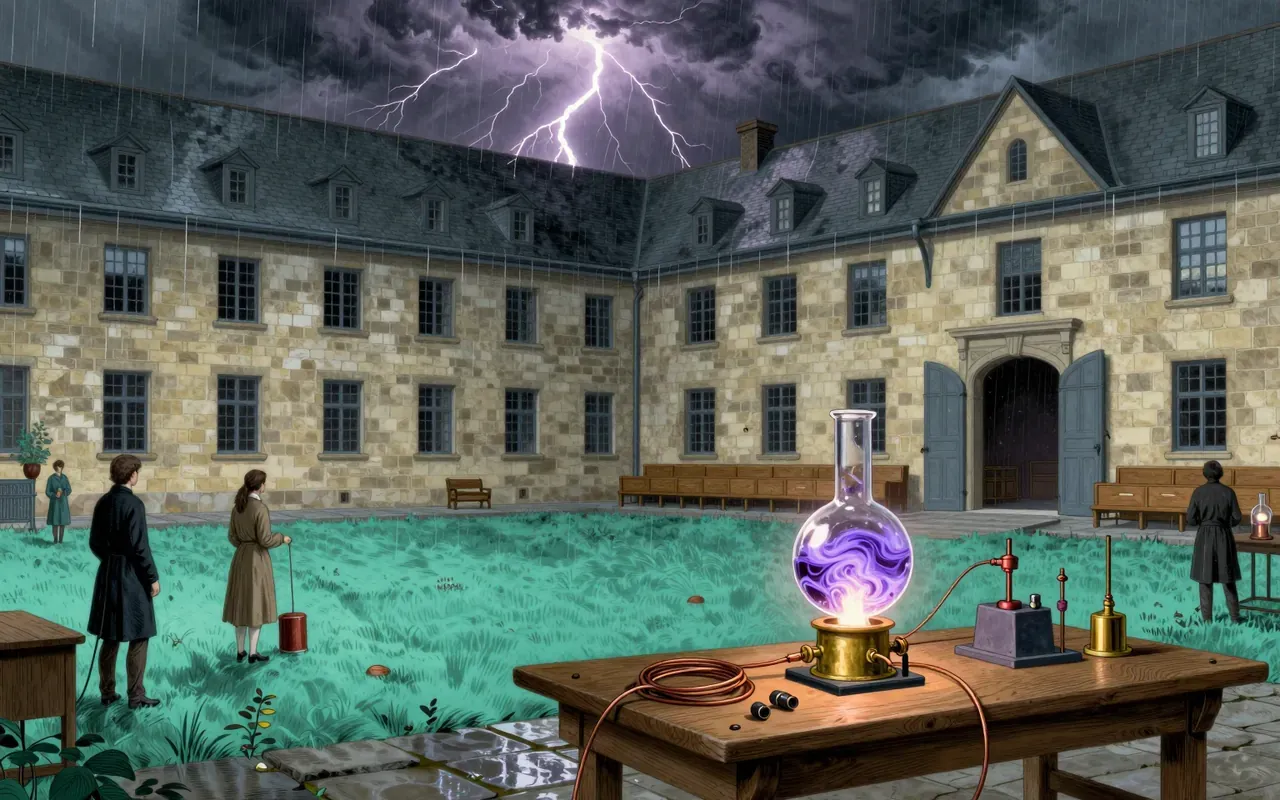
Ball lightning isn’t weather — it’s a warning that our instruments still miss what the sky actually does.
9:01

St. Elmo's fire

St. Elmo’s fire is plasma — not magic, not lightning, but ionized air glowing where geometry meets voltage.
9:01

Darwin's bark spider

A spider that redefined toughness, territory, and web-building — all by hanging its orb over water.
9:00

Geodes

A geode is a hollow, roughly spherical rock in sedimentary or volcanic rock holding mineral matter, which may include crystals, deposited from groundwater or hydrothermal fluids.
9:00

Aurora

Auroras are not magic—they’re electron traffic jams in Earth’s magnetic tail, made visible.
9:00

Araucaria araucana

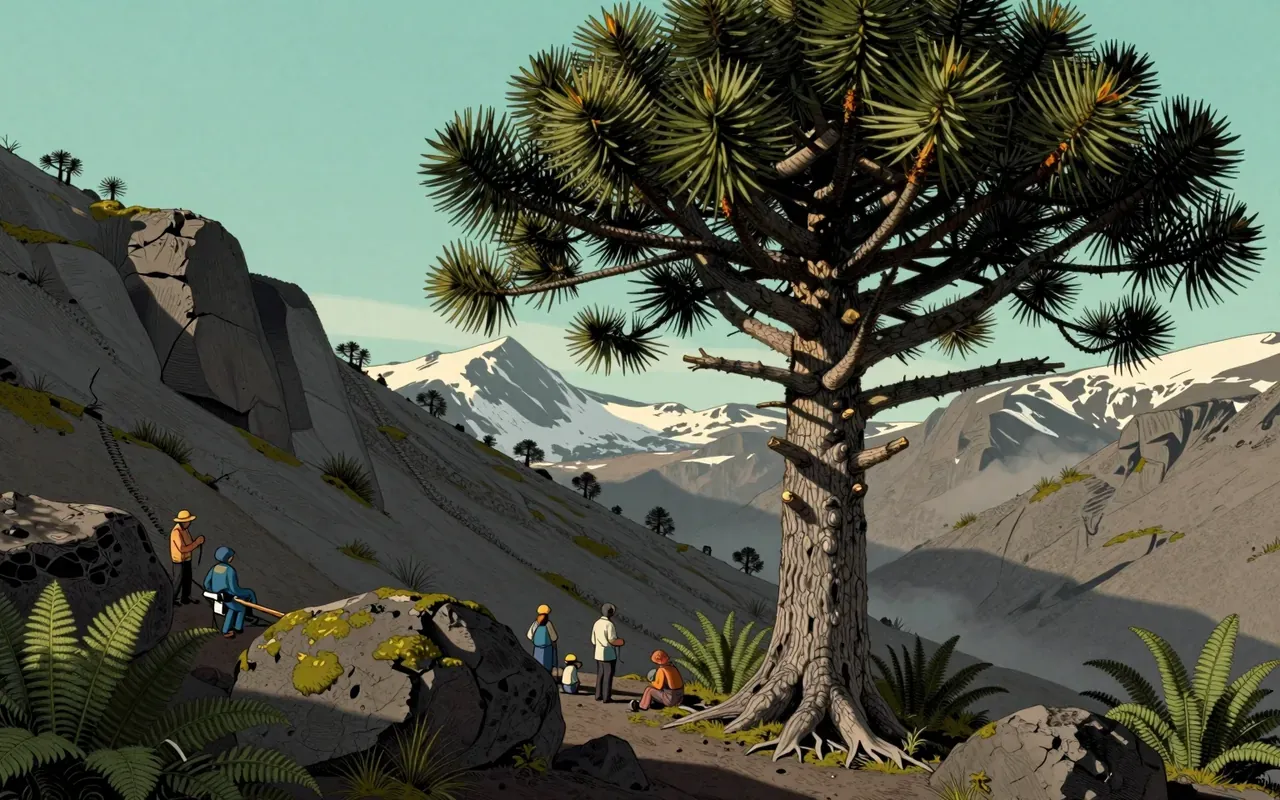
A conifer that keeps its leaves for 24 years, burns but survives, and outsources seed dispersal to rodents and parakeets.
9:00

American black bear

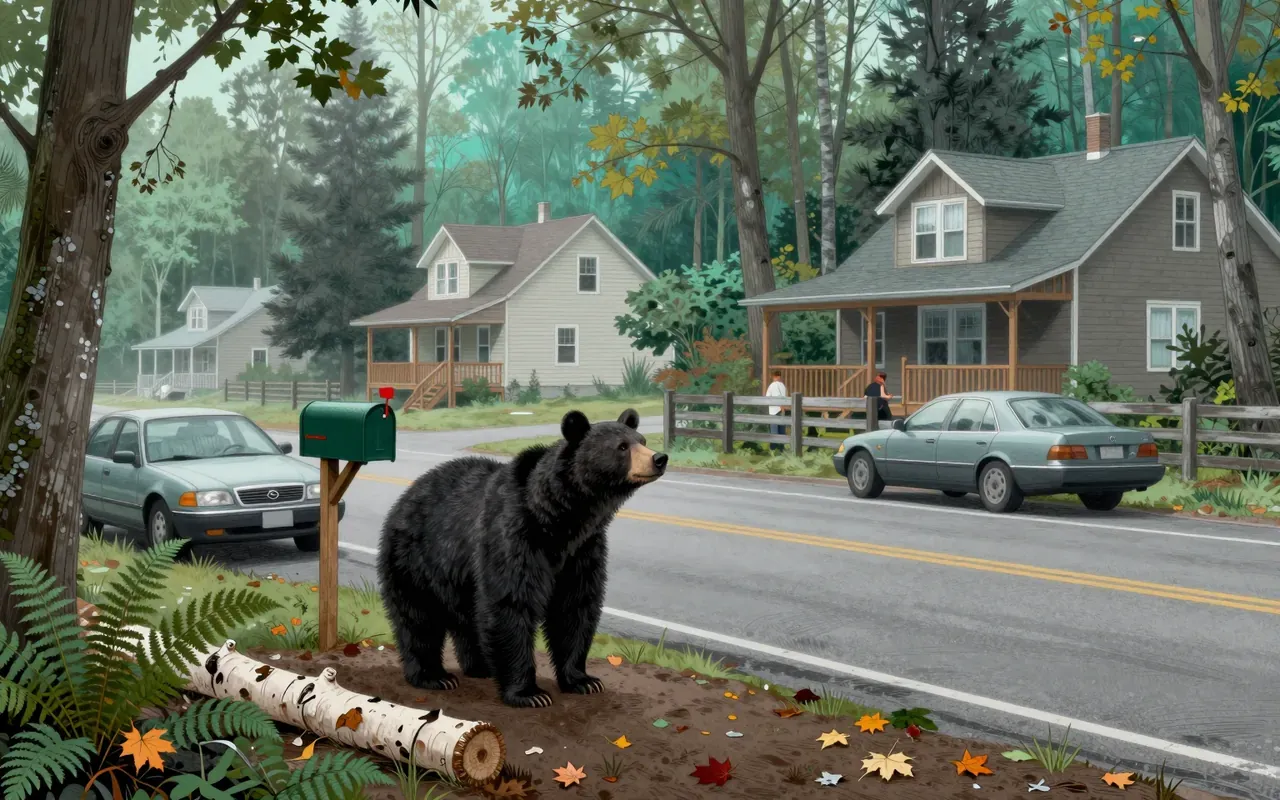
A bear that eats your picnic, outlived the Ice Age, and doesn’t need saving — because it already won.
8:59

Asian elephant

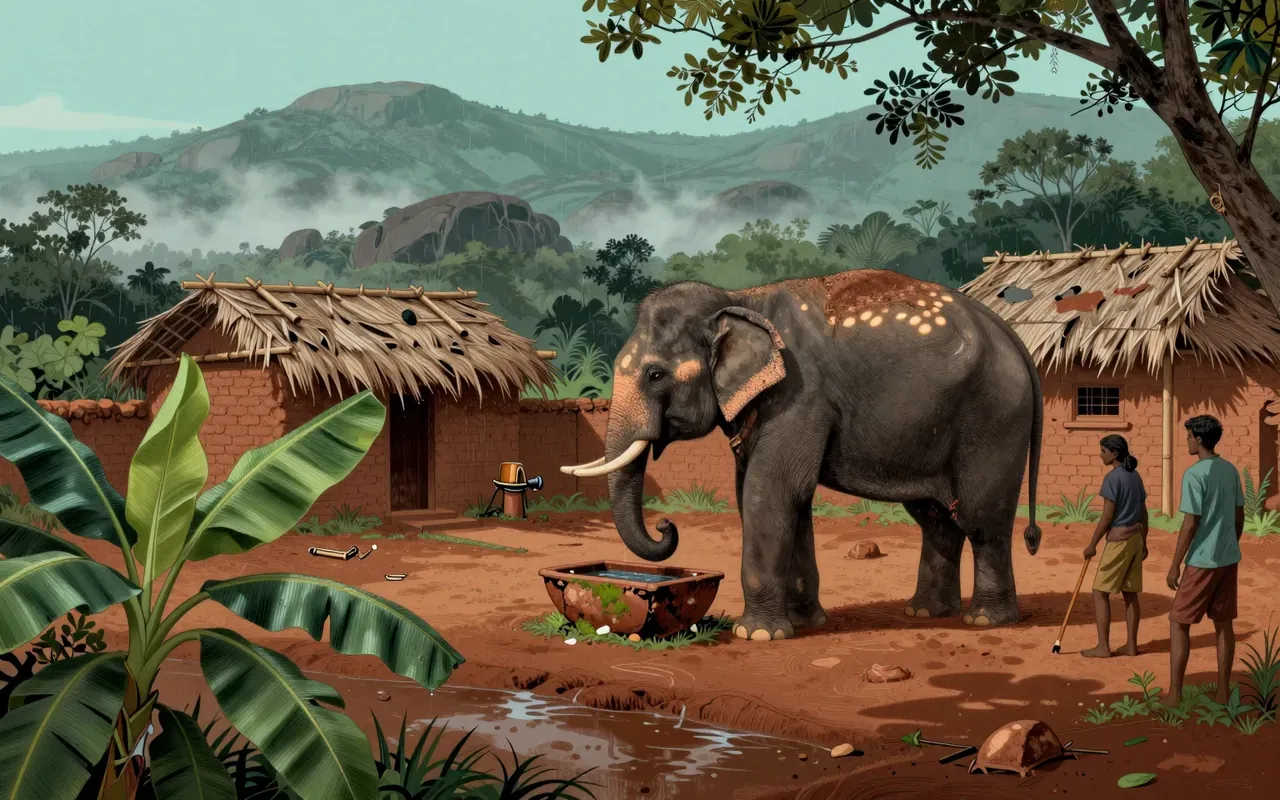
The only living Elephas—and the only elephant that shaped civilisation before it was pushed to the edge of extinction.
8:59

Blue whale

The largest animal ever confirmed doesn’t roar—it hums at frequencies humans can barely feel, and records its life in wax.
8:58

Sea cucumber

It liquefies its own body to vanish into the seabed — then reappears as dinner in Tokyo, Jakarta, and Port Louis.