naturebriefs
Longest first

All briefs

445 briefs · 4196 min · 289–384 on page 4 of 5
8:57

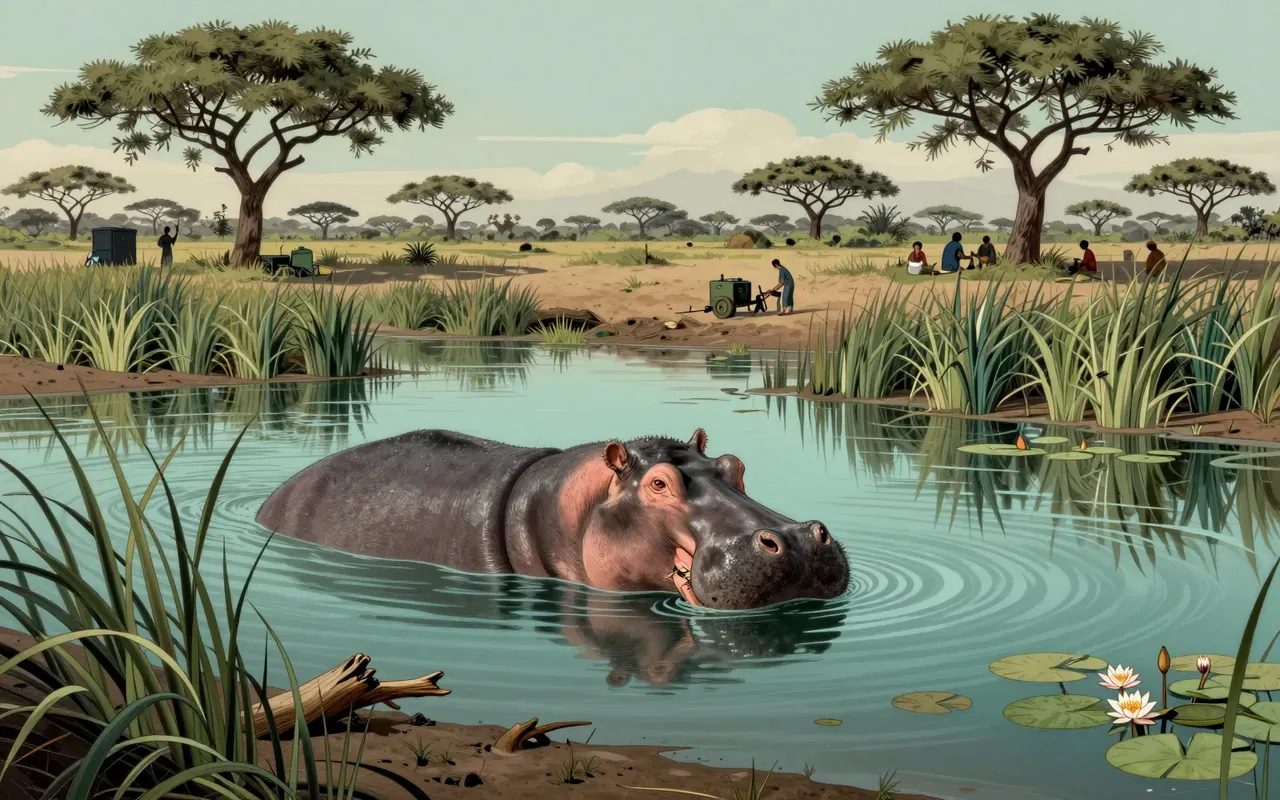
Hippopotamus

The hippo is not a river pig—it’s a whale cousin that kills more people than lions, grazes at dusk, and gives birth underwater.
8:56

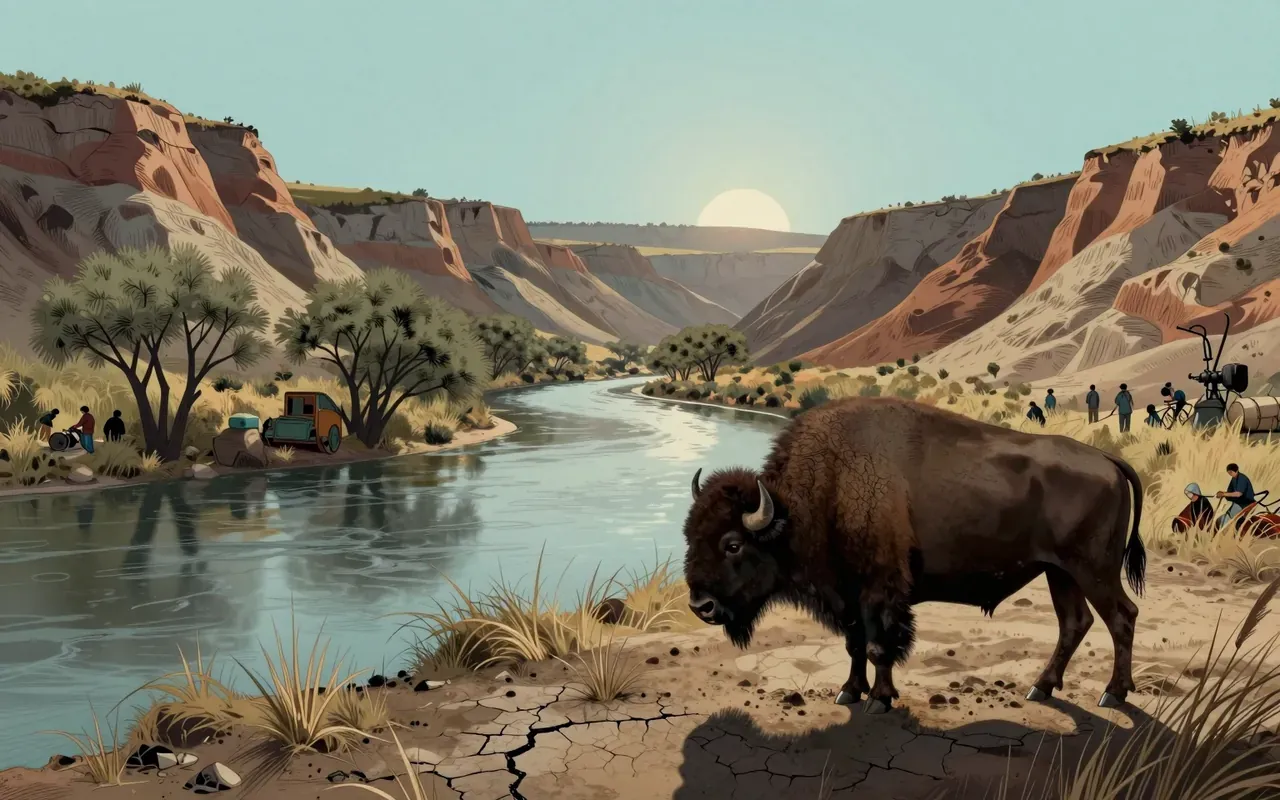
American bison

A species that survived genocide only to become a symbol no one lets roam free.
8:56

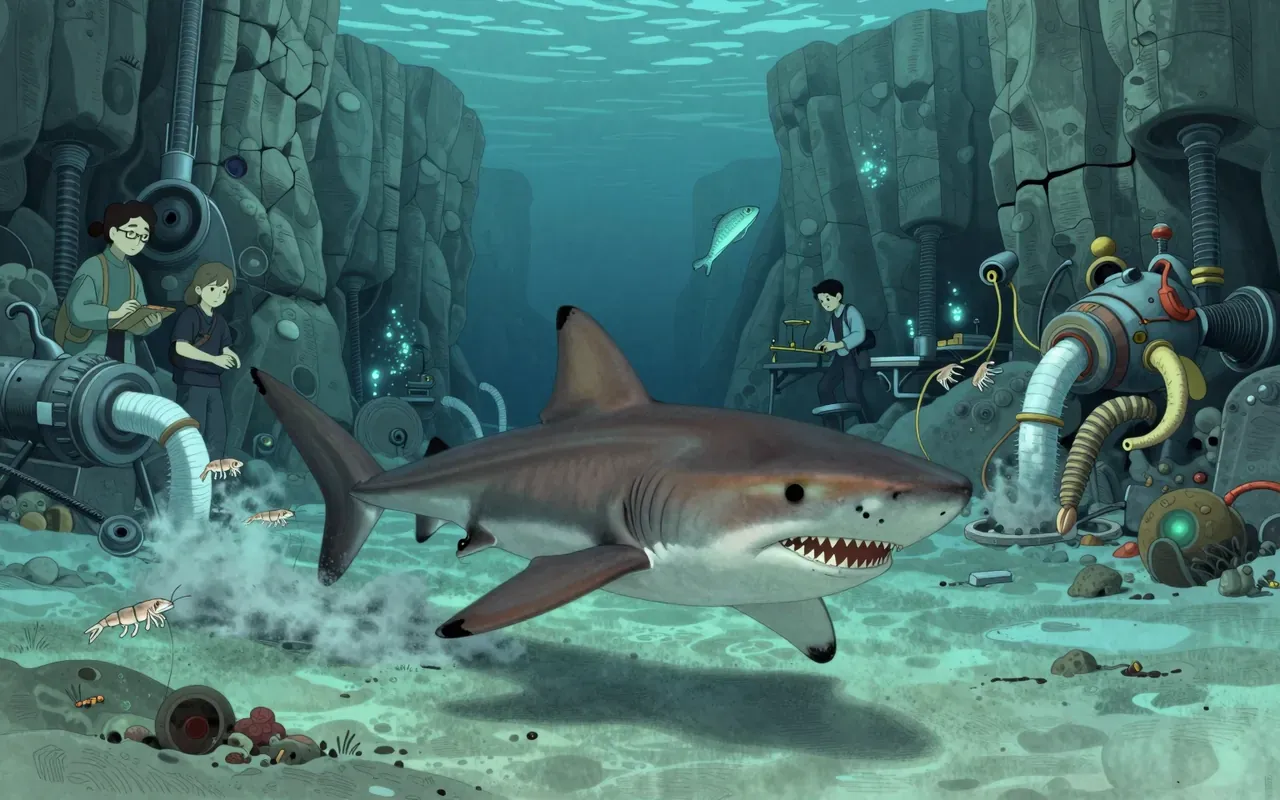
Frilled shark

A deep-dwelling eel-shark that ambushes like a coiled spring—and gestates longer than most mammals.
8:55

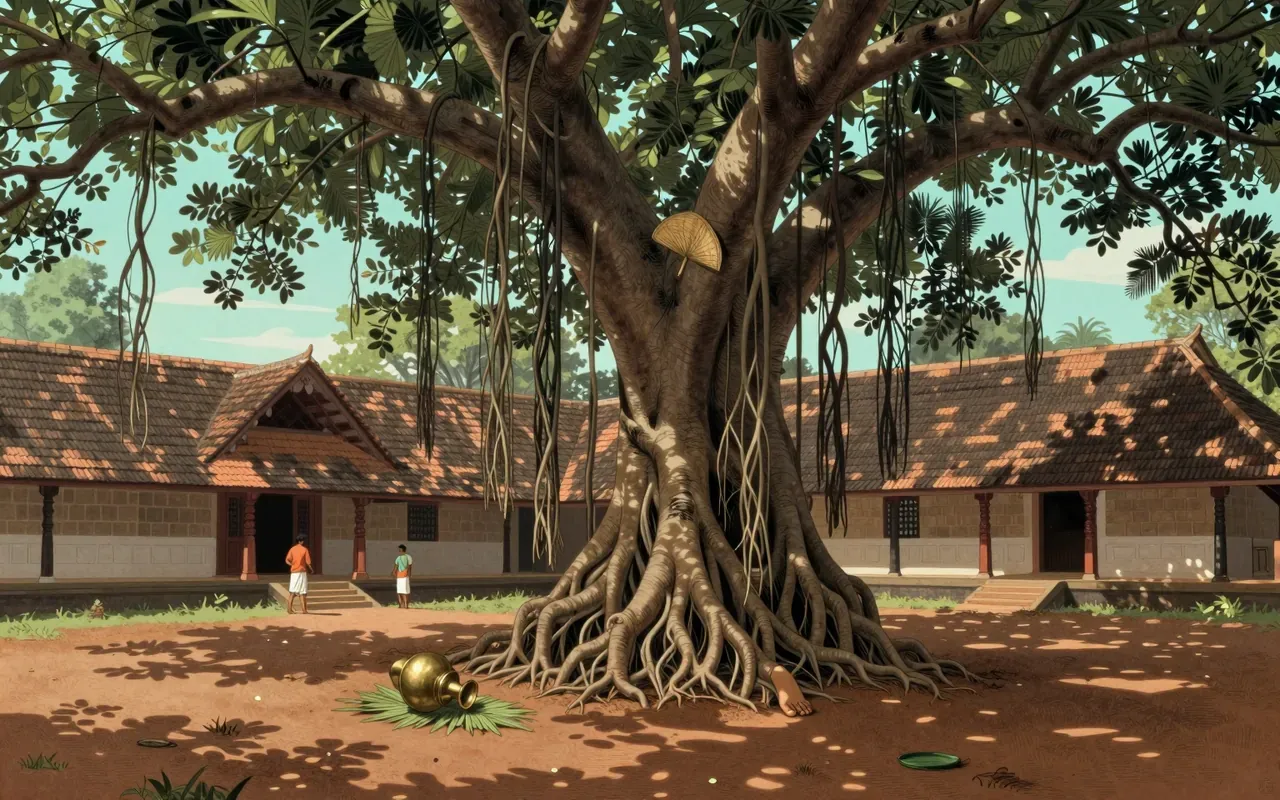
Banyan

It does not climb—it builds scaffolds from the sky down, then replaces its host with hollow stone-like columns.
8:54

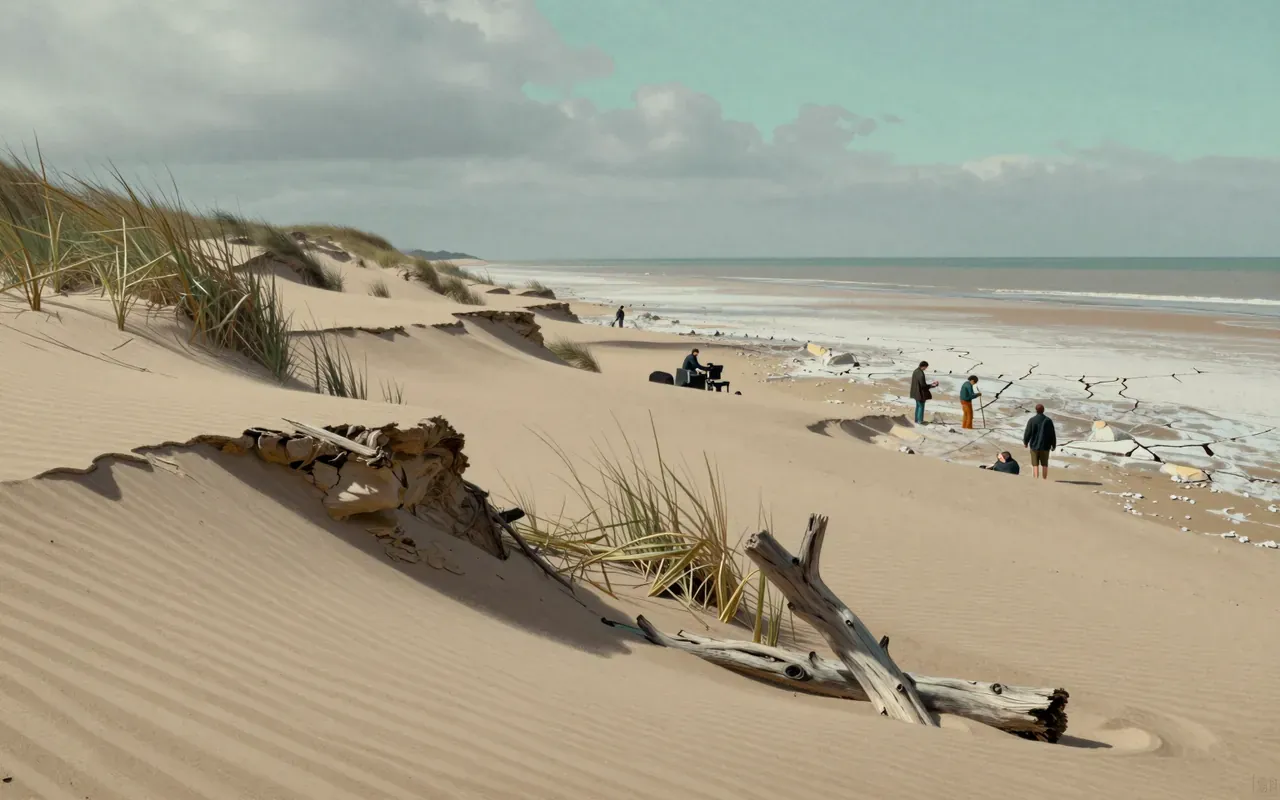
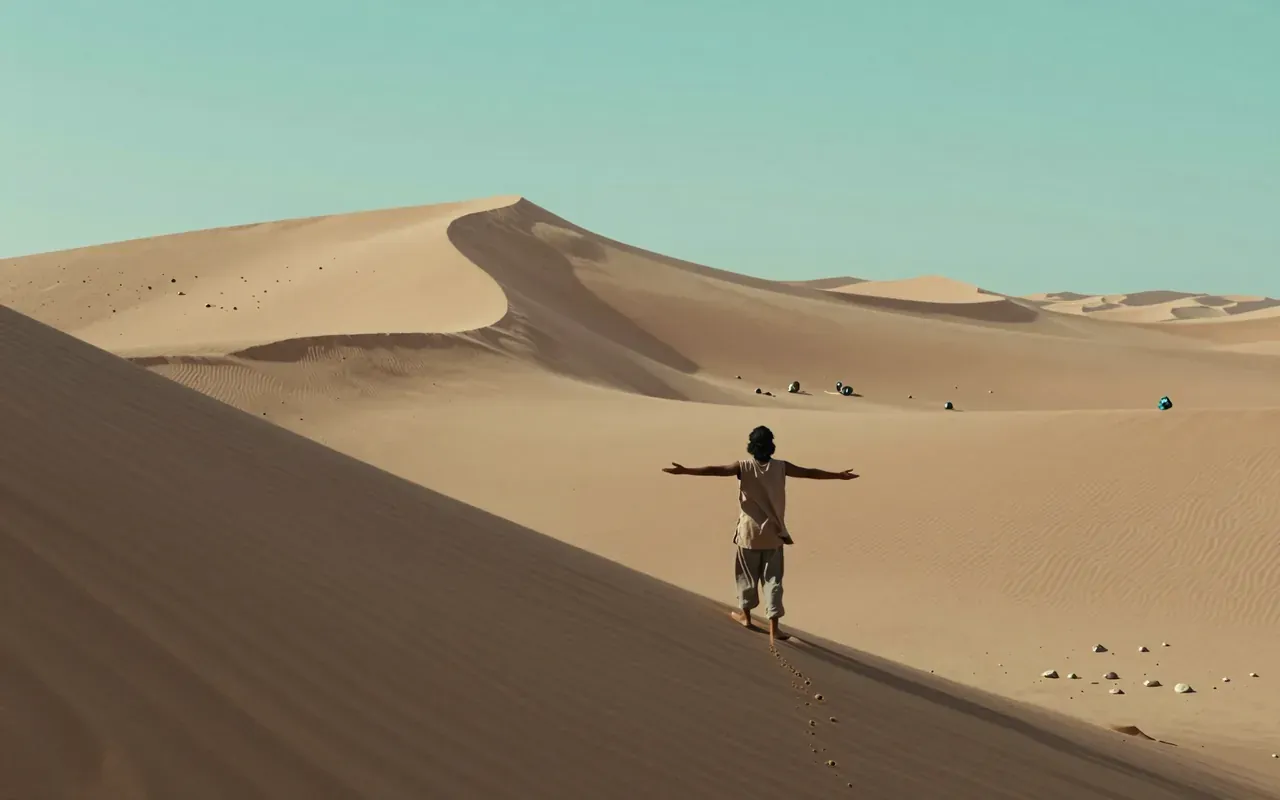
Dune

Dunes are not habitats—they are sand in motion, shaped only by flow and friction.
8:54

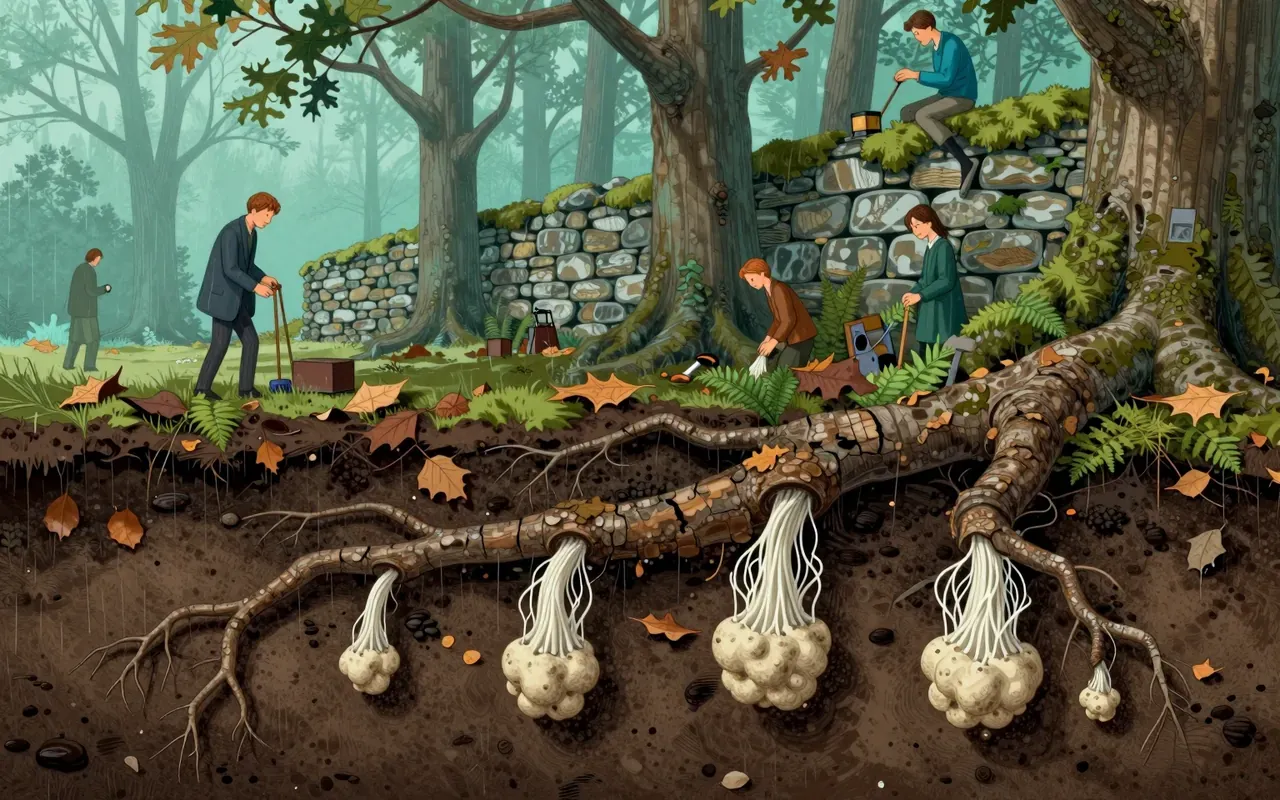
Truffle

Truffles are not luxury food—they’re underground proof that symbiosis evolved more than once.
8:53

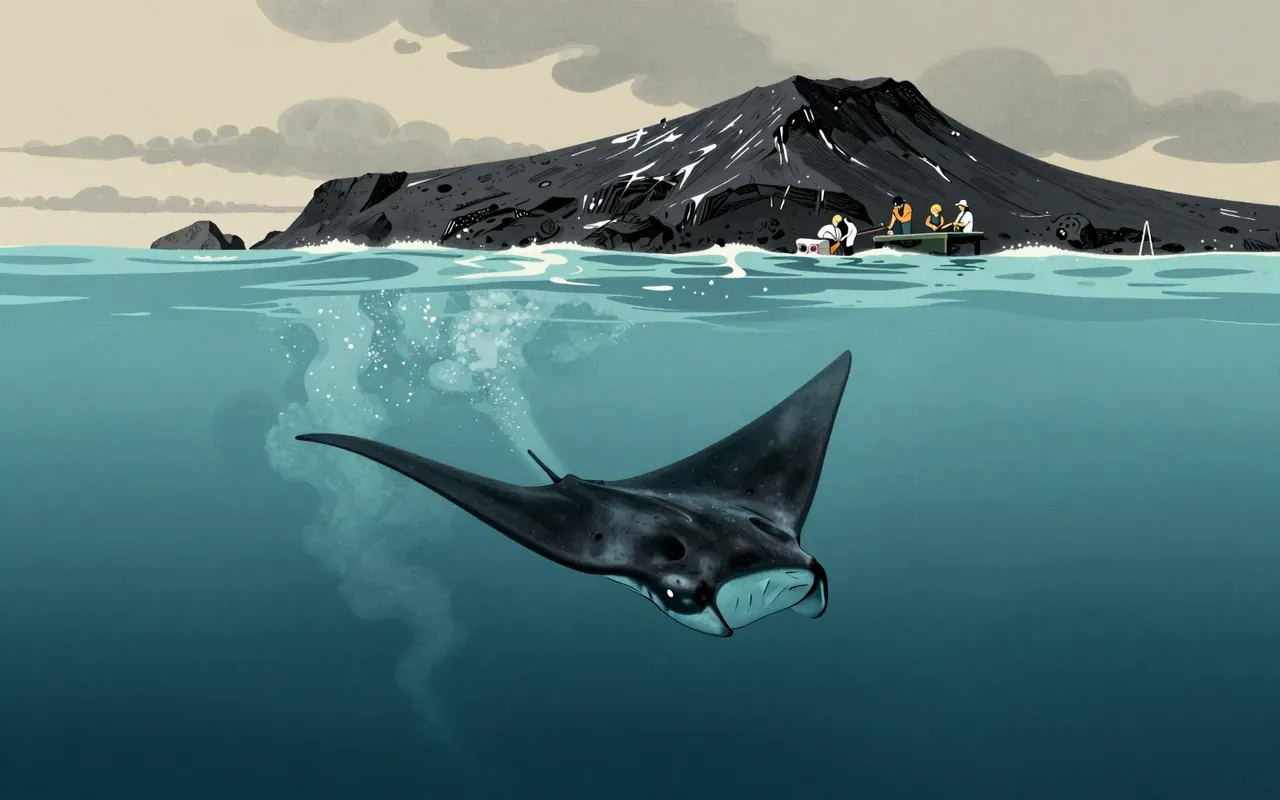
Giant oceanic manta ray

The ocean’s largest ray doesn’t live in reefs—it lives in the current, eats fish and plankton, and got its genus changed because DNA proved taxonomists were wrong.
8:53

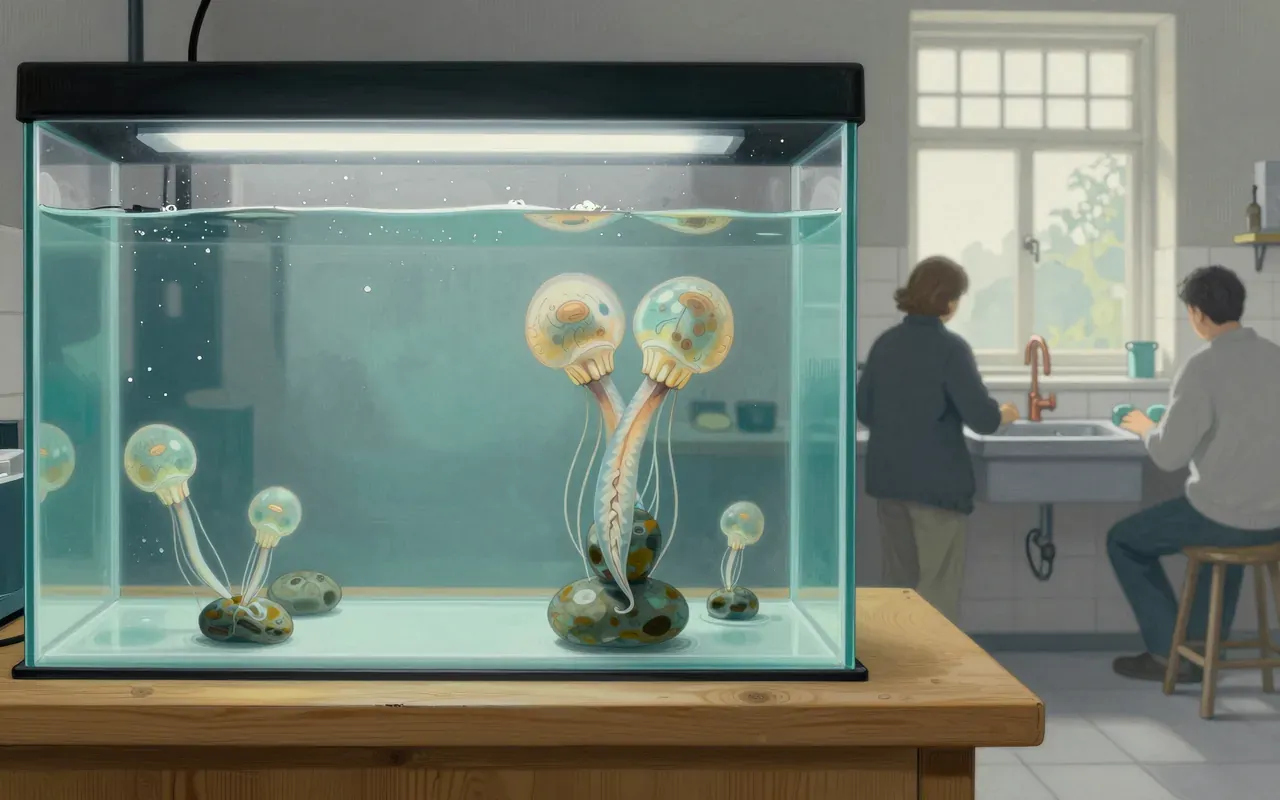
Regeneration (biology)

Regeneration isn’t magic—it’s asexual cellular work that rebuilds what’s broken, and fails where fibrosis takes over.
8:52

Barrel cactus

A desert plant that waits years to bloom—then does it twice, once for spring sun and once for monsoon rain.
8:52

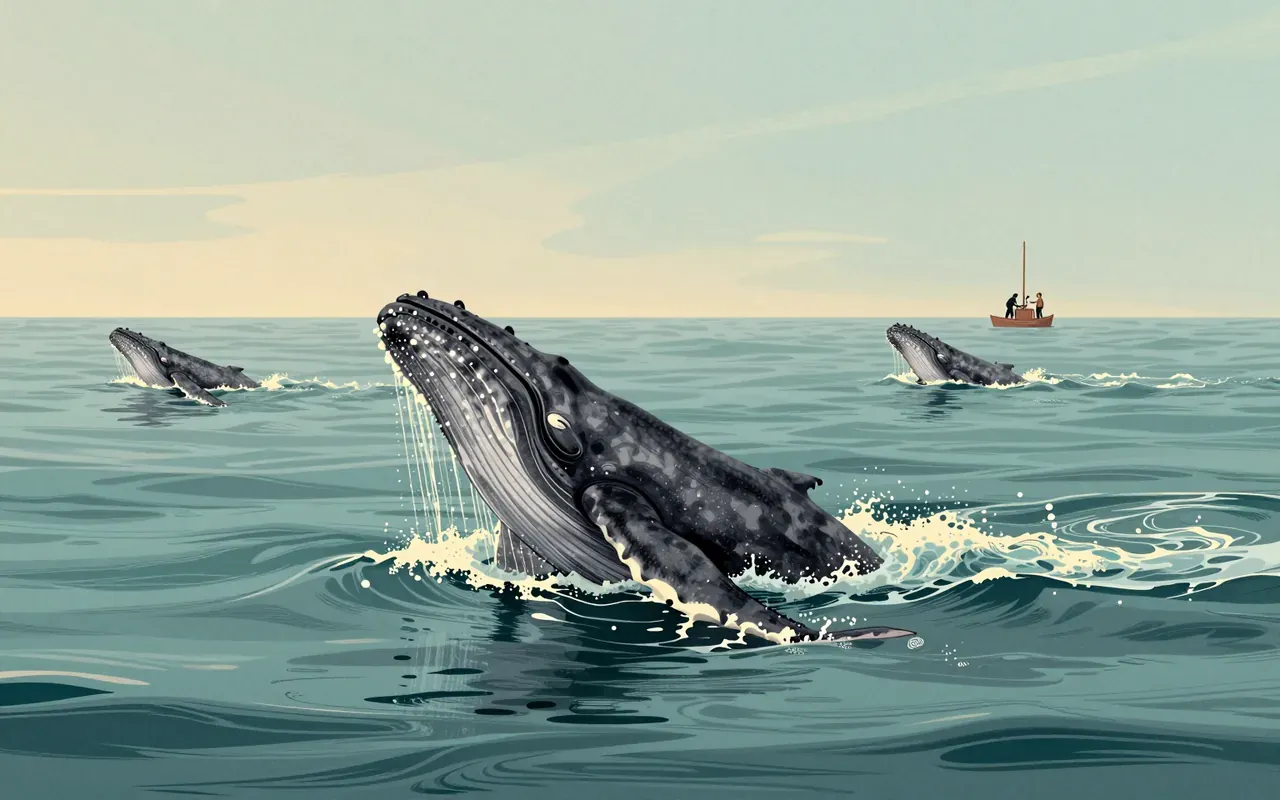
Whale vocalization

Humpback whale song is cultural transmission without sex, syntax without speech, and evolution without repetition.
8:52

Amanita phalloides

The deadliest mushroom on Earth doesn’t need to be rare, flashy or hard to mistake — it just needs to be eaten once.
8:52

Electric eel

It doesn’t just shock—it maps, coordinates, and concentrates voltage like no other fish.
8:52

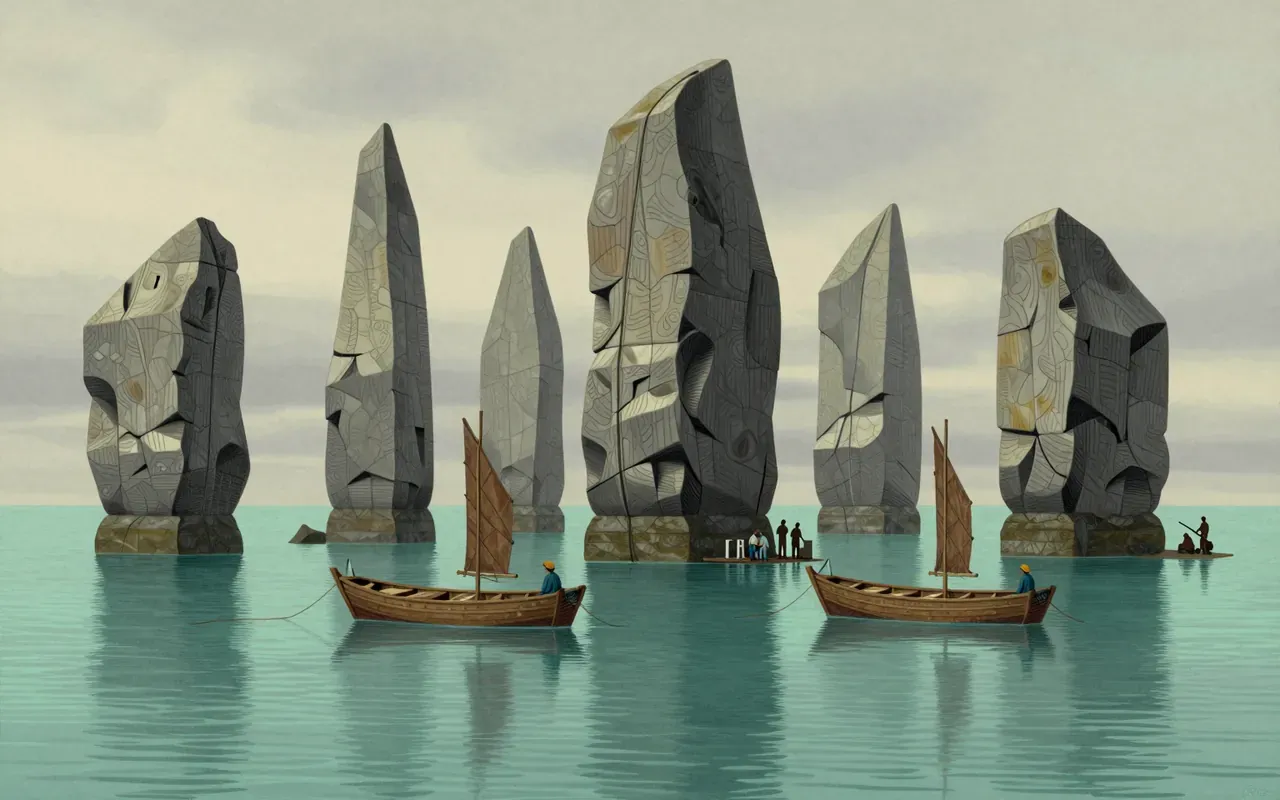
Hạ Long Bay

A drowned karst archipelago — not a living thing, but a landscape that breathes through dolines.
8:52

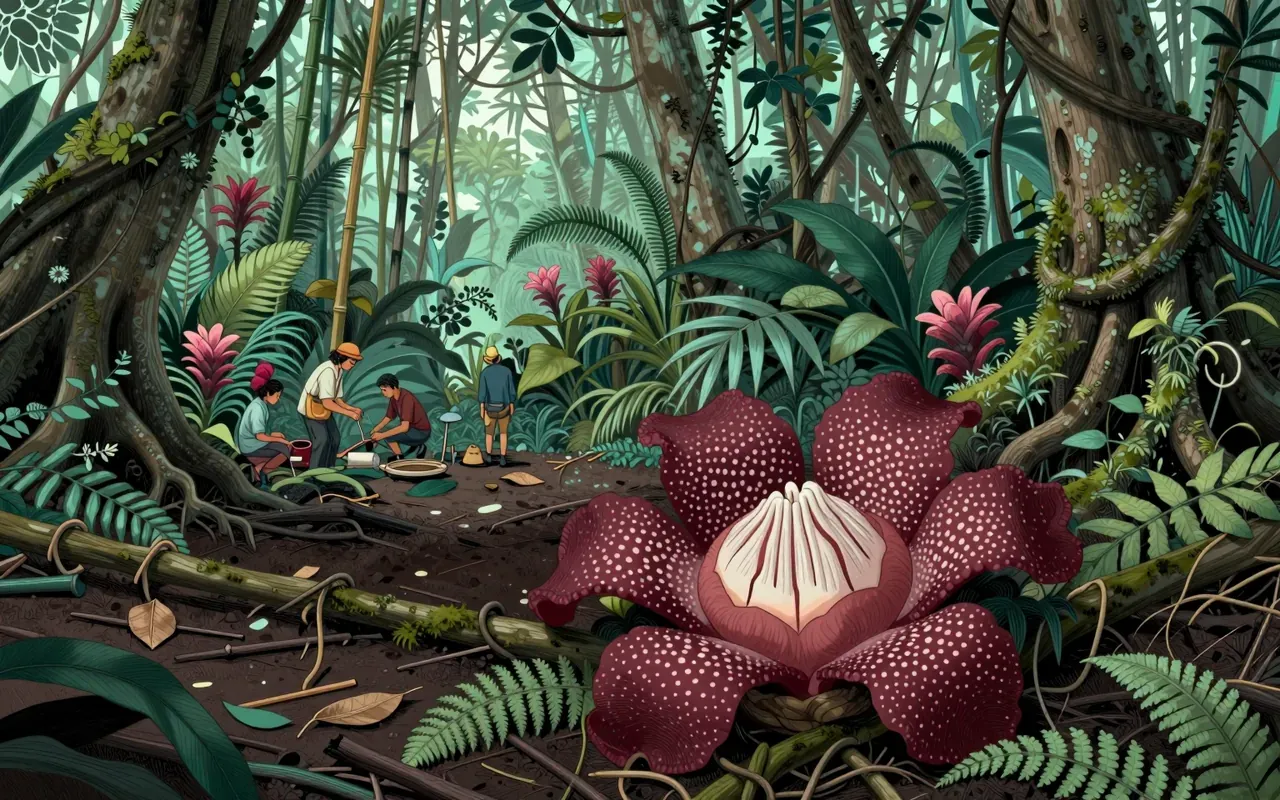
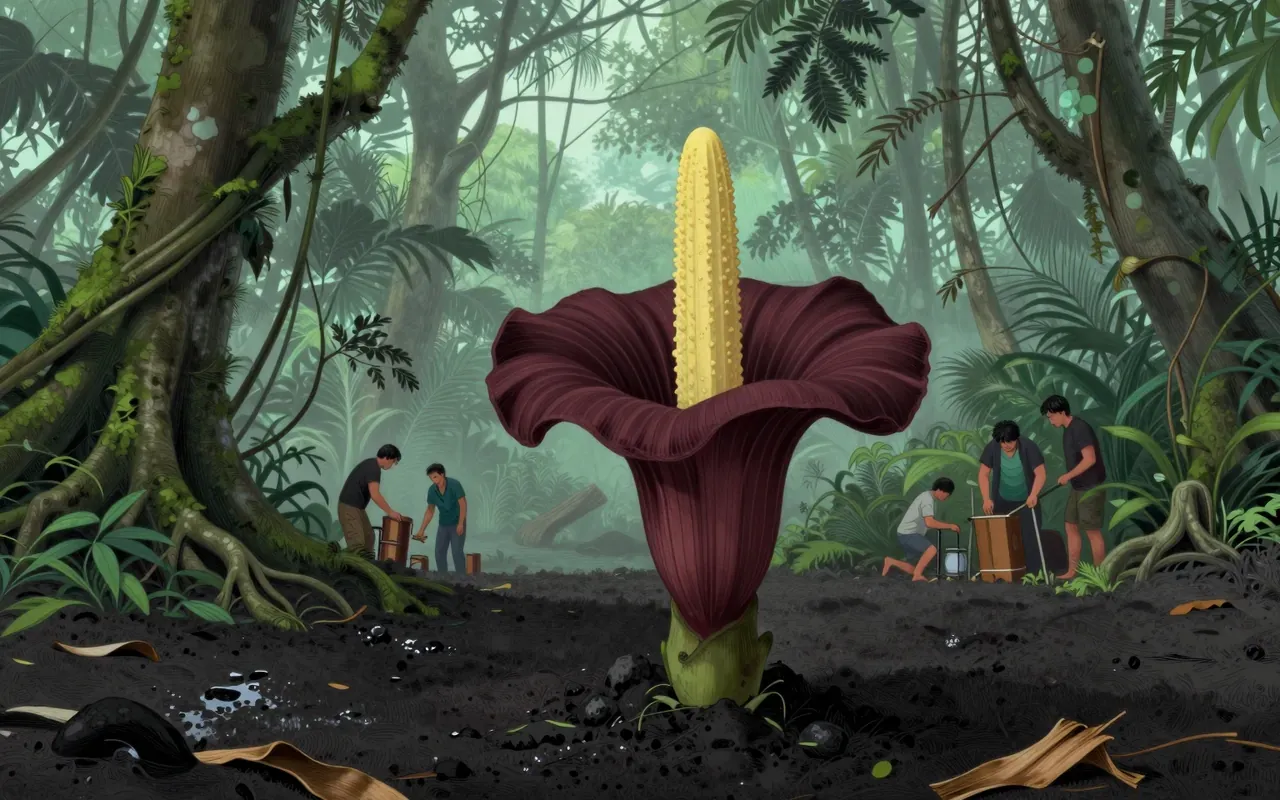
Rafflesia

The world’s largest flower is a parasite that doesn’t breathe, doesn’t eat sunlight, and blooms once then rots—on someone else’s vine.
8:51

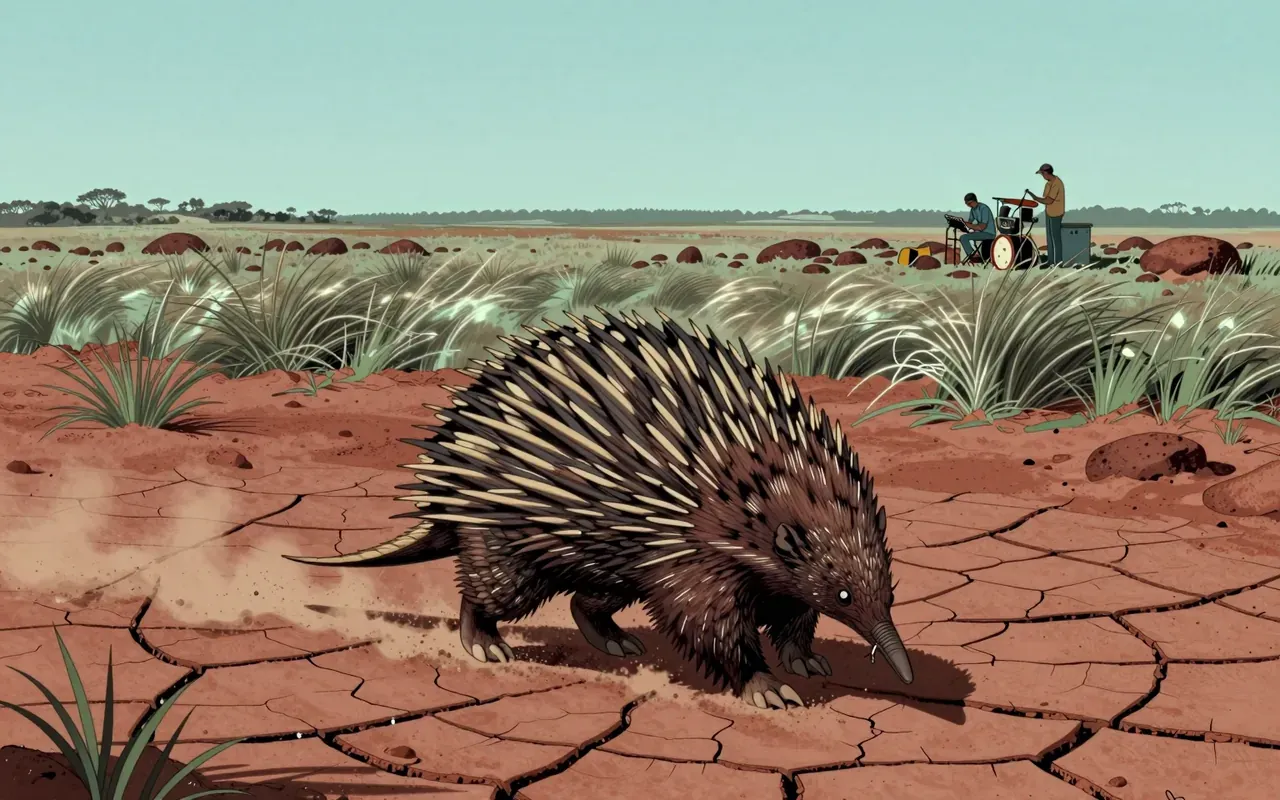
Echidna

The echidna hunts with electricity—and proves evolution doesn’t need to reinvent the wheel to repurpose it.
8:50

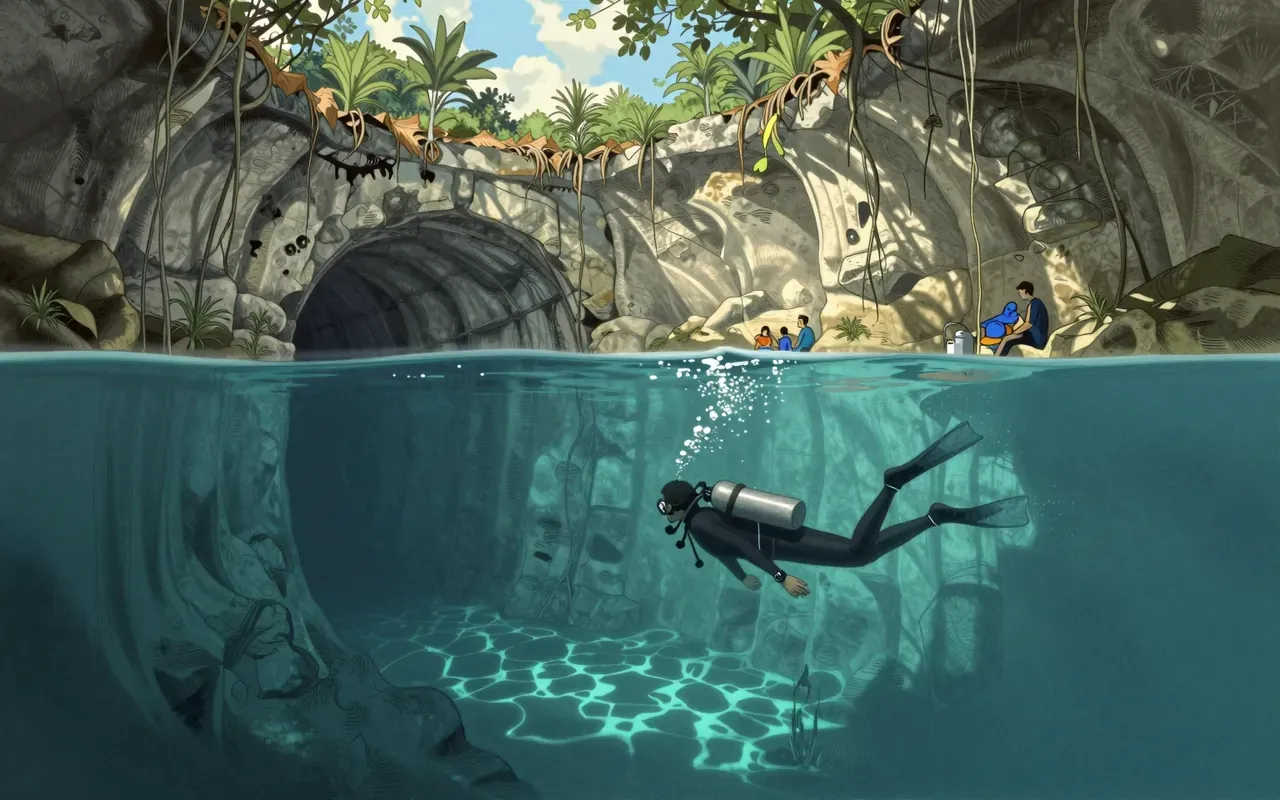
Cenote

A cenote is not a well—it’s a wound in the limestone where the roof fell in.
8:50

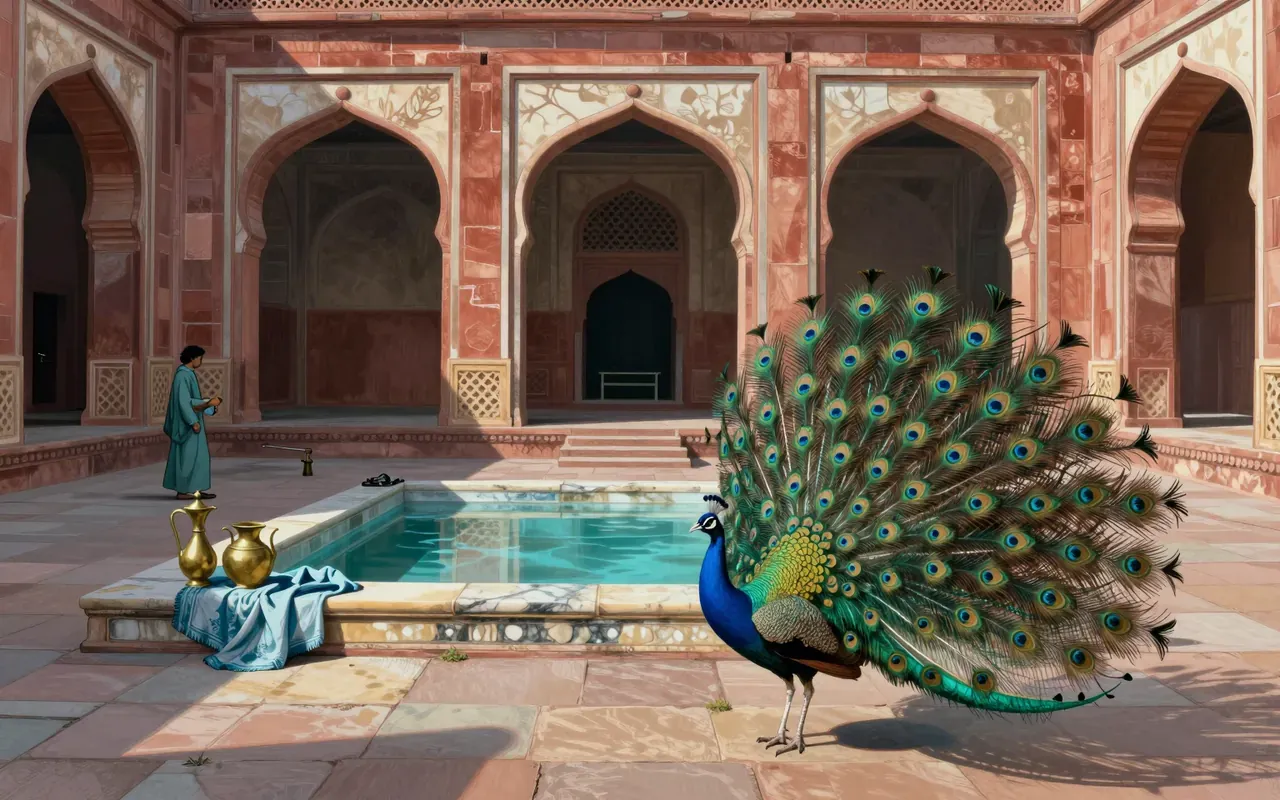
Peafowl

Sexual selection isn’t settled — it’s contested between a wildlife park in England and a forest in Japan.
8:50

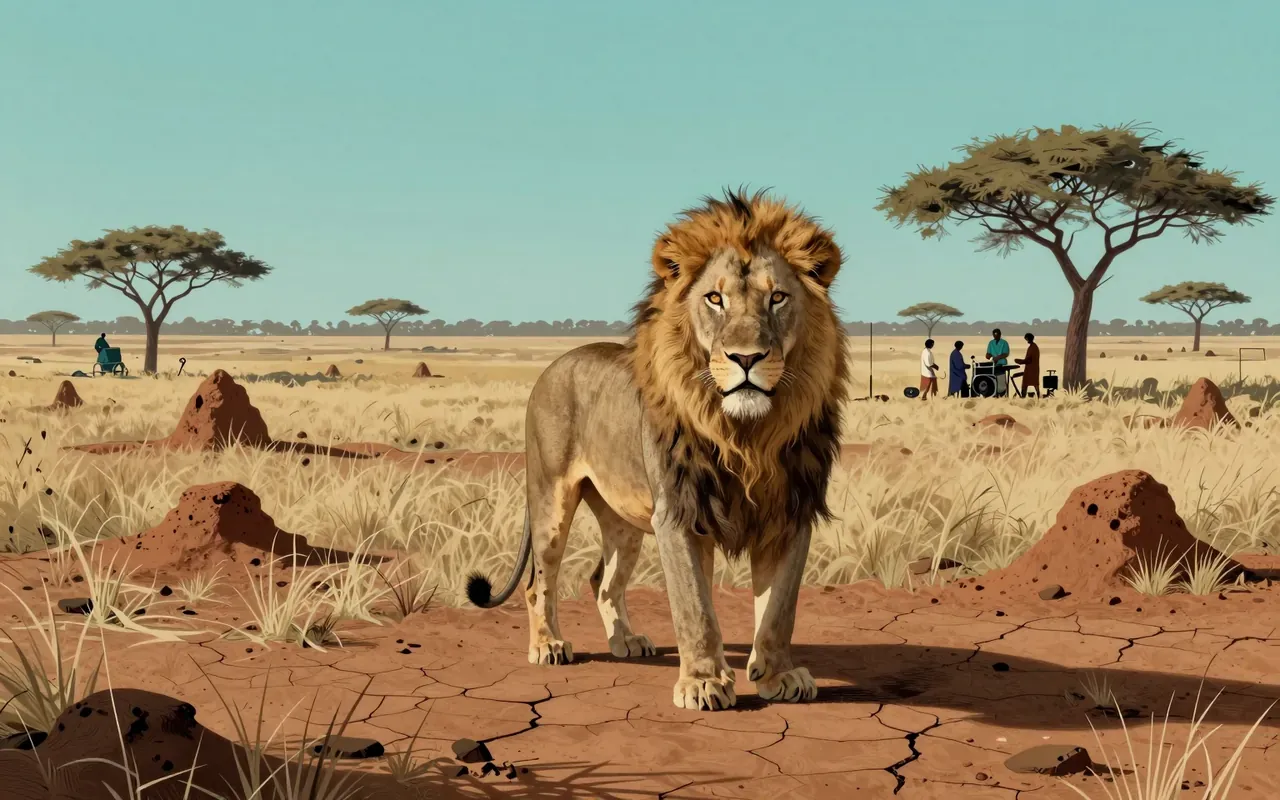
Lion

The lion is the only wild cat that lives in multi-female prides—and the only one whose males wear manes like battle standards.
8:50

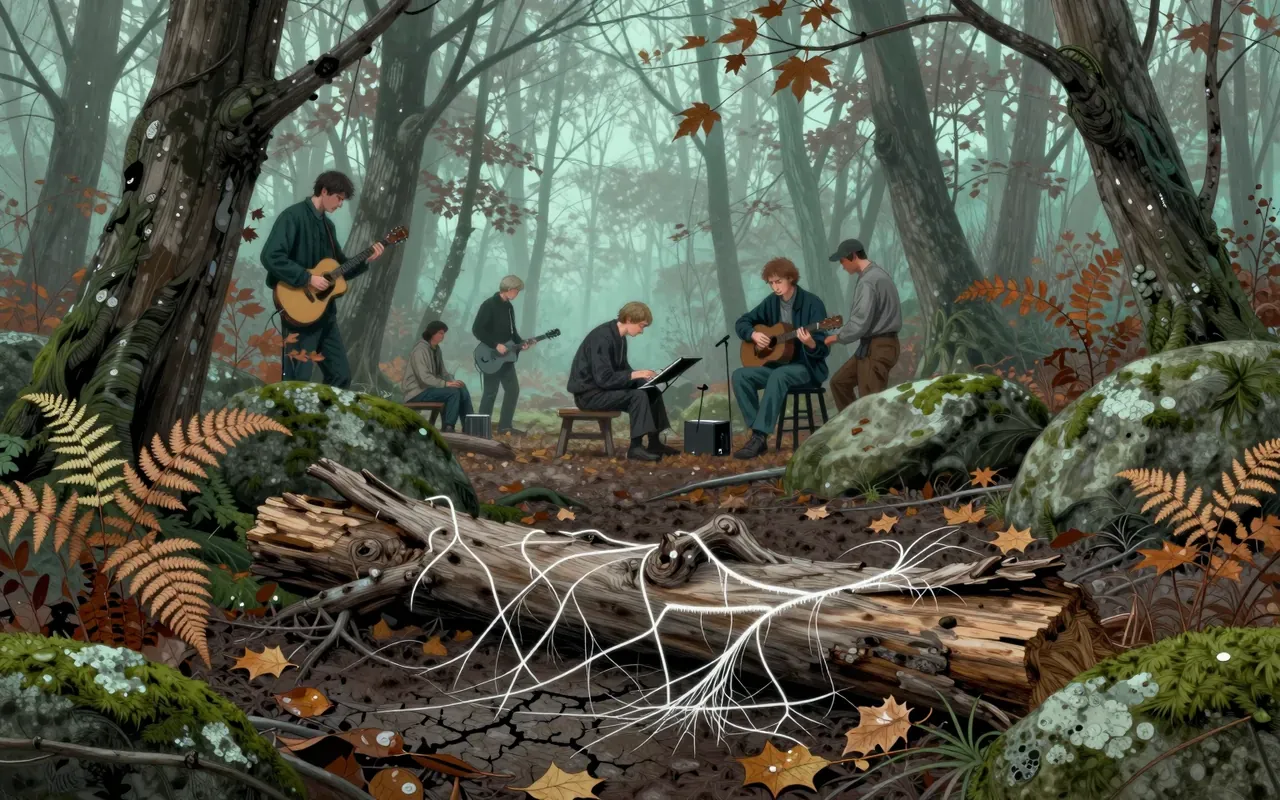
Mycelium

Mycelium isn’t a thing—it’s digestion made visible, everywhere at once.
8:49

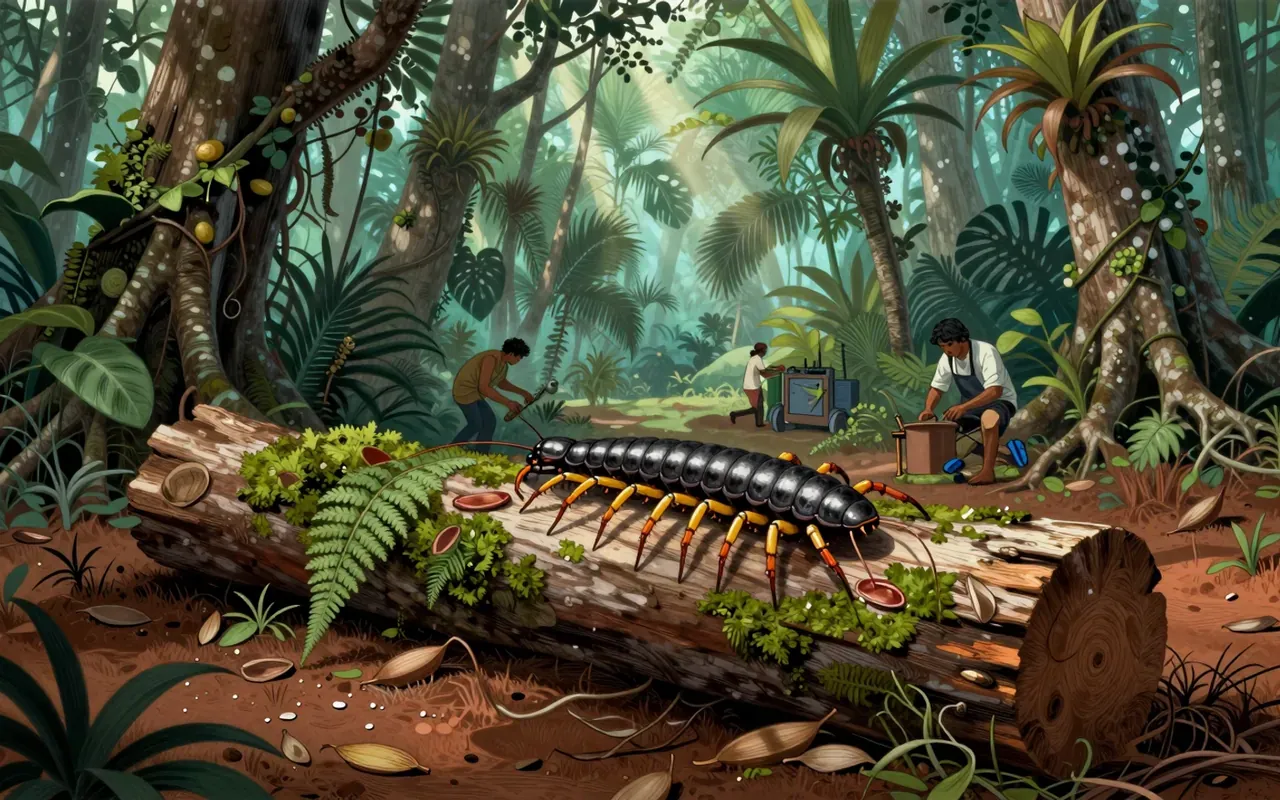
Scolopendra gigantea

The world’s largest centipede climbs cave ceilings to snatch bats—and kills mice, lizards and snakes with venom linked to a human fatality.
8:49

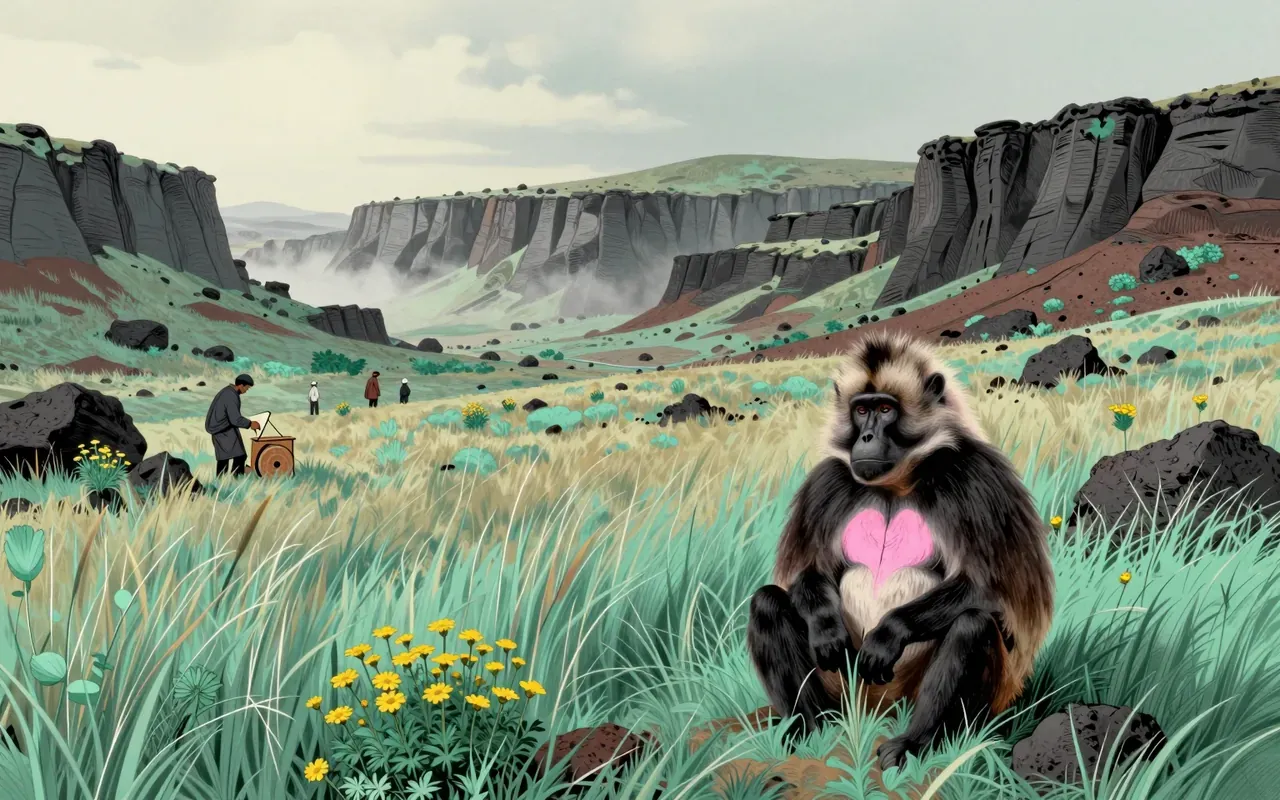
Gelada

A primate that grazes, shuffles, and lies—on the Ethiopian plateau.
8:48

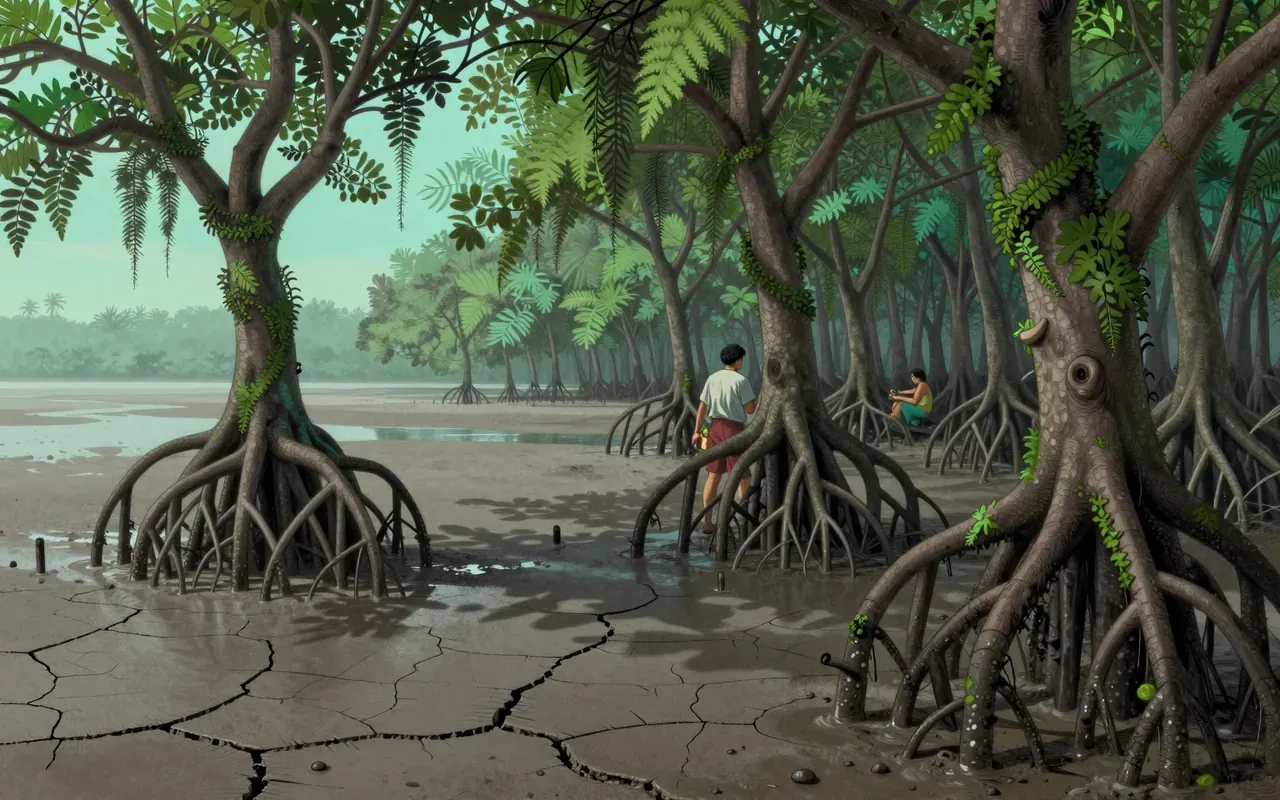
Sundarbans

The world’s largest mangrove forest is endangered—not because it lacks protection, but because protection cannot hold back tides, cyclones, and shrimp farms.
8:48

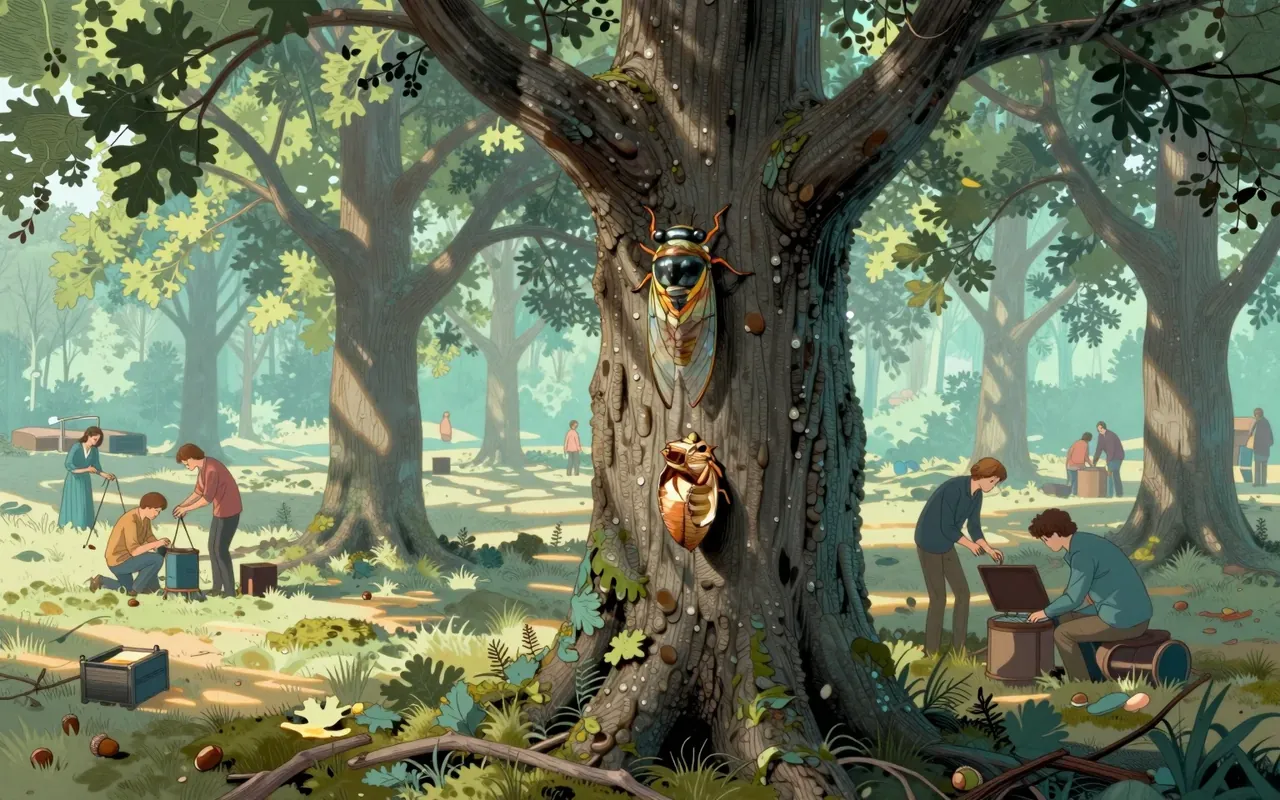
Cicada

A living nanotech surface that sings, drowns predators in numbers, and drinks from tree veins—no brain required.
8:47

Challenger Deep

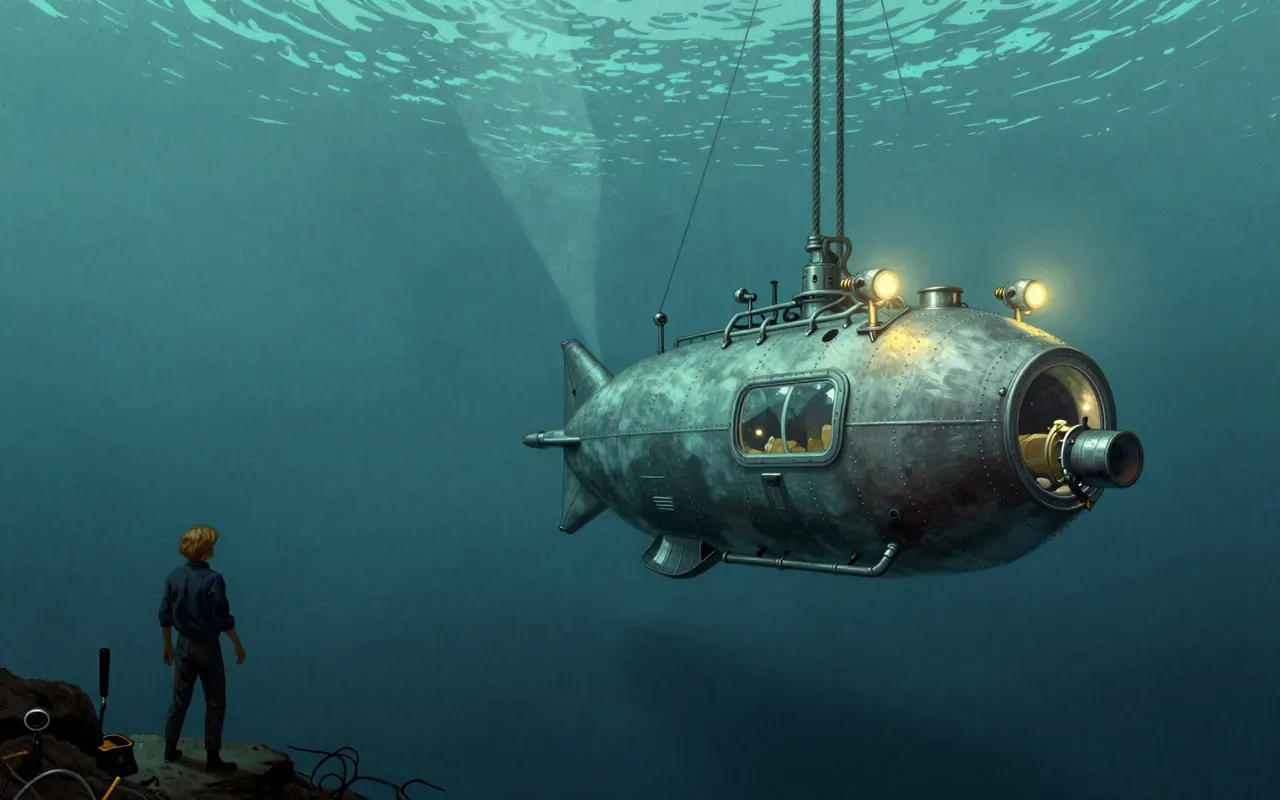
Earth’s deepest known point isn’t a single hole—it’s three aligned basins, mapped, measured, and descended—but it tells us nothing about life, heat, or time down there.
8:47

Orca

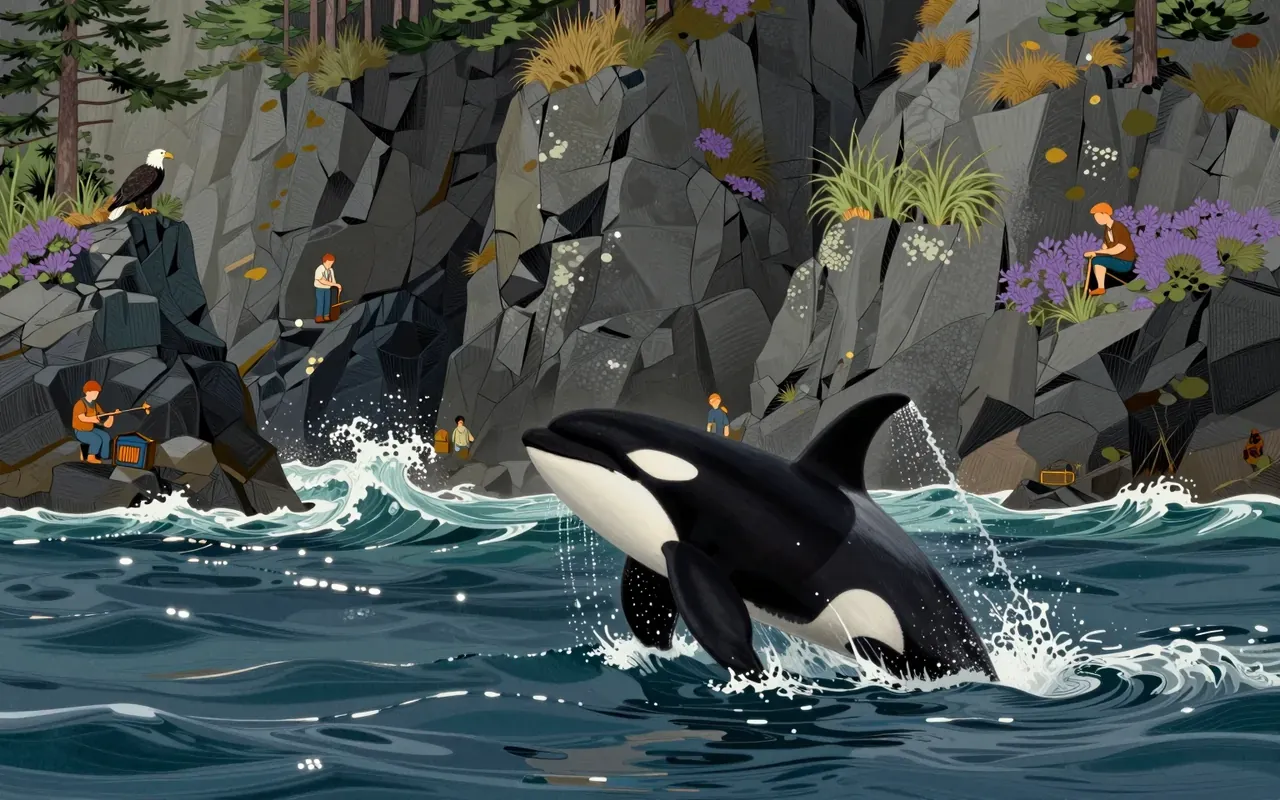
Orcas don’t just hunt—they teach. And science still can’t agree whether they’re one species or many.
8:47

Tepui

Tepuis are not time capsules — they’re active arenas of post-isolation evolution.
8:47

Chimpanzee

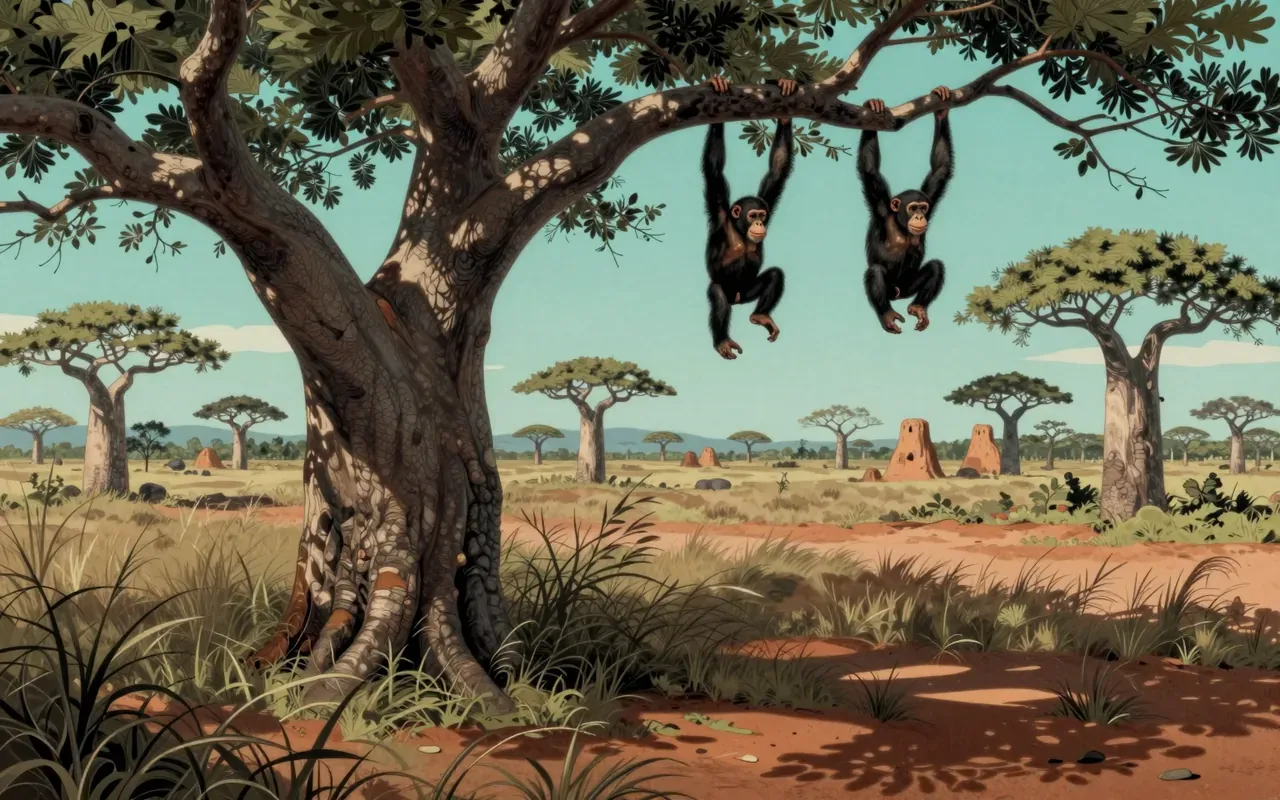
Chimpanzees don’t imitate humans — they outperform us in strength, outthink us in tool design, and outlive us in the wild only because we keep letting them disappear.
8:47

Coelacanth

A fish that vanished from fossils 66 million years ago—and reappeared in a fish market.
8:47

Termite

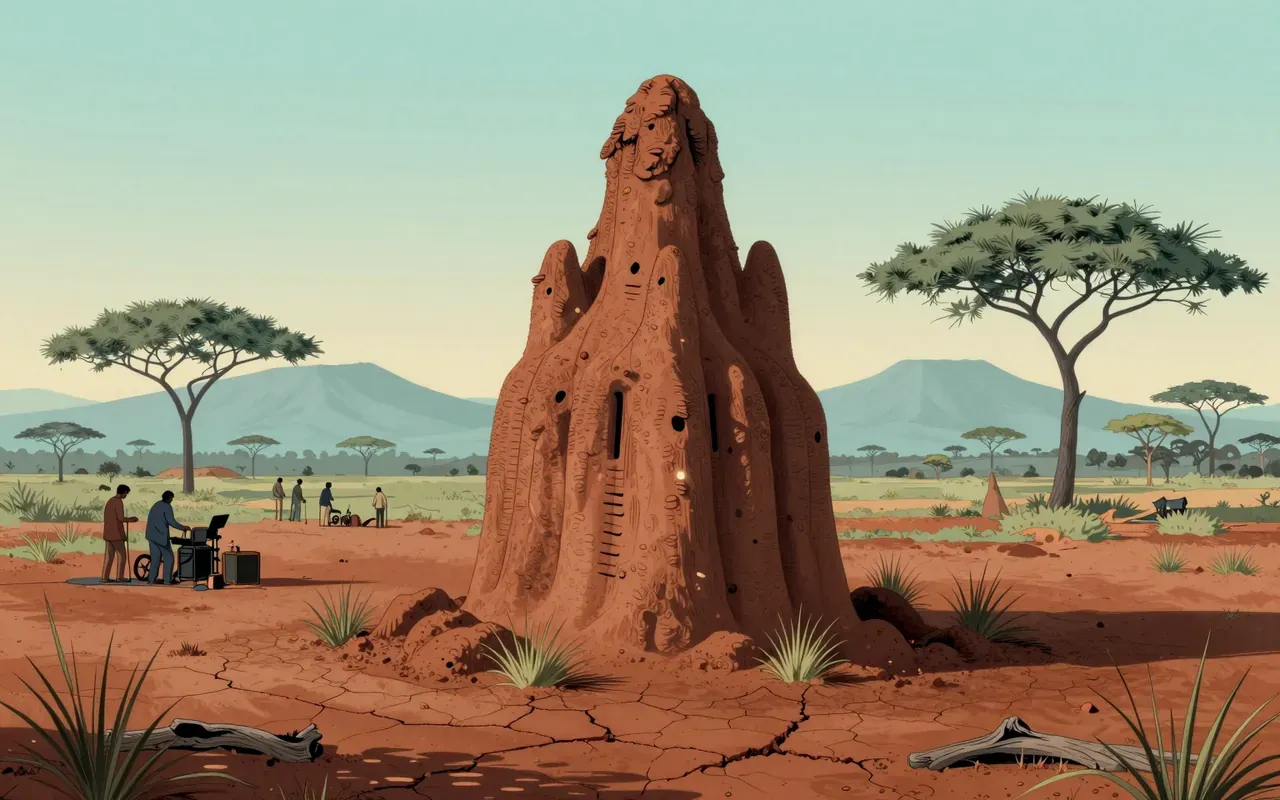
Termites aren’t white ants — they’re cockroaches that built empires out of rot.
8:46

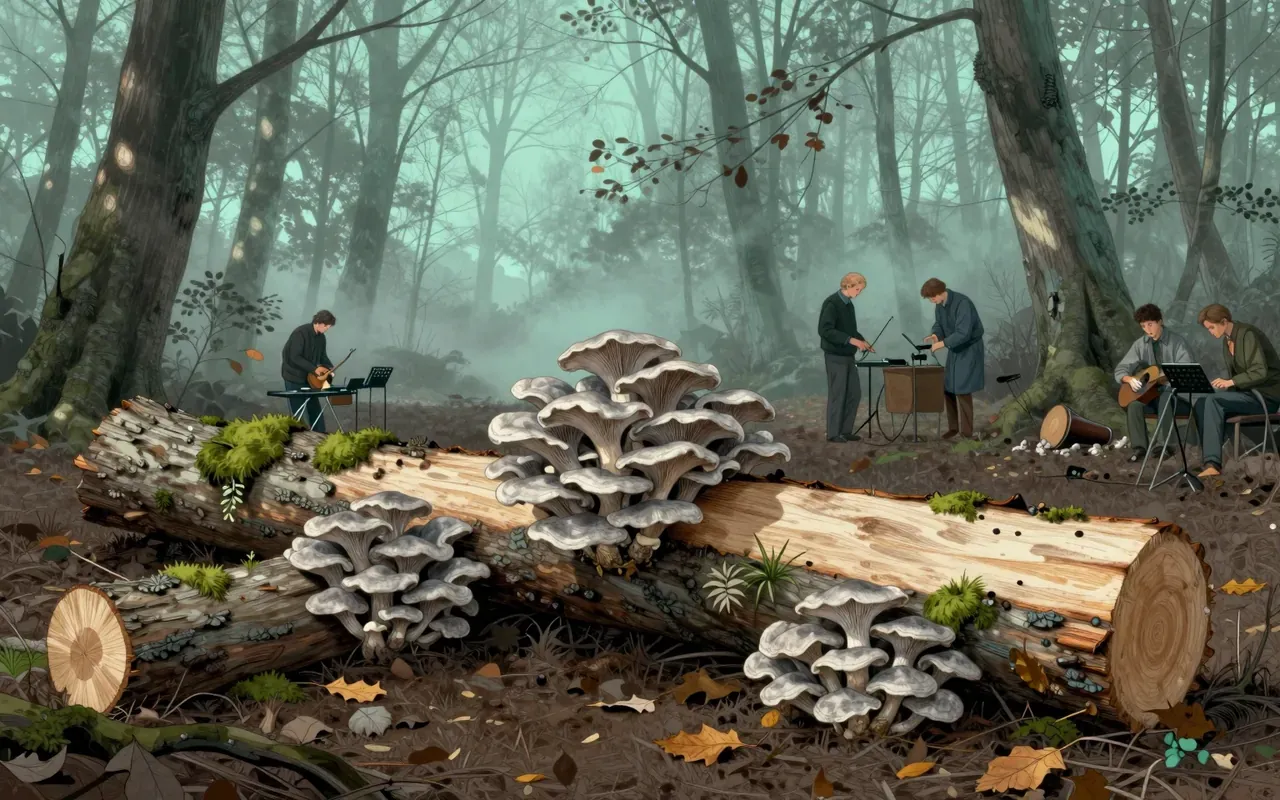
Pleurotus

A mushroom that eats worms while digesting wood—fungi don’t do both. Pleurotus does.
8:46

Drosera

A plant that kills insects in fifteen minutes—and rewrote botany in the process.
8:46

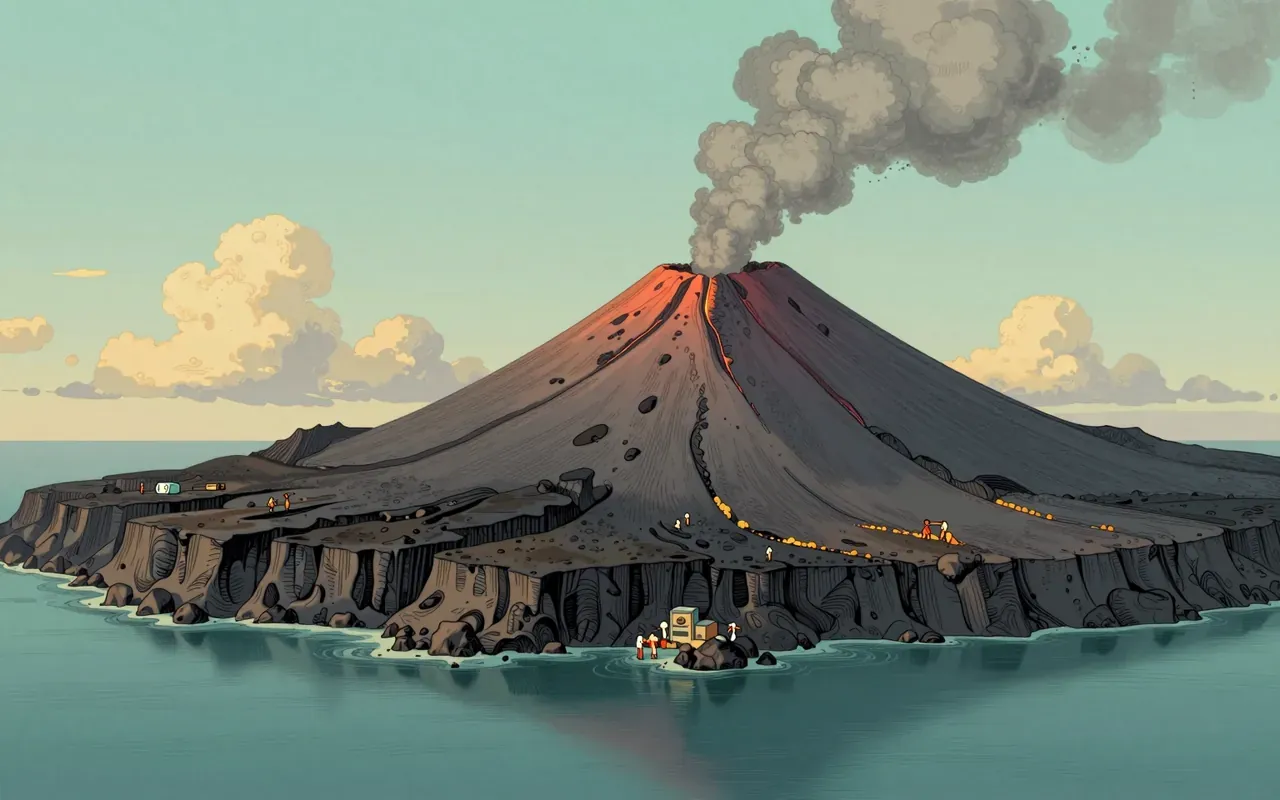
Ring of Fire

A label, not a landform—a cartographic shorthand for where Earth’s plates grind and rupture.
8:45

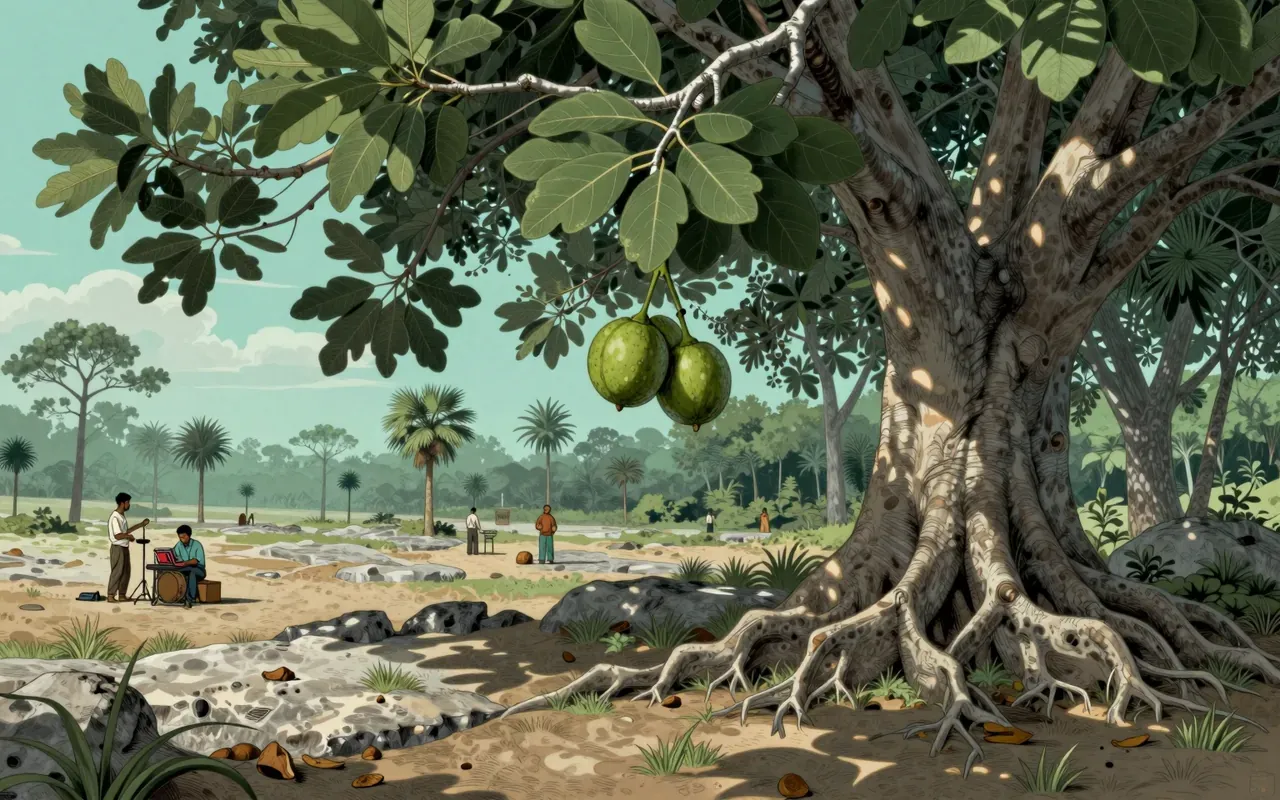
Ficus aurea

A tree that kills its host, feeds wildlife all year, and outsources sex to a single wasp.
8:45

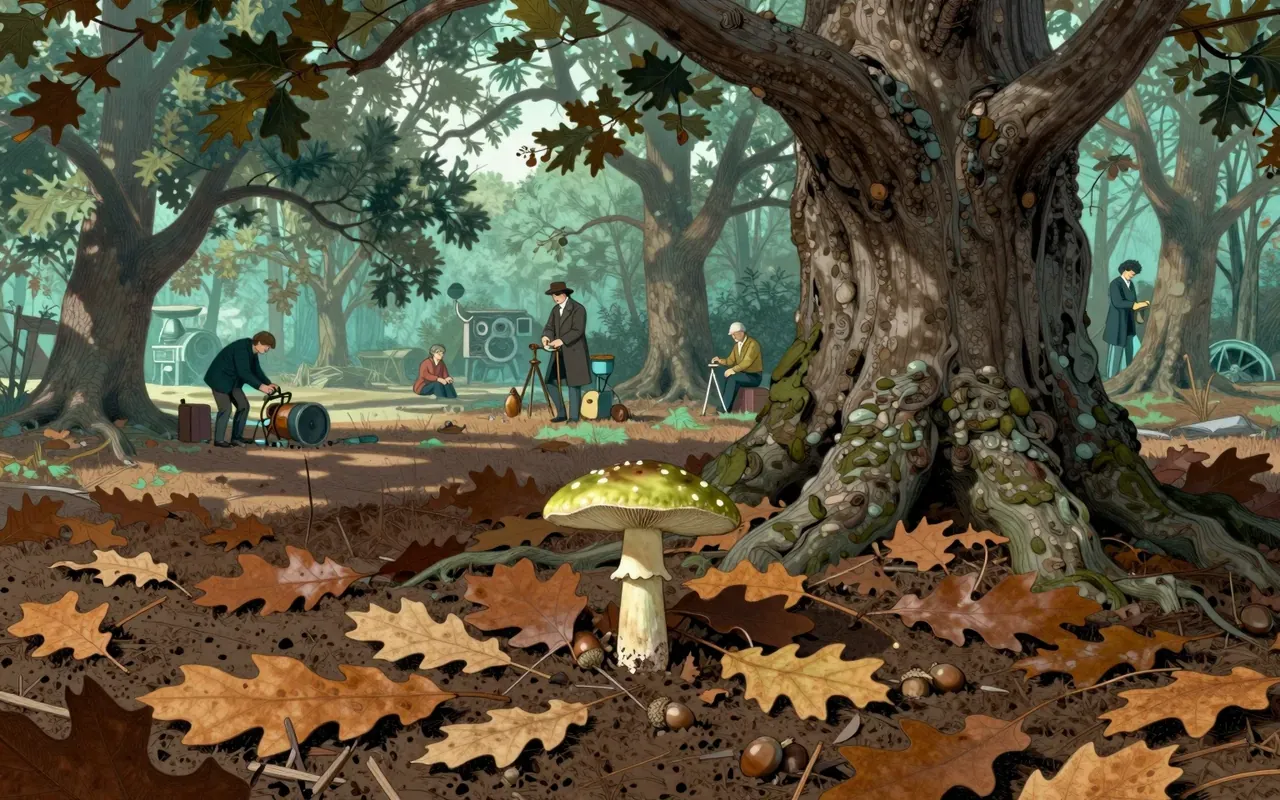
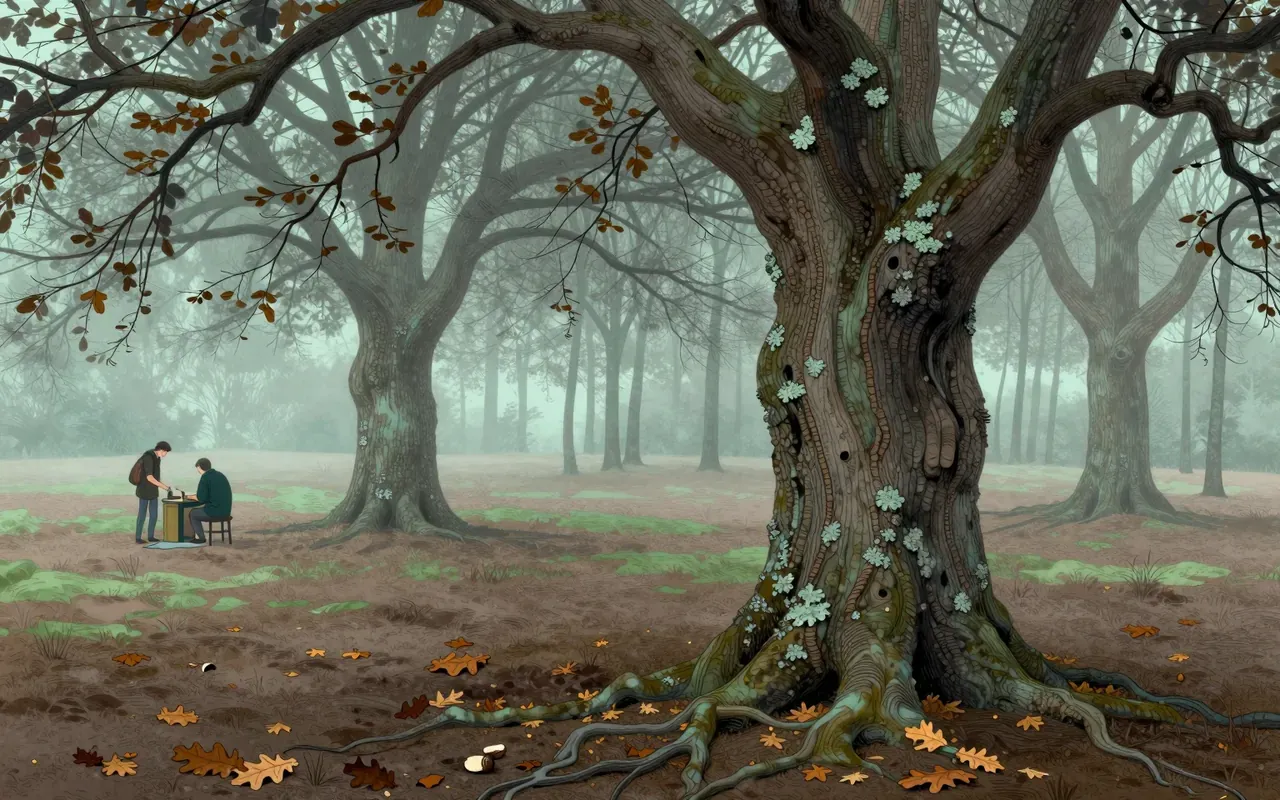
Quercus robur

No other European tree feeds more UK insects — but it only works where the soil is neutral and the land is low.
8:45

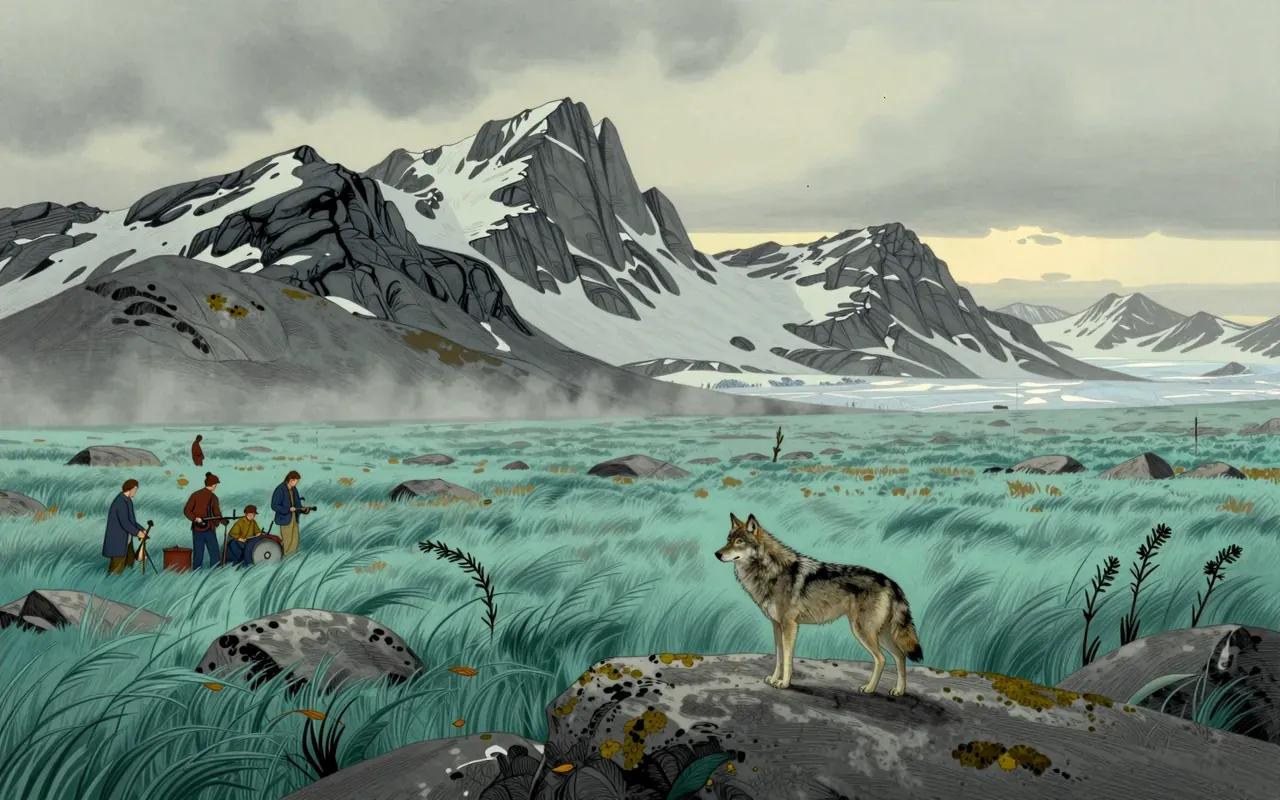
Wolf

The wolf is not a lone howler—it’s a nuclear-family tactician that breeds with coyotes, kills rivals over territory, and eats your sheep.
8:44

Desert bloom

A desert does not bloom because it wants to—it blooms because El Niño drowns its drought.
8:44

Glacier

Glaciers are not living things — they’re slow-motion geological machines that carve continents and sound the alarm on climate change.
8:43

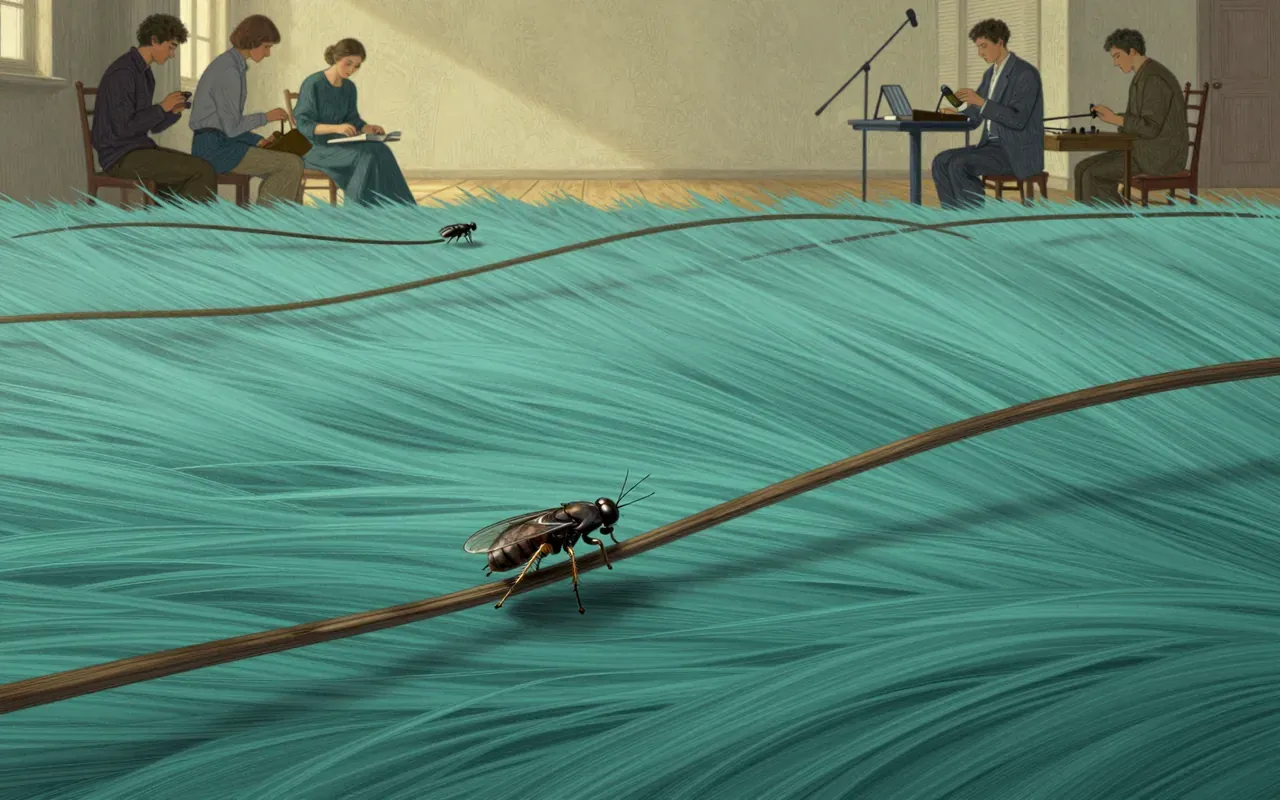
Flea

A parasite so specialised it rewrote the rules of insect locomotion, feeding, and evolution — but only to survive on someone else’s skin.
8:43

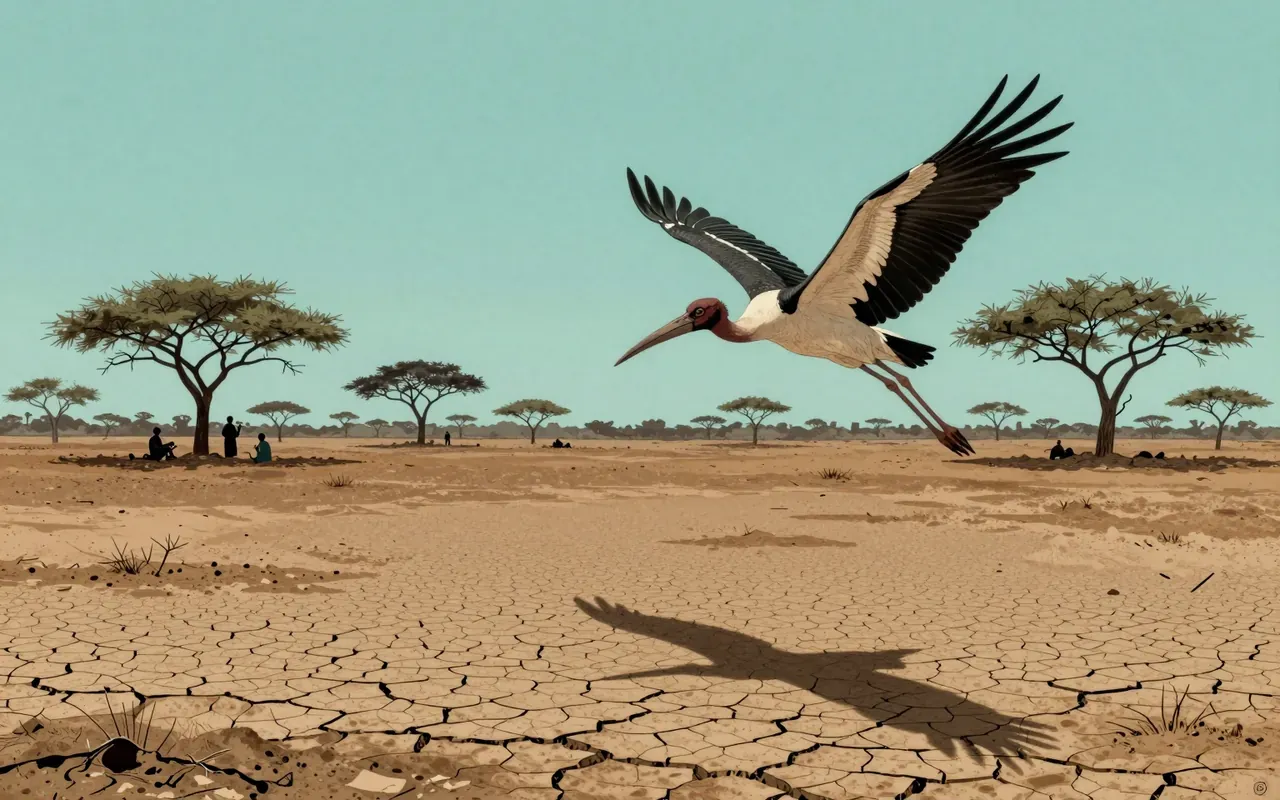
Marabou stork

The marabou stork doesn’t just clean up after us — it redefined the upper limit of avian size.
8:43

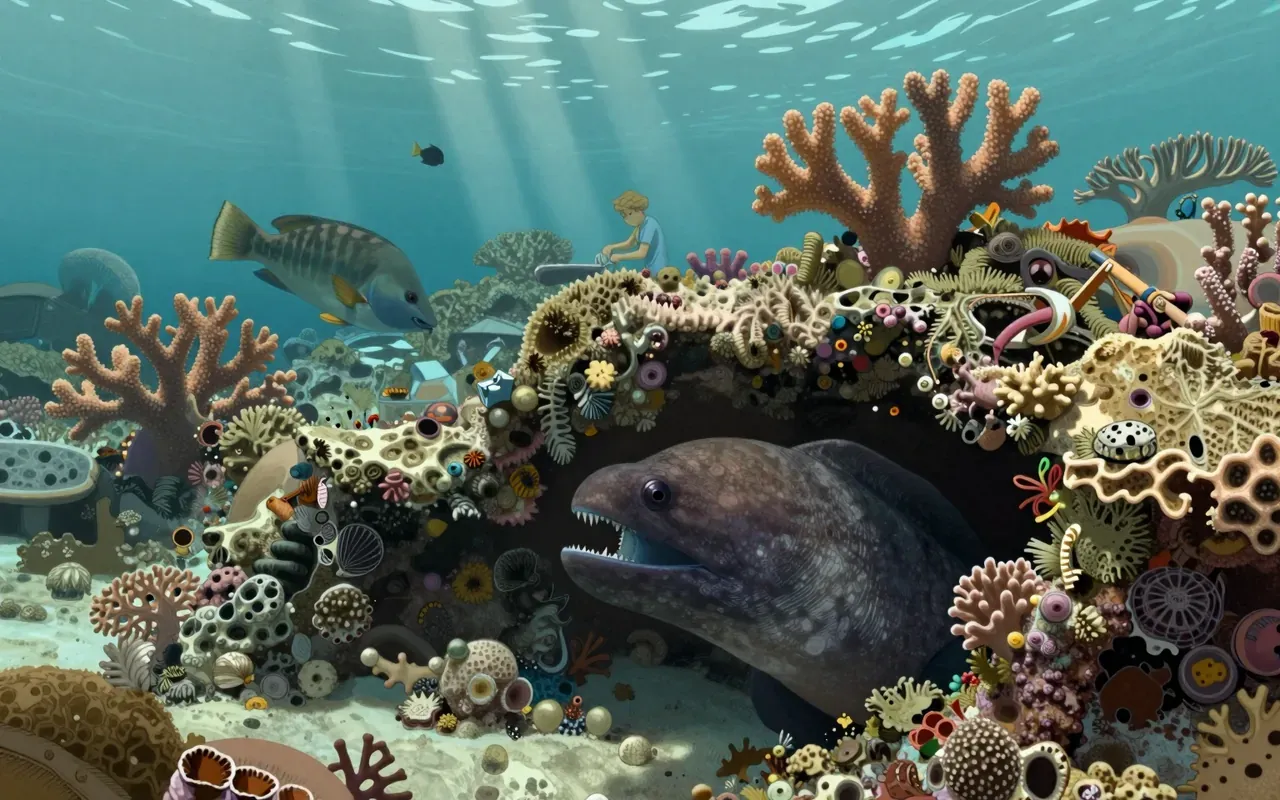
Moray eel

The only animal that shoots a second set of jaws into its mouth to grab food.
8:42

Apex predator

Apex predator is not a creature—it’s a lever. Pull it, and the whole food chain moves.
8:42

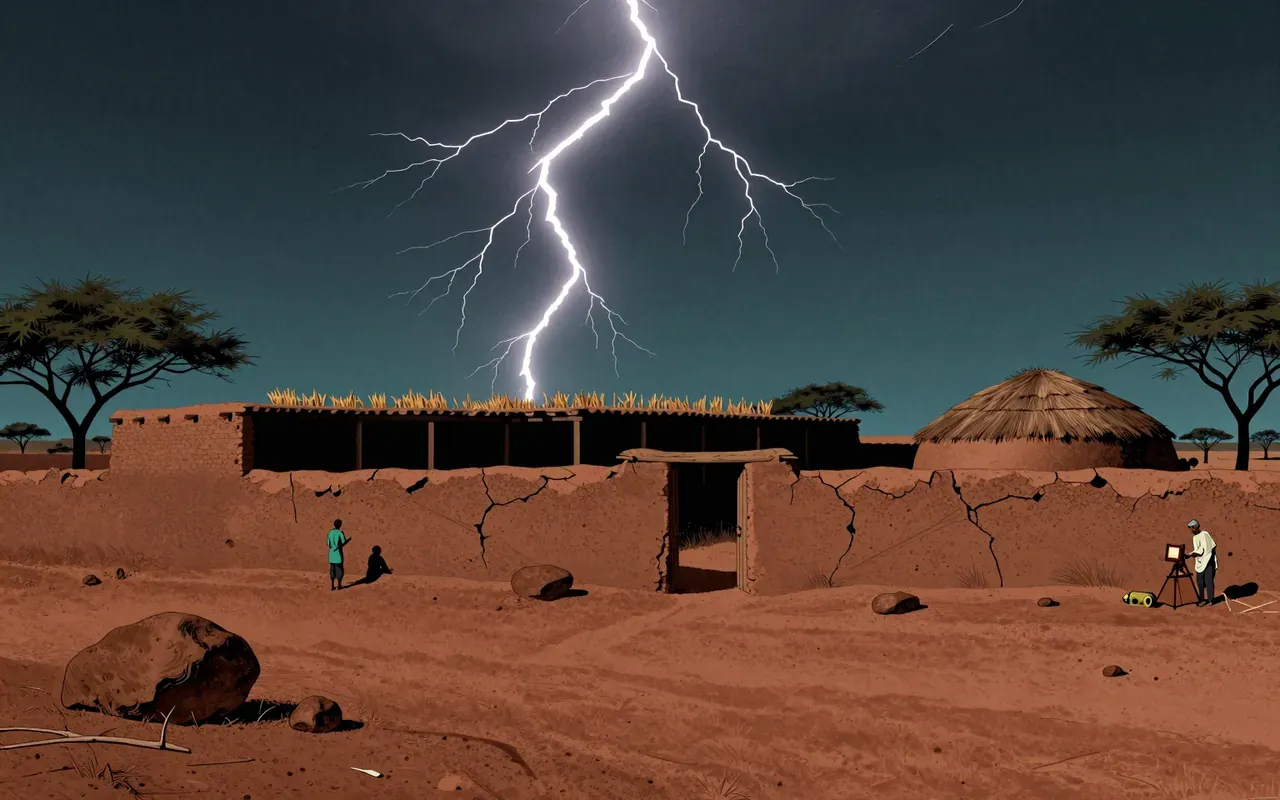
Lightning

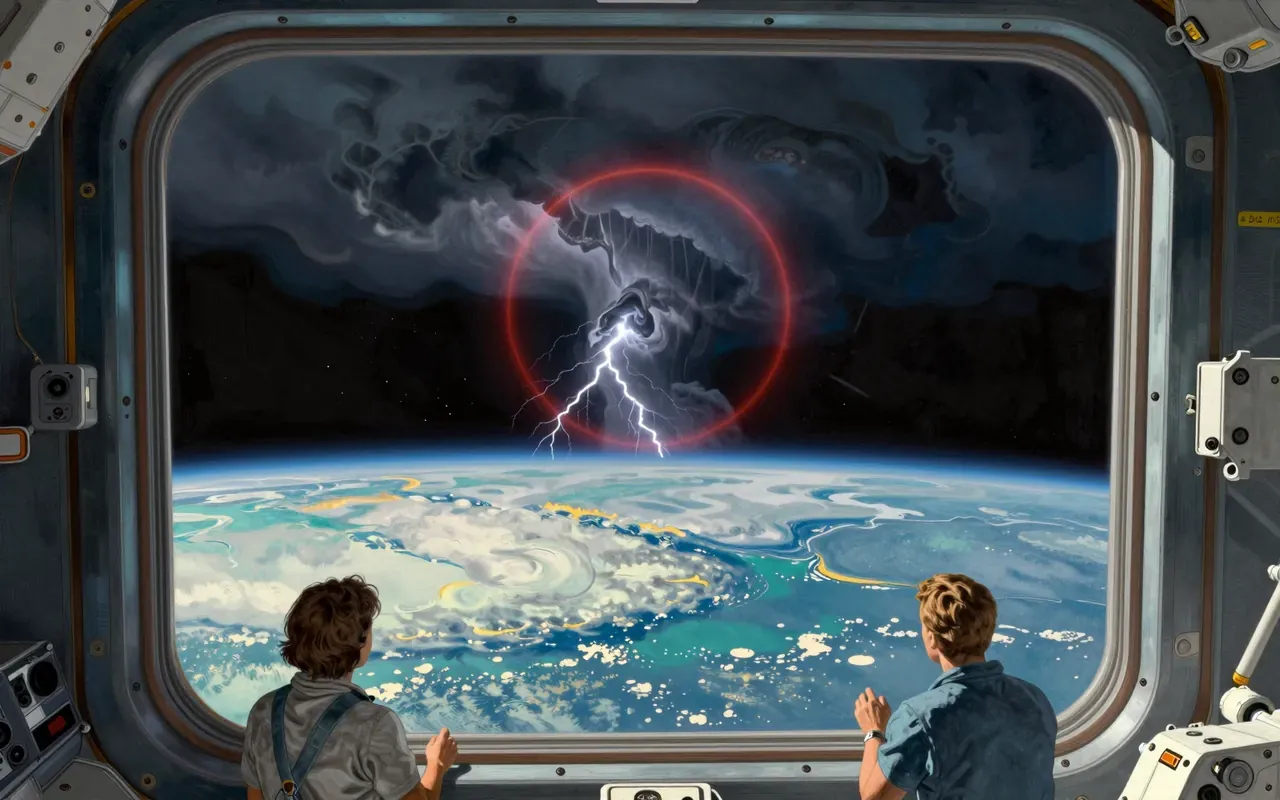
Lightning is not alive — but it reshapes the atmosphere, ignites fire, and powers climate science.
8:42

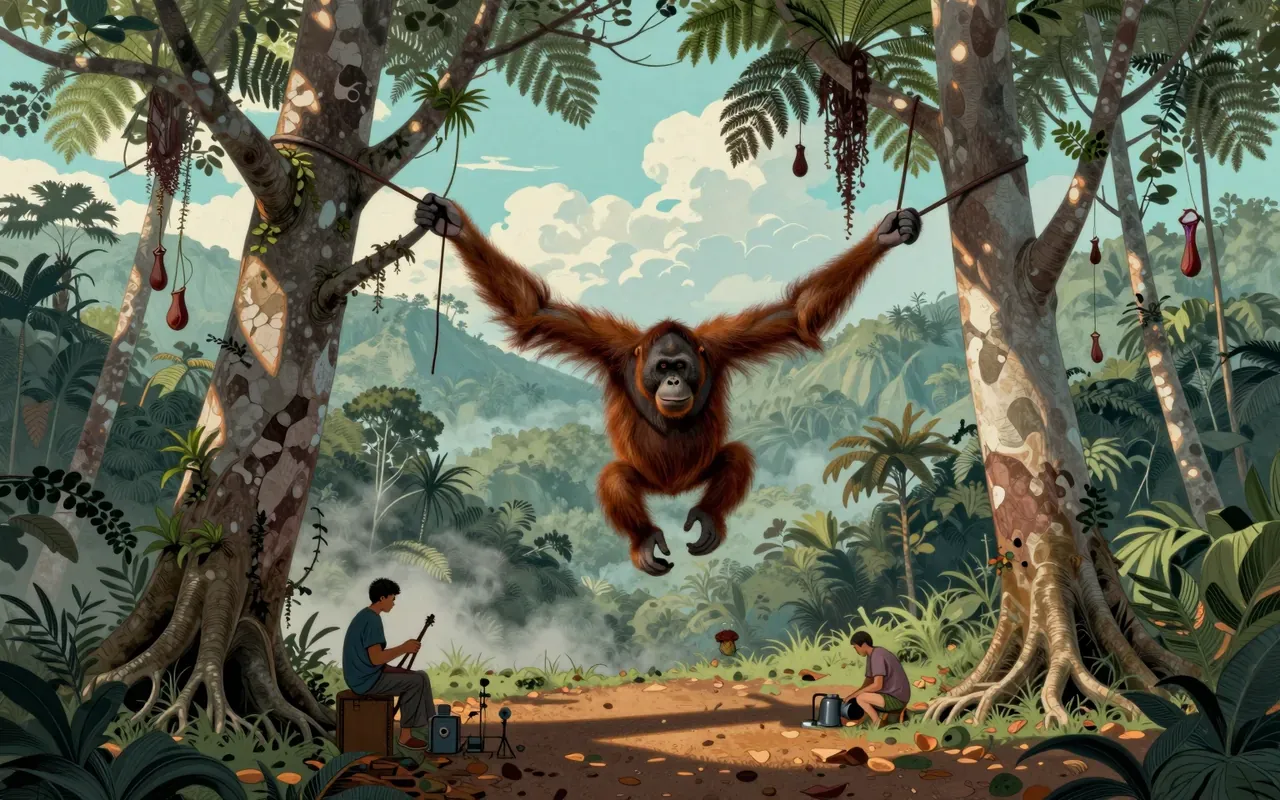
Orangutan

The last Ponginae: solitary, arboreal, and vanishing—not because they failed, but because we cleared their sky.
8:42

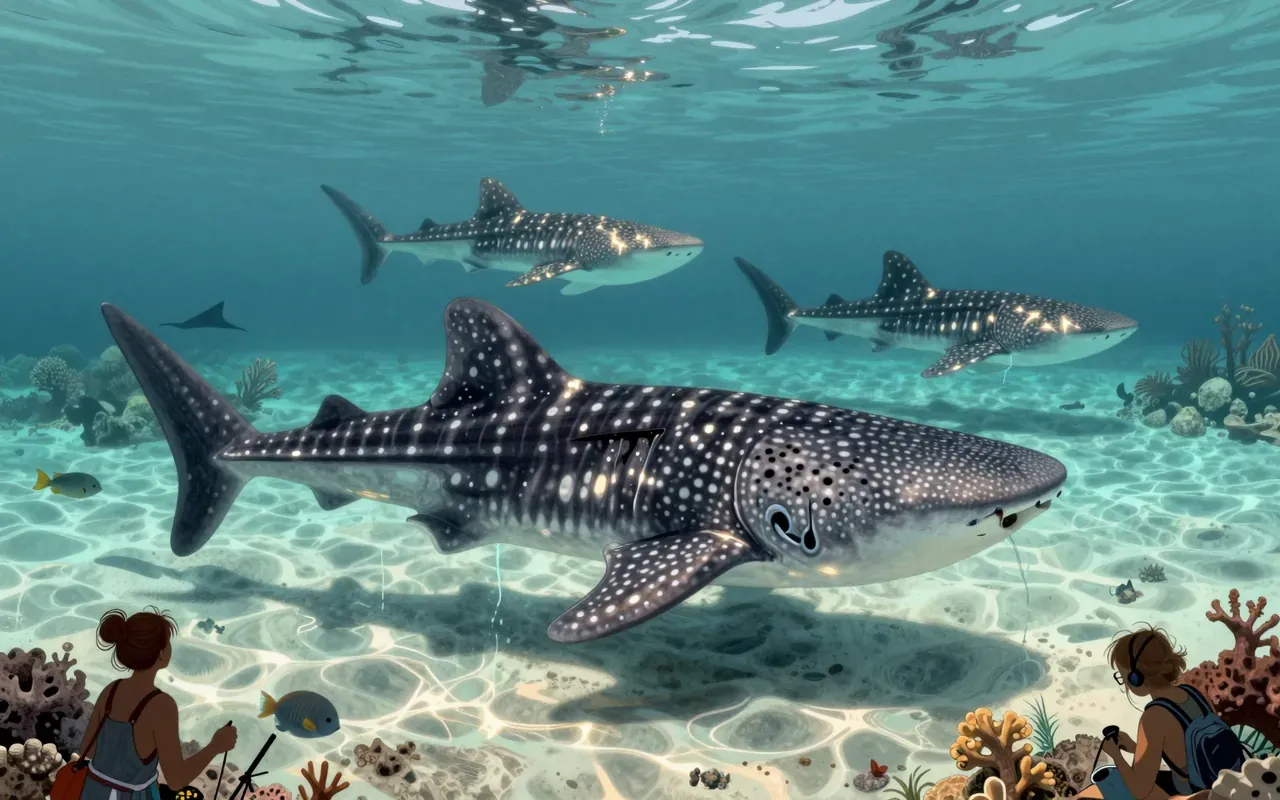
Whale shark

The largest fish alive doesn’t hunt—it sieves, migrates, and vanishes when we chase it.
8:41

Polar desert

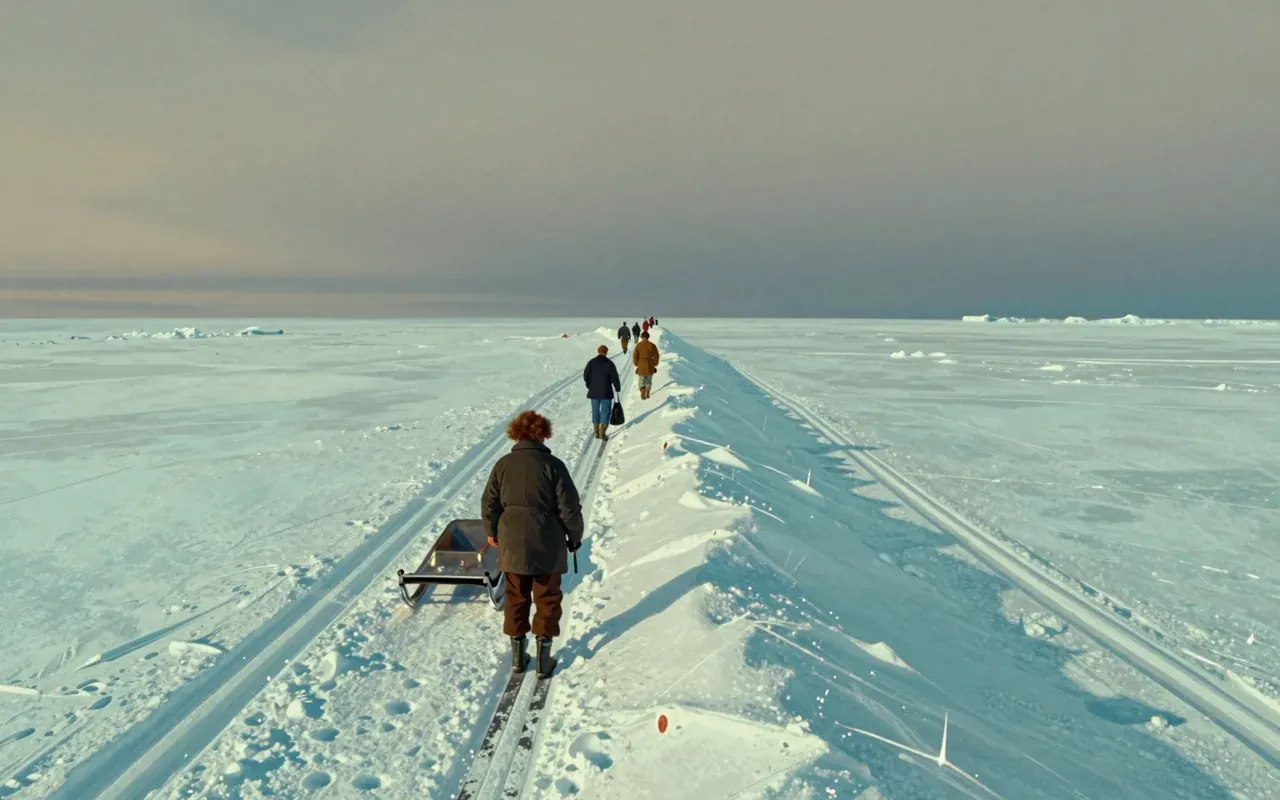
A desert without sand, a biome without biology—polar deserts break every rule except the one that matters: cold overrides dry.
8:41

Purple frog

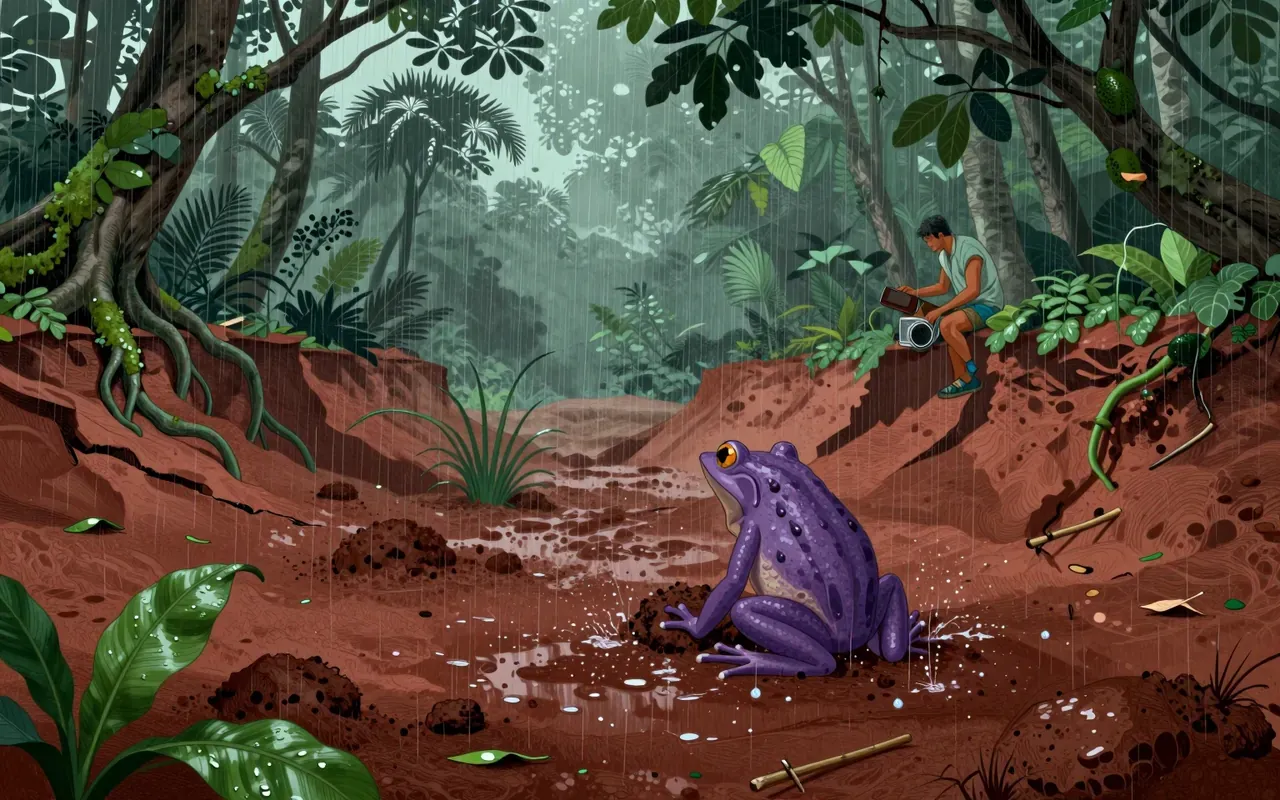
A frog that vanished for 86 years—then reappeared as proof that India and the Seychelles were once joined.
8:40

Permafrost

Permafrost isn’t alive — but it remembers the Pleistocene, and it’s waking up.
8:40

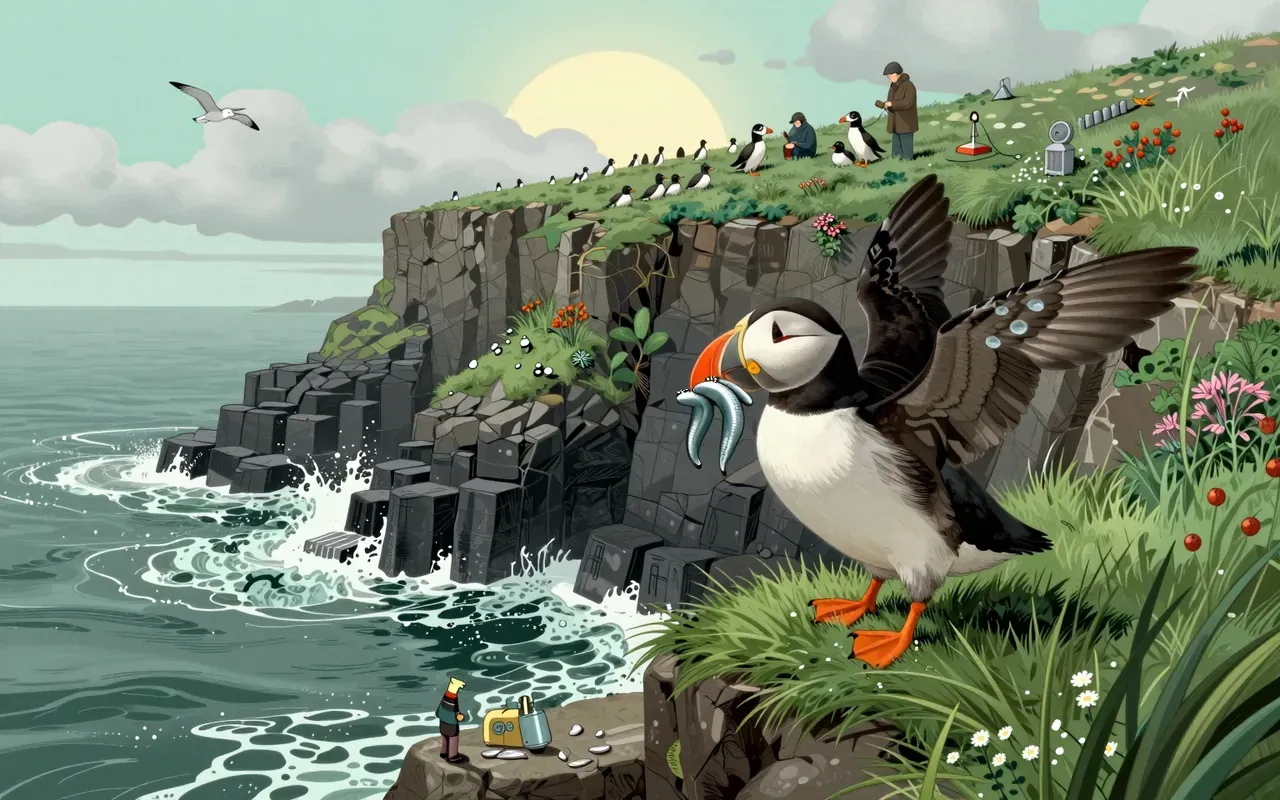
Atlantic puffin

A seabird that loads fish like a cargo drone—and vanishes from cliffs the moment chicks leave.
8:40

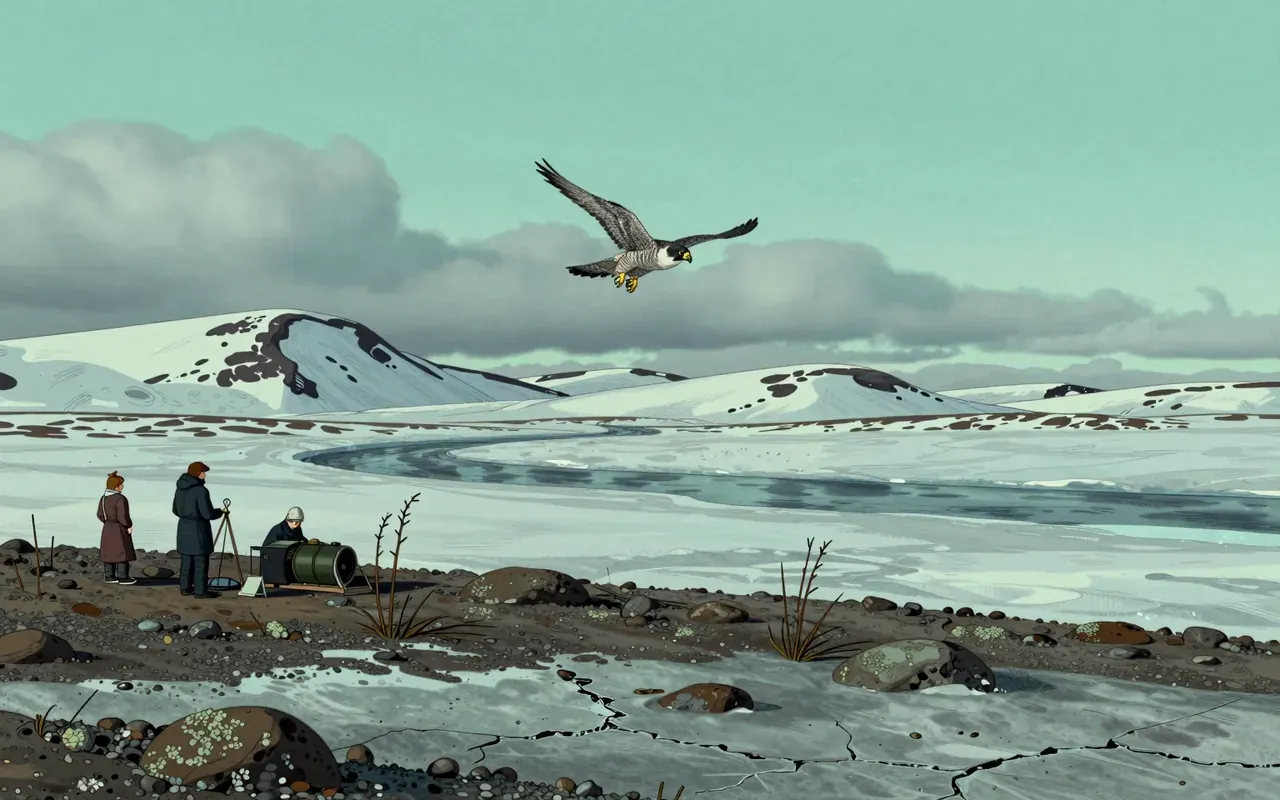
Gyrfalcon

The gyrfalcon is not a symbol—it’s a white-to-grey Arctic predator that hunts ptarmigan on sea ice and carries climate change in its genes.
8:40

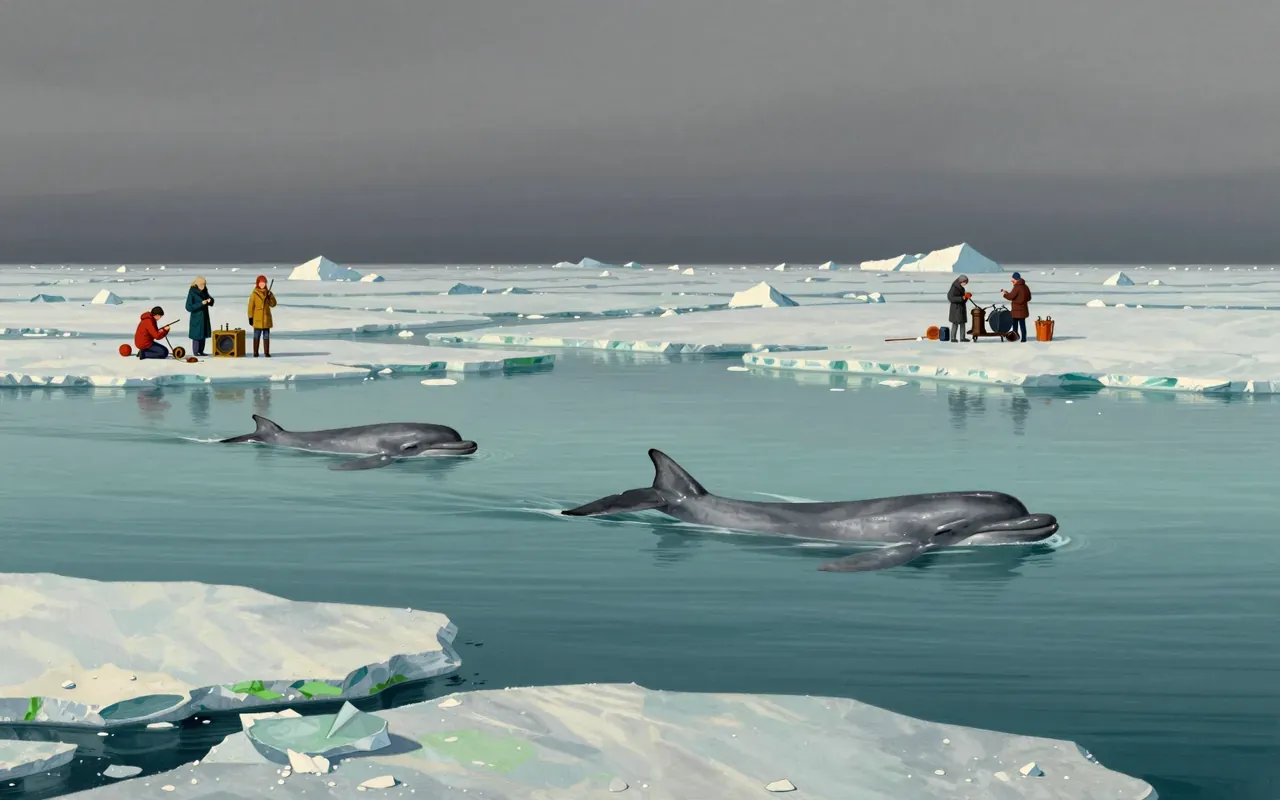
Narwhal

A whale that dives deeper than any submarine—and mates with its closest cousin.
8:38

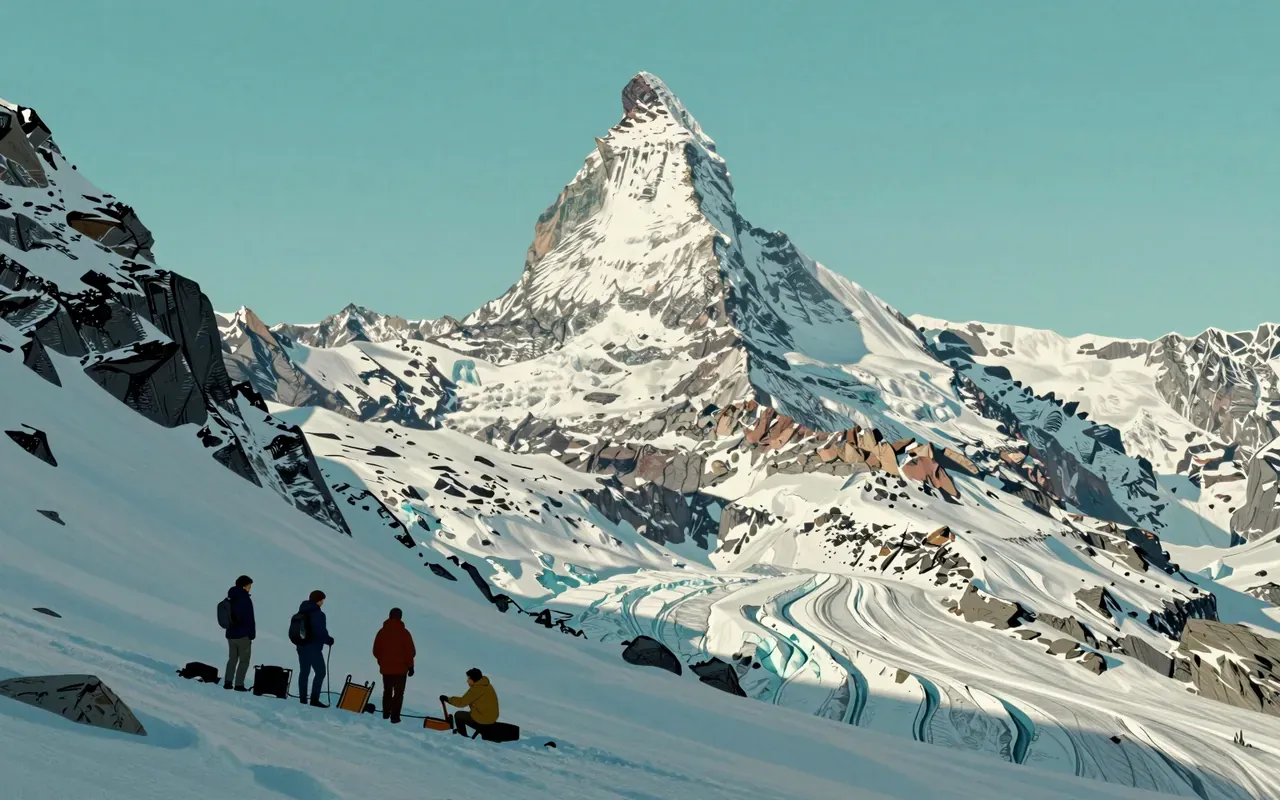
Matterhorn

A mountain that is all structure and no system—geology made visible, biology erased.
8:38

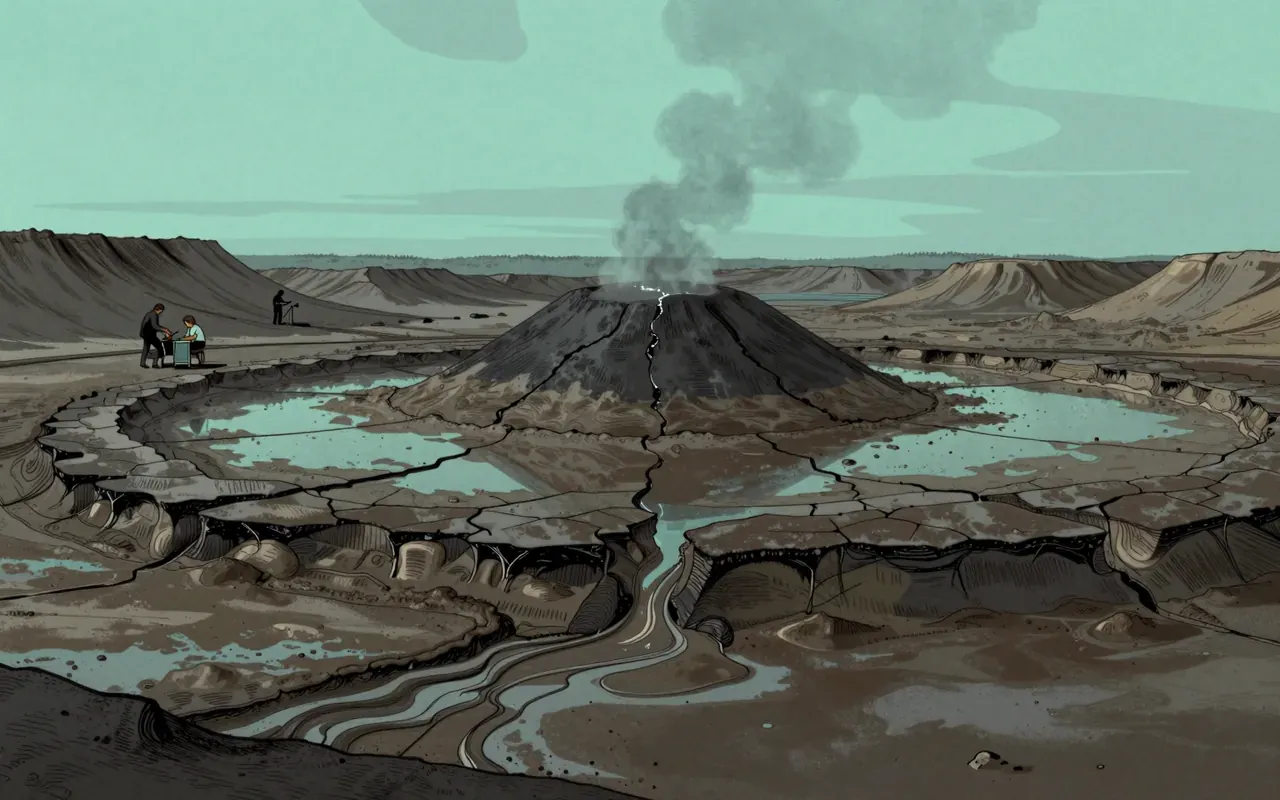
Mud volcano

Mud volcanoes are not volcanoes—they’re pressurised plumbing failures with methane on their breath.
8:38

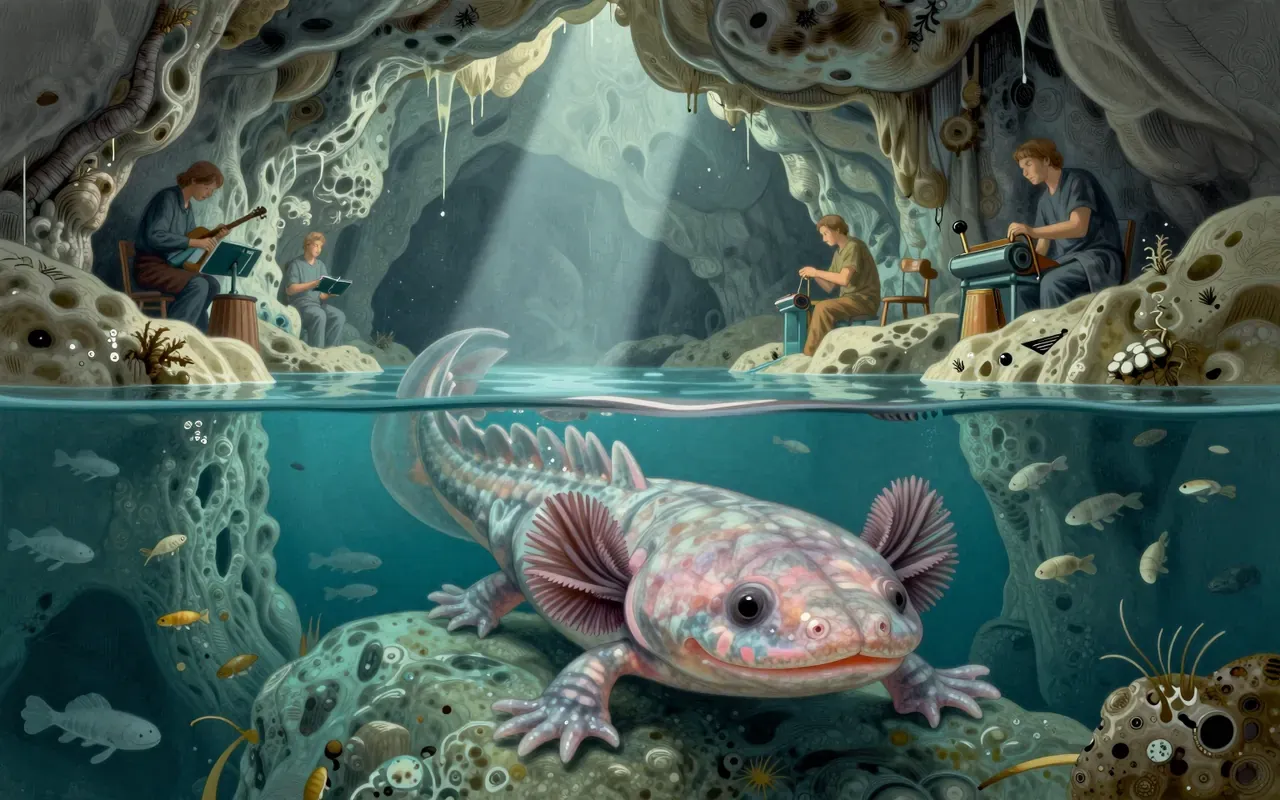
Olm

Europe’s only cave-only chordate is blind, pale, gilled—and trapped in its own taxonomy.
8:37

Singing sand

Sand doesn’t sing—it shears, resonates, and releases air with mechanical precision.
8:37

Hoodoo (geology)

Hoodoos are erosion’s receipts — readable, local, and indifferent to human attention.
8:36

Cougar

The cougar doesn’t rule the landscape—it reads it, then vanishes.
8:36

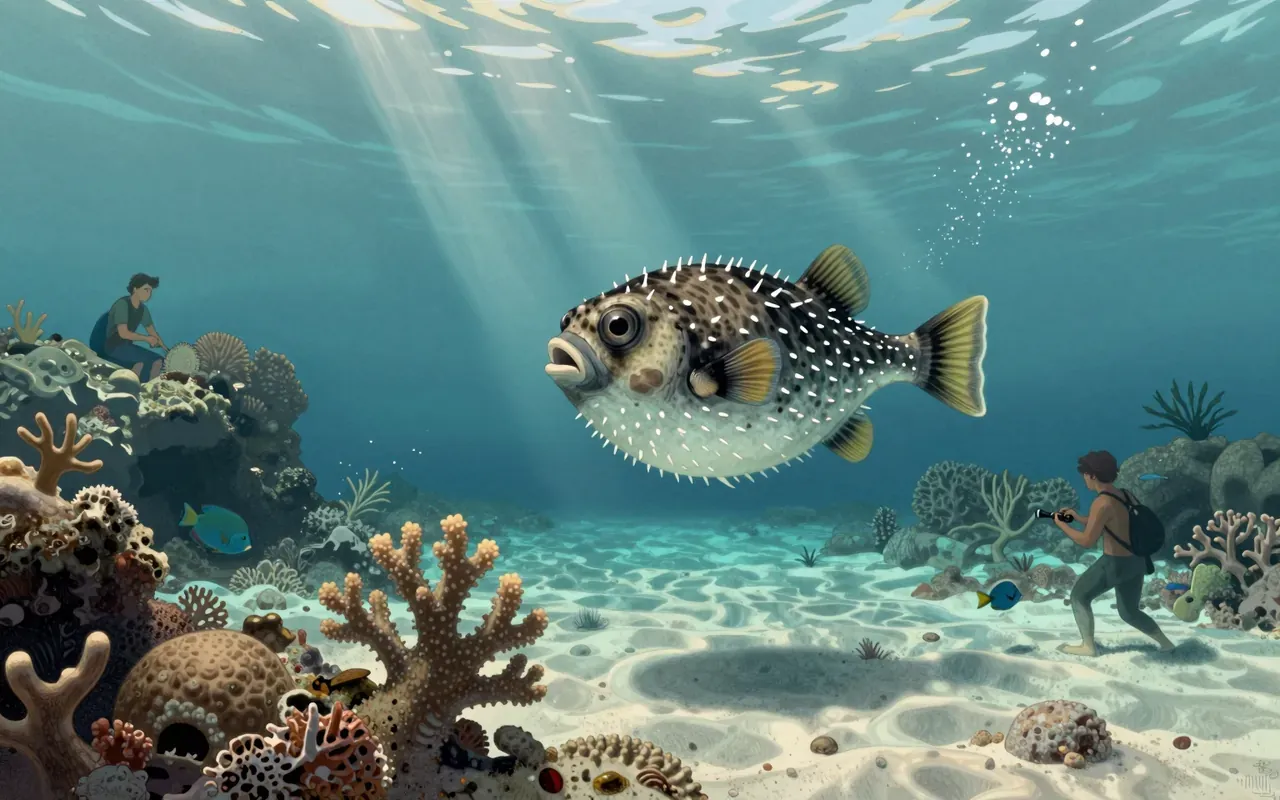
Tetraodontidae

A spineless, ribless, four-toothed vertebrate that turns itself into a toxic, spiky balloon — and gets away with it.
8:36

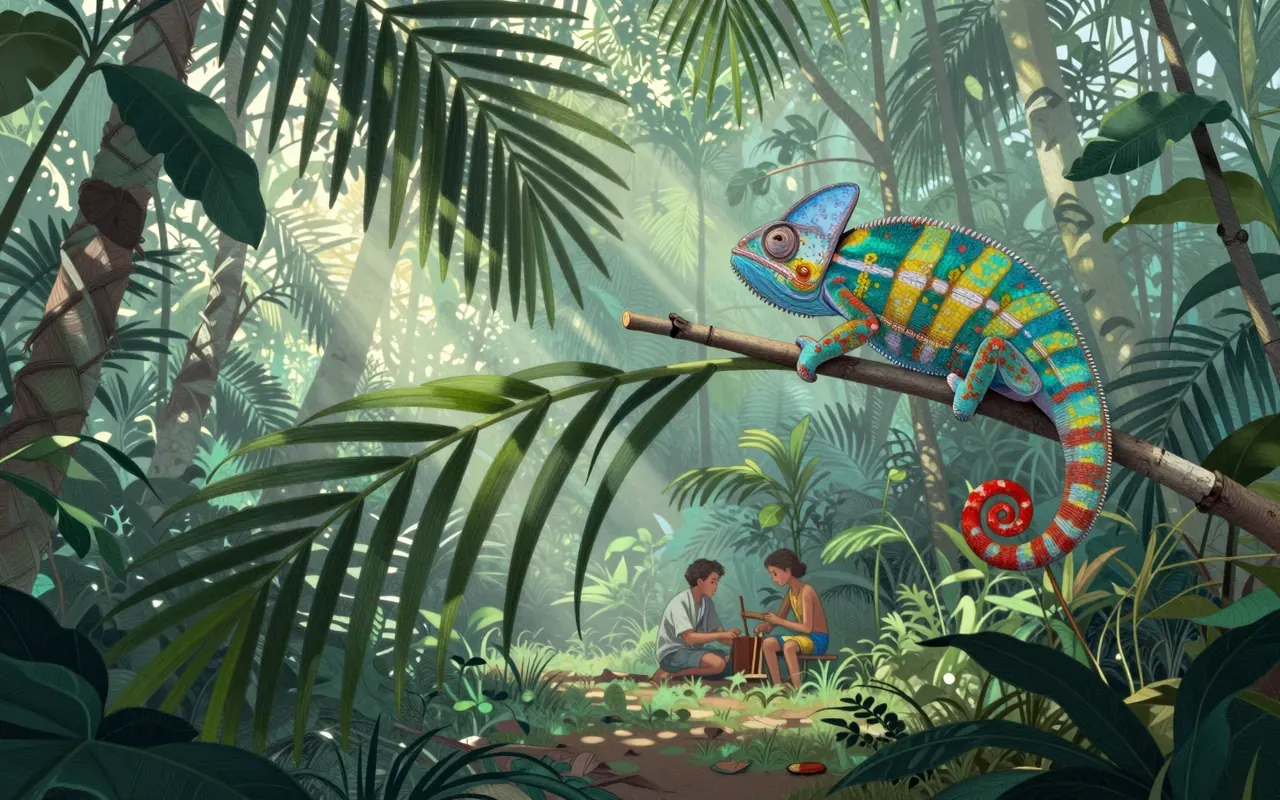
Panther chameleon

A chameleon that proves colour is geography — not emotion — and that evolution nails grip before it perfects charisma.
8:35

Metamorphosis

Metamorphosis is the biological process in which an animal's body changes abruptly in structure as part of its development, as when a larva becomes an adult.
8:34

Calvatia gigantea

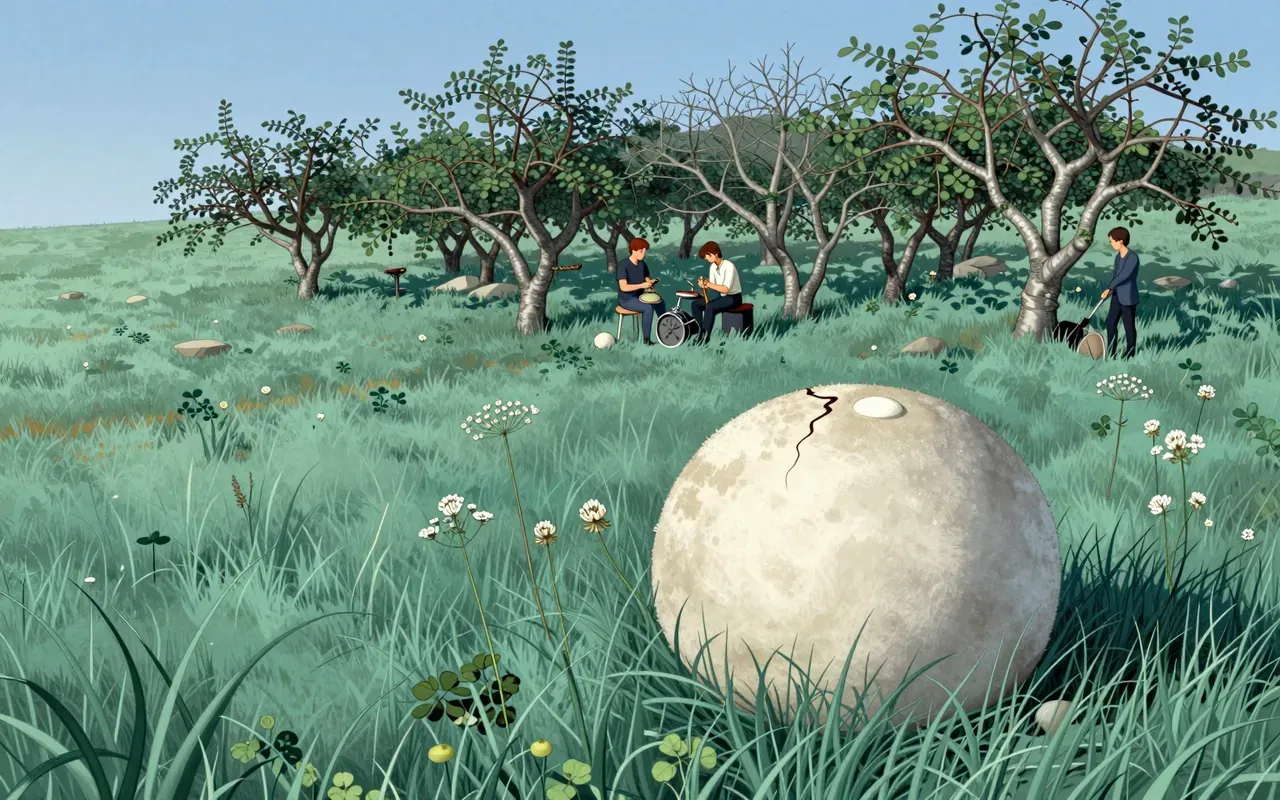
A puffball so big it redefined fungal taxonomy—and so fleeting it vanishes if you blink.
8:34

Mount Fuji

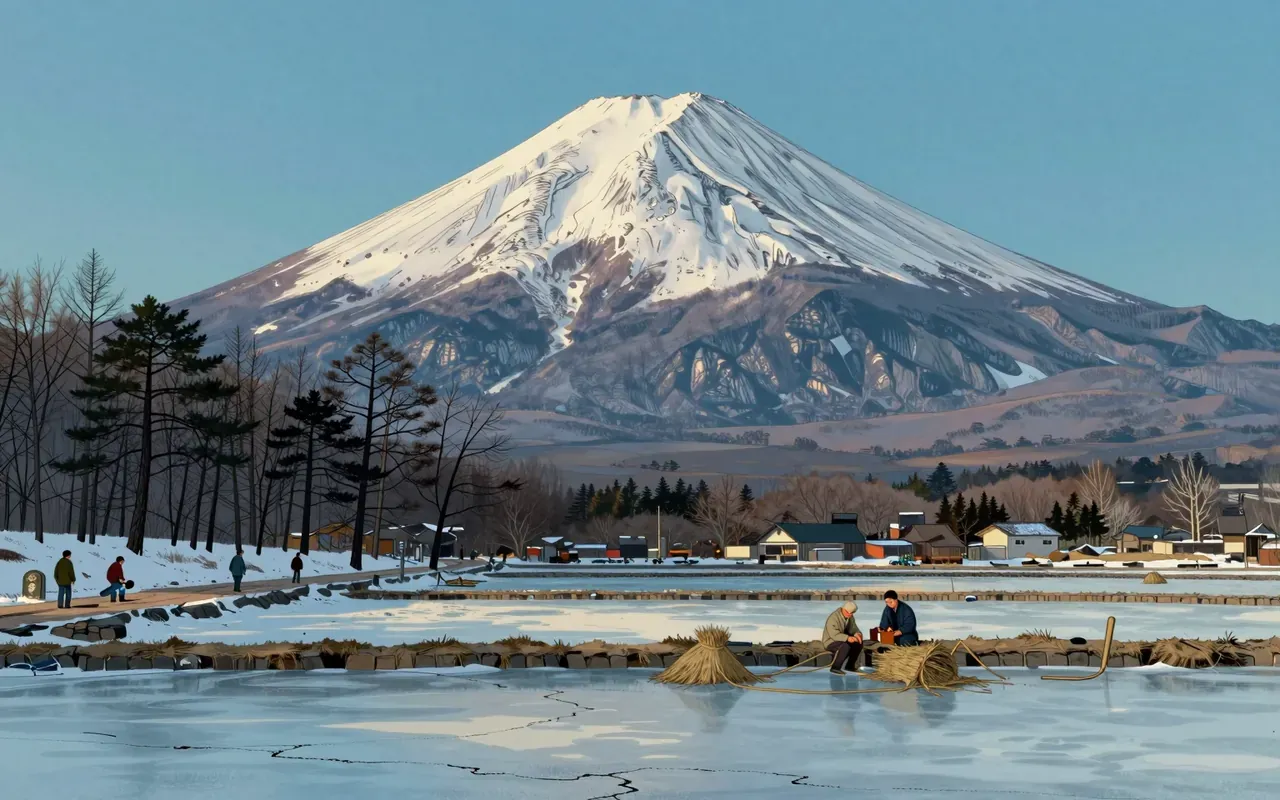
A tundra-climate volcano with perfect symmetry — not a living system, but a geological signal written in ash and ice.
8:34

Green sea turtle

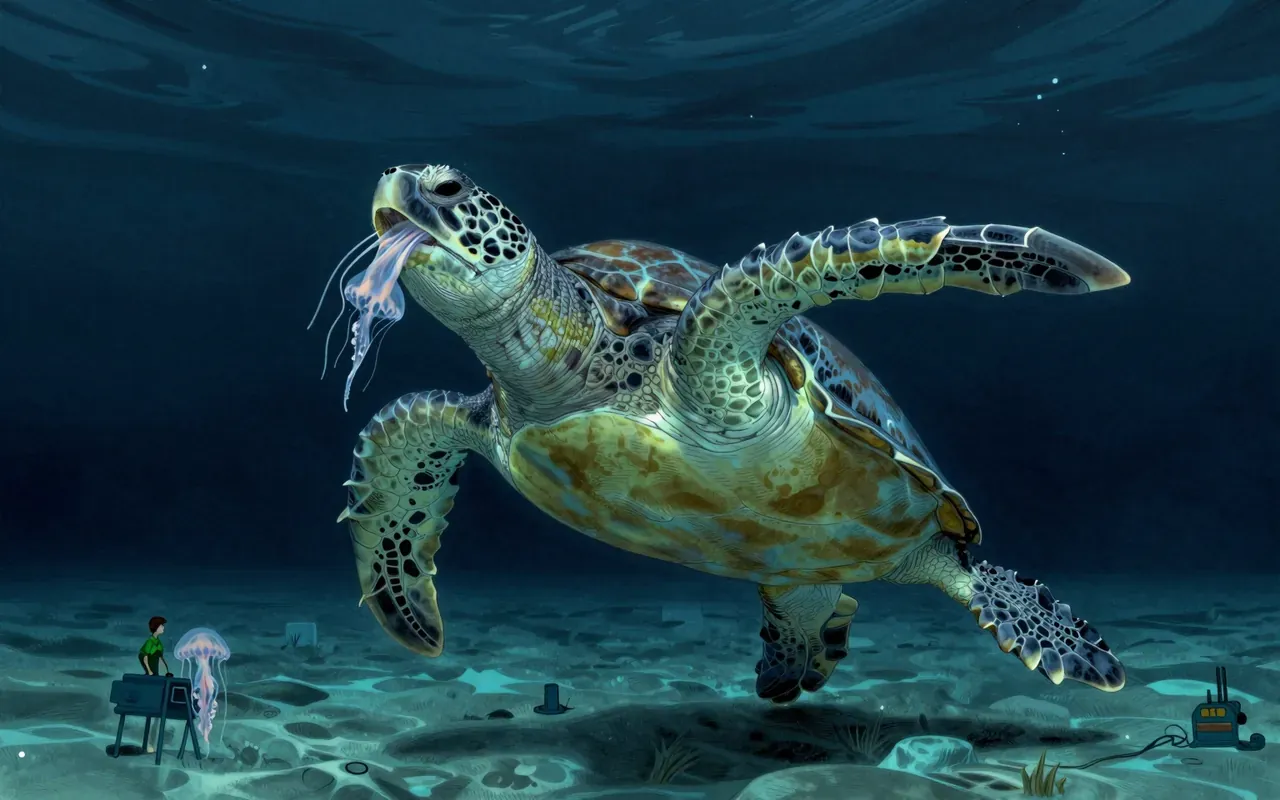
The only aquatic turtle that eats only seagrass — and the only reason its fat is green.
8:34

Lyrebird

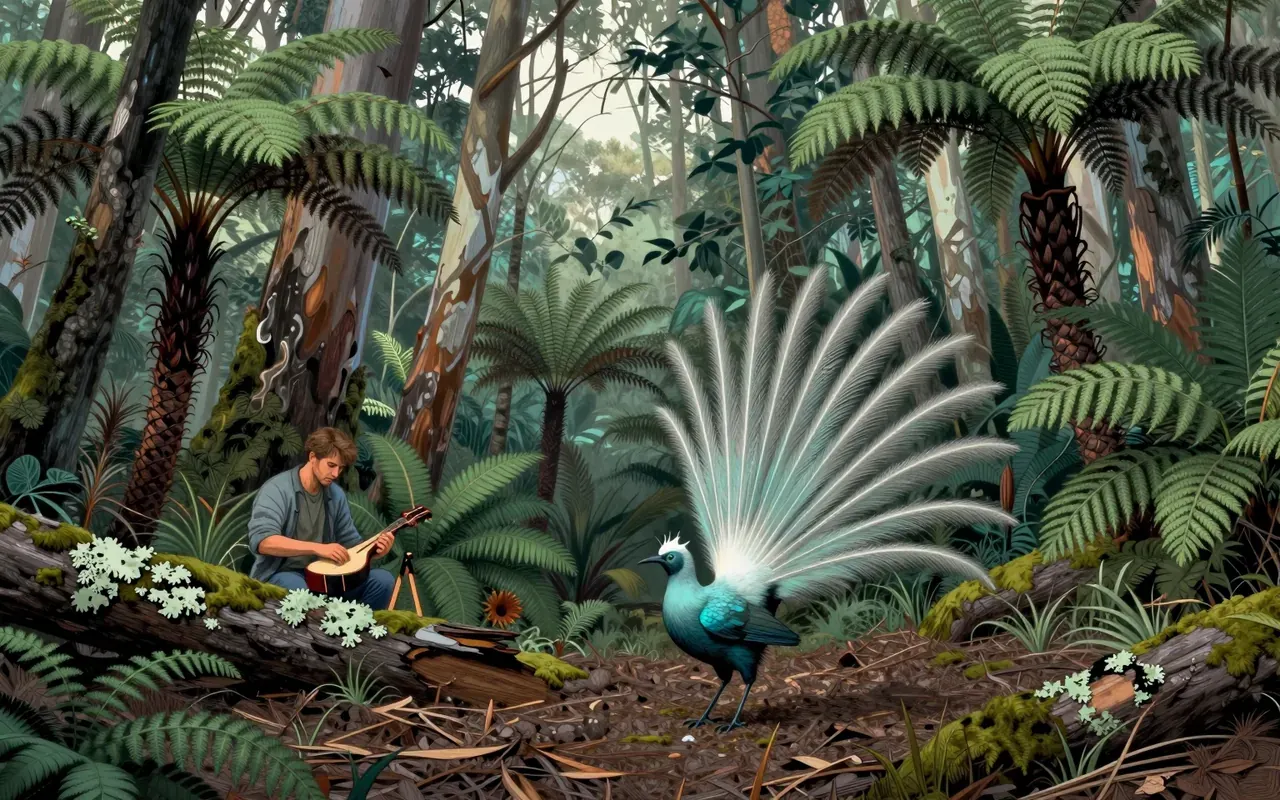
Australia’s most audacious mimic doesn’t sing — it steals, and displays like no other bird on earth.
8:30

Maratus volans

A 5 mm Australian spider that courts with UV-visible, white-fringed abdominal flaps—and eats males who fail.
8:30

Tidal bore

A tidal bore is not magic — it is geography shouting back at the moon.
8:29

Moonbow

A rainbow that refuses to show its colours — unless you wait, watch, and record.
8:29

Chameleon

Chameleons don’t change colour to hide — they run live optical interference experiments on their own skin.
8:29

Golden eagle

The golden eagle doesn’t rule the sky—it patrols it, precisely, powerfully, and exclusively over open ground.
8:28

Lingzhi (mushroom)

A bracket fungus that looks like lacquered leather—and tells you nothing about forests unless you already know where to look.
8:28

Mimosa pudica

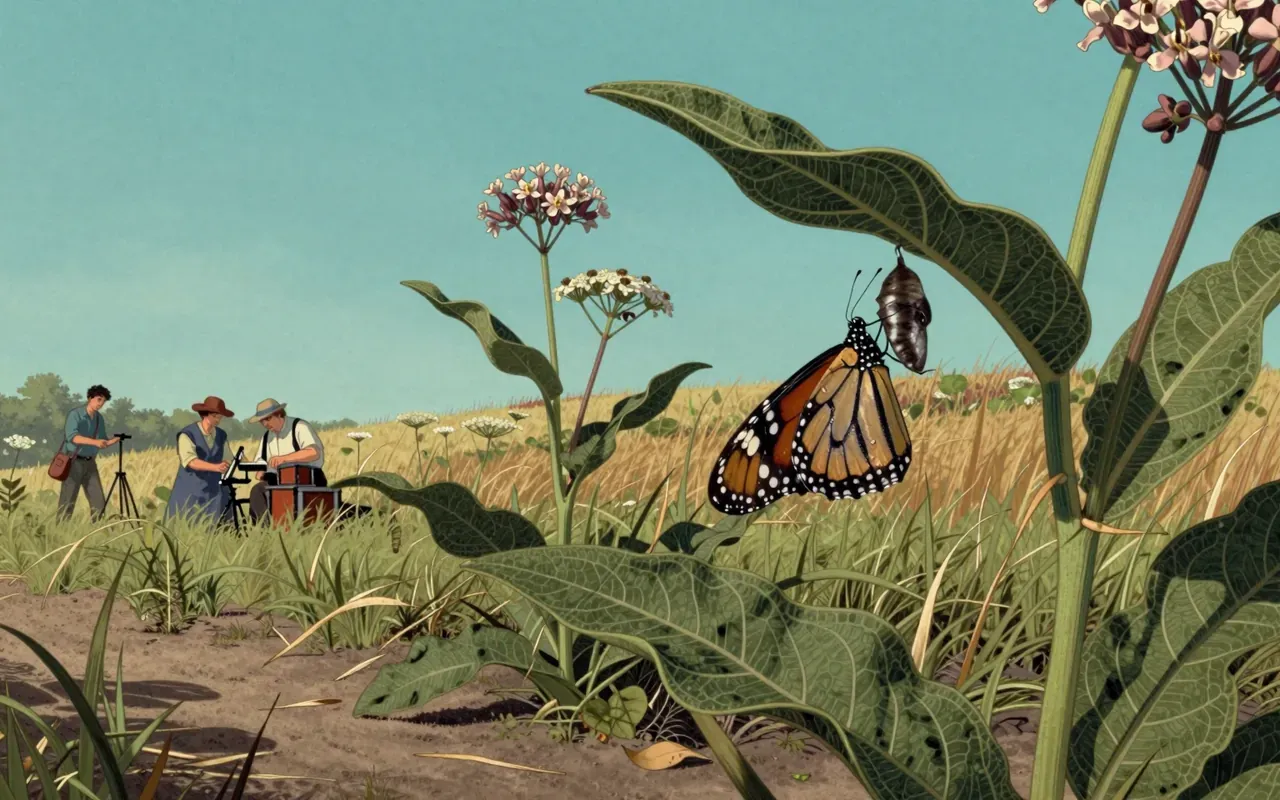
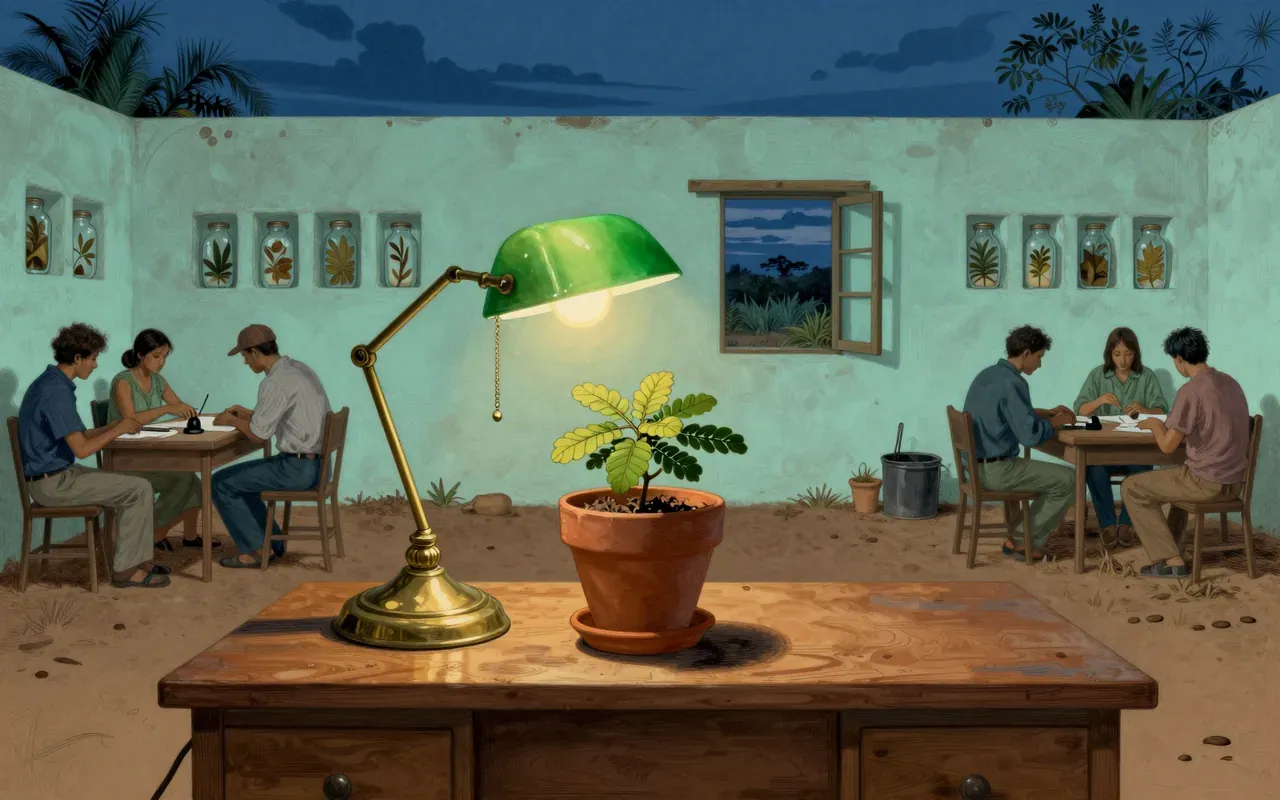
A plant that learns, forgets, and measures voltage — but only if you poke it twice.
8:28

Mandarin duck

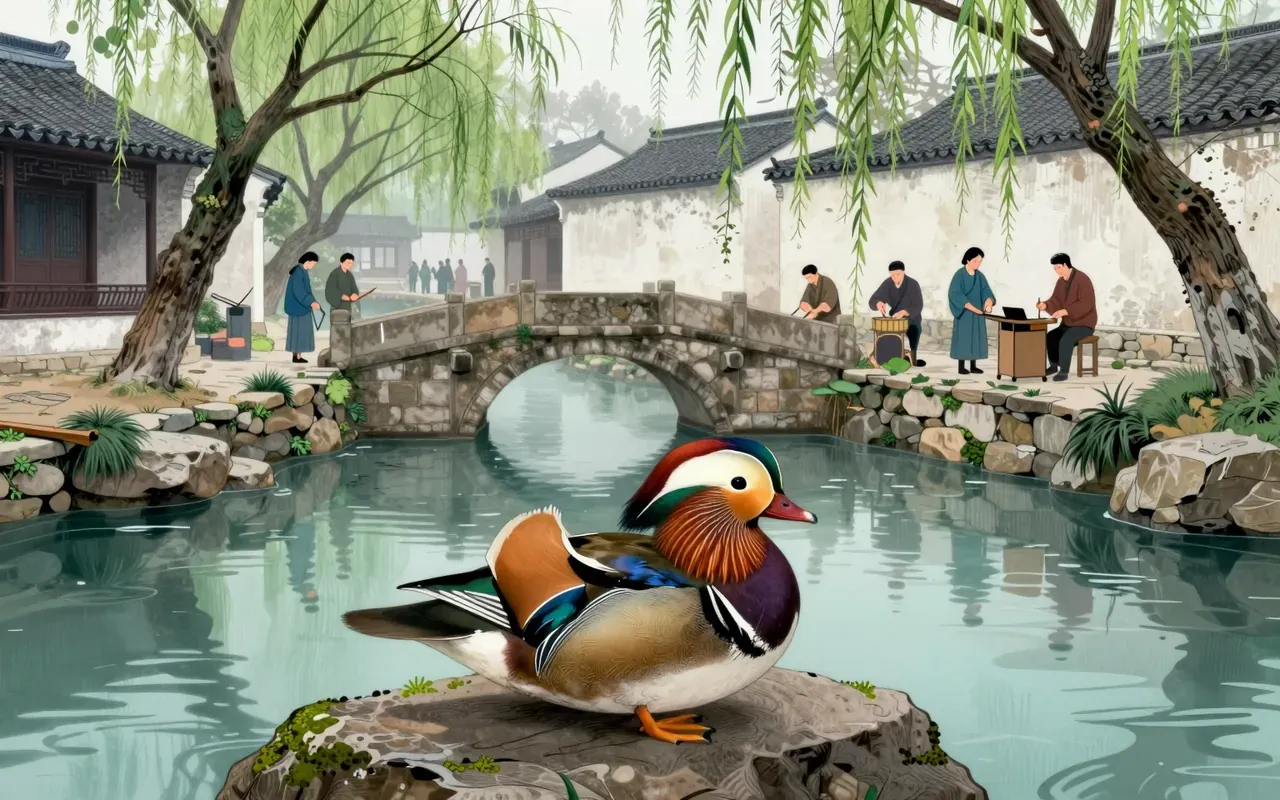
Its chromosomes lock it out of the duck gene pool—and that’s why it still looks like this.
8:27

Animal culture

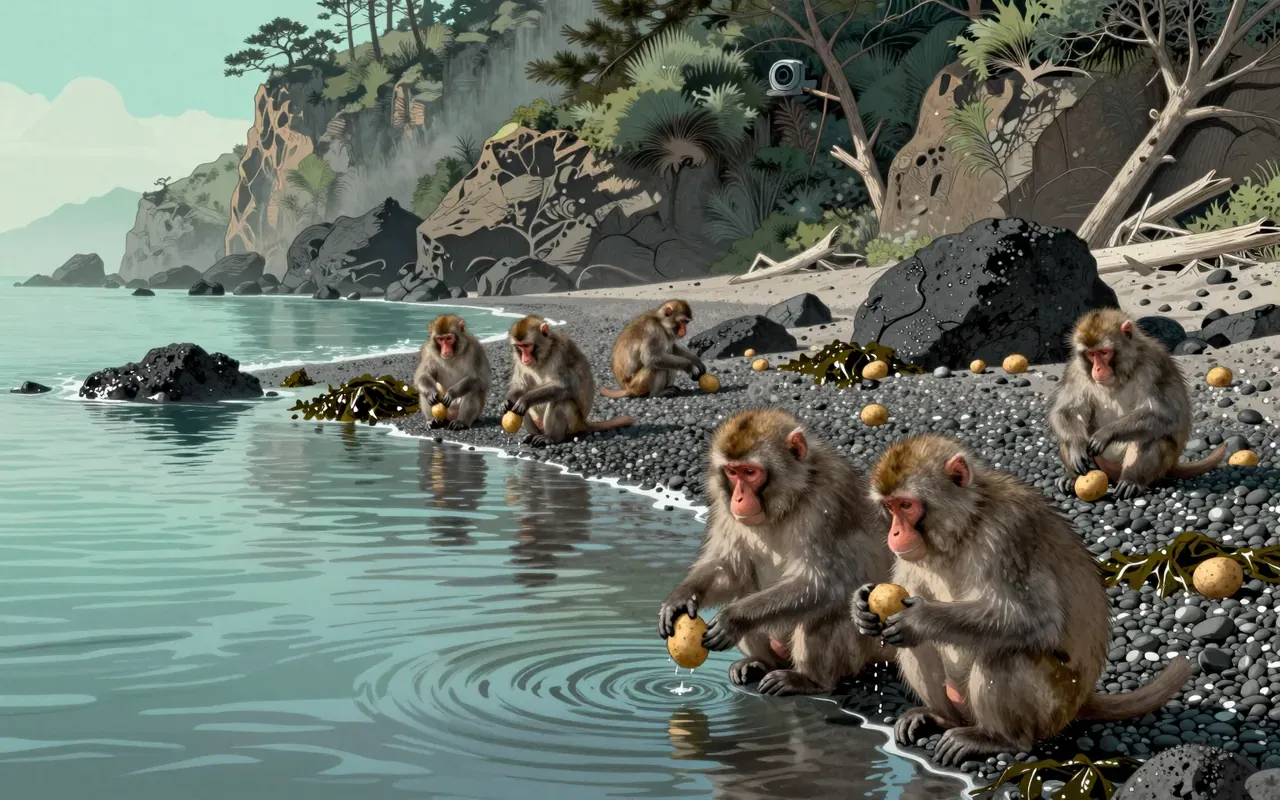
Culture is not human. It’s a transmission process — and animals run it too.
8:27

Rogue wave

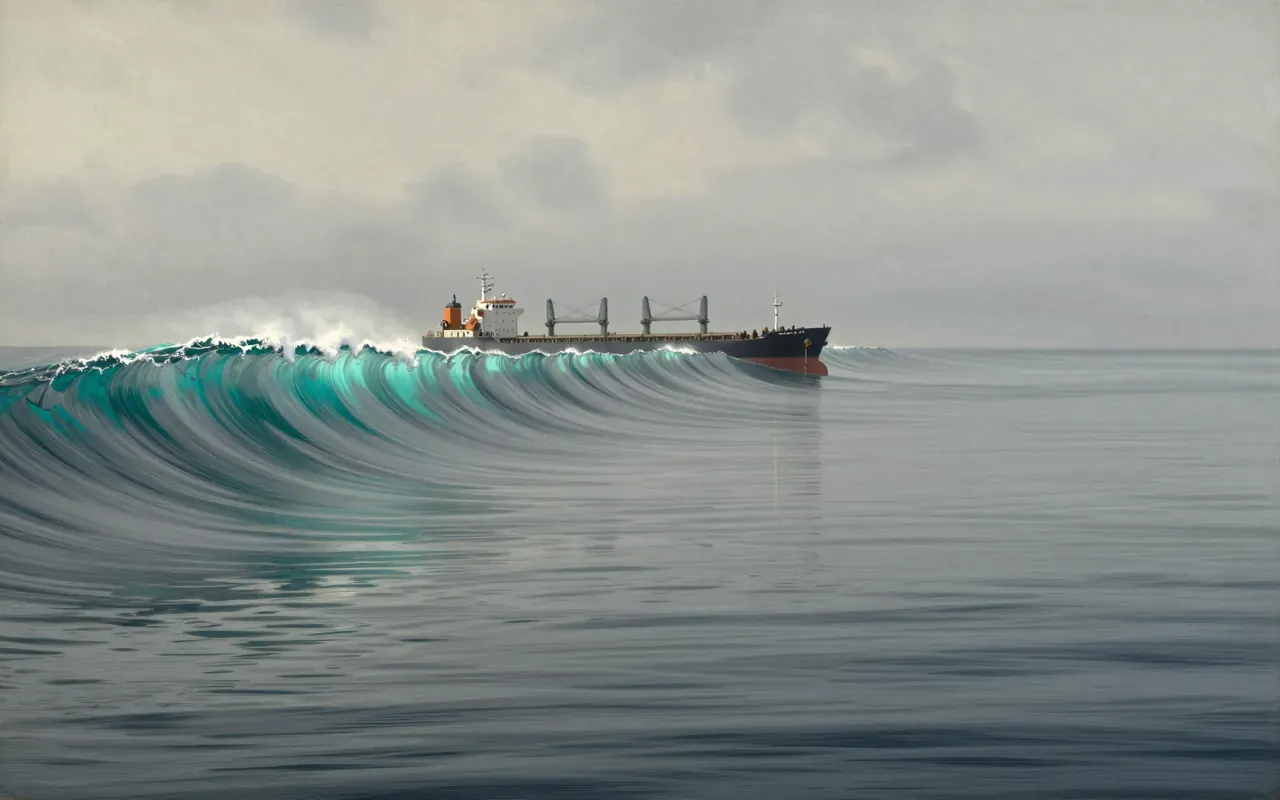
Rogue waves are not myths—they’re daily, dangerous, and defined: double the sea’s average big waves.
8:27

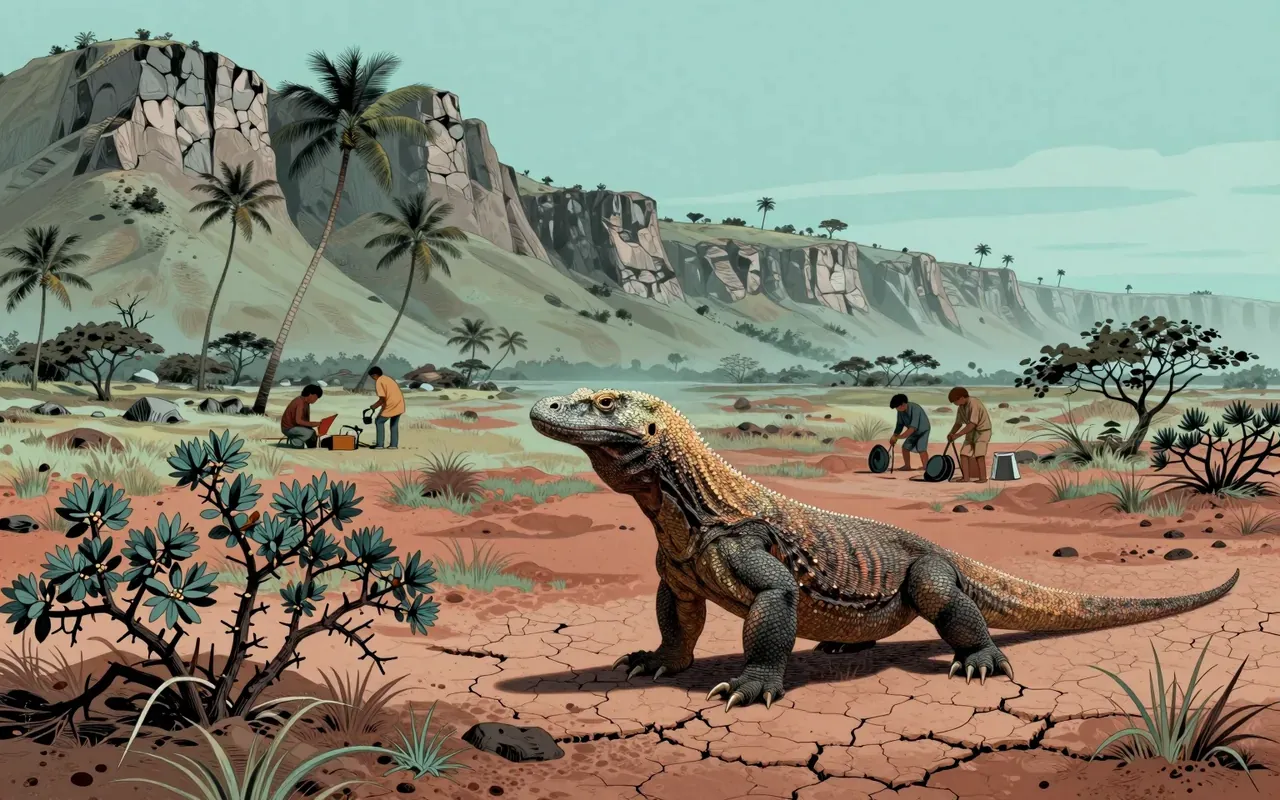
Komodo dragon

Cannibalism drives juveniles into trees—and into dung. That’s the Komodo dragon’s first rule.
8:26

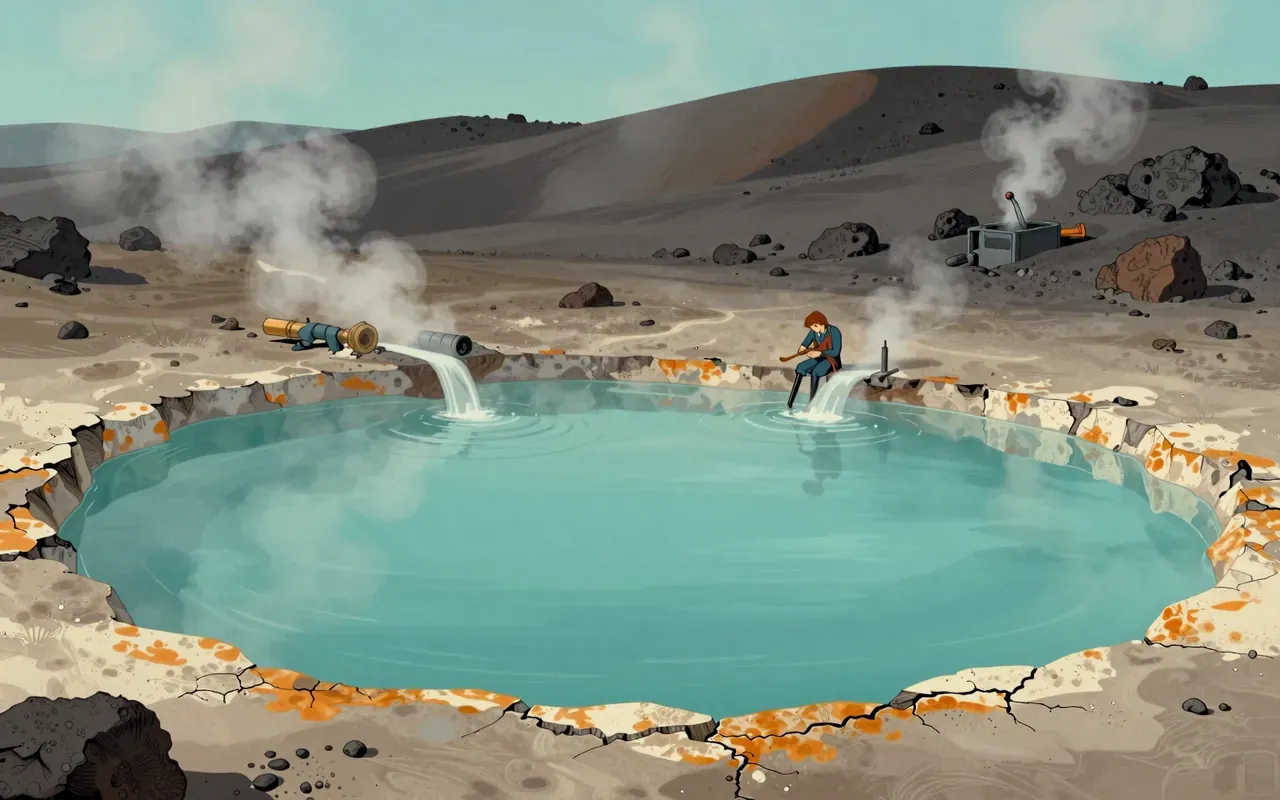
Hot spring

Hot springs aren’t alive — but they may have made life possible.
8:25

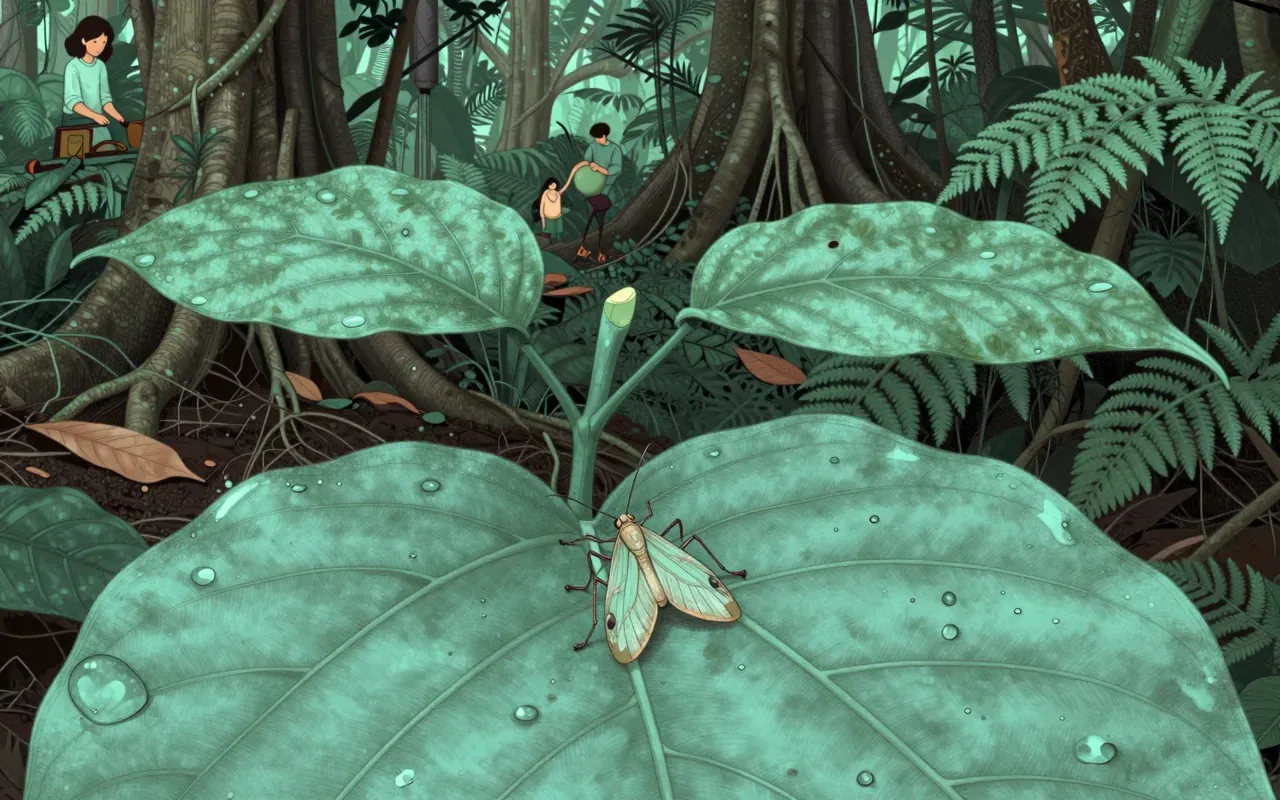
Phylliidae

Leaf insects don’t pretend to be leaves—they are leaves, flattened, lobed, and silent—until they rub their antennae.
8:24

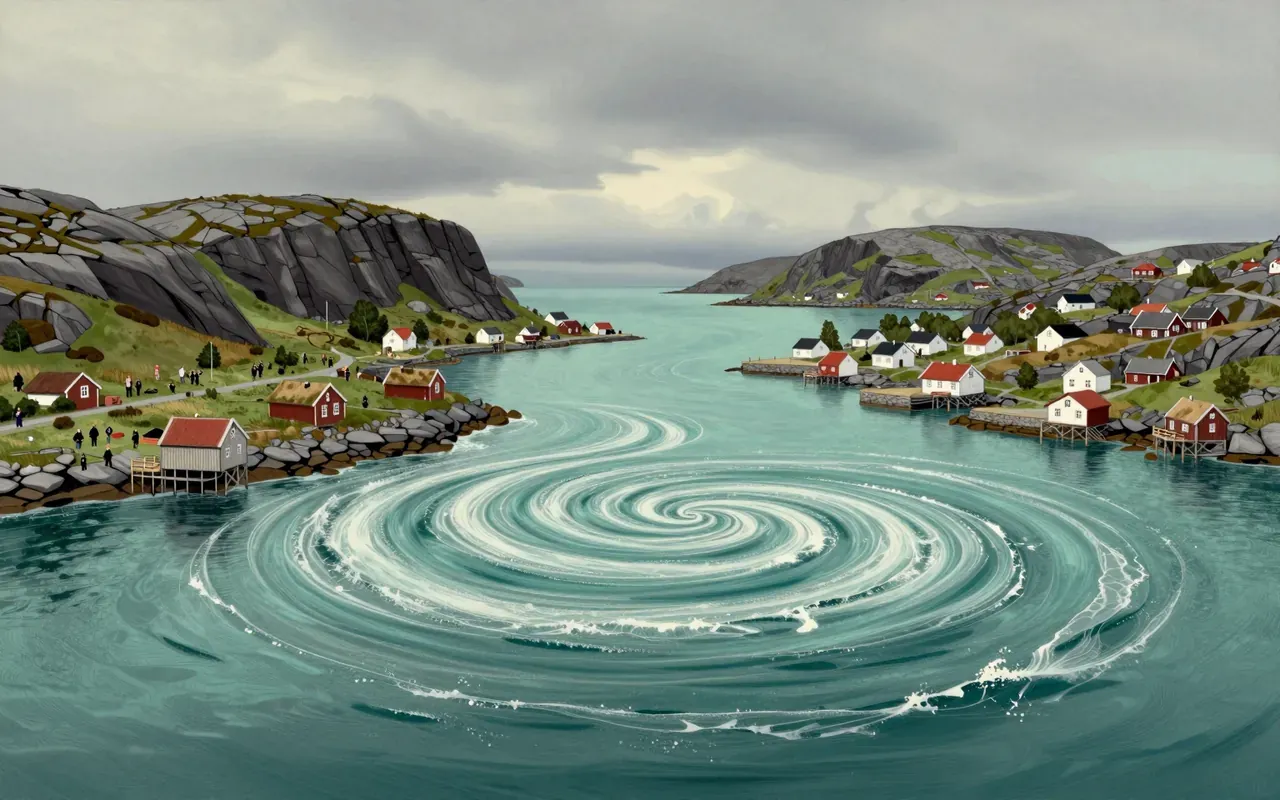
Moskstraumen

The world’s most famous maelstrom isn’t a vortex that swallows ships — it’s a tide-powered engine of open-sea rotation, visible from the air and proven by 18th-century poetry.
8:24

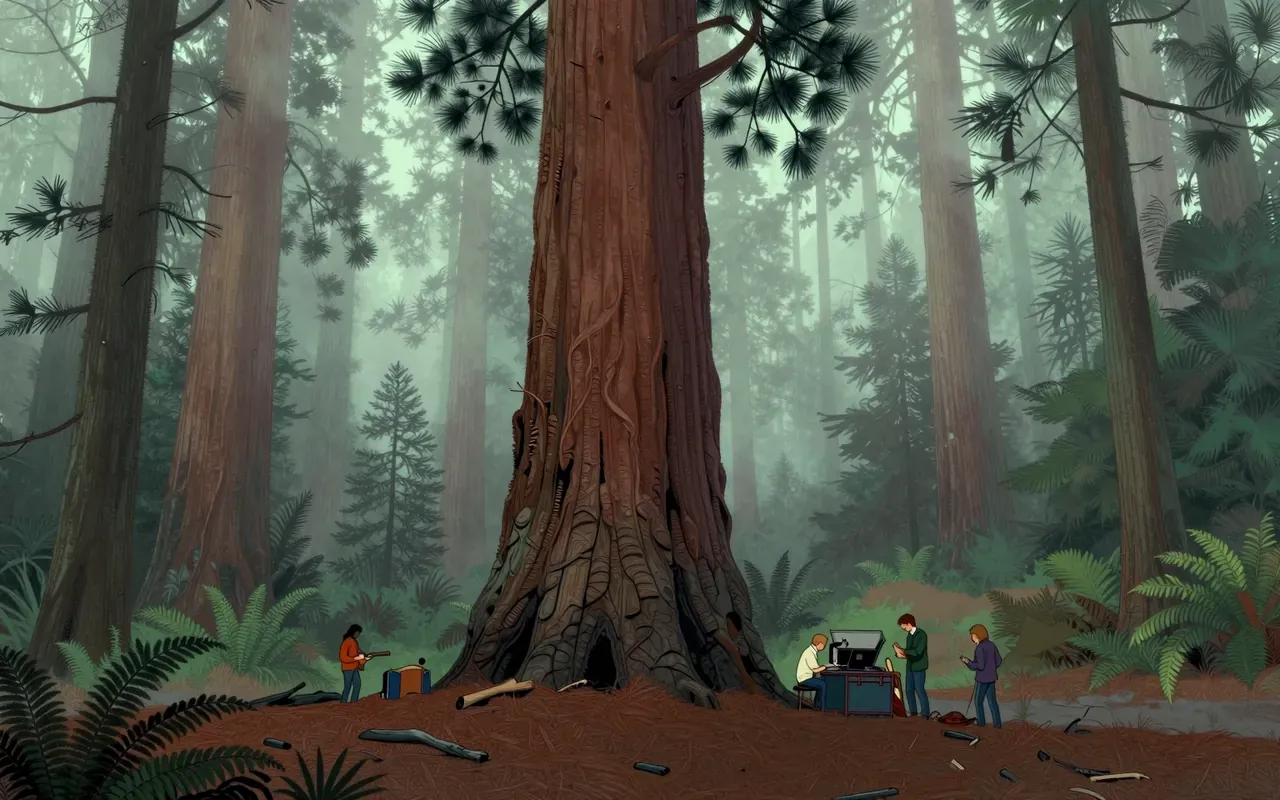
Sequoia sempervirens

The tallest living thing on Earth is also the most stubbornly local: it will not grow anywhere but coastal fog forest.
8:24

Apis cerana japonica

It does not feed on orchid nectar—but it pollinates them anyway, using stolen pheromones and lethal heat.
8:24

Emu

Australia’s tallest native bird survives on heat-handling feathers and wide-ranging legs—not charm, not rarity, not flight.
8:23

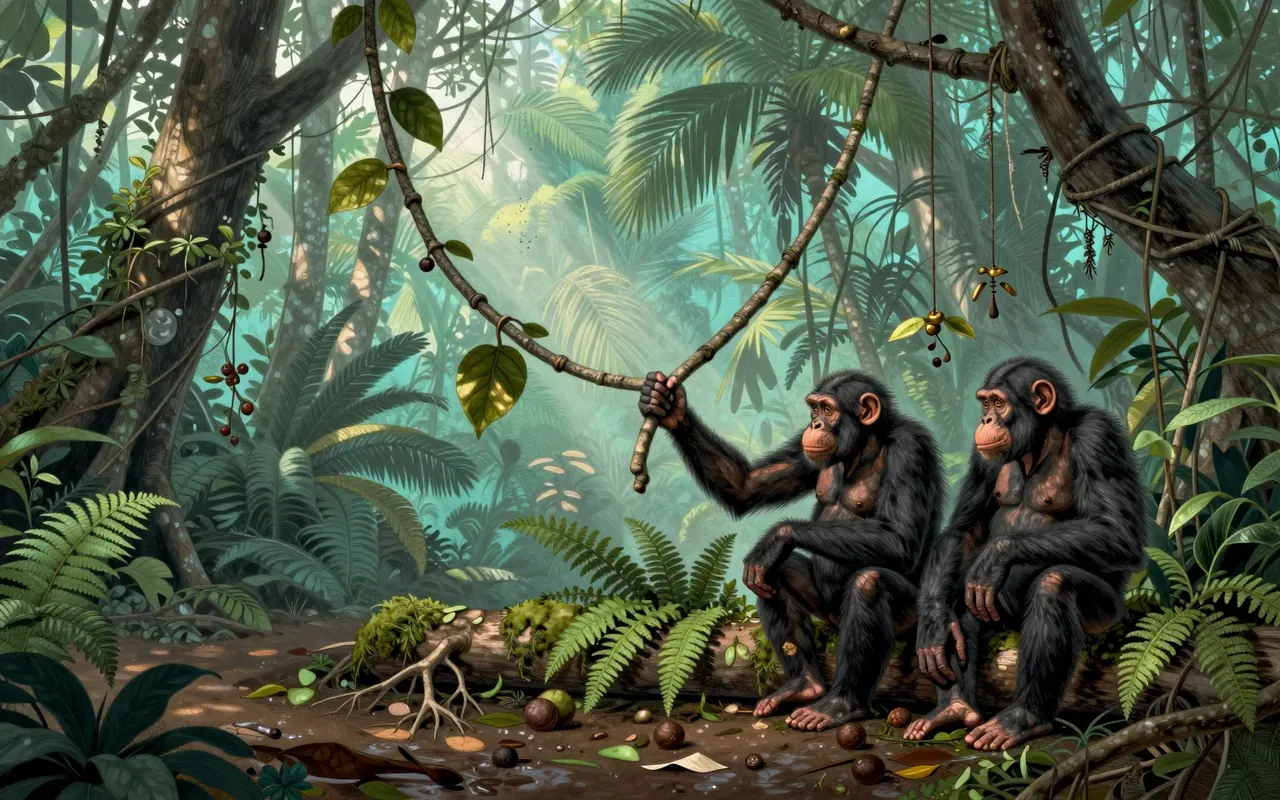
Bonobo

Sex isn’t just sex for bonobos—it’s diplomacy, grammar, and governance.
8:23

Frilled lizard

A lizard that lives almost entirely in trees—and communicates with a frill operated by jaw bones and cartilage.